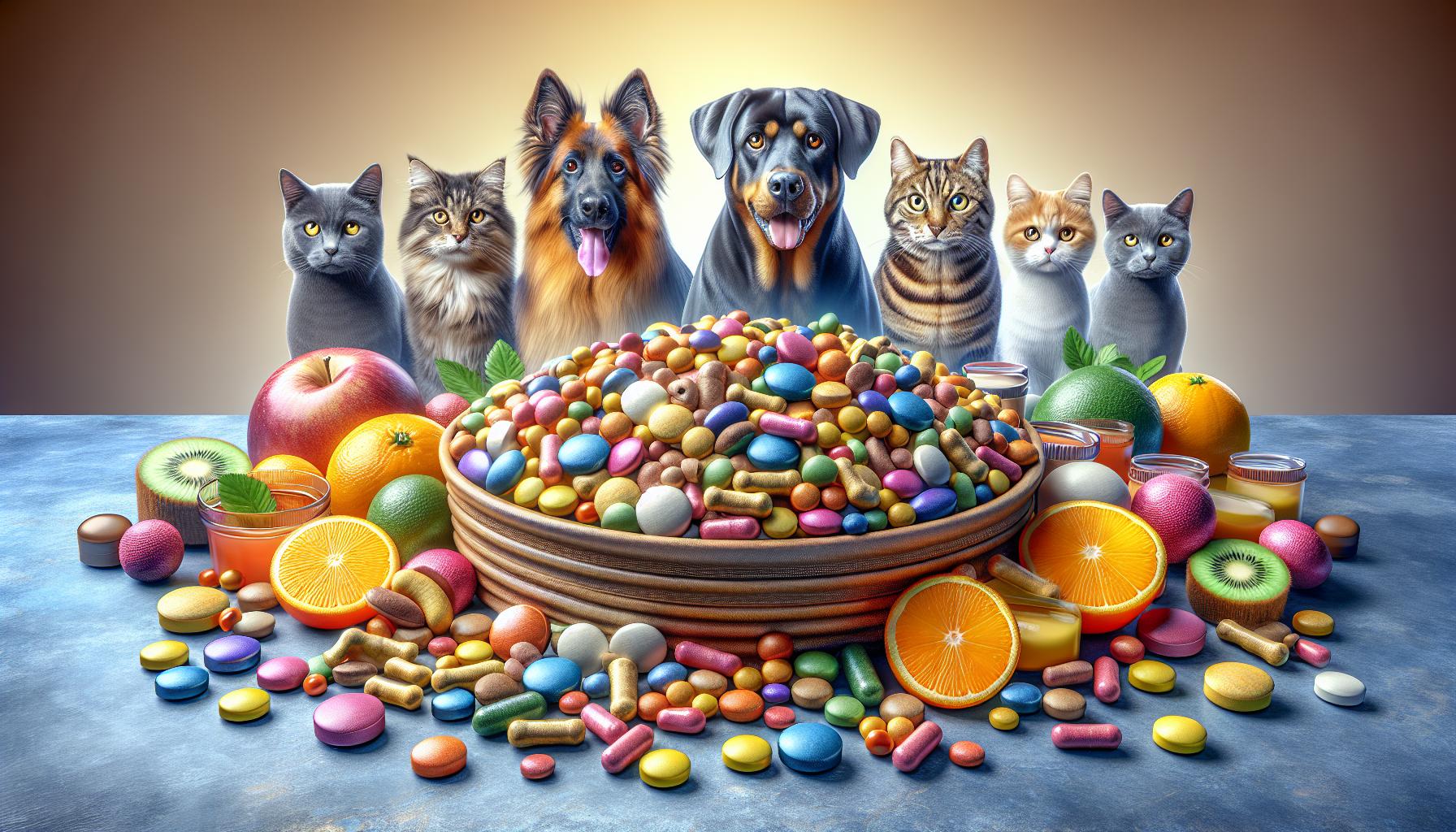
How Nutrition Affects the Behavior and Mental Health of Pets

The Impact of Nutrition on Pet Behavior
It is often said that you are what you eat, and this adage holds true for our pets as well. The relationship between nutrition and behavior in animals is an intricate web that affects their mental health and overall well-being. As pet owners become more aware of this connection, they can make informed dietary choices that lead to happier, more balanced companions.
Brain Function and Cognitive Health
One of the most significant ways in which nutrition influences behavior is through its effect on brain function. Essential nutrients like omega-3 fatty acids, found in fish oil and flaxseeds, are crucial for optimal cognitive performance. Studies have shown that pets receiving adequate levels of omega-3s display improved memory and learning abilities. Furthermore, B vitamins, particularly B12, have been linked to reduced anxiety and improved mood in dogs and cats alike. Supplementing your pet’s diet with these nutrients can pave the way for a sharper, more responsive animal, enabling them to adapt better to their environment and social interactions.
Energy Levels and Mood
A well-balanced diet is vital for maintaining your pet’s energy levels, which directly influences their mood and activity levels. Animals that receive a diet rich in protein and healthy fats are often more enthusiastic and playful. In contrast, a diet lacking in vital nutrients can lead to lethargy, weight gain, and even depression. Consider the difference between a dog on a high-quality, protein-rich diet versus one fed a low-quality, carbohydrate-heavy kibble; the former is likely to be more active, playful, and engaged in activities, while the latter may display signs of disinterest or fatigue.
The Role of Gut Health
Recent research has illuminated the profound connection between gut health and emotional well-being. The gut microbiome—the collection of bacteria and microorganisms residing in your pet’s digestive tract—plays a crucial role in regulating mood and behavior. A diet that includes prebiotics and probiotics can enhance gut health, supporting the ecosystem of beneficial bacteria which can, in turn, alleviate anxiety and aggression. For example, yogurt and fermented foods can help balance gut bacteria, possibly leading to a more composed and social pet.
The Dangers of Poor Nutrition
When pets are fed an inappropriate diet, they can exhibit troubling behavioral changes. For instance:
- Increased Anxiety: A diet low in nutrients can lead to heightened anxiety. Pets may become restless, bark excessively, or exhibit fearful behaviors.
- Aggression: Nutritional deficiencies, particularly in essential fatty acids and amino acids, can contribute to irritability and potentially aggressive behavior in pets.
- Withdrawal: A poor diet may also lead to lethargy or a decrease in social interaction. Pets may avoid play and companionship, withdrawing from their owners and other pets.
Improving Your Pet’s Quality of Life
By exploring how specific foods and nutrients affect your pet’s behavior, you can take significant steps toward enhancing their quality of life. It often involves small yet impactful changes in their diet, such as introducing high-quality proteins, healthy fats, and fiber-rich foods. As you learn more about the essential dietary adjustments that can positively influence your beloved companions’ mental health, you may find yourself not only with a happier pet but also a deeper understanding of the incredible bond you share. Investigating your pet’s dietary needs could transform their behavior for the better, leading to a happier life for both of you.
DISCOVER MORE: Click here to find the perfect pet breed for you
The Impact of Nutrition on Pet Behavior
It is often said that you are what you eat, and this adage holds true for our pets as well. The relationship between nutrition and behavior in animals is an intricate web that affects their mental health and overall well-being. As pet owners become more aware of this connection, they can make informed dietary choices that lead to happier, more balanced companions.
Brain Function and Cognitive Health
One of the most significant ways in which nutrition influences behavior is through its effect on brain function. Essential nutrients like omega-3 fatty acids, found in fish oil and flaxseeds, are crucial for optimal cognitive performance. Studies have shown that pets receiving adequate levels of omega-3s display improved memory and learning abilities. Furthermore, B vitamins, particularly B12, have been linked to reduced anxiety and improved mood in dogs and cats alike. Supplementing your pet’s diet with these nutrients can pave the way for a sharper, more responsive animal, enabling them to adapt better to their environment and social interactions.
Energy Levels and Mood
A well-balanced diet is vital for maintaining your pet’s energy levels, which directly influences their mood and activity levels. Animals that receive a diet rich in protein and healthy fats are often more enthusiastic and playful. In contrast, a diet lacking in vital nutrients can lead to lethargy, weight gain, and even depression. Consider the difference between a dog on a high-quality, protein-rich diet versus one fed a low-quality, carbohydrate-heavy kibble; the former is likely to be more active, playful, and engaged in activities, while the latter may display signs of disinterest or fatigue.
The Role of Gut Health
Recent research has illuminated the profound connection between gut health and emotional well-being. The gut microbiome—the collection of bacteria and microorganisms residing in your pet’s digestive tract—plays a crucial role in regulating mood and behavior. A diet that includes prebiotics and probiotics can enhance gut health, supporting the ecosystem of beneficial bacteria which can, in turn, alleviate anxiety and aggression. For example, yogurt and fermented foods can help balance gut bacteria, possibly leading to a more composed and social pet.
The Dangers of Poor Nutrition
When pets are fed an inappropriate diet, they can exhibit troubling behavioral changes. For instance:
- Increased Anxiety: A diet low in nutrients can lead to heightened anxiety. Pets may become restless, bark excessively, or exhibit fearful behaviors.
- Aggression: Nutritional deficiencies, particularly in essential fatty acids and amino acids, can contribute to irritability and potentially aggressive behavior in pets.
- Withdrawal: A poor diet may also lead to lethargy or a decrease in social interaction. Pets may avoid play and companionship, withdrawing from their owners and other pets.
Improving Your Pet’s Quality of Life
By exploring how specific foods and nutrients affect your pet’s behavior, you can take significant steps toward enhancing their quality of life. It often involves small yet impactful changes in their diet, such as introducing high-quality proteins, healthy fats, and fiber-rich foods. As you learn more about the essential dietary adjustments that can positively influence your beloved companions’ mental health, you may find yourself not only with a happier pet but also a deeper understanding of the incredible bond you share. Investigating your pet’s dietary needs could transform their behavior for the better, leading to a happier life for both of you.
| Nutritional Component | Impact on Behavior |
|---|---|
| Omega-3 Fatty Acids | Promotes calmness and reduces anxiety in pets. |
| Protein Type | High-quality protein sources support mental clarity and overall mood. |
| Carbohydrate Sources | Complex carbohydrates can provide stable energy, preventing behavioral issues related to energy spikes. |
| Probiotics | Support gut health, which has been linked to better mood stability and reduced aggression. |
Nutrition plays a crucial role in the behavior and emotional wellbeing of our pets. For instance, diets enriched with Omega-3 fatty acids not only contribute to improved cognitive function but also help mitigate anxiety, resulting in a more relaxed pet. Additionally, utilizing high-quality protein sources ensures that pets not only maintain a strong physical state but also benefit from enhanced mood stability and mental clarity.Moreover, the inclusion of complex carbohydrates helps regulate energy levels, crucial for preventing hyperactivity or lethargy, which can lead to undesirable behaviors. Lastly, incorporating probiotics into your pet’s diet is becoming increasingly recognized for their impact on gut health, demonstrating a fascinating connection between gastrointestinal wellbeing and mental health. Each bite of food thus becomes an opportunity to influence the overall emotional landscape of our beloved pets, prompting the question: Are we paying enough attention to what fills their bowls?
DON’T MISS: Click here to learn about your dog’s nutrition
The Connection Between Diet and Emotional Well-being
As we delve deeper into the impact of nutrition on mental health, it becomes evident that food choices extend beyond physical health and reach into the emotional realm of our animal companions. Understanding this connection allows pet owners to implement dietary changes that may enhance their pets’ emotional resilience and overall demeanor.
The Influence of Specific Nutrients
Certain nutrients play pivotal roles in regulating mood-related behaviors in pets. Amino acids, the building blocks of proteins, are particularly important as they are precursors to neurotransmitters. For instance, tryptophan is an amino acid that can be converted into serotonin, a neurotransmitter heavily involved in mood regulation. Ensuring your pet’s diet includes sufficient protein sources rich in tryptophan, such as turkey or chicken, can support the production of serotonin, potentially leading to calmer and more sociable behavior.
In addition, antioxidants such as vitamin E, vitamin C, and selenium can help combat oxidative stress, which has been linked to anxiety and depression in pets. Incorporating fruits and vegetables like blueberries, carrots, and spinach into your pet’s diet may enhance their emotional stability. Research indicates that pets with diets high in antioxidants display lower levels of anxiety and improved overall mental health.
Hydration and Its Role in Mood
Another often-overlooked aspect of nutrition is hydration. Just like humans, pets can become irritable and fatigued when they are dehydrated. Fresh, clean water is crucial not just for hydration but also for maintaining optimal cognitive function. An adequate intake of fluids can help in avoiding mood fluctuations and support a stable emotional state in pets. Offering wet food options or incorporating water-rich fruits, such as watermelon or cucumber, can boost their overall hydration levels.
Understanding Food Sensitivities and Allergies
Improper nutrition extends beyond the obvious choices and can include food sensitivities and allergies, which can manifest as behavioral issues. A pet with an undiagnosed allergy may display anxiety, aggression, or even hyperactivity, simply due to physical discomfort. Conducting a trial diet, which eliminates potential allergens, can reveal if certain foods are linked to behavioral changes. Common allergens include grains, dairy, and specific proteins. Identifying and addressing these sensitivities offer a pathway to a more balanced and emotionally stable pet.
The Impact of Feeding Schedule
It’s also essential to consider the timing of meals. Pets thrive on routine, and irregular feeding schedules may lead to anxiety and stress. Establishing a consistent feeding routine not only promotes digestive health but can also provide a sense of security for pets. Animals accustomed to knowing when and where they will be fed often exhibit more relaxed behaviors and better relationships with their owners.
The Power of Treats and Rewards
Using treats strategically can serve as an effective tool for improving behavior and fostering a positive mental state. Instead of relying solely on commercially available treats, consider incorporating healthy options like raw fruits and vegetables. These can boost your pet’s health without the additives often found in commercial treats. Training sessions with these healthier rewards can instill confidence in pets and create a bond that positively affects their emotional health.
As research continues to evolve in the fascinating area of pet nutrition, the opportunities for enhancing our pets’ mental health and behavior through informed dietary choices seem limitless. The journey towards understanding the profound link between nutrition and behavior not only leads to a healthier pet but also enriches the lives of all involved. Investing time into your pet’s nutritional habits can yield long-term benefits that resonate throughout their lives.
DISCOVER: Click here to learn how social media can help save lives
Conclusion: The Vital Role of Nutrition in Shaping Pet Behavior and Mental Health
In summary, the intricate relationship between nutrition and the emotional well-being of pets cannot be overstated. Pet owners have the power to influence their furry companions’ behaviors and mental health through thoughtful dietary choices. From amino acids that serve as precursors for crucial neurotransmitters, to the antioxidants that mitigate oxidative stress, the right balance of nutrients plays a significant role in fostering a calm and happy demeanor in pets.
Moreover, ensuring adequate hydration and addressing potential food sensitivities can lead to remarkable transformations in how pets interact with their environments and their owners. Establishing a predictable feeding schedule not only supports digestive health but also cultivates a sense of security, which is essential for emotional stability. Utilizing treats wisely can serve as a form of enrichment, allowing for positive reinforcement of desired behaviors and ultimately deepening the bond between pets and their caregivers.
As research in this field continues to expand, pet owners are encouraged to stay informed and actively seek ways to enhance their pets’ diets. The journey towards optimal pet health goes beyond basic nutrition; it encompasses a holistic approach that nurtures both the body and mind. By prioritizing their pets’ nutritional needs, owners can contribute significantly to a happier, healthier, and more harmonious living dynamic.
Investing in your pet’s nutrition is not merely a responsibility; it is an opportunity to foster a thriving companionship that uplifts both parties. So, the next time you evaluate your pet’s diet, remember that you hold the key to unlocking their full emotional potential through the power of nutrition.