
The benefits of vitamin supplementation in pets’ diets
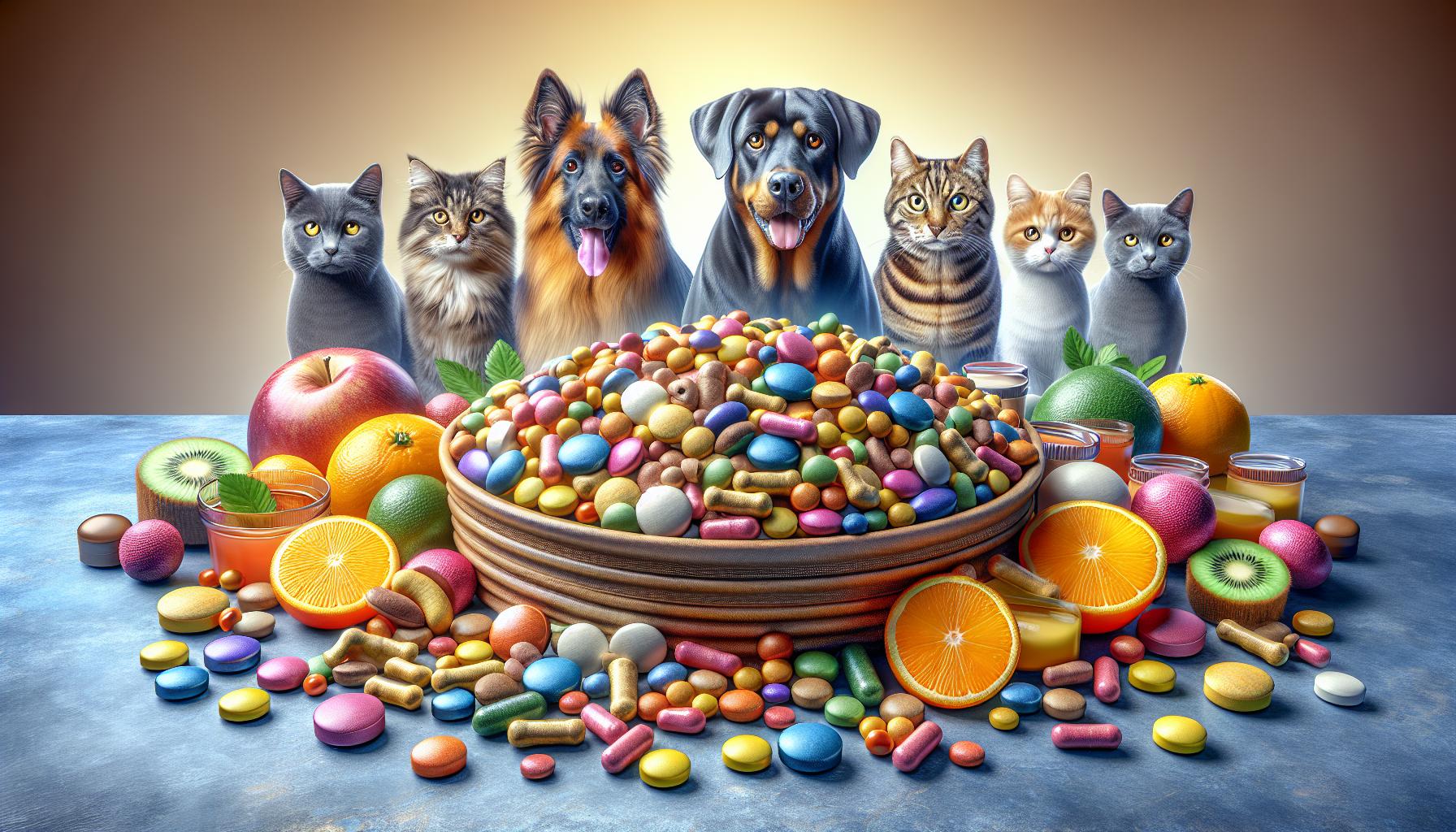
The Role of Vitamins in Your Pet’s Diet
For many pet owners, the well-being of their furry friends is as significant as their own. As responsibilities grow, understanding how to enhance your pet’s health becomes critical. One significant yet often overlooked area is the role of vitamin supplementation in their diet. While high-quality pet food may virtually meet nutritional requirements, additional vitamins can deliver vital health benefits.
Vitamins serve as essential nutrients that facilitate various physiological functions. For instance, boosted immune systems are paramount for keeping pets safe from illnesses. Vitamins such as vitamin C and E act as antioxidants, helping to neutralize free radicals that can cause harmful cellular damage. A strong immune system can mean the difference between a healthy pet and one that frequently falls ill.
Another essential benefit of proper vitamin intake is improved skin and coat health. Essential fatty acids, along with vitamins A, D, and E, are crucial for maintaining a shiny, vibrant coat. For example, owners of dogs that suffer from dry skin or excessive shedding may observe significant improvements by adding omega-3 fatty acids and biotin into their pets’ diets. This not only enhances their appearance but also contributes to overall comfort and happiness.
Beyond immune support and skin health, vitamins also play a vital role in enhancing energy levels. B vitamins, in particular, are critical for energy metabolism, allowing pets to stay active and playful. Dogs and cats that receive adequate B vitamins tend to exhibit higher energy levels, making them more enthusiastic about their daily walks or playdates.
It’s important to recognize that vitamin deficiencies can lead to serious health complications. A shortage of vitamin E, for example, can lead to weakened muscles, while a lack of vitamin A can deteriorate vision and skin health. This highlights the significance of being attuned to your pet’s specific dietary needs.
Navigating the landscape of vitamin supplementation can feel daunting, particularly with the plethora of products available in stores and online. This is why consulting with a veterinarian is crucial. They can analyze your pet’s current diet and lifestyle, providing tailored advice on which vitamins could be beneficial. Blood tests and dietary assessments may also help identify specific deficiencies.
Your furry companion deserves the best care possible, and embracing vitamin supplementation can be a pivotal step toward a longer, healthier life. As you delve deeper into the different types of vitamins beneficial for pets, take the time to research the options available and consult experts to ensure you’re making informed choices. Whether you’re introducing a new supplement or simply looking to optimize your pet’s current diet, your commitment will undoubtedly lead to a happier, healthier companion.
DISCOVER MORE: Click here to learn about choosing the best pet adoption resources for your family</p
The Essential Vitamins Every Pet Needs
When considering vitamin supplementation for your pets, it’s vital to understand the key vitamins that contribute to their overall health and well-being. Each vitamin plays a unique role and can target specific health concerns that could otherwise linger unnoticed. Here’s a closer look at some essential vitamins and the benefits they offer:
- Vitamin A: Crucial for vision and immune function, it supports skin and coat health, making it essential for pets with sensitivities or skin issues. A deficiency can lead to night blindness and compromised immune responses.
- Vitamin D: While pets can produce vitamin D through sun exposure, many indoor pets may not get enough. This vitamin aids in calcium absorption, promoting strong bones and teeth. Too little can lead to bone deformities and weakened structures.
- Vitamin E: A powerful antioxidant that supports the immune system and skin health. It also plays a vital role in maintaining cell membranes and protecting against oxidative stress.
- Vitamin B Complex: Comprised of multiple B vitamins, this complex supports energy levels and metabolic functions. Pets lacking in these vitamins may show signs of lethargy or irritability.
- Vitamin C: Although dogs and cats generally synthesize C naturally, additional amounts can bolster their immune system, especially during stressful situations or illness.
Recognizing the importance of these vitamins in a pet’s diet can be beneficial for both physical and behavioral health. For instance, dogs that receive adequate vitamin B complex may display improved moods and social interactions, contributing to better overall behavior.
Moreover, certain breeds may be predisposed to specific deficiencies. For example, large-breed dogs may struggle with joint problems, while smaller breeds often face dental health issues. Supplementation with particular vitamins can help alleviate these risks and provide targeted support. Working with a veterinarian allows pet owners to customize their pet’s vitamin intake based on breed, age, and health conditions.
Additionally, as pets age, their metabolic and physiological needs evolve. Older pets can benefit greatly from fortified diets that include higher levels of essential vitamins. This can help improve cognitive function, maintain organ health, and even support mobility by counteracting age-related joint issues.
As you explore vitamin supplementation for your pet, always consider the balance in their diet. It’s crucial to avoid over-supplementation, as excessive intake of certain vitamins can lead to toxicity and other health concerns. This balance underscores the importance of a well-rounded approach to pet nutrition, which includes consultation with a veterinary professional to determine the right supplementation strategy tailored to your four-legged companion.
The Benefits of Vitamin Supplementation in Pets’ Diets
As pet owners increasingly seek to enhance their pets’ health and well-being, the role of vitamin supplementation in their diets cannot be overlooked. With the proliferation of processed pet foods lacking *essential nutrients*, vitamin supplements emerge as a crucial addition. Here, we explore significant categories illustrating the numerous advantages of this practice in promoting optimal health.
| Category | Description |
|---|---|
| Immune Support | Vitamins such as C and E bolster the pet’s immune system, reducing the risk of illnesses. |
| Skin and Coat Health | Supplementation with vitamins A, D, and E enhances skin elasticity and promotes a healthy shiny coat. |
Moreover, certain vitamins play significant roles in maintaining healthy bones and teeth, ensuring pets remain active and agile throughout their lives. It’s essential for pet owners to understand the unique nutritional needs of their animals, as different breeds and life stages can require specific nutrients. Consulting with a veterinarian before starting any supplementation is advisable, as they can provide tailored recommendations that suit the individual health profiles and dietary restrictions of pets.
In summary, the incorporation of vitamin supplements in pets’ diets is becoming recognized for its ability to address nutritional gaps, thereby enhancing overall health. By prioritizing these essential nutrients, owners can contribute positively to the longevity and vitality of their beloved companions.
DISCOVER MORE: Click here to learn how to enhance your pet’s learning experience
Understanding the Impact of Vitamin Deficiencies
While the benefits of vitamin supplementation in pets’ diets are numerous, it’s essential to scrutinize the consequences of vitamin deficiencies. Pet owners may not realize that certain health issues can arise over time due to inadequate vitamin intake, often going unnoticed until the problem escalates. For example, a deficiency in Vitamin B12 can lead to anemia and neurological problems in pets, ultimately affecting their quality of life. Similarly, a lack of Vitamin E can result in muscle degeneration and impaired immune responses. Recognizing these deficiencies and understanding their repercussions highlights the importance of tailored vitamin supplementation.
Research indicates that many commercial pet foods, despite being fortified, may not provide the sufficient levels of vitamins needed for specific breeds, ages, or health conditions. For example, senior dogs often struggle with joint health, leading to a decline in mobility. Supplementing their diet with Vitamin D and omega-3 fatty acids can be particularly beneficial, as these nutrients work together to combat inflammation and support joint health.
The Relationship Between Vitamins and Overall Health
Moreover, certain vitamins have a direct correlation with the psychological well-being of pets. According to studies conducted by veterinary nutritionists, pets that receive a diet rich in vitamins—especially the B vitamins—tend to exhibit lower levels of anxiety and stress. Conditions such as separation anxiety in dogs or even behavioral problems in cats can often be attributed to nutritional deficiencies. Thus, proper supplementation can lead to a happier and more stable pet.
Pet owners should also consider the benefits of antioxidants often included in vitamin supplements. These compounds play a crucial role in neutralizing free radicals, which are unstable molecules that can cause cellular damage over time. Incorporating antioxidants like Vitamin C and Vitamin E into a pet’s diet may not only support longevity but also contribute to improved overall vitality.
Important Considerations for Supplementation
When integrating vitamin supplementation into your pet’s diet, it’s vital to choose high-quality products designed specifically for pets. The market offers various formulations, from liquid drops to chewable tablets, but not all are created equal. Certain brands may contain fillers or artificial additives that can detract from the intended health benefits. Reading labels and selecting trusted brands ensures that your pet receives the necessary nutrients without harmful additives.
Additionally, an often-overlooked aspect of vitamin supplementation is the lifestyle of the pet. Pets that lead more active lives, such as working dogs or those frequently engaged in agility training, might require additional vitamin support to keep up with their energy levels and promote muscle recovery. In such cases, Vitamin C can be invaluable, as it assists in collagen production for the maintenance of joints and connective tissues.
Finally, continuous monitoring is crucial when administering vitamin supplements. Regular vet check-ups can help gauge your pet’s response and any potential adjustments that may be necessary. By actively engaging with your vet and tailoring your pet’s diet, you can maximize the benefits of vitamin supplementation, paving the way for a healthier and happier life for your furry friend.
LEARN MORE: Click here to discover how to prepare your home for a pet
Conclusion: Enhancing Pet Health Through Vitamin Supplementation
In summary, the benefits of vitamin supplementation in pets’ diets cannot be overstated. As we’ve explored, vitamin deficiencies can lead to various health challenges, impacting everything from physical vitality to mental well-being. With many commercial pet foods falling short in providing adequate levels of essential nutrients, tailored supplementation becomes crucial for pet owners who aim to support their pets’ overall health.
The integration of targeted vitamin supplementation can pave the way for improved mobility, enhanced immune function, and better mental stability in pets. Selecting high-quality supplements, particularly those rich in essential vitamins like Vitamins B, C, D, and powerful antioxidants, can significantly contribute to a pet’s longevity and vitality. Furthermore, considering a pet’s unique lifestyle and needs ensures a more effective approach to their nutrition and care.
It’s essential for pet owners to take an active role in this process. Regular veterinary consultations should guide the selection of appropriate supplements and any necessary adjustments. By prioritizing vitamin supplementation, you not only enhance your pet’s quality of life but also forge a stronger bond through the commitment to their health and happiness. As you explore the vast world of pet nutrition, remember that informed decisions lead to flourishing lives for our beloved companions, promoting a happy tail through every stride.