The Impact of Obesity on Pet Health: Strategies for a Balanced Diet
Understanding the In-depth Factors of Obesity in Pets
Obesity in pets is not just a growing trend; it has developed into a serious public health crisis affecting our furry companions. With alarming figures showing that nearly 60% of dogs and 50% of cats in the United States are classified as overweight or obese, it becomes imperative to recognize the underlying issues causing this epidemic. The lifestyle quality of pets grappling with excess weight diminishes drastically, affecting their ability to engage in regular activities and reducing their lifespan.
The health complications associated with obesity extend beyond mere aesthetics. Pets with excessive weight face an increased risk of diabetes, which can lead to a lifetime of insulin dependency and frequent vet visits. Joint problems, notably arthritis, can inhibit mobility and cause significant discomfort, leading to a sedentary lifestyle. Furthermore, the connection between obesity and heart disease cannot be overlooked. Extra pounds strain heart function, heightening the risk of respiratory issues that impede a pet’s basic ability to breathe comfortably.
Factors Contributing to Pet Obesity
Properly addressing pet obesity requires an understanding of the various contributing factors. One of the most significant influences is poor diet choices. Many pet owners may inadvertently provide calorically dense food items that lack essential nutrients. With numerous brands promising a healthy diet, it can be challenging to discern which options truly support a pet’s wellbeing. Additionally, feeding pets human food, often rich in fats and sugars, can contribute to weight gain.
Another contributing factor is insufficient exercise. In today’s fast-paced society, busy schedules may lead pet owners to overlook the necessity of regular playtime and exercise. Just like humans, pets require daily activity to maintain a healthy weight and avoid obesity-related illnesses. Engaging in simple activities such as frequent walks, fetch games, or even agility training can provide essential physical stimulation, enhancing both mental and physical health.
Moreover, genetic predisposition plays a vital role in obesity. Certain breeds are more susceptible to weight gain due to their metabolic rates and tendencies toward lethargy. Understanding these genetic factors can empower pet owners to be more vigilant about their pet’s diet and exercise regimen, relying on tailored strategies to combat obesity.
Taking Action: The Role of Pet Owners
As responsible pet owners, it is crucial to recognize the signs of obesity. Regular weight checks and body condition assessments can help identify when a pet may be tipping the scales. Developing a balanced diet tailored to your pet’s specific needs is a primary strategy in mitigating this problem. Consulting a veterinarian can provide insight into proper dietary guidelines and nutritional requirements based on age, breed, and health status.
Incorporating consistent exercise routines is equally important. Simple adjustments, such as increasing daily walks or investing in interactive toys, can lead to significant health improvements. Ultimately, a proactive approach in managing your pet’s weight can ensure they lead a longer, healthier life, enriching both their experience and the bond shared between pet and owner.
As we delve deeper into practical strategies for managing pet weight successfully, we will arm pet owners with the necessary tools to combat the obesity epidemic, aiming to create a future where our pets thrive in health and happiness.
LEARN MORE: Click here to discover the benefits of socialization for your pets
Identifying and Understanding Pet Obesity
Obesity is a multifaceted issue that goes beyond the measure of an animal’s weight. It can lead to serious health complications that affect pets’ quality of life, and understanding the implications of obesity is vital for every pet owner. Both dogs and cats, as increasingly sedentary lifestyles become the norm, are now more prone to gaining excess weight. The correlation between obesity and increased veterinary costs is alarming, with studies indicating that overweight pets have a higher likelihood of requiring medical attention for obesity-related conditions.
Recognizing the signs of obesity in pets is the first step in combating this epidemic. The Body Condition Score (BCS) is a commonly used scale that helps determine whether a pet is at a healthy weight. A BCS of 1 to 3 indicates underweight conditions, while a score of 4 to 5 is considered ideal. Conversely, those scoring above 6 are assessed as overweight, and those at 8 or 9 are categorized as obese. Regularly evaluating your pet using this scoring system can provide early warnings and prompt action.
Consequences of Pet Obesity
The health ramifications of pet obesity unfold in a variety of alarming ways, ultimately leading to serious consequences for both pets and their owners. Some of the most notable issues include:
- Increased Risk of Diabetes: Obese pets are more likely to develop insulin resistance, resulting in diabetes, which can be managed but requires ongoing treatment and monitoring.
- Joint Problems and Mobility Issues: Excess weight places additional stress on joints, causing or exacerbating conditions like arthritis, making it difficult for pets to navigate their surroundings comfortably.
- Respiratory Complications: Overweight pets may develop difficulty breathing, especially during exertion, leading to a cycle of reduced activity and further weight gain.
- Shortened Lifespan: Research indicates that medium-sized dogs can live up to two years longer when maintained at a healthy weight, showcasing the significant impact of obesity on longevity.
Understanding these consequences can amplify the urgency and necessity for pet owners to take proactive steps in preventing and managing obesity. Directly attacking the root causes—diet and exercise—is paramount. Recognizing the importance of a balanced diet is crucial for maintaining your pet’s health, as it not only supports weight management but also enhances overall wellbeing.
Many pet owners often overlook simple diet adjustments that can yield substantial results. For example, understanding appropriate portion sizes and the caloric density of different pet food brands can make a considerable difference. Many specialty diets are available, designed not only to promote weight loss but to ensure that pets still receive the essential nutrients they need for a thriving life.
As we explore effective strategies and actionable tips to instill a healthier lifestyle for pets, it is essential to keep in mind the powerful connection between diet, exercise, and pet health. With a strategic approach, pet owners hold the keys to a brighter, healthier future for their beloved companions.
The Consequences of Obesity on Pet Health
Obesity in pets, primarily stemming from an unbalanced diet and lack of exercise, poses severe health risks that can drastically shorten their lifespan. Chronic conditions such as diabetes, arthritis, and heart disease are increasingly becoming prevalent among overweight pets. These conditions not only impair their quality of life but can also lead to expensive treatment plans that can burden pet owners. The link between obesity and joint problems is particularly concerning, as excess weight puts undue stress on a pet’s skeletal system. This results in painful conditions that can restrict mobility, hindering a pet’s ability to engage in enjoyable activities, such as play and exercise. Furthermore, understanding the psychological impact of obesity on pets is crucial. Animals may experience anxiety or depression due to decreased activity levels and social interaction, further exacerbating their physical health.
Strategies for a Balanced Diet
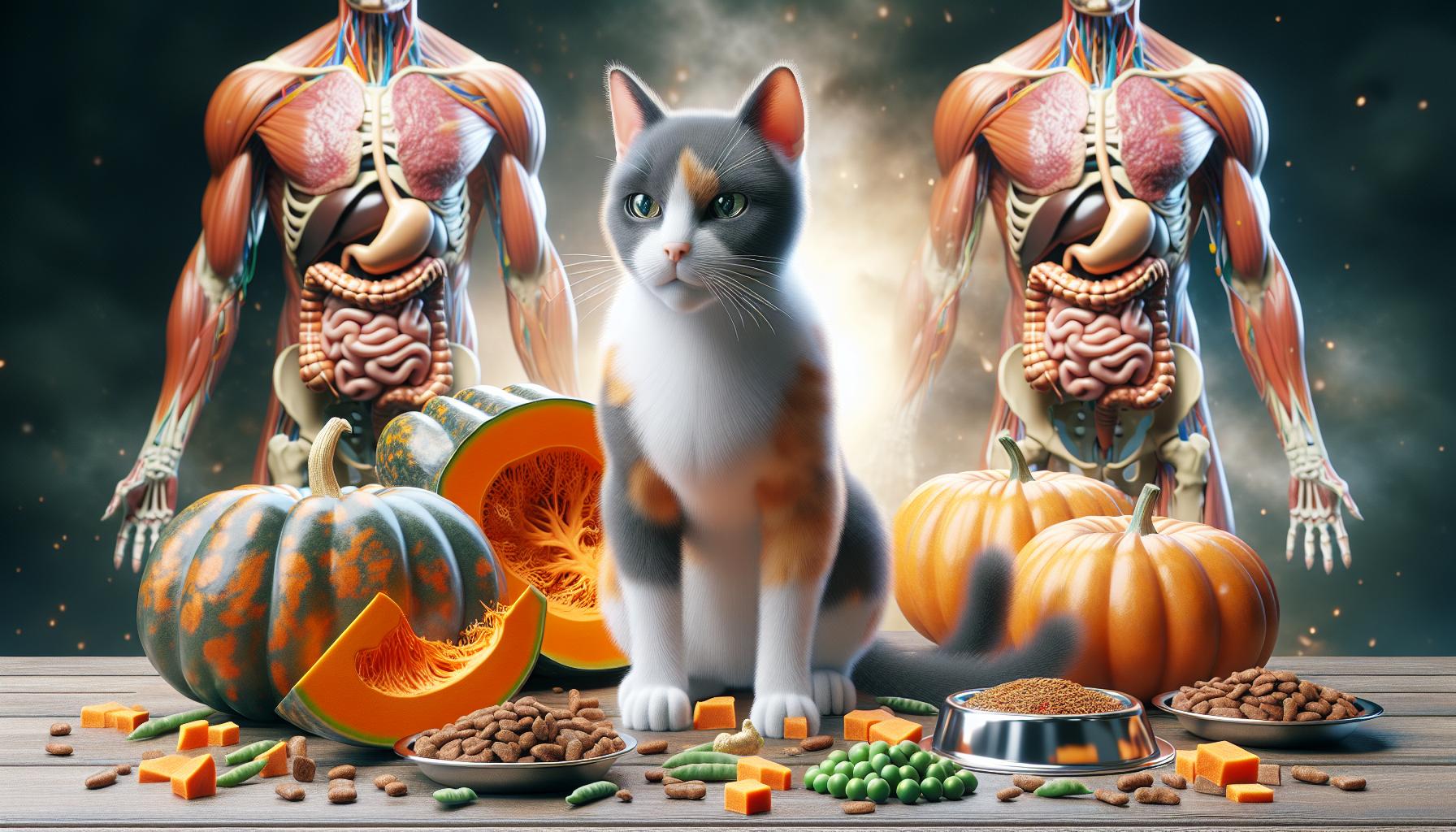
Implementing a balanced diet is vital for managing pet obesity and enhancing overall health. A key strategy includes consulting with a veterinarian to determine the ideal body weight and food intake specific to the pet’s breed, age, and activity level. Choosing high-quality, nutrient-dense food can make a significant difference. Look for pet food brands that list real meat as the first ingredient and are free from excessive fillers and artificial additives.Incorporating appropriate portion control and meal schedules helps prevent overfeeding. Another beneficial practice is introducing fresh fruits and vegetables into your pet’s diet as healthy snacks. It’s important to ensure that these options are safe for pets, as some foods can be harmful. In addition to dietary adjustments, regular exercise is integral. Daily walks, interactive playtime, and even agility or obedience training can significantly improve a pet’s physical condition and mental well-being.The collaborative efforts of pet owners in recognizing the signs of obesity and implementing dietary strategies are crucial for combating this epidemic. Through education and action, we can ensure a healthier future for our beloved companions.
DISCOVER MORE: Click here to dive deeper
Creating a Balanced Diet for Your Pet
Providing a balanced diet for pets is a cornerstone strategy in tackling obesity and promoting long-term health. Pet owners need to recognize that not all pet foods are created equal, and making informed choices can have a profound impact on their furry friend’s wellbeing. One of the first steps in achieving a balanced diet is understanding pet nutritional needs, which can vary significantly based on factors such as age, breed, and activity level.
High-Quality Ingredients are essential for crafting a nutritious meal. Pet owners should look for foods that list real meat as the primary ingredient. Fillers like corn, wheat, and soy can contribute to weight gain without providing essential nutrients. The inclusion of whole fruits and vegetables can also be beneficial, as these are rich in vitamins, minerals, and antioxidants that support overall health.
Portion Control and Feeding Practices
Effective portion control is crucial in managing pet weight. It’s common for pet owners to underestimate how much they should be feeding their pets, often relying solely on package recommendations. However, these guidelines can sometimes lead to overfeeding. Using a kitchen scale or measuring cups ensures correct portion sizes and helps maintain a pet’s ideal weight. It’s recommended to feed pets twice a day, which can prevent begging behavior and allow for better digestion.
Additionally, treats play a significant role in a pet’s caloric intake. Treats can be a source of love and bonding, but they can also contribute to significant weight gain. Pet owners are encouraged to limit the number of treats given and opt for healthier alternatives, such as carrot sticks or apple slices. It’s also wise to adjust meal portions to compensate for any treats given throughout the day.
Incorporating Exercise into Daily Routines
While creating a balanced diet is essential, exercise is equally important in combating obesity. Regular physical activity not only helps pets shed excess weight but also promotes mental stimulation and strengthens the bond between the pet and owner. Pet owners should aim to incorporate at least 30 minutes of activity into their pet’s daily routine. This could include walks, playtime in the yard, or engaging in interactive games. For dogs, this might mean taking them to a dog park or setting up playdates with other pets.
For indoor cats, providing climbing structures and interactive toys can stimulate physical activity. Engaging pets in play using laser pointers or feather wands can help them burn off energy while having fun. Structured exercise routines can be customized based on individual pet preferences and energy levels, making it easier to maintain consistency.
Moreover, pet owners should consult with veterinarians to tailor the dietary and exercise regimens based on their pet’s specific health needs. Professional advice can provide insight on alternative diets, nutritional supplements, and exercise programs that are best suited for managing obesity while promoting overall health.
Understanding the significance of maintaining a balanced diet and an active lifestyle is crucial in reversing the trend of pet obesity. By making informed dietary choices and prioritizing regular exercise, pet owners can play a pivotal role in ensuring that their pets lead healthier, happier lives.
DISCOVER MORE: Click here to learn about essential fatty acids for your pets
Conclusion: Ensuring a Healthier Future for Our Pets
In conclusion, the rising trend of pet obesity represents a significant challenge that pet owners must confront with urgency and diligence. The impact of obesity on pet health cannot be overstated; it leads to a multitude of health issues such as diabetes, joint problems, and a diminished quality of life. However, by implementing effective strategies for a balanced diet and encouraging a culture of physical activity, owners can significantly improve their pets’ overall wellbeing.
It is vital for pet owners to embrace the practice of mindful feeding and to prioritize high-quality ingredients that meet their pets’ nutritional needs, tailoring diets according to specific requirements. Additionally, integrating regular exercises—whether through play, walks, or interactive activities—will foster not only physical but also emotional health, reinforcing the bond between pets and their families.
Veterinary guidance is instrumental in this journey. Regular check-ups can help to continually assess a pet’s dietary requirements and preventative care, creating a pathway to long-term health benefits. By staying informed and proactive, pet owners can combat obesity, ensuring their beloved companions live longer, happier lives. A healthier pet is not just a goal; it’s a shared commitment to nurturing our furry friends. For more insights and resources, pet owners are encouraged to explore veterinary articles and workshops dedicated to pet nutrition and fitness, providing them with the tools necessary for success.