
The Importance of Fiber in Cat Nutrition: Promoting Digestive Health for Your Feline Friend
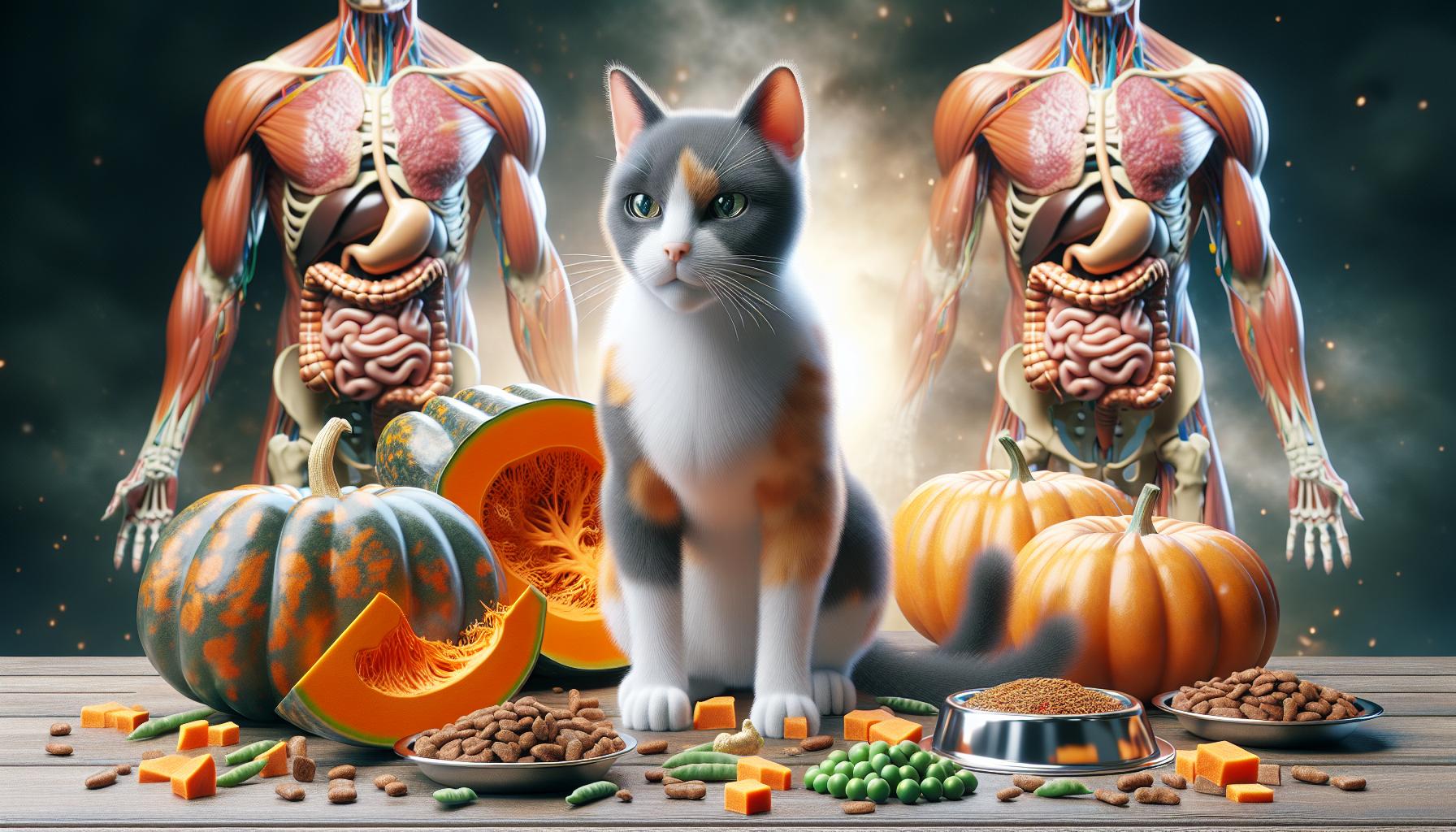
Understanding Fiber for Feline Health
When it comes to your cat’s diet, the word “fiber” might not be the first thing that comes to mind. However, fiber plays a crucial role in promoting the digestive health of our feline friends. Incorporating the right amount of fiber can lead to happier, healthier cats.
Why is Fiber Important?
Fiber offers numerous benefits that enhance a cat’s overall well-being. One of the primary roles of fiber is improved digestion. It acts like a broom, sweeping through the gut and preventing issues such as constipation and diarrhea. Cats, being obligate carnivores, have a digestive system that relies on fiber to help move food through their intestines effectively.
Another critical aspect is fiber’s role in weight management. High-fiber foods increase satiety, helping cats feel fuller for longer periods. This can be particularly important for indoor cats that may not get as much exercise as their outdoor counterparts. By incorporating fiber into their diet, you can assist in maintaining a healthy weight, thereby reducing the risk of obesity-related diseases.
Additionally, fiber can help with reduced hairballs. Many cat owners are familiar with the hairball issue that arises, especially in breeds with long coats. Fiber helps move ingested hair more efficiently through a cat’s digestive system, reducing the likelihood of hairballs forming and causing discomfort or blockages.
These functions are vital, especially considering that cats can be prone to gastrointestinal issues. The right type of fiber not only supports their digestive health but also contributes to their long-term well-being. A balanced fiber intake can mean fewer trips to the vet and a happier home environment.
What are Good Sources of Fiber?
Understanding where to get fiber is key to enhancing your cat’s nutrition. Some excellent fiber-rich additions to your cat’s diet include:
- Canned pumpkin: Not only a favorite for holiday pies, but canned pumpkin is packed with soluble fiber that aids digestion and regulates bowel movements.
- Green beans: These low-calorie veggis not only add texture to your cat’s diet but also offer a good source of fiber, making them a nutritious snack.
- Oat bran: A whole grain option that provides both soluble and insoluble fiber, oat bran can be sprinkled over regular cat food to increase dietary fiber content.
Exploring these options can lead you to make informed decisions regarding your cat’s nutrition and health. Fiber may not be the most glamorous topic in pet care, but understanding its significance can empower you as a cat owner to provide a more balanced and healthful diet, ultimately ensuring your feline friend enjoys a high quality of life. The journey to optimal cat health starts with the food they eat, and fiber is a key player in that equation.
DISCOVER MORE: Click here for helpful tips
The Role of Fiber in Cat Nutrition
As conscientious cat owners, understanding the role of fiber in feline nutrition is essential for promoting optimal health. Fibers are classified into two primary categories: soluble and insoluble. Each type has a distinct purpose in the digestive process. Soluble fiber dissolves in water, forming a gel-like substance that helps to soften stools, while insoluble fiber adds bulk and aids in passing waste through the intestines. By incorporating both types into your cat’s diet, you can significantly enhance their digestive efficiency.
Benefits of Soluble and Insoluble Fiber
Both soluble and insoluble fiber serve pivotal functions in your cat’s digestive system. Soluble fiber, found in ingredients like canned pumpkin and oat bran, is particularly useful for controlling blood sugar levels and cholesterol, while ensuring the gut remains healthy and regular. Meanwhile, insoluble fiber, which can be sourced from options such as green beans and wheat bran, acts as a bulking agent that promotes movement within the digestive tract, mitigating the risk of constipation.
Incorporating a blend of these fibers in your cat’s diet can lead to multiple health benefits. For instance:
- Encouraging smooth digestion: A balanced intake of both soluble and insoluble fiber contributes to regular bowel movements, reducing the occurrence of gastrointestinal distress.
- Supporting healthy weight management: The added bulk from fiber can help to control calories, allowing your cat to feel satisfied while consuming fewer high-calorie foods.
- Enhancing nutrient absorption: By maintaining a healthy gut environment, fiber helps ensure that your cat effectively absorbs vital nutrients from their diet, leading to improved energy levels and overall vitality.
Finding the Right Balance
Determining the optimal amount of fiber for your cat can be a fine balance. Each feline is unique, with varying needs based on their age, breed, and health status. As a general guideline, a diet with around 3% to 5% fiber is suitable for most cats, but consulting with a veterinarian can provide tailored advice for your pet’s specific requirements. It’s crucial to gradually introduce fiber to your cat’s diet, as sudden changes can lead to digestive disturbances. Remember, the goal is to enhance their gut health without overwhelming their digestive system.
As you explore ways to integrate more fiber into your cat’s meals, the importance of fiber-rich foods cannot be overstated. Not only does the right fiber support digestion, but it can also enhance longevity and quality of life for your feline companion. By prioritizing fiber in their nutrition, you are investing in their health, which translates into happy purring and affectionate cuddles.
When discussing fiber in cat nutrition, it is essential to consider the role it plays in promoting overall digestive health. Fiber assists in regulating the gastrointestinal tract, helping to prevent common issues such as constipation and diarrhea. Many cat owners may not realize that feline digestive systems are quite different from those of humans, requiring a specific balance of nutrients for optimal function.
A common misconception is that all forms of dietary fiber are beneficial; however, not all fibers serve the same purpose. There are two main types of dietary fiber: soluble and insoluble. Soluble fiber can aid in managing blood sugar levels and cholesterol, while insoluble fiber promotes healthy bowel movements. Therefore, incorporating the right balance of both types is crucial for your cat’s digestive health.
Veterinary experts recommend including sources of fiber like pumpkin, sweet potatoes, and even certain grains in your cat’s diet. These ingredients not only enhance fiber intake but also contribute essential vitamins and minerals. Moreover, high-fiber diets can help control weight by providing a feeling of fullness, preventing obesity in cats—a common problem that can lead to many health issues.
Ensuring your cat receives adequate levels of fiber can lead to visible improvements in their health. Regular vet check-ups and discussions about dietary needs can pave the way for a healthier, happy feline. With fiber-rich diets, you can expect to see fewer visits to the vet for digestive-related issues, saving both time and money while ensuring your cat thrives!
| Advantages | Description |
|---|---|
| Prevention of Digestive Issues | Fiber helps regulate bowel movements and prevents constipation and diarrhea. |
| Weight Management | High-fiber diets promote satiety, making it easier to manage obesity. |
This substantial understanding of fiber’s role in feline nutrition underscores the necessity for cat owners to be vigilant and proactive in adjusting their pet’s diets accordingly. Embracing a fiber-rich diet could very well be the keystone to ensuring long-term digestive health for your furry companion.
DISCOVER MORE: Click here for helpful strategies
Incorporating Fiber into Your Cat’s Diet
Understanding the significance of fiber in your cat’s diet is only the first step; it’s equally crucial to learn how to effectively incorporate it into their meals. Many commercial cat foods boast specific fiber content, but not all are created equal. When selecting food, it’s essential to choose products that highlight high-quality sources of fiber rather than relying solely on fillers.
Fiber-Rich Ingredients to Consider
When examining the ingredient list of your cat’s food, look for natural sources of fiber. For example, pumpkin is not just a Halloween treat; it’s a fantastic source of soluble fiber that can be easily added to your cat’s diet. It aids in digestion while keeping your feline friend feeling full. Similarly, sweet potatoes and peas provide both soluble and insoluble fiber, making them excellent additions. On the other hand, some commercial foods include beet pulp, known for its high fiber content, which promotes digestive health.
Another option to introduce fiber is by selecting high-fiber dry kibble or wet food specifically formulated for digestive health. These products usually contain a blend of both soluble and insoluble fiber, ensuring a well-rounded approach. However, it’s vital to check whether they are free from excessive fillers like corn or by-products, which can negate the health benefits.
Homemade Options and Supplements
If you enjoy cooking for your cat, you can create custom meals packed with fiber. Consider recipes that include ingredients like green beans, carrots, and spinach. Additionally, cat grass is an excellent natural fiber source that not only aids digestion but can also help clear hairballs—an all-too-common issue in our furry companions.
For those who may not want to change their cat’s primary diet, fiber supplements can be an effective solution. Products available in the market, such as psyllium husk, can be sprinkled onto your cat’s meals, providing an added fiber boost. Always consult with a veterinarian before introducing any supplement to ensure its compatibility with your cat’s nutritional needs.
Recognizing Signs of Fiber Deficiency
While fiber is a crucial component of your cat’s diet, it’s important to be mindful of what a lack of fiber can mean. Signs of fiber deficiency may include constipation, vomiting, or abnormal stool consistency. Cats may also become less active and lose interest in food due to digestive discomfort. Monitoring your cat’s behavior and bathroom habits can provide valuable insight into their digestive health. Should you notice any persistent issues, don’t hesitate to reach out to your veterinarian for assessment and advice.
Incorporating an adequate amount of fiber into your cat’s nutrition is not just a dietary choice; it’s a pathway to promoting their digestive health and overall well-being. With diverse options available—from quality commercial food to homemade meals—cat owners can easily implement changes that will benefit their beloved companions. Fiber is not merely a passing trend; it’s a nutritional cornerstone that every discerning cat owner should prioritize.
DIVE DEEPER: Click here to uncover the secrets of effective puppy training
The Final Word on Fiber for Your Feline
In conclusion, the role of fiber in cat nutrition is pivotal for maintaining optimal digestive health in our feline companions. Understanding the diverse types of fiber and their sources empowers cat owners to make informed feeding choices that can greatly enhance their pet’s quality of life. From commercial diets that prioritize high-quality fiber sources to the potential of homemade meals, the possibilities to augment your cat’s fiber intake are ample.
As we’ve explored, incorporating ingredients such as pumpkin, sweet potatoes, and even cat grass can facilitate healthier digestion and aid in preventing common issues such as hairballs and constipation. Equally important is recognizing the signs of fiber deficiency, which can manifest as discomfort or alterations in behavioral patterns. This awareness encourages proactive engagement with your veterinarian, ensuring your cat remains hearty and vibrant.
Ultimately, integrating fiber into your cat’s diet is not merely about fulfilling nutritional requirements; it is about fostering a happier, healthier lifestyle for your beloved friend. Investing time in education and implementation of a fiber-rich diet can yield significant benefits. Thus, every owner is urged to take the right steps in prioritizing this crucial aspect of feline nutrition—after all, a healthy gut translates to a happy cat. Embark on this journey today, and watch as your furry friend thrives!