The Role of Social Media in Promoting Animal Adoption

Transforming Animal Adoption through Social Media
Social media has revolutionized multiple facets of modern life, reshaping how people connect, share experiences, and disseminate information. A particularly poignant area where this digital transformation is evident is in the promotion of animal adoption. Platforms like Facebook, Instagram, and Twitter have become vital channels through which animal shelters and rescue organizations can amplify their outreach efforts and engage with a broad audience.
One of the foremost advantages of utilizing social media in animal rescue is its ability to raise awareness. Posts featuring animals in need can reach thousands—if not millions—of people in a matter of hours. For instance, a heartwarming story or an urgent plea shared on these platforms can highlight the desperate circumstances of dogs and cats waiting for a loving home. For example, the viral success of the #AdoptDontShop campaign has resulted in significant increases in adoption rates across various shelters.
Social media’s potential for engagement cannot be understated. Compelling content—whether in the form of touching videos, candid photos, or uplifting success stories—has a unique way of capturing the attention of prospective pet owners. Organizations often share ‘before and after’ stories of adopted pets to showcase how love and care can transform a life. The touching narrative of a once-timid dog suddenly thriving in a warm and loving home can resonate deeply with viewers, often prompting them to consider adoption.
Additionally, social media serves as a platform for community building. It creates a space for animal lovers to come together to support local shelters and rescue efforts. Groups on Facebook, for example, often rally around adoption events, fundraising initiatives, and volunteer opportunities, fostering a robust community spirit dedicated to rescue and animal welfare. This virtual support network not only enhances community involvement but also encourages local businesses to sponsor events or donate to shelters, creating a powerful ripple effect.
The impact of social media in animal adoption is indeed significant; according to the Humane Society, about 6.5 million companion animals enter U.S. shelters annually. This staggering number highlights the urgent need for effective intervention. Social media can save lives by sharing adoption stories that connect animals with their new families. The demand for such platforms continues to grow as organizations develop innovative strategies to promote the stories of adoptable pets.
As this article unfolds, it will delve deeper into the innovative strategies employed by shelters, explore the phenomenon of viral campaigns, and examine how social media influencers contribute to the cause of animal adoption. Together, we can uncover the transformative power of social media as a tool for fostering lasting connections between pets and their future families.
LEARN MORE: Click here for essential pet care tips
Unleashing the Power of Storytelling
One of the most compelling facets of social media’s role in promoting animal adoption is its inherent ability to tell stories. Every animal has a narrative—some filled with hardship, while others brim with hope. Storytelling on platforms like Instagram and Facebook allows shelters and rescue organizations to personify these animals, transforming them from a mere list of statistics into relatable beings with emotions and needs.
For instance, a heartwarming video showcasing a shy rescue dog named Max, who timidly approaches potential adopters for the first time, can evoke empathy and connection. Such narratives not only capture the attention of prospective pet owners but also encourage them to consider the emotional lives of these animals. This form of engagement helps humanize the pets, making their plight feel immediate and personally impactful.
In fact, stories of transformation resonate particularly well in the digital landscape. Shelters frequently highlight adoption success stories, depicting the dramatic shift in an animal’s life from abandonment to belonging. By using captivating visuals and heartwarming anecdotes, these organizations amplify their message far beyond traditional outreach methods.
Utilizing Strategic Hashtags
The clever use of hashtags within social media posts is another strategic approach that enhances visibility and engagement. Campaigns that encourage users to share their own adoption stories using dedicated hashtags—such as #ShelterPetLove or #RescueMe—create a sense of community while also promoting animal welfare. This can lead to a viral sensation, inspiring followers to spread the word about their adopted companions and encouraging others to adopt as well.
Additionally, many organizations use targeted hashtags to reach animal advocates and potential adopters effectively. Here’s a brief list of impactful hashtags that have seen success in promoting animal adoption:
- #AdoptDontShop
- #RescueDogs
- #CatsofInstagram
- #ForeverHome
- #AdoptionAwareness
These hashtags not only help the posts gain traction but also establish a larger conversation around animal adoption, weaving a broader narrative that can lead to increased adoptions across the board.
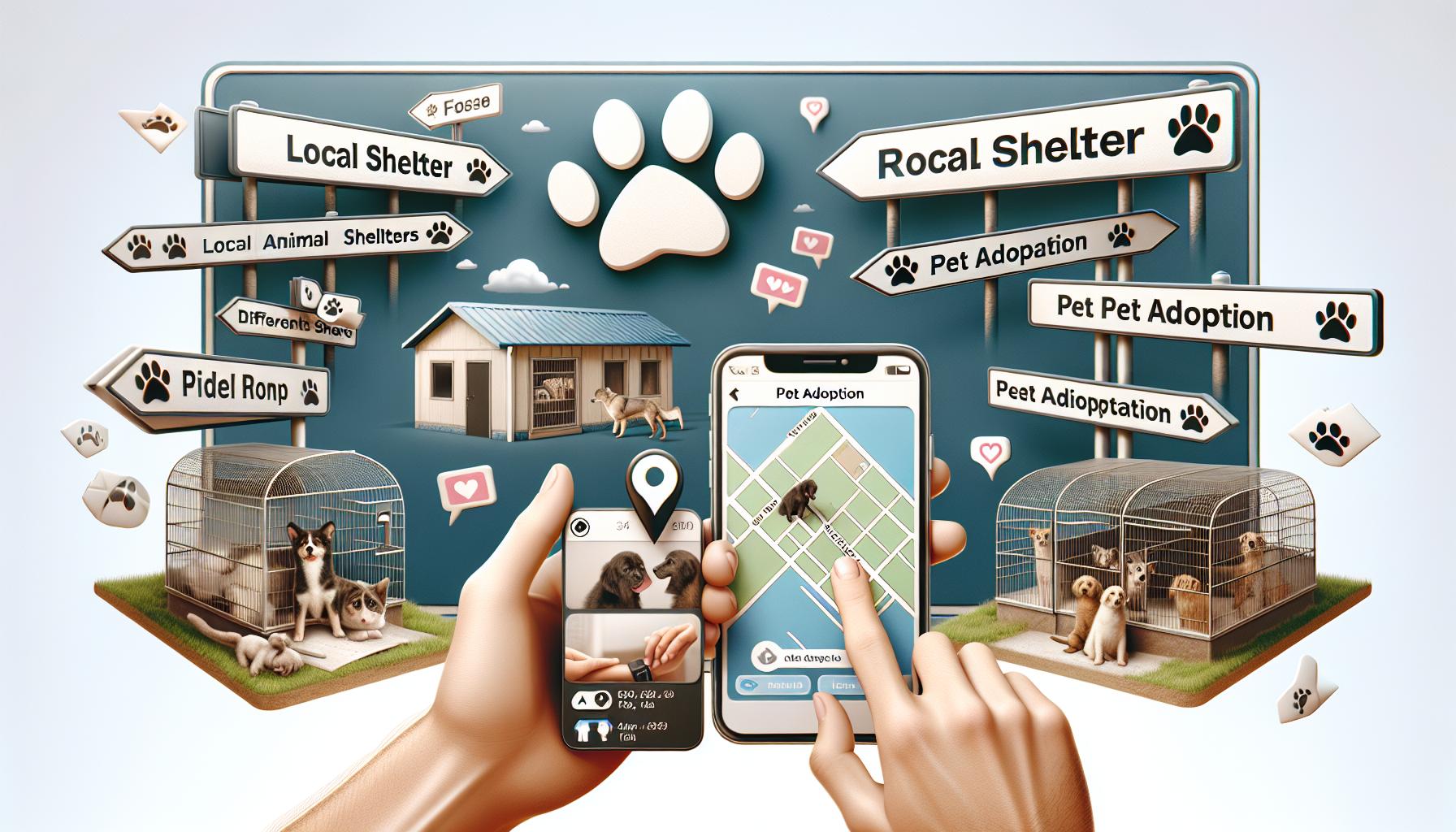
Furthermore, social media allows for the dissemination of practical information about the adoption process itself. Illustrating the steps required—from finding a local shelter to understanding the paperwork—can demystify the process, making it more approachable for those considering adopting a pet. The use of infographics and video tutorials can streamline this information, ensuring that potential adopters have all the resources they need at their fingertips.
In essence, social media serves as a critical gateway for “storytelling” and “engagement” that fosters awareness, highlights community support, and educates individuals about adopting animals. By leveraging these powerful elements, shelters and rescue organizations are forging meaningful connections that lead countless animals into their forever homes.
The integration of social media platforms in the realm of animal adoption has revolutionized how shelters connect with potential pet owners. With over 4.7 billion active social media users worldwide, organizations leverage these networks to share compelling stories and visuals that bring awareness to the plight of animals in need. The accessibility of these platforms enables rescue groups to highlight specific animals with unique attributes, effectively increasing their visibility and attracting a wider audience.
Moreover, social media acts as a community-building tool. By engaging followers through interactive content, shelters can create a loyal volunteer base and foster an environment of support around animal welfare. Users are encouraged not only to adopt but also to share posts, amplifying the message and driving a greater reach. Ultimately, the power of hashtag campaigns can unify efforts, as tags like #AdoptDontShop attract attention and encourage others to consider the benefits of adopting animals in need.
In addition, the use of live videos and virtual meet-and-greets allows potential adopters to connect with animals in a way that was previously unavailable. These formats create emotional connections and foster trust, prompting individuals and families to visit shelters or initiate adoptions online. As social media continues its upward trajectory, the opportunities for enriching animal adoption processes remain endless, with every posted picture or heartwarming story serving as a potential bridge between animals in need and their forever homes.
| Category 1 | Category 2 |
|---|---|
| Awareness Campaigns | Highlighting individual animals and their stories to generate interest. |
| Community Engagement | Building a supportive network through shares and interactions. |
DIVE DEEPER: Click here to learn more
Building Connective Communities
Another significant aspect of social media’s influence on animal adoption is its ability to create connective communities. By establishing a platform for like-minded individuals and organizations, social media fosters a sense of belonging and shared purpose among animal lovers. These communities not only serve as support networks for current pet owners but also act as hubs of information for prospective adopters.
For example, Facebook groups dedicated to specific breeds or animal welfare can connect potential adopters to resources, tips, and fellow advocates. Such groups often share valuable insights, such as recommendations for local shelters or personalized success stories, showcasing the joys of adopting a pet. The communal aspect also amplifies the visibility of adoptable animals; when users share posts within these groups, it can exponentially increase the reach of a shelter’s message.
The Impact of User-Generated Content
A powerful element that further enhances the adoption movement is user-generated content. Pet parents who share their experiences and post photos of their newly adopted companions contribute to an ongoing narrative that highlights the joys and benefits of adoption. This organic promotion can be incredibly persuasive, turning casual observers into potential adopters. For example, a simple hashtag trending on Instagram featuring an adorable snapshot of an adopted dog can lead to a cascade of followers wanting to share in that joy.
Several successful campaigns have emerged that capitalized on user-generated content. One noteworthy initiative is the “#AdoptedAndLoved” campaign, where adopters share photos of their new pets along with a short description of the animal’s journey. This form of collective storytelling not only promotes individual animals but builds a community of adopters who are enthusiastic advocates for the cause.
Influencers and Engagement
The role of social media influencers in animal adoption campaigns can’t be underestimated. Influencers with significant followings who promote adoption can reach far and wide, effectively tapping into diverse audiences. These individuals often have the charisma and engagement skills needed to highlight the virtues of adopting a pet versus purchasing one. By sharing their own experiences, they provide relatable content while simultaneously destigmatizing shelter animals, proving that they can be just as lovable and valuable as those from breeders.
One successful example is the collaboration between well-known influencers and local shelters, where they visit the shelters, meet available animals, and share their impressions online. This tactic not only increases the animals’ visibility but also personalizes the adoption process, encouraging followers to think seriously about bringing home a new pet.
The Role of Live Streaming Events
Leveraging live streaming on platforms like Instagram Live or Facebook Live is another innovative technique that shelters have started using to showcase their adoptable animals. By hosting live events where viewers can see the animals in real-time, shelters create an engaging experience that allows potential adopters to interact with the animals and ask questions. This interactive approach can enhance emotional connections, turning a browsing experience into a more personal one. For instance, a live Q&A session with shelter staff discussing the animals’ personalities and needs can help demystify the adoption process and encourage viewers to take that important first step.
As social media continues to evolve, these various facets—community building, user-generated content, influencer engagement, and live interactions—play an integral role in promoting animal adoption. By harnessing the collective force of these platforms, shelters are not only increasing adoptions but also fostering a culture of compassion and support for animals in need.
DISCOVER MORE: Click here to learn about your dog’s socialization needs
Conclusion: A New Era of Animal Adoption
In conclusion, the role of social media in promoting animal adoption represents a transformative shift in how we connect with and support animal welfare. By building vibrant communities, encouraging user-generated content, enlisting the help of social media influencers, and utilizing interactive live streaming events, platforms like Facebook, Instagram, and Twitter have become powerful tools for driving adoptions and fostering compassion toward animals in need.
The ability of these platforms to amplify stories and experiences is particularly vital in changing perceptions about shelter animals. A growing body of evidence suggests that animals adopted from shelters can not only be just as lovable as those from breeders but may also come with unique and rewarding stories that prospective pet owners can connect with on a personal level. These narratives, often highlighted through user-generated content and influencer endorsements, become compelling avenues for fostering deeper emotional connections between potential adopters and the animals they consider bringing into their lives.
As we move forward, it is essential to continue exploring innovative methods that leverage social media to increase awareness and action for animal adoption. Initiatives that encourage collaborative storytelling, partnerships with influencers, and engaging multimedia content can further enhance this ongoing movement. By tapping into the collective power of digital communities, we can influence significant changes in public attitudes towards adoption and ultimately, give countless animals the loving homes they deserve. The future of animal adoption may very well rest in the hands of those who are willing to share their stories through the vast and interconnected world of social media.