The importance of socialization for dogs’ well-being

Socialization is a vital aspect of a dog’s overall well-being, influencing not just their behavior but also their emotional health and how they interact with the world around them. When dogs are properly socialized, they become more adaptable and can better navigate various environments. This process goes beyond mere exposure; it involves learning to respond positively to new experiences, which can significantly enhance a dog’s quality of life.
Key Benefits of Socialization
- Reduces Anxiety: Exposure to a variety of stimuli makes well-socialized dogs more resilient. For instance, a dog that has experienced bustling public spaces is less likely to panic during a trip to a busy park or a veterinary clinic. These early experiences help form a reassuring framework for navigating the noise and chaos of everyday life, reducing the likelihood of separation anxiety or fear-based reactions.
- Improves Behavior: Dogs that lack socialization can exhibit serious behavioral issues, such as aggression or excessive barking. For example, a dog that has not been socialized with other canines might react negatively out of fear or defensiveness when meeting them. In contrast, socialized dogs tend to play and communicate effectively with other dogs, leading to healthier relationships and reduced cases of misbehavior.
- Builds Confidence: Regularly exposing dogs to different environments, people, and sounds enhances their self-assurance. A confident dog is more likely to explore new situations, whether it’s a dog-friendly café or an unfamiliar hiking trail, fostering a sense of adventure and curiosity that contributes positively to their mental health.
In the United States, where the landscape ranges from urban cityscapes to serene countryside, the significance of socialization is especially pronounced. Dogs that engage with a variety of people, pets, and situations are better equipped for the diverse encounters they will face in everyday life. For example, dogs that interact with children, cyclists, or even different breeds are more likely to develop a well-rounded personality, making them easier companions in varied settings.
Essential Socialization Experiences
- Meeting different people: Inviting friends over or visiting pet-friendly establishments allows dogs to form positive associations with strangers.
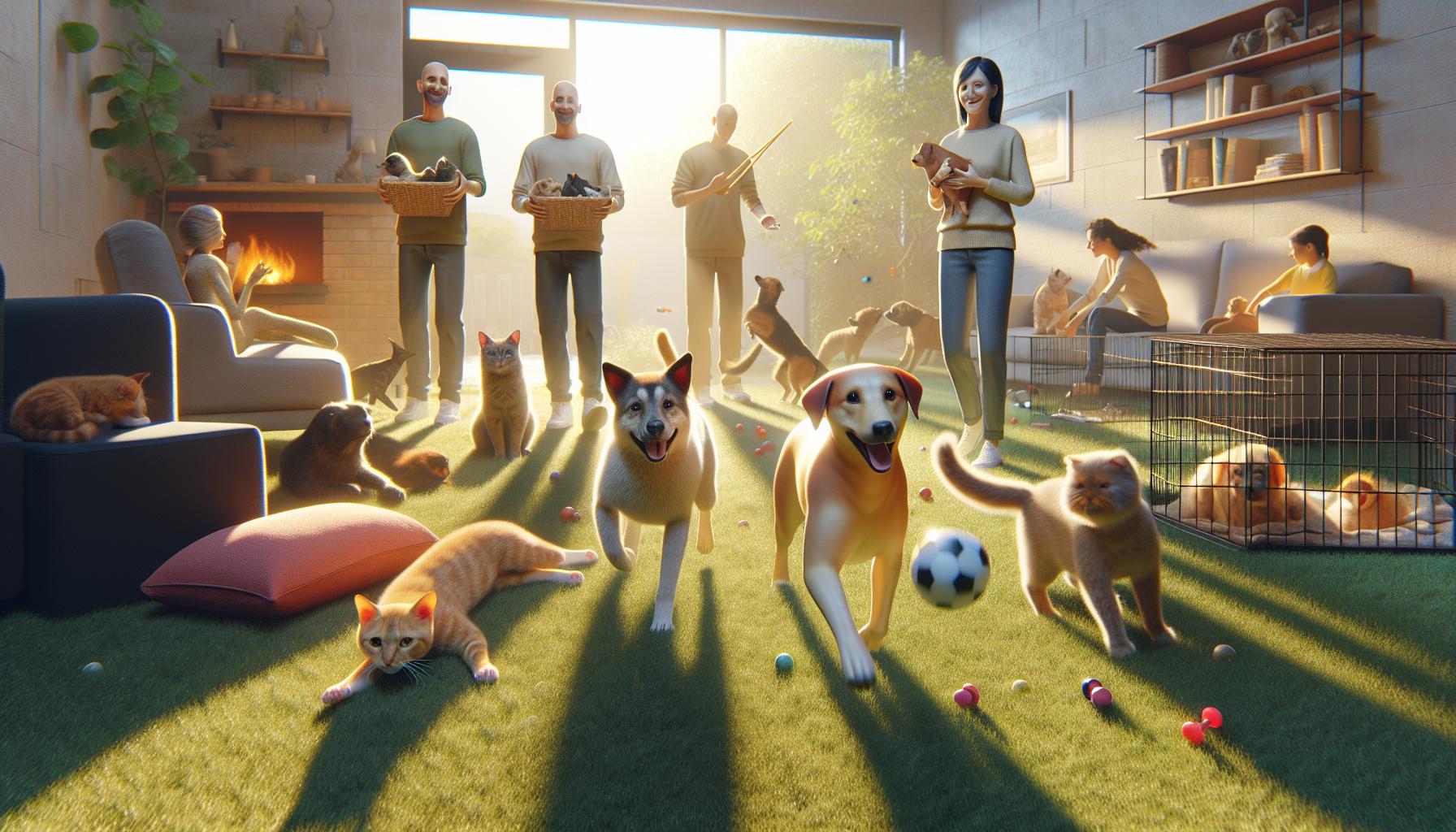
- Interacting with other dogs: Dog parks or training classes are ideal settings for fostering social skills among dogs. Watching how their peers behave can teach them proper play etiquette.
- Exploring new environments: Taking walks in different neighborhoods or visiting markets exposes dogs to various sights, sounds, and smells, dazzling their senses and helping them acclimate to bustling scenarios.
Ultimately, understanding the importance of socialization not only aids in developing a well-rounded dog but also fosters a stronger bond between pets and their owners. As a dog owner, investing time and effort into socializing your animal companion leads to profound insights into enhancing your dog’s life. It also ensures a harmonious coexistence within the community, reducing complaints from neighbors and making public spaces more enjoyable for all. Engaging in socialization activities with your dog is not merely a responsibility; it’s a journey that transforms pet ownership into a deeply enriching experience for both you and your furry friend.
DISCOVER MORE: Click here to learn strategies for managing your dog’s anxiety
The Transformative Impact of Socialization on Dogs
Understanding the significance of socialization in dogs’ lives goes beyond mere training; it encompasses their overall well-being, behavior, and emotional stability. Each positive interaction and experience shapes how dogs perceive the world. Just like humans, dogs are social creatures who thrive in environments where they can engage and build connections. This need for companionship and interaction is pivotal to their development, and socialization plays a crucial role in fulfilling that need.
A well-socialized dog enjoys a multitude of advantages that contribute to a healthier lifestyle. One of the most notable benefits is improved emotional resilience. Dogs often face new situations that can be overwhelming, such as loud noises, unfamiliar people, or sudden changes in their environment. For instance, a puppy exposed to diverse weather conditions, from sunny days to rainstorms, is more likely to handle these changes with grace as they grow. By encountering different weather scenarios while young, they learn that such experiences are normal and not something to fear.
Healthier Relationships
Another significant aspect of socialization is its role in fostering healthy relationships—both with humans and other animals. Dogs that are well-socialized are better equipped to communicate effectively, enabling them to articulate their desires and discomforts through appropriate behaviors. Those whose early experiences included supervised interactions with children are typically more patient and gentle around them. This not only creates a safer environment for kids but also enhances the dog’s own sense of security and belonging.
Furthermore, socialization can directly impact a dog’s adaptive abilities. Dogs who frequently interact with other pets often develop essential skills that aid them in navigating complex social cues. For instance, when young dogs play together, they learn the nuances of taking turns, understanding body language, and even establishing their boundaries. Watching other dogs interact can teach them acceptable behaviors, such as when to be playful and when to retreat.
Long-Term Benefits
The benefits of socialization do not just manifest in young pups but can dramatically affect dogs throughout their lives. Studies have shown that well-socialized dogs tend to exhibit less stress and anxiety when faced with new experiences well into adulthood. This behavioral stability is crucial for dog owners who may want to take their pets along on errands or vacations. A dog accustomed to different situations—be it crowded markets or quiet hiking trails—is less likely to exhibit fear or aggression, making for a more enjoyable outing.
Moreover, dogs that have had enriching socialization experiences tend to respond better to training—all thanks to their enhanced ability to focus and calmness. When dogs are exposed to diverse social settings, it becomes easier for them to follow commands, making the training process smoother and more effective.
In essence, the process of socialization is foundational to a dog’s happiness and adaptability. Owners who prioritize these experiences not only contribute to their pet’s individual growth but also foster a sense of community—ensuring harmonious coexistence in a world filled with diverse interactions.
The Importance of Socialization for Dogs’ Well-being
Socialization is a crucial element in ensuring a dog’s overall well-being. It plays a key role in preventing behavioral issues, enhancing the quality of life, and creating a harmonious bond between dogs and their owners. Dogs that have had positive social experiences are often more adaptable, confident, and less likely to develop fears and anxieties related to new environments or situations.
When dogs are properly socialized, they learn how to interact appropriately with other animals and humans. This enhances their emotional health and reduces stress levels, promoting not just happiness but also physical well-being. A well-socialized dog is often more comfortable during vet visits, grooming sessions, and other activities that can be stressful without prior positive experiences.
Moreover, socialization can lead to better training outcomes. Dogs that have been exposed to various stimuli, people, and environments are usually more receptive to commands and training exercises. This leads to improved behavior in public spaces and a stronger relationship with their owners.
| Advantages of Socialization | Reason Why It Matters |
|---|---|
| Improved Behavioral Skills | Dogs learn the correct ways to interact, reducing aggression and anxiety. |
| Enhanced Adaptability | Socialized dogs adapt better to new environments and situations, leading to happier lives. |
In addition, positive social experiences contribute to overall health and longevity. Engaging with other dogs encourages physical activity, which is essential for maintaining a healthy weight and preventing obesity-related conditions. This not only extends a dog’s lifespan but also enriches their daily experience.
Dog owners should prioritize socialization from a young age, introducing their puppies to various people, animals, and situations. This early training sets the foundation for a well-rounded, confident adult dog. Regular playdates, training classes, and trips to dog parks are excellent ways to foster socialization and ensure that dogs remain well-adjusted members of society.
DISCOVER MORE: Click here to enhance your pet’s playtime!
The Lifelong Learning Journey: Socialization and Cognitive Development
Socialization is not merely a phase in a dog’s early life; it plays a significant role in their cognitive development throughout their entire lifespan. Engaging with various stimuli cultivates a sense of curiosity and intelligence in dogs, which can enhance their problem-solving skills. For example, a dog that routinely encounters diverse scenarios, such as navigating busy streets or exploring different terrains, becomes adept at recognizing patterns and making informed decisions based on their experiences.
Moreover, the cognitive benefits of socialization extend to sharpened senses. Dogs exposed to various environments learn to rely on their instincts to assess situations, whether it’s identifying potential threats or recognizing safe havens. Research indicates that dogs with widespread exposure to different environments demonstrate enhanced visual acuity and spatial awareness, which are crucial for their overall safety and well-being.
The Role of Socialization in Behavioral Management
Socialization can also play a pivotal role in behavioral management. Dogs that lack proper socialization may develop problematic behaviors such as excessive barking, aggression, or separation anxiety. These issues can root from a dog’s fear of the unknown or discomfort in unfamiliar situations. For instance, a dog that has not been exposed to the presence of other dogs may act aggressively out of fear during encounters. Conversely, a well-socialized dog is more likely to respond positively, reducing the likelihood of conflict and promoting peaceful interactions.
Training classes and supervised playgroups offer a structured yet fun environment for dogs to engage with fellow canines under the watchful eye of their owners. Not only do these interactions diminish behavioral issues, but they also promote learning opportunities. Dogs tend to mimic the behaviors of other dogs, learning effective communication tactics and social etiquette through observation and experience. This phenomenon is well-documented; dogs involved in group activities are often more grounded and exhibit fewer signs of anxiety towards novel experiences.
The Emotional and Psychological Dimensions of Socialization
The emotional dimensions connected to socialization are profound, influencing a dog’s mental health. Dogs that enjoy rich social lives are less prone to develop conditions like depression or anxiety compared to those isolated from interaction. Engaging in regular playtime with other dogs can release endorphins, often referred to as “feel-good” hormones, which help alleviate stress and promote happiness. These positive reinforcements foster a sense of accomplishment and satisfaction in dogs, leading to heightened overall morale.
Veterinary behaviorists frequently recommend socialization as a form of preventative care. Dogs that have balanced social experiences are more likely to cope effectively with transitions, such as moving to a new home or welcoming a new family member. As such, socialization can be viewed as an investment in a dog’s long-term psychological resilience. Evidence has shown that dogs exhibiting confidence in their environment tend to enjoy better health outcomes and fewer behavioral issues, resulting in a wealthier quality of life.
Ultimately, the importance of socialization for dogs goes far beyond simple interactions. It lays the framework for emotional health, cognitive enrichment, and manageable behaviors that contribute to a dog’s overall well-being. For dog owners, recognizing and prioritizing the diverse avenues for social engagement is paramount for nurturing well-equipped, happy companions.
DISCOVER MORE: Click here to learn about how nutrition impacts your pet’s behavior
Conclusion: The Comprehensive Benefits of Socialization for Dogs
In closing, the significance of socialization for dogs cannot be overstated; it is a key pillar for ensuring their overall well-being. From cognitive enrichment to behavioral management, socialization influences every aspect of a dog’s life. By engaging with various stimuli and environments, dogs not only develop essential problem-solving skills but also sharpen their instincts, making them more adaptable to the world around them.
Moreover, the emotional and psychological advantages of socialization demonstrate its vital role in fostering mental health. Dogs that are well-socialized are often happier, more confident, and better able to cope with life’s changes. The ability to interact comfortably with other dogs and people significantly reduces the risks of developing anxiety or aggressive behaviors, leading to a harmonious existence for both the pet and owner.
As responsible pet owners, prioritizing socialization through organized training sessions, playdates, and exposure to new experiences is crucial. This commitment not only strengthens the bond between dog and owner but also contributes to a healthier, more balanced canine community. By understanding and emphasizing the importance of social interactions and experiences, we can ensure that our furry companions lead fulfilling lives, rich with emotional and cognitive growth.
Ultimately, let us not view socialization as just an activity to engage in, but as a long-term investment in our dogs’ happiness and health. Through dedicated efforts in promoting social experiences, we can enjoy the profound reward of a thriving, well-adjusted dog by our side.