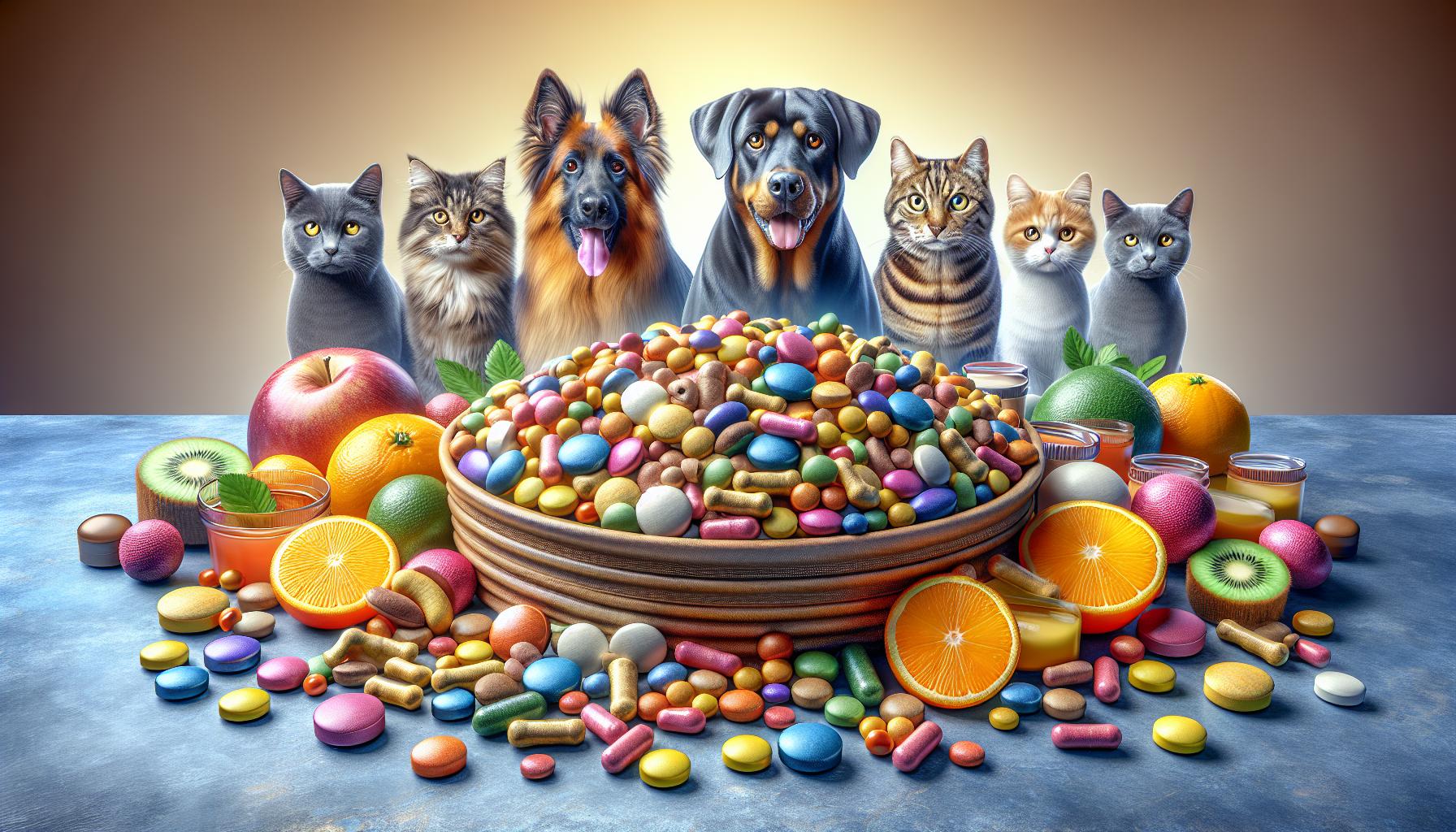
How Diet Affects Pet Behavior

The Influence of Diet on Pet Behavior
Our pets are more than just companions; they are a part of our families. It is both interesting and critical to understand that their behaviors are influenced by a multitude of factors, among which diet plays a crucial role. The food pets consume not only impacts their health but also profoundly shapes their emotional states and interactions with the environment and their human companions. This connection between what they eat and how they behave can empower pet owners to make informed dietary choices that positively affect their furry friends’ overall quality of life.
Positive Effects of Optimal Nutrition
Research has consistently shown that providing pets with the right nutrients can pave the way for a happier and healthier life. Here are a few noteworthy benefits:
- Improved mood – Foods rich in tryptophan, such as turkey and certain fish, can boost serotonin levels. Increased serotonin not only enhances feelings of happiness but may also minimize the risk of depression in pets.
- Increased energy levels – A diet high in protein and fiber can enhance a pet’s stamina and enthusiasm for playtime. Consider lean meats and whole grains which serve as excellent fuel, enabling pets to engage more actively in their daily routines.
- Better behavior – Ingredients like omega-3 fatty acids, found in fish oil, have been shown to help reduce behaviors rooted in anxiety and aggression, promoting a calmer pet who is easier to train and more pleasant to be around.
Consequences of Poor Diet
On the flip side, an unhealthy diet can lead to several significant behavioral and health issues:
- Lethargy – Diets high in sugars and processed carbs often lead to energy spikes followed by crashes, resulting in tiredness and reluctance to engage in play.
- Aggression – Certain food additives, including artificial colors and flavors, have been linked to behavioral problems in pets. Avoiding these can help maintain a more stable temperament.
- Health problems – Obesity, driven by overfeeding or poor-quality food choices, is one of the most pervasive issues in pet health today. It often leads to additional problems such as joint pain and diabetes, which can further exacerbate behavioral issues.
The growing awareness surrounding pet nutrition means more and more pet owners are looking for ways to enhance their pets’ diets. This shift is encouraging, as it opens channels for not only better health but also improved behavior and deeper companionship between pets and their owners. With extensive resources available ranging from veterinary guidance to pet nutrition specialists, it has never been easier for pet owners to embark on this journey. Understanding the intricate link between diet and pet behavior equips owners with the knowledge needed to transform their pets’ lives, unlocking the potential for happier, healthier companions. Explore these nutritional options and discover how small changes can lead to major improvements in your pet’s life.
DON’T MISS OUT: Click here to learn more about why socialization matters for your pets
Understanding the Impact of Pet Nutrition on Behavior
As responsible pet owners, one of the most pivotal decisions we make is what we feed our beloved animals. It’s easy to think of pet nutrition solely in terms of physical health, but the influence of diet extends far beyond mere sustenance. The relationship between diet and pet behavior is intricate and profound, and understanding this connection can lead to more harmonious living environments for both pets and their human families.
Key Nutrients and Their Behavioral Impact
There are various nutrients that specifically contribute to enhancing pet behavior. These essential elements must be included in our pets’ diets to ensure they thrive emotionally as well as physically. Here are some vital components to consider:
- Proteins – High-quality protein sources, such as chicken, beef, or fish, provide amino acids crucial for neurological function. These amino acids help in the synthesis of neurotransmitters which regulate mood and behavior.
- Carbohydrates – While often overlooked, carbohydrates play a significant role in satiety and energy levels. Complex carbohydrates such as brown rice and oats provide stable energy that can prevent mood swings often associated with sugar highs and lows.
- Fats – Omega-3 fatty acids are particularly important for mental health and cognitive function. They support brain development in young pets and assist in reducing anxiety and aggression in adult animals, proving beneficial for both puppies and adult dogs alike.
- Vitamins and Minerals – Micronutrients like vitamins B, C, and E contribute to overall brain health and well-being. Proper vitamin intake can help manage behavioral issues stemming from stress and anxiety.
By ensuring that our pets receive an adequate balance of these nutrients, we set the groundwork for emotional stability and positivity. A well-rounded diet can catalyze improved behavior, leading to fewer instances of aggression and more instances of camaraderie. This is particularly vital in multi-pet households or those with children, where harmonious interactions are essential for a peaceful household.
Behavioral Changes Triggered by Dietary Modifications
When we introduce new dietary practices or adjust existing habits, noticeable changes in behavior can emerge. Transitioning a pet to a healthier food source not only alters their physical health but can also lead to a shift in their behavior patterns. For instance, pets previously fed a diet high in fillers and artificial ingredients may display hyperactivity and irritability. Once these ingredients are swapped for wholesome, nourishing foods, many owners report a drop in aggressive tendencies and an increase in affectionate behavior.
Moreover, the psychological impacts of diet are essential to acknowledge. When a pet is provided with a nutritious and satisfying diet, their overall well-being improves, which fosters trust and a stronger bond with their owners. An investment in proper nutrition is not merely an investment in your pet’s physical health; it is, in fact, a profound enrichment of their emotional landscape.
In the quest to understand how diet affects pet behavior, it is clear that the choices we make impact not just our pets’ health, but their happiness and behavior. With thoughtful dietary choices, pet owners can embark on a rewarding journey that enhances the well-being of their furry companions, creating a closer, happier family bond.
| Dietary Composition | Impact on Behavior |
|---|---|
| High Protein Diets | Often leads to increased energy and playfulness in pets. |
| Low Carb Diets | May contribute to a calmer demeanor, reducing hyperactivity. |
| Omega-3 Fatty Acids | Linked to improved mood and decreased anxiety levels. |
| Balanced Micronutrients | Supports cognitive functions and behavioral stability. |
Understanding the connection between diet and behavior in pets reveals fascinating insights into their mental well-being. For instance, pets receiving a nutrient-rich diet often exhibit increased focus and engagement during training sessions. Moreover, incorporating specific nutrients such as antioxidants can help reduce signs of stress and fear, showcasing how diet is not merely about physical health but also emotional stability.Furthermore, behavioral changes due to diet extend beyond just energy levels. Pets on a balanced diet show improved cognitive function, which is pivotal, especially in older animals. An imbalance in essential nutrients can lead to irritability or lethargy, emphasizing the critical role of dietary choices in not only physical but also mental and emotional aspects of pet behavior. This holistic view on pet diets invites further exploration into personalized nutrition for enhancing pet well-being.
LEARN MORE: Click here for essential dental care tips for your pets
The Role of Feeding Routines and Timing
In addition to the quality of food, the feeding routine and timing play an important role in influencing your pet’s behavior. Just as with humans, pets thrive on structure and predictability. Establishing a consistent feeding schedule can help animals feel more secure and reduce anxiety. Regular meal times create anticipation and can prevent behaviors stemming from hunger-induced irritability.
Effects of Feeding Frequency on Behavior
The frequency of meals can also have behavioral implications. For example, dogs are often fed once or twice a day, which aligns with their natural hunting instincts that favor periods of feast and fast. However, for some pets, especially those prone to anxiety or hyperactivity, more frequent, smaller meals throughout the day may help stabilize their energy levels and maintain a calmer demeanor.
Research has shown that pets fed on a schedule tend to exhibit fewer behavioral problems than those allowed free feeding. Free feeding, where food is available at all times, can lead to obesity and associated health issues, but it can also lead to behavioral challenges such as food guarding and aggression, particularly in multi-pet households. Thus, proper portion control and feeding intervals are crucial elements of shaping a pet’s behavior positively.
The Impact of Treats and Snacks
Another dietary factor that influences behavior is the use of treats. While treats can be an effective training tool and a way to strengthen the bond between pet and owner, indiscriminate snacking can complicate the pet’s behavioral landscape. Treats high in sugar or artificial additives can lead to hyperactivity and unexpected behavioral issues. Conversely, healthful treats, like vegetables or specially formulated bites, can reinforce positive behaviors without the harmful side effects.
Moreover, the concept of food rewards in training is critical. Some studies suggest that pets respond better to training and exhibit improved behavior when the treats given are linked directly to training sessions. By strategically selecting high-quality treats that align with training goals, owners can promote not only better learning outcomes but also a more stable emotional state in pets.
Behavioral Implications of Dietary Allergies and Sensitivities
Understanding how specific ingredients in pet food may lead to dietary allergies or sensitivities is another vital consideration for pet owners. Many pets develop intolerances to certain proteins or fillers, leading to uncomfortable gastrointestinal symptoms or chronic itchiness, which can, in turn, influence their behavior. Pets suffering from discomfort may exhibit mood swings, increased aggression, or anxiety-related behaviors.
Owners should be vigilant about watching for signs of food intolerances, such as excessive scratching, gastrointestinal disturbances, or changes in temperament. Implementing a diet that mitigates these reactions can drastically improve not only a pet’s health but also their behavior. Work closely with a veterinarian to identify any potential allergens and consider hypoallergenic diets if necessary to offer relief and restore peace in your pet’s daily life.
The connection between diet and behavior in our pets is multifaceted and nuanced. By not only prioritizing nutritional quality but also being mindful of feeding routines, treat choices, and allergies, pet owners can create an environment that fosters both well-being and harmonious behavior. As they advocate for better nutrition, they pave the way for happier, more stable furry companions.
DISCOVER MORE: Click here for essential tips on choosing the right organization to adopt a pet
Conclusion: The Lasting Impact of Diet on Pet Behavior
In summary, the interplay between diet and pet behavior is critical for owners aiming to promote well-adjusted and happy companions. As illuminated throughout this article, elements such as nutrition quality, structured feeding routines, the frequency of meals, and the strategic use of treats profoundly influence how pets respond to their environment and interact with their owners.
Moreover, understanding how dietary allergies and sensitivities can shape behavior grants pet owners an added layer of insight that can lead to more effective management of challenging behavior. The symptoms associated with intolerances and allergies can mask as behavioral issues, effectively underscoring the need for a tailored diet that enhances their overall quality of life.
Moreover, regular consultation with a veterinarian about food choices can not only optimize pets’ health but also foster an emotional equilibrium that minimizes anxiety and aggression. As pet owners strive for the best for their furry friends, recognizing the role of nutrition in behavioral outcomes can be transformative. By nurturing their pets holistically and prioritizing diet, framework, and emotional well-being, owners can create an environment that enables pets to thrive in both body and spirit.
In this journey towards understanding the intricate relationship between your pet’s diet and their behavior, continual learning and adaptation will help ensure a fulfilling and harmonious relationship for both you and your furry family member.