How to Tailor Your Pet’s Diet for Different Life Stages

The Significance of Tailoring Pet Nutrition
Understanding your pet’s dietary needs is crucial at every stage of their life. From the energetic puppy to the wise senior, nutrition plays a pivotal role in their overall health and quality of life. Tailoring their diet accordingly can lead to better longevity and vitality. The bond between a pet and its owner deepens not just through companionship but also by ensuring your furry friend receives the right nutrients throughout their lives.
Many pet owners are unaware of how dramatically dietary requirements change as pets grow. Each life stage—puppy, adult, and senior—demands a tailored diet to keep your pet thriving. Here are some key life stages to consider:
- Puppy/Kitten: Puppies and kittens experience a phase of rapid growth and development. Their bodies require a nutrient-dense diet rich in high-quality proteins, fats, and vital vitamins and minerals. For instance, American Kennel Club (AKC) recommends foods specifically formulated for growth, such as those rich in DHA, which support brain development. Pet food brands often include labels indicating these growth-friendly formulations, making selection easier for owners.
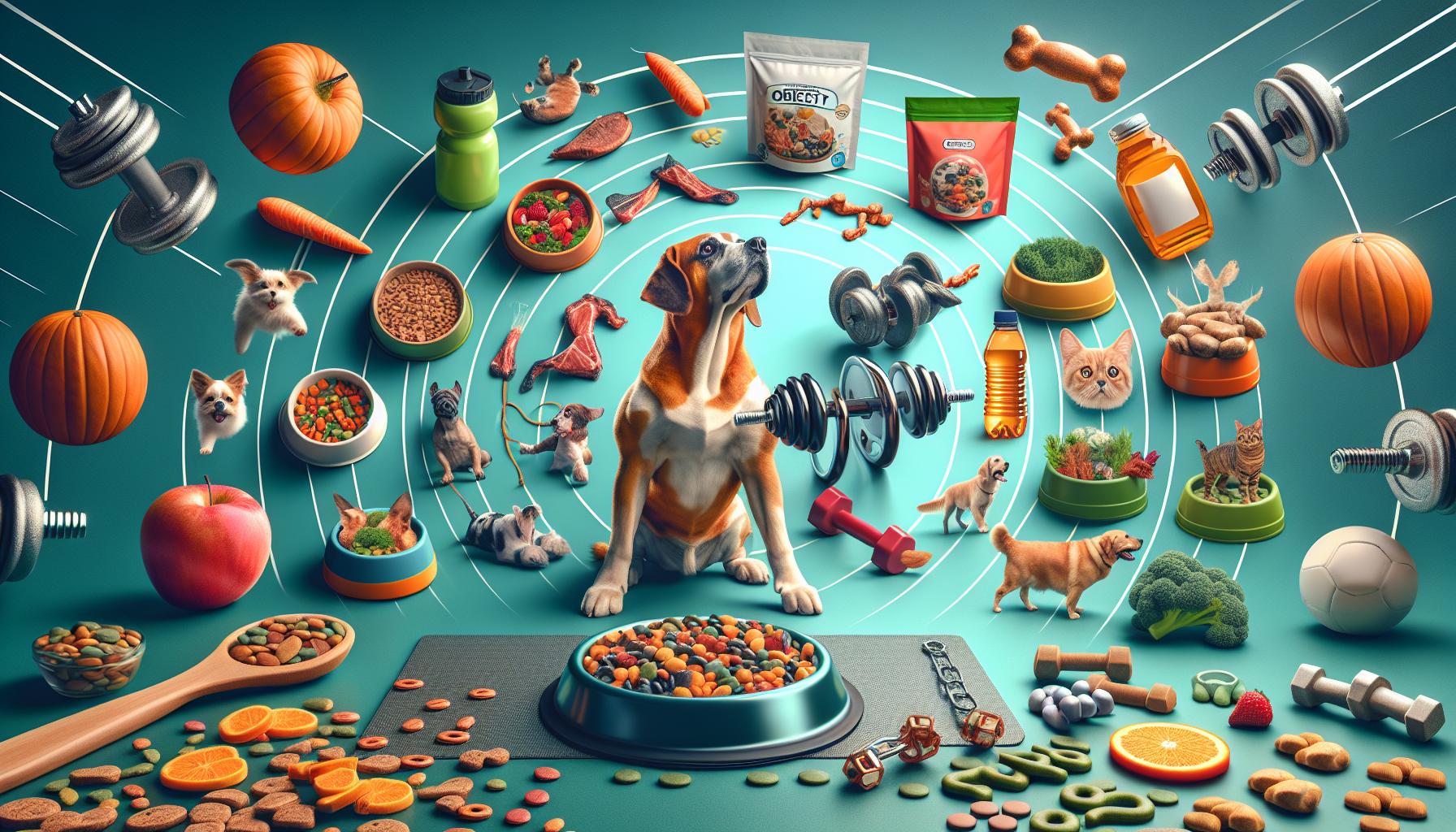
- Adult: As your pet transitions to adulthood, the focus shifts to maintaining a healthy weight and energy levels. This stage can often require a shift to calorie-appropriate diets. The pet may have different needs based on size, breed, and activity level. For example, an active Labrador retriever will require different nutritional inputs than a sedentary Pekingese. Choosing the right adult formula can help manage weight and prevent obesity-related health issues, such as diabetes.
- Senior: Once your pet reaches its senior years, usually around 7 years of age depending on the breed, emphasis on joint health and digestive support becomes essential. The nutritional balance may shift to include glucosamine and omega fatty acids for joint care, as well as high fiber content for digestive health. Many brands offer senior-specific formulas that cater to these changing needs, supporting your pet’s comfort and activity levels as they age.
Each stage has specific nutritional needs that can impact not just growth but also behavior, energy levels, and even their lifespan. For instance, inadequate nutrition in a puppy can lead to behavioral issues stemming from energy imbalances or health concerns like developmental orthopedic disease. It is vital to adjust their diet with age-appropriate formulas and recipes, ensuring that their unique needs are met.
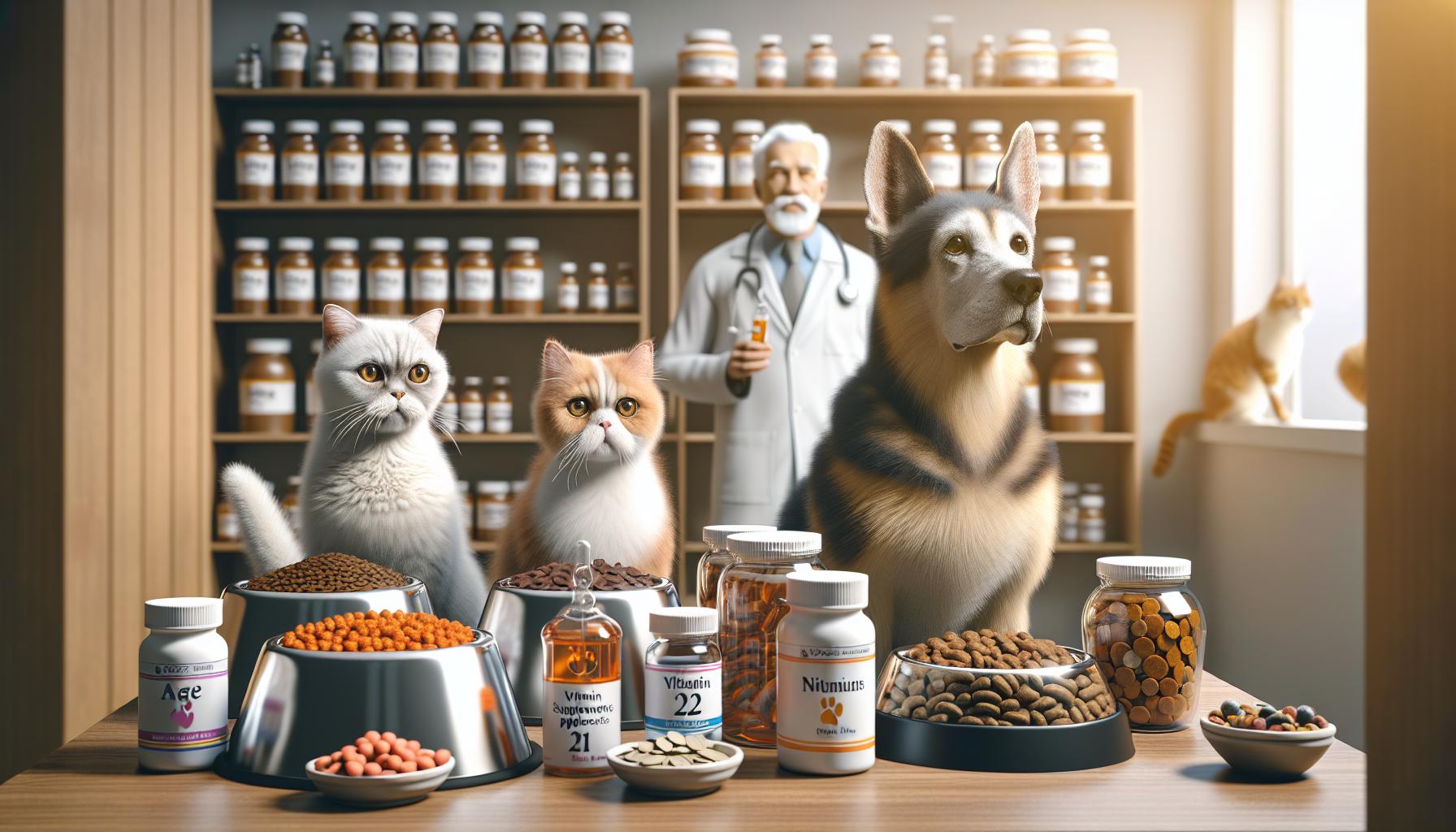
As you navigate your pet’s dietary journey, remember to consult with your veterinarian to identify the right foods and avoid potential pitfalls. Discuss any possible food sensitivities or allergies, which are often overlooked and can lead to serious health repercussions. This will ensure your furry friend remains happy and healthy through all life stages. Discover the importance of adapting their diet as they grow—this knowledge empowers you to make informed choices for your loving companion.
DIVE DEEPER: Click here to learn more
Navigating the Nutritional Needs of Puppies and Kittens
When it comes to the dietary needs of puppies and kittens, the stakes are particularly high. This period of rapid growth isn’t just about achieving the right weight—it’s about laying the foundation for a healthy, active, and vibrant life. Puppies and kittens experience a critical development phase that necessitates a carefully considered diet rich in essential nutrients. Not only do they require high-quality protein for muscle growth and energy, but they also need adequate levels of fats for brain and vision development.
Brands specifically formulate puppy and kitten food to include an optimal balance of calcium and phosphorus to support healthy bone growth. Look for ingredients like real meat and fish as primary sources of protein. It’s essential to avoid fillers and artificial preservatives, which not only lack nutritional benefit but can also be hard on a young pet’s digestive system. In this stage, a diet that contains adequate amounts of DHA (docosahexaenoic acid), found in fish oils, can aid in cognitive development, setting your pet up for success both physically and mentally.
Key Nutritional Considerations for Young Pets
As you embark on this crucial phase of your pet’s life, pay attention to the following dietary elements:
- Protein: Essential for growth and development, select foods that list a specific meat source, such as chicken, lamb, or fish, within the first few ingredients.
- Fats: Healthy fats are vital for energy and brain health. Look for sources like fish oil or chicken fat.
- Vitamins and Minerals: Key for immune support and overall health; vital additions include calcium, phosphorus, and micronutrients like zinc and vitamin E.
- Digestibility: Young pets have sensitive stomachs; choose easily digestible proteins and consider foods with added probiotics for gut health.
As puppies and kittens grow, their feeding schedules should also adapt. Typically, younger pets require more frequent meals to accommodate their high energy needs and rapid metabolism. Feeding them multiple times a day—twice or even three times for babies—can help sustain their energy levels and prevent overeating.
Transitioning to Adult Diets
As your pet approaches adulthood, approximately between 6 to 12 months depending on the breed, it’s time to begin transitioning to an adult diet. This change is not merely about calorie count; it’s about tailoring their nutritional intake based on their unique lifestyle and needs. Active breeds may require higher calorie foods, while less active pets benefit from a diet designed to prevent obesity.
The transition should be gradual—mixing the new adult food with their current puppy food over 7 to 10 days—to avoid gastrointestinal upset. This adult stage brings a focus on maintaining not just weight but also energy levels and overall health, making it vital to determine the right balance for your particular pet’s requirements.
In summary, understanding and navigating the evolving dietary needs of your pets during their early life stages is crucial in setting them up for lifelong success. By providing a balanced diet tailored to their growth and activity levels, you’ll not only support their physical health but also contribute to a deeper, more rewarding bond with your furry companions.
| Life Stage | Dietary Considerations |
|---|---|
| Puppy/Kitten | High calorie & protein; essential for growth. |
| Adult | Balanced diet; maintains healthy weight and energy. |
| Senior | Lower calories; added joint support with omega fatty acids. |
In understanding how to tailor your pet’s diet for different life stages, it’s critical to recognize the unique nutritional needs that evolve from puppyhood to senior years. Each phase of your pet’s life brings distinct challenges and requirements, ultimately influencing their overall well-being.Starting with puppies and kittens, their rapid growth necessitates a high-calorie diet rich in proteins and essential nutrients. These young animals are akin to sponges, capable of absorbing nutrients that promote healthy development and sustained vigor. As they transition into their adult years, the focus shifts to balancing nutrition with maintaining an ideal weight and energy levels to support an active lifestyle. The idea here is to prevent obesity while ensuring they have the vitality to thrive. As pets reach their senior phase, dietary adjustments become paramount; they often experience reduced energy needs and may benefit from diets enriched with joint-supporting nutrients, such as omega fatty acids. These adjustments not only accommodate their changing physiology but also help ameliorate age-related issues, ensuring quality of life during their golden years. Each stage of life is crucial, and tailoring your pet’s diet is fundamental for fostering longevity and health.
DISCOVER MORE: Click here to learn about choosing the right pet adoption resources
Adapting Diets for Senior Pets
As pets reach their golden years, typically starting around 7 years of age for dogs and 8 to 10 for cats, it becomes crucial to reconsider their dietary needs. Senior pets undergo various physiological changes that can affect their metabolic rate, activity levels, and overall health. With these changes in mind, it’s essential to tailor their diet to maintain their quality of life and combat potential health issues, such as obesity, arthritis, and kidney disease.
Senior pet foods are specifically formulated to provide lower calorie content while maintaining nutritional density. These diets often have higher fiber levels to aid digestion and promote weight management, allowing pets to feel fuller without the excess calories. Additionally, they typically contain tailored protein levels to support muscle maintenance. As pets age, preserving lean muscle mass becomes vital to support their mobility and reduce the risk of injury.
Essential Nutritional Adjustments for Aging Pets
When adjusting your senior pet’s diet, consider these key factors:
- Reduced Calories: Look for adult or senior formulas that provide fewer calories but still include high-quality protein sources to minimize the risk of obesity.
- Joint Support: Ingredients such as glucosamine and chondroitin can aid in joint health. These supplements are essential for maintaining mobility and reducing discomfort.
- Antioxidants: Foods enriched with vitamins C and E, as well as selenium, can help combat oxidative stress and support immune health.
- Hydration: The older pets may have a diminished ability to concentrate urine, thus leading to dehydration. Incorporating wet food or encouraging more water intake is vital.
Monitoring your senior pet’s weight and body condition becomes increasingly important. Regular check-ups with a veterinarian can help assess any shifts in health and tailor nutrition accordingly. Remember, weight management is not only about what your pet eats but also about managing portion sizes and preventing overindulgence, especially from human food or treats.
Specific Dietary Needs for Unique Health Conditions
Beyond age, certain health conditions require special dietary considerations as well. Conditions such as diabetes, renal disease, or allergies can drastically change your pet’s nutritional requirements. A veterinarian is indispensable for designing a suitable diet to address these challenges.
For instance, pets with diabetes typically require a high-fiber diet to help regulate blood sugar levels. There are many commercially available diets geared toward diabetic pets. Conversely, a dog or cat suffering from kidney disease may benefit from a special diet low in protein but enriched with omega-3 fatty acids and other nutrients to support kidney function.
Working with Your Veterinarian
Consulting with a veterinarian is crucial when considering specialized diets for health conditions. The vet can recommend foods specifically suited for your pet’s age and health status. They may also suggest supplementation like omega-3 fatty acids for skin health or specific vitamins that promote overall wellness.
Every pet is unique, which means tailoring their diet to their individual needs can make a difference in their health and well-being. By remaining observant and open to adjustments, you can help ensure your pet thrives through every stage of life.
LEARN MORE ABOUT PET CARE: Click here
Conclusion
Understanding how to tailor your pet’s diet for different life stages is a vital component of responsible pet ownership. As your furry companion transitions from a playful puppy or kitten to an active adult and eventually into their senior years, their nutritional needs will evolve significantly. By recognizing these changes and adapting their diet accordingly, you can enhance their health and well-being at every stage of life.
Throughout this journey, it’s clear that each life stage brings unique dietary requirements. From the high-energy needs of puppies requiring essential nutrients for growth to the calorie-controlled diets necessary for senior pets, the right nutrition plays a crucial role in supporting a long and healthy life. Additionally, pets with specific health conditions necessitate even more careful dietary planning. Consulting a veterinarian is imperative to tailor diets that address these needs while ensuring optimal nutrition.
Your attention to the nuances in your pet’s dietary needs will not only promote their physical health but also increase their vitality, happiness, and longevity. Remember, before making any significant changes to your pet’s diet, it’s prudent to assess their overall health, lifestyle, and preferences. Stay observant, seek expert guidance, and together, you and your beloved pet can navigate through their various life stages with well-planned, nourishing meals that keep tails wagging and purrs rumbling for years to come.