Menu

Positive Reinforcement Training for Dogs: Techniques and Benefits

Positive reinforcement training for dogs is a humane and effective method that uses rewards like treats and praise to encourage desired behaviors. This technique fosters strong bonds, reduces anxiety, and enhances learning. By focusing on positive experiences, owners cultivate well-mannered, confident companions while promoting lifelong learning and better communication.

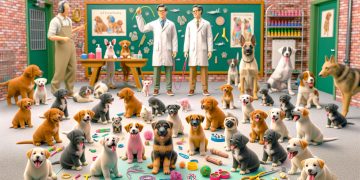
Socialization Techniques for Puppies: Building Confidence and Good Behavior

Effective socialization techniques for puppies are essential for developing their confidence and ensuring good behavior. By exposing them to diverse environments, interactions with various animals and people, and utilizing positive reinforcement, owners can foster well-adjusted dogs ready to navigate life's challenges successfully. Consistency and patience are key to this rewarding journey.

Behavior Modification Techniques for Anxious Pets: Strategies for a Calmer Home

Discover effective behavior modification techniques for anxious pets, including positive reinforcement, desensitization, and routine establishment. By recognizing signs of anxiety and implementing calming strategies, pet owners can create a serene environment, enhancing their pets' emotional well-being and strengthening the bond through patience and understanding.

The Impact of Supplements on Pet Health: Do They Really Make a Difference?

The article explores the role of supplements in pet health, examining their potential benefits and risks. It highlights popular options like omega-3 fatty acids and probiotics, while emphasizing the need for veterinary guidance. Informed decision-making is crucial as pet owners consider the impact of supplements on their pets' well-being.

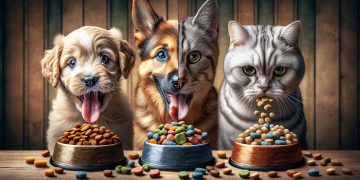
Natural vs. Commercial Pet Foods: What’s Best for Your Cat?

Choosing the best diet for your cat involves weighing the benefits of natural versus commercial pet foods. Natural options emphasize whole ingredients and ethical sourcing, while commercial brands offer convenience and balanced nutrition. Understanding your cat's unique needs will help you make an informed decision for their health and happiness.

How to Tailor Your Pet’s Diet for Different Life Stages

Tailoring your pet's diet to their life stages is essential for optimal health. Nutritional needs evolve from the rapid growth of puppies and kittens to the balanced diets for adults and specialized foods for seniors. Consulting with a veterinarian ensures your furry friend receives the right nutrients at every age.

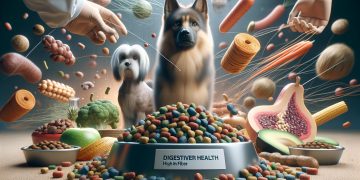
The Influence of Fiber on Digestive Health in Dogs and Cats

Fiber is essential for the digestive health of dogs and cats, promoting regular bowel movements, preventing constipation, and supporting gut bacteria. By incorporating various fiber sources into their diets, pet owners can enhance their pets' overall well-being and prevent digestive disorders, ensuring happier, healthier lives for their furry companions.


The Role of Protein in Your Dog’s Diet: Understanding Nutritional Needs

Protein is essential in your dog's diet, supporting muscle development, immune function, and coat health. High-quality protein sources, tailored to your dog's age and activity level, ensure proper nutrition. Balancing protein with other nutrients like fats and carbohydrates optimizes your dog's overall health and vitality.

Training for Special Needs Pets: Tailoring Techniques to Improve Learning and Adaptation

Training special needs pets requires understanding their unique challenges and tailoring techniques to enhance learning and adaptation. By utilizing positive reinforcement, assistive tools, and individualized strategies, pet owners can foster better communication, boost confidence, and improve the overall quality of life for these cherished companions.

Clicker Training: A Step-by-Step Guide for Effective Pet Communication

Clicker training is an effective method for enhancing communication and behavior in pets. By using a clicker to mark desired actions, pet owners can create a rewarding learning environment. This positive reinforcement technique fosters stronger bonds, promotes engagement, and supports the training of various commands for pets of all types.