
Socialization Techniques for Puppies: Building Confidence and Good Behavior
Understanding Puppy Socialization
Welcoming a puppy into your home can be one of the most joyous times in a pet owner’s life. Yet, it also comes with its fair share of challenges, as every new puppy requires time, patience, and a solid understanding of effective socialization techniques. Socialization is critical for ensuring a well-rounded canine companion, one that can confidently navigate the complexities of daily life.
Socialization should start as early as possible, ideally between the ages of 3 to 14 weeks, when puppies are particularly receptive to new experiences. Socialization involves exposing your puppy to a variety of experiences, people, and environments. Here are some key components:
- Exposure to different environments: Take your puppy to parks, busy streets, and pet-friendly stores. The hustle and bustle of these settings can help your puppy acclimate to various sounds, sights, and smells they will encounter throughout their lives.
- Interactions with people: Arrange for your puppy to meet family members, friends, and even strangers of various ages and backgrounds. This diversity helps teach your puppy that not all people are a threat, promoting positive association with human interaction.
- Encountering other animals: Socialization isn’t just about humans; it also includes meeting other pets. Whether it’s other dogs at a puppy class or friendly neighborhood cats, these encounters help your puppy learn the social norms of canine behavior.
Engaging your puppy in these experiences not only boosts their confidence but also significantly reduces the likelihood of behavioral issues in the future. A well-socialized puppy is more likely to engage positively in training settings, making learning essential commands more manageable for both pet and owner.
Moreover, finding the right balance in social interactions is crucial. Overwhelming your puppy with too many new experiences can lead to anxiety or fearfulness. Conversely, restricting their exposure to new stimuli can hinder their ability to adapt as they grow. Gradually increasing the complexity and volume of experiences allows for a structured yet flexible approach to socialization.
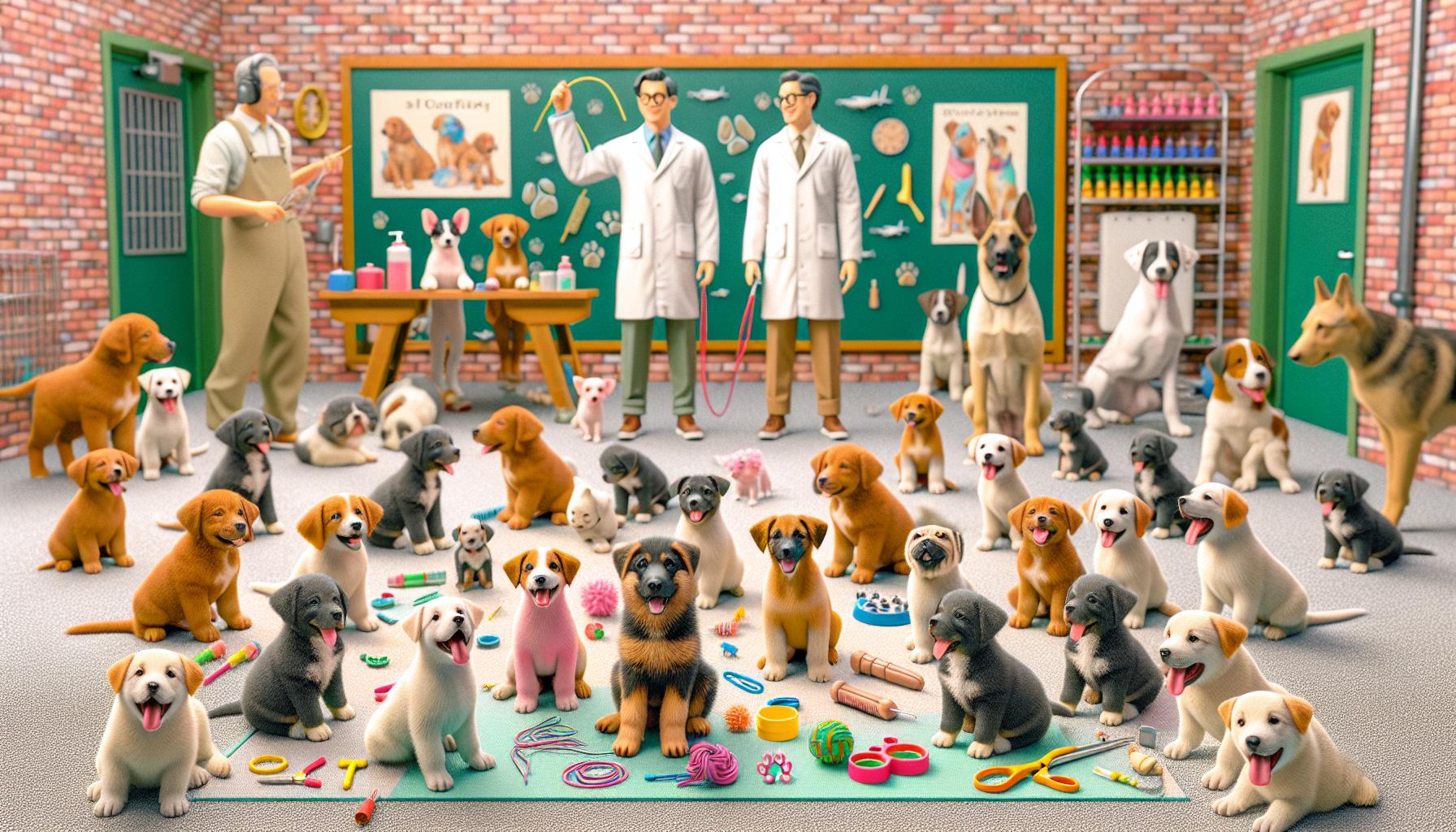
Consider enrolling your puppy in a good puppy training class, which not only facilitates learning commands but also sets the stage for safe and controlled interactions with other dogs. One might also frequent pet-friendly venues and engaging in community events centered around pets. Each positive encounter provides the building blocks for a well-adjusted, confident adult dog.
As you embark on the journey of puppyhood, remember that every encounter provides an opportunity for growth—both for your puppy and for you as a responsible pet owner. It’s all part of raising a happy, healthy dog that fits seamlessly into your world.
LEARN MORE: Click here for essential tips on preparing your home for a pet
Essential Socialization Techniques
Successful puppy socialization is not a one-time event but rather an ongoing journey that requires thoughtful planning and execution. To truly cultivate a puppy that is confident and exhibits good behavior, pet owners must employ various socialization techniques. These strategies not only promote positive associations with their environment but also lay the groundwork for a well-behaved adult dog. Below are some essential techniques to consider:
- Controlled Playdates: Arrange for your puppy to engage in playdates with well-behaved adult dogs and other puppies. Observing older dogs can provide valuable lessons about canine etiquette, including bite inhibition and proper body language. Just ensure these encounters are supervised to avoid overwhelm.
- Positive Reinforcement Training: Incorporate reward-based training methods during socialization. Use treats, praise, and affection to reinforce desired behaviors as your puppy encounters new experiences. This technique not only builds a positive association but also strengthens your bond with your puppy.
- Gradual Exposure: Start with short and gentle introductions to new experiences, slowly increasing the intensity and duration over time. This method allows your puppy to process each encounter without becoming overwhelmed. Whether it’s encountering new sounds like sirens or the hustle of city life, gradual exposure is key.
- Visits to Pet-Friendly Venues: Frequent dog parks, pet boutiques, and animal events where dogs are welcome can significantly enhance your puppy’s comfort level with various situations. These local outings provide opportunities for socialization and help puppies learn how to behave in public spaces.
- Handling Exercises: Encourage your puppy to accept gentle handling by regularly checking their paws, ears, and mouth. Making this a fun experience with treats and praise helps your puppy become accustomed to being touched, which is vital for vet visits and grooming.
These socialization techniques not only assist in building your puppy’s confidence but also improve their social skills and ability to cope with new situations. Puppies that undergo thorough socialization are less likely to develop behavioral issues such as fear, anxiety, and aggression as they grow.
Furthermore, it’s essential for new puppy owners to understand the importance of a well-structured socialization plan. Just as a child learns to navigate the complexities of society through interaction, your puppy needs consistent and varied experiences to learn appropriate responses. By providing a robust mix of social opportunities, from structured training environments to spontaneous adventures, you can set a strong foundation for a balanced adult dog.
In addition to introducing your puppy to new sights and sounds, consider the role of different textures and surfaces in their environment. Exposing your puppy to various surfaces, such as grass, concrete, and gravel, can further demystify the world around them. This holistic approach covers not just the social aspect but the physical as well, yielding a well-rounded canine companion ready to engage confidently with the world.
| Socialization Technique | Advantages |
|---|---|
| Exposure to Various Environments | Helps puppies adapt to new situations, reducing anxiety and fear behaviors. |
| Positive Reinforcement Training | Encourages good behavior while building a strong bond between owner and puppy. |
| Playdates with Other Dogs | Promotes social skills, teaching puppies how to communicate effectively with peers. |
| Controlled Exposure to People | Teaches puppies to interact confidently, minimizing fear of strangers. |
| Variety of Sounds and Sights | Acclimates puppies to everyday noises, helping them to not be easily startled. |
Socialization techniques for puppies are vital in shaping their behavior and confidence. By utilizing these varied techniques, you can ensure a well-adjusted and well-mannered dog. The first advantage of exposing puppies to various environments is that it equips them to tackle the unexpected with poise. Additionally, through positive reinforcement training, a puppy not only learns desirable behaviors but also strengthens the bond with their owner. Furthermore, arranging playdates with other dogs facilitates meaningful interactions, enabling puppies to communicate through play. Controlled exposure to different people can enhance their comfort levels with strangers, crucial for social harmony. Lastly, familiarizing them with diverse sights and sounds will prepare them for the hustle and bustle of everyday life, allowing them to thrive in our world. Understanding and applying these socialization techniques is essential for nurturing confident and well-behaved puppies.
DISCOVER MORE: Click here to learn how to prepare your home for a pet
Exploring New Environments
One of the most impactful aspects of socialization for puppies involves exploring different environments. Puppies are naturally curious creatures, and taking advantage of this curiosity can significantly enhance their adaptability and confidence. Organized field trips to various settings, such as parks, urban areas, and rural environments, allow your puppy to encounter diverse stimuli. These experiences not only introduce them to different sounds, sights, and smells but also teach them how to respond appropriately in varying contexts.
Urban Adventures
Incorporating urban walks into your puppy’s routine is particularly beneficial. Cities are bustling with life—the sounds of cars, the chatter of pedestrians, and unexpected noises like sirens. By exposing your puppy to these urban experiences in a controlled manner, you can help them develop a level of comfort and confidence in busy settings. Start with quiet times and gradually work up to busier streets. This gradual transition prevents overwhelming your puppy and helps them learn how to navigate urban landscapes.
Integrating Other Animals
Socialization isn’t limited to just dogs. In fact, exposing your puppy to a variety of other animals can enrich their social skills. Try arranging meet-ups with cats, rabbits, and even farm animals if accessible. This exposure teaches your puppy to interact with different species, thereby moderating any potential prey drive they may develop. It’s crucial to oversee these interactions closely, ensuring that they remain positive and non-threatening.
Group Training Classes
Consider enrolling your puppy in group training classes. Such environments provide structured socialization settings under professional guidance. Not only does this teach your puppy basic commands and manners, but it also allows for supervised interactions with other puppies. This setting is ideal for establishing a foundation of good behavior, as trainers can offer immediate feedback on your puppy’s conduct, addressing any concerns in real-time.
Exposure to Different Ages
Incorporating experiences with individuals of various ages is equally important. Allow your puppy to interact with children and adults, as the energy and behavior will vary significantly. Teaching your puppy to behave appropriately around lively children or calm adults helps establish good manners and reduces the likelihood of fear-based responses later in life. Always ensure that these introductions are positive, so your puppy builds trust and comfort around people of all ages.
Utilizing Positive Experiences
Throughout these socialization journeys, it’s vital to recognize and reward positive experiences. Carry treats or toys to create rewarding encounters. If your puppy reacts positively to a new experience or calmly navigates an overwhelming situation, reinforce that behavior with praise or a favorite snack. This not only encourages good behavior but also solidifies your bond with your puppy, creating a happy, safe space for exploration.
Embracing a variety of experiences within your puppy’s socialization plan is crucial for nurturing a confident and well-adjusted adult dog. By continuing to introduce them to new environments, interactions, and stimuli, you’re providing the tools they need for a lifetime of good behavior and social fluency. Each outing and new experience contributes to their development, making the world a less daunting place as they grow.
DISCOVER MORE: Click here to enhance your pet’s mental agility
Conclusion: The Path to a Confident Canine
In summary, socialization techniques for puppies play a vital role in shaping their development and ensuring they grow into well-behaved, confident dogs. Through structured exposure to varied environments, interactions with different animals, and engagement in group training classes, you can build a solid foundation for your puppy’s social skills and good behavior. Each experience contributes to their ability to adapt to diverse settings, reducing anxiety and fear-based reactions as they mature.
It’s also essential to recognize the impact of positive reinforcement in the socialization process. By celebrating their achievements and fostering rewarding encounters, you cultivate a trusting relationship between you and your pup. This connection not only enhances their learning experience but also instills a sense of security that will benefit them throughout their lives.
As you embark on this essential journey with your puppy, remember that patience and consistency are your greatest allies. Investing time and effort into their early socialization yields long-term benefits, paving the way for a well-adjusted adult dog that can comfortably navigate the complexities of human and animal interactions. Ultimately, the techniques you employ will not only enhance your puppy’s confidence but also enrich the bond you share. With dedicated socialization, you are setting the stage for a happy, harmonious life together.