
Tips for Preparing Your Home for an Adopted New Pet
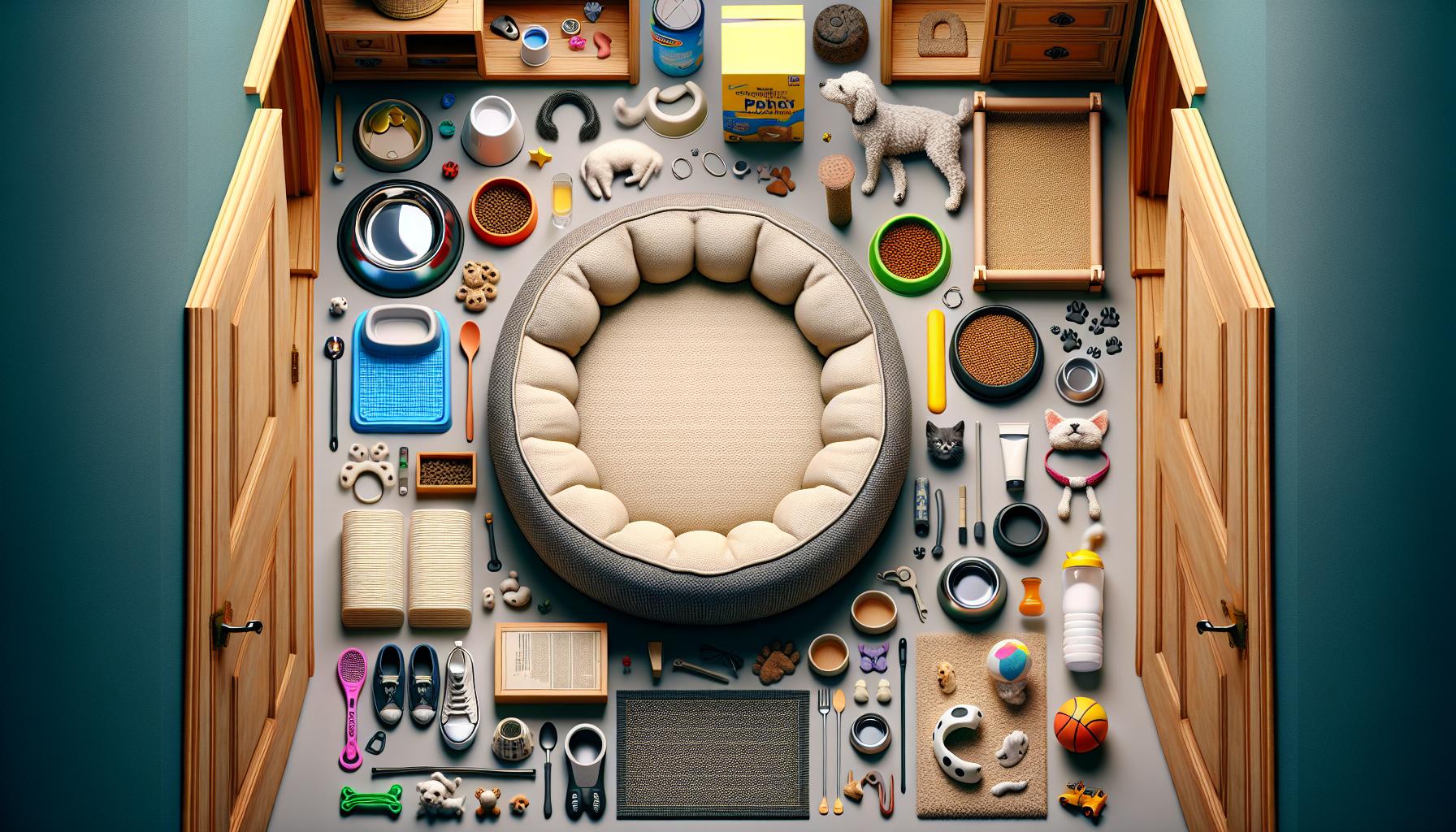
Preparing Your Home for a New Pet
Bringing a new pet into your household is a joyous occasion that can enrich your life in numerous ways. Yet, before that wagging tail or gentle purr becomes a part of your daily routine, careful planning is essential to ensure both your comfort and that of your soon-to-be companion. A well-prepared environment sets the stage for a positive relationship and helps your new family member adjust to their new home smoothly.
One of the first steps in this preparation is pet-proofing your living space. Animals, especially young ones, tend to be curious and can easily find themselves in precarious situations. Look around your home for potentially hazardous items. Secure loose wires, remove toxic plants, and safeguard household cleaners and medications in high cabinets. You may want to consider using baby gates to restrict access to certain areas. An additional tip is to keep small objects that could be swallowed, such as coins or small toys, out of reach.
Next, it is vital to designate a specific area where your new pet can feel safe and comfortable. This could be a cozy corner in your living room or a quiet space in a bedroom. Set up this area with a soft bed or blanket, some toys, and access to water. Creating this sanctuary gives your pet a sense of security during what can be a stressful transition. It is also beneficial to limit their initial roaming space as they acclimate to their new environment.
Equipping yourself with the right essential supplies is another important step. Ensure you have high-quality pet food suited to your animal’s age and breed, a suitable collar and leash, toys for stimulation and interaction, and, if applicable, a litter box for cats. Consider purchasing treats that can be used for training and bonding. Researching reputable brands and products can lead you to find items that are safe and beneficial for your new furry friend.
Lastly, researching local veterinarians and pet services is crucial for any immediate medical needs. Look for vet clinics nearby that have good reviews and a reputation for nurturing care. Also, consider finding a local pet supply store that can be a convenient resource for ongoing needs. Establishing a connection with a veterinarian before your pet’s arrival ensures that you’re prepared for routine check-ups, vaccinations, or any unexpected health issues that may arise.
Each of these preparations contributes significantly toward creating a nurturing home environment for your new pet. Understanding the behavioral needs of your pet type—whether it be a dog, cat, or other—will allow you to cater to their emotional comforts, enhancing their adaptation process. By following these tips, you pave the way for a successful and enriching relationship with your newly adopted companion.
In subsequent sections, we will explore practical tips in greater depth, focusing on how to maintain a safe, loving, and enjoyable environment for your new family member.
DISCOVER MORE: Click here for vital pet care tips
Creating a Safe and Welcoming Environment
When adopting a new pet, one of the most impactful decisions you can make is to create a secure and welcoming environment that caters to your new friend’s needs. This process not only involves physical preparations but also emotional considerations that will make your pet feel loved and wanted. Let’s explore some essential tips to ensure your home is ready for your new addition.
Designing Your Pet’s Living Space
As mentioned earlier, designating a specific area for your new pet is a fundamental part of the preparation process. This space should ideally be away from the hustle and bustle of your home, allowing your pet a safe retreat whenever they feel overwhelmed. Consider placing their bed and toys in this area, along with a food and water bowl. Familiarity with their surroundings is critical to building confidence.
To set up the perfect living space, consider the following:
- Comfort: Use bedding that is warm and supportive. Animals, especially older ones, will appreciate a cozy spot.
- Temperature: Ensure the area is not too cold or drafty, as pets are sensitive to temperature changes.
- Stimulation: Include engaging toys and even a scratching post or climbing structure for cats to alleviate boredom.
Establishing a Routine
Another significant aspect to consider is establishing a routine for your pet. Animals thrive on predictability, so creating a consistent feeding, exercise, and bathroom schedule will help them adjust more smoothly. Aim to feed your pet at the same times each day to develop a sense of stability and also set aside time for play and exercise. Whether it’s a daily walk for dogs or interactive play for cats, these activities foster bonding and contribute to good mental health.
Understanding Your New Pet’s Needs
Different pets have unique requirements. Take time to research specific needs based on the type of animal you are adopting. For instance, dogs often require more social interaction and outdoor time, while cats may need quieter spaces and opportunities to climb and explore. Familiarizing yourself with their breed and behavioral characteristics will not only help in crafting an appropriate environment but also build a stronger connection. You might also consider engaging with local pet groups or forums, where pet owners share their experiences and tips tailored for particular breeds.
Lastly, remember that patience is essential. Every new pet needs time to adjust to their new surroundings and may display anxiety or stress in the beginning. Providing a calm atmosphere and remaining observant of their behavior will go a long way in nurturing their trust and comfort.
By focusing on how to create a safe, comfortable, and stimulating environment, you can lay the groundwork for a loving relationship with your new pet. Each step you take toward preparing your home will contribute to your pet’s happiness and well-being, making the transition smoother and more enjoyable for both of you.
Tips for Preparing Your Home for an Adopted New Pet
One of the fundamental aspects to consider when welcoming a new pet into your home is creating a safe and comfortable environment. Start by identifying potential hazards within your living space. For example, secure loose electrical cords and remove small objects that could be ingested. Additionally, ensure that harmful household substances such as cleaning products, plants toxic to pets, and medications are stored out of reach.Alongside safety, establishing a designated space for your pet can help them acclimate more easily. A quiet corner furnished with a cozy bed, food and water bowls, and toys can create a sanctuary for your new furry friend. Be sure to choose items made from safe, non-toxic materials to enhance their comfort and safety.Furthermore, investing in appropriate pet-proofing supplies is essential. This may include gate barriers to restrict access to certain rooms or protective covers for furniture. It’s beneficial to think ahead about your pet’s growth and future behavior; for example, larger dogs will require sturdier furniture than smaller breeds.As you prepare, consider your new companion’s specific needs. Research the breed or species to understand their unique characteristics and behavioral traits. Each pet is different, and knowing their requirements—such as exercise, grooming, and training—can significantly improve the bond between you and your new pet.To streamline the adjustment process, developing a consistent routine for feeding, exercise, and playtime can be incredibly helpful. Pets thrive on predictability, and establishing a schedule may ease anxiety for both of you during the transition. Finally, look into local veterinarians and pet care resources, ensuring your pet will receive the necessary medical attention. Preparing your home adequately and understanding your new pet’s individual needs are vital steps in this exciting journey.
| Category | Advantages |
|---|---|
| Home Safety | Secures pets from hazards, preventing injuries. |
| Designated Space | Offers comfort and a sense of security for pets. |
| Routine Establishment | Helps in reducing anxiety and adjusting to new environments. |
DISCOVER MORE: Click here to learn about protein’s importance in your dog’s diet</p
Creating Connections and Enrichment
While establishing a safe environment is essential for your new pet, fostering connections through social interaction and mental stimulation is equally important. Pets are not just companions; they are sensitive beings that thrive on routine, engagement, and affection. By investing time in building these connections, you help create an emotional bond that enhances the overall well-being of your beloved animal.
Socialization and Interaction
Socialization is a vital part of a pet’s adjustment period. Introduce your new pet to various environments, people, and other animals at a pace that is comfortable for them. Consider hosting small, controlled get-togethers at home to gently expose your pet to new faces and personalities. This is particularly beneficial for dogs, who benefit from routine playdates and walks in public places.
For cats, though less likely to require companionship outside the home, engaging in interactive play with toys like feather wands or laser pointers can fulfill their natural hunting instincts. Try spending at least 15-30 minutes each day playing with your pet; not only does this provide much-needed exercise, but it also strengthens your bond.
Providing Enrichment Opportunities
Another critical aspect of preparing your home for a new pet involves providing enrichment opportunities that cater to their natural instincts. Every animal has its preferred forms of play and exploration. Here are some ideas to consider:
- Cat Trees and Scratching Posts: Cats require vertical spaces to climb and scratch. Provide a variety of cat trees and scratching posts around your home to encourage physical activity and satisfy their needs.
- Chew Toys for Dogs: Dogs are known to chew, which serves both a behavioral and dental purpose. Stock up on durable chew toys or bones to keep them entertained.
- Puzzle Feeders: These devices challenge your pet’s intellect while providing treats or meals in a fun way. They stimulate mental engagement and reduce boredom.
The key to enrichment is variety. Rotate toys frequently so your pet stays intrigued — a simple switch can turn old favorites into new discoveries. Invest time into observing your pet’s preferences; understanding their quirks and likes will lead to tailored experiences that promote happiness and confidence.
Safety Preparations Beyond the Basics
Preventing accidents and ensuring safety extends beyond just creating a dedicated living space. Taking proactive measures significantly reduces potential hazards:
- Secure Hazardous Items: Make sure to keep cleaning supplies, medications, and other toxic items locked away or out of reach. Even common household products can pose significant risks to curious pets.
- Identify Safe Spaces: Designate a specific area in your home as a pet-free zone. This helps keep them contained during busy situations and gives them a quiet sanctuary when desired.
- Check Your Yard: If you have a backyard, ensure it is secure and free from harmful plants or chemicals. Create a safe outdoor environment where your pet can roam without risk.
Preparing your home with safety and enrichment in mind makes it an inviting and nurturing atmosphere for your new pet. By taking these steps, you’ll not only enhance their comfort but also foster a strong bond that will last a lifetime.
DISCOVER MORE: Click here to learn about pet health and diet
Conclusion: Embracing Your New Companion
Welcoming a new pet into your home is an exciting adventure filled with joy, companionship, and a sprinkle of responsibility. As we have explored, preparing your home thoughtfully is crucial to ensuring a smooth transition for both you and your new furry friend. From creating a safe environment to providing ample enrichment and socialization opportunities, each step plays a vital role in fostering a healthy and happy relationship.
By establishing safety measures and securing hazardous items, you can protect your pet from potential dangers lurking around the house. Creating enriching experiences, whether through interactive play or the introduction of stimulating toys, helps to keep your pet engaged and mentally sharp. Remember, pets are complex beings that thrive on routine and affection; your effort in cultivating these aspects can yield long-term benefits in their behavior and happiness.
Moreover, take the time to observe your pet’s preferences and quirks, as this understanding will enhance your bond. Regular socialization, patience, and a loving environment are key to helping your new companion adjust and flourish in their new home. With each passing day, your commitment to their care will not only strengthen your connection but also create joyful memories that will last a lifetime.
As you prepare for this exciting chapter, remember to enjoy the process. Your journey with your new pet is just beginning, inviting you to learn, adapt, and grow together. For more tips and advice on pet care, don’t hesitate to dive deeper into resources available nearby or online, connecting with fellow pet owners and professionals who share your passion.