
Preventive Care: Vaccines and Regular Check-ups for Pets
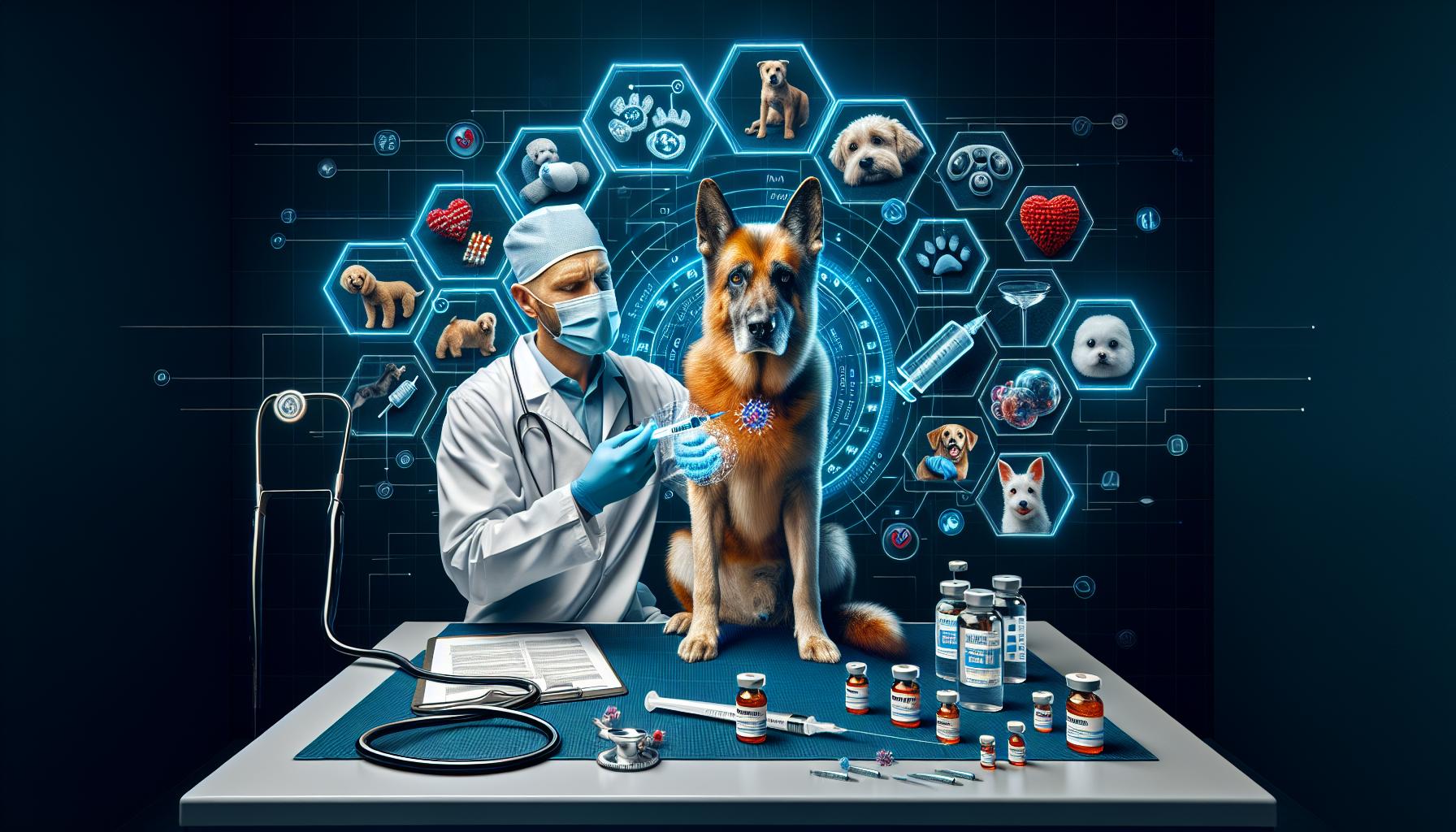
Understanding the Importance of Preventive Care for Pets
Every pet owner wants to ensure their furry friends live long, healthy lives. The best way to achieve this is through preventive care, which encompasses regular check-ups and essential vaccinations. These practices can significantly reduce the risk of various diseases and health issues. Engaging in preventive care not only keeps pets healthy but also fosters a bond of trust between pets and their owners. By understanding the importance of these practices, owners can make informed decisions that directly impact their pets’ quality of life.
Consider the following benefits of preventive care:
- Early Detection: Regular check-ups allow veterinarians to identify potential health problems before they escalate into serious conditions. For instance, conditions such as dental disease, obesity, and arthritis can be effectively managed if caught early. Routine examinations can uncover subtle changes in behavior or health that may seem minor but could indicate a more significant issue.
- Vaccinations: Vaccines protect pets from harmful diseases such as rabies, distemper, and parvovirus. For example, the rabies vaccine is not only essential for your pet’s health but is also a legal requirement in many states, illustrating the importance of vaccinations in public health. Furthermore, some vaccines are considered core, meaning they are recommended for all pets regardless of lifestyle. Understanding your pet’s specific vaccination schedule can lead to targeted protection against local disease outbreaks.
- Cost-Effective: Preventive measures can save owners money in the long run by significantly reducing the need for expensive emergency treatments and hospital visits. For instance, a simple annual check-up may cost significantly less than treating a serious health crisis that could arise from a neglected medical condition. Many pet owners find that routine care ultimately leads to savings, allowing for more resources to be allocated toward their pet’s happiness.
Vet visits and vaccinations are more than routine tasks; they are pivotal in enhancing your pet’s overall well-being. In the United States, many pet owners are still unaware of vaccination schedules and the significance of regular health assessments. Following the recommended vaccination schedule is crucial, especially for puppies and kittens in their developmental stages. In recent years, veterinary clinics have expanded their services with preventive care plans aimed at educating pet owners, including detailed information about what to expect during their pet’s check-up.
By prioritizing preventive care, you’re taking the first step toward a healthier future for your pet. Keeping up with veterinary appointments and vaccinations creates a foundation for an effective healthcare strategy. This approach not only protects against diseases but allows for early interventions that promote robust health.
Understanding these processes can help you make informed decisions for your beloved animal companions. As pet wellness becomes increasingly important in our society, exploring available resources and embracing a preventive mindset can yield lifelong health benefits for your pet, enhancing the joy they bring to your life.
LEARN MORE: Click here to deepen your understanding
The Role of Vaccines in Preventive Care
Vaccines stand as a cornerstone of preventive care for pets, safeguarding animals from a range of severe diseases that can impact their health and lifespan. When it comes to caring for pets, understanding the essential role of vaccinations is vital for every responsible owner. In the United States, many veterinary professionals advocate for a comprehensive vaccination program tailored to each pet’s specific needs, lifestyle, and geographic location.
Vaccines work by stimulating the immune system to develop defenses against pathogens, thereby minimizing the chance of infection. Core vaccines, such as those protecting against rabies, distemper, and parvovirus, are recommended for all pets, regardless of their environment. These diseases can not only be life-threatening to the pet itself but can also pose public health concerns, particularly in the case of rabies.
Non-core vaccines may also be suggested based on factors such as regional disease outbreaks, lifestyle, and exposure risk. These could include vaccines for Lyme disease, leptospirosis, or Bordetella (kennel cough), particularly for pets that frequently interact with other animals. It’s crucial for pet owners to engage in discussions with their veterinarians to create a customized vaccination plan that addresses their pet’s unique circumstances.
The scheduling of vaccinations also plays a significant role in their effectiveness. The American Animal Hospital Association (AAHA) recommends puppies and kittens receive their first vaccinations at around six to eight weeks of age, followed by boosters every three to four weeks until they reach about 16 weeks. This early start helps build a strong immunity during their critical developmental stages. After the initial series, many vaccines remain effective for three years or more, though this can vary, depending on the specific vaccine. Owners should maintain an updated vaccination record to track when their pets are due for their next immunization.
Regular Check-ups: A Key to Lifelong Health
While vaccines play a central role in preventive care, regular veterinary check-ups are equally important. Routine visits allow pet owners to monitor their pets’ overall health and make necessary adjustments to their care. During these check-ups, veterinarians perform thorough physical examinations, assessing weight, dental health, and mobility—crucial indicators of a pet’s health status.
These check-ups also provide an opportunity for early detection of common health issues, which can include:
- Dental disease: Regular examinations can lead to early intervention for periodontal disease, which can cause pain and may affect other organs if left untreated.
- Obesity: A growing concern in pet health, regular weigh-ins can help manage pet obesity and related health problems.
- Skin issues: Allergies and skin infections are frequent complaints. Routine visits help identify any unusual lumps, bumps, or changes in the skin.
Moreover, these check-ups are ideal opportunities to discuss behavioral changes, dietary adjustments, and any other concerns owners may have. Building a strong relationship with a trusted veterinarian can empower pet owners to take proactive measures in their pet’s health journey. Investing time in preventive care not only enhances pets’ health but also nurtures the bond between pets and their humans, creating countless joyful experiences together.
| Advantage Category | Description |
|---|---|
| Prevention of Disease | Regular vaccines can reduce the risk of serious illnesses such as rabies, parvovirus, and distemper in pets, ensuring a healthier life. |
| Early Detection | Routine check-ups provide opportunities for veterinarians to detect potential health issues early, allowing for prompt treatment. |
Pet owners often overlook the importance of vaccinations and routine check-ups as a crucial component of preventive care. The benefits extend beyond immediate health to more extended, longer lives with fewer complications. Vaccines not only safeguard the individual pet but also contribute to the broader public health by preventing the spread of contagious diseases. Additionally, early detection of health issues during check-ups can lead to more effective treatment options, thereby saving time, money, and distress for both pets and their owners. Investing in preventive care today ensures that your furry companions enjoy a vibrant and active life for years to come. For more information, consult your veterinarian about tailored vaccination schedules and check-up plans to keep your pet in optimal health.
DON’T MISS: Click here to learn about the importance of your pet’s oral health</a
The Importance of Preventive Treatments and Health Monitoring
In addition to vaccines and regular check-ups, preventive care encompasses a range of treatments and monitoring practices that further contribute to the overall health of pets. As pet owners, incorporating these preventive measures into the routine can dramatically reduce the risk of diseases and improve quality of life.
Parasite control is a crucial aspect of preventive care, addressing issues like fleas, ticks, heartworms, and intestinal worms. Heartworm disease, transmitted by mosquitoes, can be fatal if not detected and treated. A recent study indicated that nearly 1 in 100 dogs in the United States are diagnosed with heartworm disease each year. Fortunately, monthly preventives are available and highly effective, allowing pet owners to shield their furry friends from such avoidable health threats.
Flea and tick control is equally vital, as infestations can lead to additional health issues, including Lyme disease and other tick-borne illnesses. Regular use of veterinarian-recommended treatments helps keep these pests at bay and allows pets to enjoy outdoor play without the risk of exposure to harmful diseases.
Nutrition and Weight Management
Dietary management is integral to preventive care, significantly affecting a pet’s overall health. A high-quality, balanced diet tailored to the pet’s age, breed, and health status contributes to optimal nutrition, reducing the risk of obesity-related complications. The Association for Pet Obesity Prevention (APOP) reports that over 50% of pets in the United States are classified as overweight or obese, leading to increased risks of joint issues, diabetes, and cardiovascular disease.
Veterinarians often suggest routine evaluations of a pet’s diet, adjusting caloric intake, and introducing new foods as needed to maintain a healthy weight. Pet owners should monitor their pet’s body condition score regularly and consult with their veterinarian if significant fluctuations occur.
The Role of Dental Care in Preventive Health
Dental health is another critical area of preventive care frequently overlooked by pet owners. The American Veterinary Medical Association (AVMA) indicates that over 80% of dogs and 70% of cats show signs of dental disease by age three. Regular dental cleanings, along with at-home care, such as brushing teeth and providing dental chews, can prevent periodontal disease—a condition linked to serious health issues such as heart, liver, and kidney disease.
- Routine Dental Check-ups: Regular veterinary dental check-ups help identify problems early, allowing for less invasive treatments that can prevent more severe health issues.
- At-Home Care: Implementing a daily routine of brushing and providing dental treats can significantly aid in maintaining your pet’s oral hygiene.
Ultimately, pets benefit immensely from a combination of preventive care elements—from vaccines and regular check-ups to parasite control, nutrition management, and dental care. Each of these aspects plays a role in ensuring pets lead long, healthy lives while also creating a fulfilling relationship between pet and owner. By proactively engaging in these preventive health measures, pet owners can lay the groundwork for a healthier future for their companions, ensuring they have more moments to cherish together.
DISCOVER MORE: Click here to learn about the impact of social media on pet adoption
Conclusion
As responsible pet owners, prioritizing preventive care is essential for ensuring our companions lead long, vibrant lives. The interplay between vaccines, regular check-ups, parasite control, nutritional management, and dental health creates a comprehensive shield against potential health issues. Understanding the value of these proactive measures can not only alleviate future suffering and expenses but also enhance the emotional bond shared between pets and their owners.
The significance of vaccination cannot be overstated; it is our first line of defense against contagious diseases that can severely impact our pets’ health. Meanwhile, regular veterinary visits allow for early detection of disorders and tailored health plans, promoting optimal well-being. Incorporating effective parasite control and being vigilant about nutrition can prevent common ailments that plague pets, such as obesity and dental disease, both of which are alarmingly prevalent in the United States.
By remaining proactive and educated about our pets’ health needs, we can significantly enhance their quality of life. This long-term investment creates the foundation for cherished moments that enrich our relationships. Looking ahead, let us strive to stay informed and adhere to the guidelines provided by veterinary professionals, ensuring our furry friends enjoy their best health and happiness. With a steadfast commitment to preventive care, we can look forward to many more years of shared joy and companionship.