
The Importance of Balanced Nutrition for Animal Health
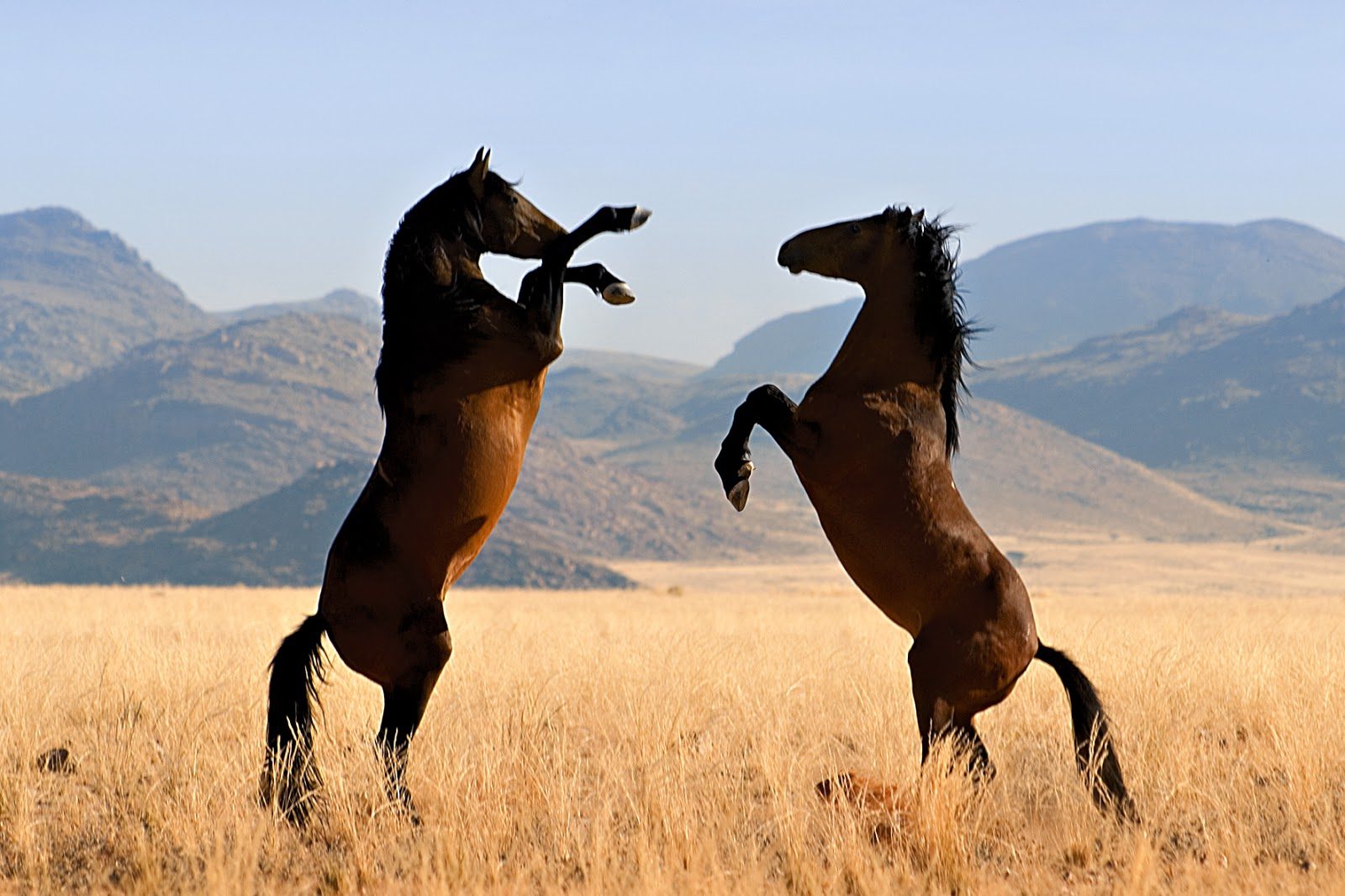
The Role of Nutrition in Animal Health
Nutrition plays a fundamental role in maintaining the overall health and well-being of animals. A balanced diet ensures that pets, livestock, and wildlife receive the essential nutrients required for growth, reproduction, and disease resistance. Inadequate nutrition can lead to a cascade of health issues, impacting both individual animals and broader populations. The importance of balanced nutrition cannot be overstated; it serves as the cornerstone of an animal’s vitality and longevity.
Key Nutritional Components
Consider these key components of balanced nutrition:
- Proteins: Vital for growth and tissue repair. Proteins are made up of amino acids, some of which are essential and must be obtained from food. For instance, dogs require protein for muscle development and immune function, making it a critical element in their diet.
- Carbohydrates: Provide energy for daily activities. While some animals can thrive on low-carb diets, carbohydrates such as grains and vegetables offer a quick energy source, which is particularly beneficial for active farm animals like horses.
- Fats: Essential for cell structure and hormone production. Fats not only supply energy but also help in the absorption of fat-soluble vitamins (A, D, E, and K), playing a crucial role in hormone synthesis and overall health.
- Vitamins and Minerals: Support various physiological functions. Micronutrients such as calcium and phosphorus are vital for bone health, while vitamins like B and C play essential roles in metabolic processes. For example, Vitamin D is essential for calcium absorption in various species.
Consequences of Nutritional Imbalance
An imbalance in these dietary components can lead to serious health problems. For example, nutritional deficiencies might result in obesity, which is a growing concern in pets in the United States, leading to conditions such as diabetes and joint issues. On the other hand, malnutrition can severely hinder growth rates in livestock, making it a pressing issue for agricultural productivity.
Species-Specific Needs
Understanding the specific dietary needs of different species is crucial. For instance, dogs are omnivorous and thrive on a combination of meat and plant-based foods, while cats are obligate carnivores, requiring higher levels of protein and specific nutrients found predominantly in animal tissues. Additionally, livestock such as cows require a diet high in fiber to support their complex digestive systems, which ferment food through microbial action in their stomachs.
The Bigger Picture
The relationship between nutrition and health is profound. It is essential for promoting longevity and productivity, particularly in agricultural settings where livestock is expected to grow quickly and remain healthy. Exploring the intricate link between balanced nutrition and animal health reveals a wealth of information that underscores the need for informed feeding practices. Recognizing the necessity of this balance is the first step toward improving the lives of animals, whether they’re beloved pets or valuable farm animals.
In conclusion, promoting balanced nutrition is not merely an academic pursuit; it is a practical necessity that can enhance the quality of life for animals across various environments. As awareness grows, the implementation of nutritional education and practices will pave the way for healthier animal populations, ultimately benefiting human health as well through a more sustainable and responsible approach to animal care.
DISCOVER MORE: Click here to learn how to choose the perfect toy for your pet
Understanding Nutritional Imbalance and Its Effects
While the benefits of a balanced diet are well documented, the repercussions of nutritional imbalance can be insidious and far-reaching. Often, owners and caretakers may not immediately recognize the signs of dietary deficiencies or excesses, which can lead to chronic health issues in animals. Consequently, a lack of awareness surrounding proper nutrition not only jeopardizes the individual animal’s health but can also impact the broader ecosystem, particularly in agricultural contexts where livestock productivity is crucial.
Common Signs of Nutritional Deficiencies
Identifying nutritional imbalances is fundamental for preventing health problems before they escalate. Various symptoms can indicate that an animal is not receiving appropriate nutrition:
- Weight Fluctuations: Unexplained weight gain or loss can suggest improper caloric intake or nutrient absorption, which may arise from a deficient diet.
- Skin and Coat Problems: A lack of essential fatty acids and vitamins can lead to dry skin, excessive shedding, or even skin infections.
- Behavioral Changes: Changes in energy levels, such as lethargy or hyperactivity, can signal nutritional deficiencies affecting the central nervous system.
- Poor Reproductive Performance: In livestock, inadequate nutrition can lead to a decrease in fertility rates, affecting overall herd productivity and sustainability.
The Impact of Over-Nutrition
While much focus is placed on preventing deficiencies, over-nutrition is an equally concerning issue. In recent years, the prevalence of obesity among pets, particularly in the United States, has surged. It is estimated that around 60% of dogs and cats are overweight, which can precipitate numerous health issues, including heart disease, arthritis, and diabetes. Overfeeding, coupled with a lack of physical activity, can lead to this dangerous condition, emphasizing the importance of not only what is fed but how much.
Life Stage and Nutritional Requirements
An animal’s stage of life significantly influences its dietary needs. Puppies and kittens require higher protein and energy levels for growth and development, while senior animals often benefit from diets formulated to support joint health and cognitive function. Moreover, pregnant and lactating animals have increased nutritional requirements to support their own health and that of their offspring. Understanding these life stage-specific needs is crucial for ensuring optimal health through nutrition.
Integrating Nutritional Education
To effectively promote balanced nutrition, it is vital for pet owners, farmers, and wildlife caretakers to receive practical education on dietary needs. This knowledge empowers them to make informed decisions regarding animal feeding practices, taking into account not just species-specific requirements, but also considering factors such as age, activity level, and health status. As discussions around animal welfare and sustainable practices grow within our society, the integration of nutritional education into animal husbandry and pet care is not merely advantageous—it is essential.
In conclusion, the relationship between nutrition and health in animals is a complex web of interactions. Recognizing the signs of nutritional imbalance, understanding the implications of over-nutrition, and tailoring diets to life stages provides a comprehensive approach to fostering optimal animal health. An increased awareness of these principles can lead to healthier, happier animals and sustainable practices that benefit both pets and livestock across the country.
| Nutritional Components | Health Benefits |
|---|---|
| Proteins | Essential for growth, tissue repair, and overall vitality in pets. |
| Carbohydrates | Provide energy for daily activities and aid in digestion. |
| Vitamins and Minerals | Support immune function and help maintain healthy skin and coat. |
| Fats | Crucial for energy and the absorption of fat-soluble vitamins. |
Balanced nutrition can significantly enhance an animal’s overall health and performance. Each component of their diet contributes uniquely to their well-being. For instance, proteins are vital for developing muscle mass, while carbohydrates serve as the primary energy source for animals, allowing them to engage in playful and active behavior. Furthermore, essential vitamins and minerals, such as Vitamin E and zinc, not only strengthen the immune system but also promote a lustrous coat and vibrant skin. Interestingly, incorporating adequate sources of fats into their diets is equally crucial, as these not only provide energy but also assist in nutrient absorption. The synergy of these nutrients is vital; a deficit or imbalance in any of them can lead to health issues. Understanding and implementing a balanced nutrition plan tailored to specific needs will not only promote longevity but also improve the overall quality of life for pets and livestock alike.
DISCOVER MORE: Click here to enhance your pet’s training
The Role of Nutritional Supplements in Enhancing Animal Health
As animal caretakers strive to provide balanced nutrition, some may turn to nutritional supplements to address specific dietary needs. While the idea of supplements can be enticing, it is essential to approach this avenue with caution and knowledge. Over a third of pet owners in the United States report giving supplements to their pets, ranging from fish oil for improved coat health to glucosamine for joint support. However, it’s crucial to remember that supplements should complement—not replace—a complete and balanced diet.
Identifying the Need for Supplements
Before introducing any supplement, it is advisable for caretakers to conduct thorough evaluations of an animal’s diet and overall health. Nutritional deficiencies might be improved by adjusting the primary diet rather than relying solely on supplements. For instance, if an animal is showing signs of vitamin deficiencies, a dietary adjustment that enhances their intake of fruits and vegetables may prove more beneficial than adding artificial vitamin supplements.
The Impact of Diet on Disease Prevention
Recent studies indicate that proper nutrition plays a significant role in disease prevention for both pets and livestock. Certain nutrients can bolster the immune system, helping animals to fend off infections and diseases. For example, antioxidants such as vitamins E and C, alongside selenium, can enhance an animal’s immune response, potentially reducing the incidence of illness. Likewise, omega-3 fatty acids available in fish oil have shown promise in reducing inflammation, thus helping to alleviate chronic conditions such as arthritis in older pets.
Adapting Nutritional Strategies for Specific Breeds
Understanding that breeds have different nutritional requirements is another layer to the importance of balanced nutrition. Certain breeds may be predisposed to specific health issues that can be mitigated with tailored diets. For instance, large dog breeds such as Great Danes are prone to bloat, a potentially life-threatening condition that can be influenced by dietary patterns. Therefore, feeding them smaller, more frequent meals instead of one large meal can be a preventive measure. Consulting with veterinary professionals specialized in animal nutrition can provide invaluable insight into these unique needs.
The Influence of Environment on Nutritional Needs
Environmental factors also contribute to the nutritional demand of animals. For example, working dogs and livestock exposed to rigorous physical activity require higher caloric and protein intake compared to their sedentary counterparts. Additionally, seasons can play a role. During colder months, animals may need more energy to maintain their body heat, necessitating an increase in caloric consumption. Recognizing these environmental influences can aid caretakers in fine-tuning dietary strategies to ensure optimal health and performance.
Seeking Professional Guidance
Incorporating a professional’s guidance in establishing a nutritious diet is paramount. Veterinary nutritionists or certified animal dietitians can design specialized diet plans that take into account the specific requirements of individual animals. This tailored approach can help solve unique health challenges, optimize performance—or even simply enhance quality of life. With the ongoing advancements in animal nutrition science, access to a wealth of resources is within reach, allowing caretakers to provide a balanced diet suited to their animals’ needs.
In an age where information on animal nutrition is readily available, the need for diligent research and professional consultation is more critical than ever, assisting caretakers in ensuring the well-being of their animals through balanced nutrition.
DISCOVER MORE: Click here to learn about the benefits of regular activity for pets</p
Conclusion: Ensuring Optimal Animal Health Through Balanced Nutrition
In summary, balanced nutrition is a critical foundation for maintaining the health and vitality of animals, whether they are beloved pets or valuable livestock. The insights provided throughout this article highlight the necessity of understanding individual dietary requirements based on breed, lifestyle, and environmental factors. The importance of conducting thorough evaluations of an animal’s diet underscores the need for a tailored approach that prioritizes whole foods, while recognizing the careful introduction of nutritional supplements when required.
As caretakers, being proactive in creating and adjusting dietary plans can significantly influence an animal’s overall health and longevity. By educating themselves on the intricate relationship between nutrition and disease prevention, animal owners can take vital steps to fortify their pets’ immune systems and mitigate health risks. Furthermore, collaboration with veterinary professionals ensures a science-based perspective that addresses specific needs and challenges faced by different breeds and environmental conditions.
The implications of ignoring balanced nutrition can be dire, leading to a cascade of health issues that might otherwise be preventable. Through continuous research and professional guidance, caretakers can make informed choices that support not only the physical well-being of their animals but also their emotional and psychological health.
Ultimately, nurturing a deep understanding of animal nutrition empowers us to better care for our furry companions, enhancing their quality of life and fostering a stronger bond. As we move forward, let us embrace the principles of balanced nutrition with diligence and compassion, paving the path toward healthier, happier animals.