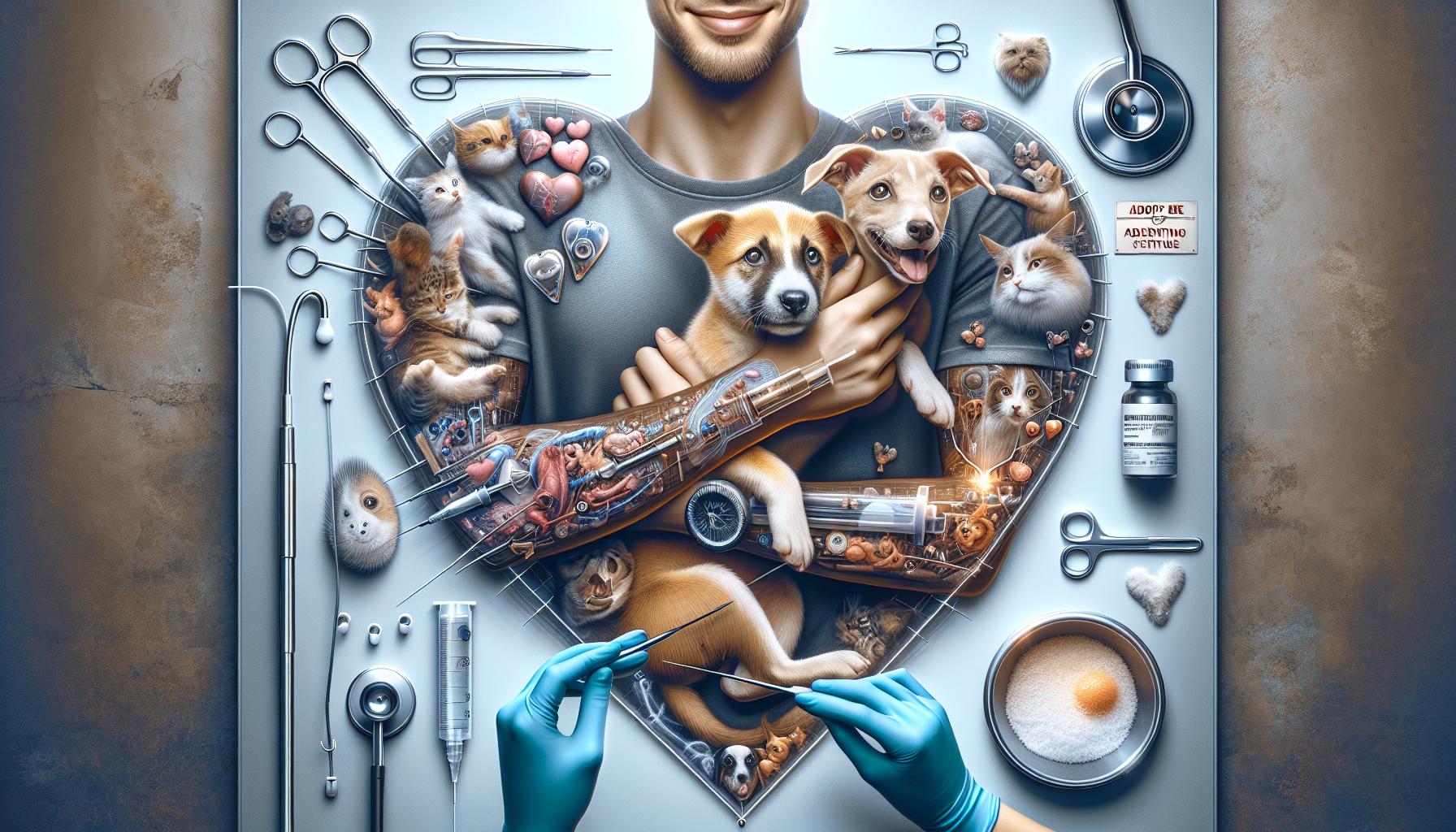
How Nonprofit Organizations Are Transforming Animal Adoption in the USA

Revolutionizing Animal Adoption
In the past few years, nonprofit organizations have significantly transformed the landscape of animal adoption in the United States. By implementing innovative strategies and dedicated outreach efforts, these organizations are cultivating a more responsible and compassionate community of pet owners. This transformation is not merely a trend; it marks a significant shift in animal welfare dynamics and revises the traditional adoption process, making it more inclusive and efficient.
- Increased Awareness: Nonprofits across the nation have organized campaigns to educate the public about the benefits of adopting pets instead of purchasing them from breeders. Initiatives such as “Adopt, Don’t Shop” have gained traction, emphasizing that adoption saves lives and provides homes for animals in need. Programs tailored to schools and community groups further demystify the adoption process, equipping potential adopters with the knowledge necessary to make informed decisions.
- Accessible Adoption Events: To bridge the gap between shelters and potential pet owners, nonprofits frequently host adoption events in accessible locations. These gatherings, often held in parks, community centers, or local businesses, create fun, festive environments where families can meet animals up for adoption. Many events also incorporate local vendors, food trucks, or activities for children, turning adoption into a community event and encouraging higher attendance and participation.
- Support Services: Post-adoption support is crucial for the successful integration of pets into homes. Many nonprofit organizations offer resources such as training classes, behavior workshops, and access to veterinary services. By providing these essential services, they alleviate the common anxieties that come with pet ownership, such as health concerns and behavioral issues, thereby fostering lasting relationships between pets and their new families.
The positive effects of these initiatives extend beyond merely increasing the number of adoptions. Recent statistics indicate a notable rise in pet adoptions while shelter populations are steadily decreasing. This downward trend reflects a growing public awareness of the humane treatment of animals and a commitment to ensuring that every pet finds a loving home.
Moreover, nonprofit organizations are not only saving lives but are also at the forefront of advocating for substantial policy changes that promote better animal care practices. By actively engaging in discussions on animal welfare legislation, they influence reforms that lead to better shelter conditions, stricter regulations against puppy mills, and enhanced protections for animals in distress. These efforts exemplify the integral role these organizations play in creating a sustainable future for countless animals in need.
As we explore the ongoing evolution of animal adoption practices, it becomes increasingly clear that nonprofit organizations are pivotal in bridging the gap between shelters and communities. Their work not only impacts the present landscape of animal welfare but also sets the stage for a compassionate and informed approach to future pet ownership.
DISCOVER MORE: Click here to learn about balanced nutrition for your pet’s health
Innovative Approaches in Animal Adoption
Nonprofit organizations dedicated to animal welfare are harnessing creativity and strategic planning to enhance the animal adoption process. These organizations understand that adopting a pet is a significant commitment and therefore strive to make the journey as seamless and enjoyable as possible for potential adopters. Through a mix of innovative programming and community engagement, nonprofit groups are breaking down barriers and reshaping perceptions around animal adoption.
One significant approach is the utilization of technology to connect prospective pet owners with animals in need. For instance, many nonprofits employ interactive websites and mobile applications that offer detailed profiles of available pets, complete with photographs, temperament descriptions, and educational resources. Users can filter search results based on size, breed, and age, making it easier to find a pet that fits their lifestyle. This tech-savvy approach ensures a wider audience can access adoption resources and streamline the matching process.
Additionally, nonprofit organizations have begun embracing social media as a powerful tool for outreach. Platforms like Instagram, Facebook, and TikTok are leveraged not only to showcase adoptable animals but also to share heartwarming success stories and foster connections within the community. These posts encourage sharing and engagement, creating a ripple effect that reaches beyond the immediate followers. Studies have shown that viral social media campaigns can significantly increase adoption rates, proving that a modern approach can lead to tangible results.
- Community Collaborations: Many nonprofits are fostering partnerships with local businesses, schools, and government agencies to promote joint adoption initiatives. Events such as “Pet Fairs” or “Adoption Days” bring communities together while raising awareness of the importance of adopting animals from shelters. These collaborations often result in increased visibility and support for both the organizations and their adoptable pets.
- Fostering Programs: Another transformative strategy is the implementation of fostering programs. By placing pets in temporary homes, nonprofits enable animals to acclimate to a family environment, while allowing fosters to evaluate the pet’s behavior. This initiative not only reduces shelter overcrowding but also enhances the likelihood of adoption through direct exposure to potential adopters, showcasing the animal’s personality in a more natural setting.
- Targeted Outreach: Nonprofits are making concerted efforts to directly engage underrepresented communities with tailored adoption campaigns. Addressing factors such as cultural perceptions, economic barriers, and differing expectations of pet ownership allows these organizations to create customized initiatives. Such outreach is essential to ensuring that adoption opportunities are accessible to all community members, making the process equitable.
The combination of these modern strategies fosters a culture of compassion and responsibility towards pet ownership. As a result, nonprofits not only facilitate adoptions but also strive to educate the public on the broader implications of animal welfare. As communities come together to support these initiatives, the positive impact on local animal populations becomes increasingly evident, reinforcing a commitment to ethical treatment and care of all animals.
| Advantage | Impact |
|---|---|
| Increased Awareness | Nonprofits are utilizing social media and community events to raise awareness about the plight of animals in shelters. |
| Forging Partnerships | Collaboration between nonprofits, businesses, and local governments enhances the reach and resources available for adoption initiatives. |
| Innovative Adoption Programs | Various nonprofit organizations have introduced creative models such as foster-to-adopt and virtual adoptions to facilitate the process. |
| Community Engagement | Through volunteer programs, nonprofits involve citizens directly in the adoption process, enhancing community bonds. |
The transformative efforts made by nonprofit organizations in animal adoption not only reshape how potential pet owners engage with shelters but also significantly alter the landscape of animal welfare. With campaigns focused on educating communities about responsible pet ownership, nonprofits are effectively bridging the gap between abandoned animals and loving homes. The integration of technology within these initiatives, such as online databases and social media outreach, amplifies their message, reaching a broader audience than ever before. Furthermore, the emphasis on fostering relationships rather than just transactions in the adoption process enriches the experience for both the animal and the adopter. As nonprofits stand at the forefront of these changes, they play a crucial role in forging a more compassionate and humane society for all creatures, ultimately driving responsible adoption practices across the USA.
DIVE DEEPER: Click here to enhance your pet’s mental agility
Breaking Down Barriers to Adoption
While nonprofits are employing innovative strategies to modernize animal adoption, they are also focused on removing the systemic barriers that prevent many animals from finding loving homes. A significant hurdle has traditionally been the perception that adopting through a shelter is less desirable than purchasing from breeders or pet stores. Nonprofits are actively working to change these misconceptions by emphasizing the unparalleled benefits of adopting a pet from a shelter, such as saving a life and the inherent loyalty of rescued animals.
One program that exemplifies this approach is the “Adoption Fee Waivers” initiative. Frequently offered during special events or partnerships with local businesses, these waivers can dramatically reduce or completely eliminate the cost of adopting. Such efforts particularly target underserved communities and lower-income families, making pet ownership more financially viable. By allowing families to adopt pets without the burden of high fees, nonprofits ensure that more animals can be rescued and that more families can experience the joy of pet ownership.
Education and Awareness Campaigns
Education serves as a cornerstone of many nonprofit strategies, aiming to inform and inspire communities about responsible pet ownership. Through workshops, free veterinary services, and community education programs, organizations encourage potential adopters to consider shelter animals as genuinely viable and lovable companions. Moreover, these educational campaigns are designed not only to increase adoption rates but also to reduce the instances of pet abandonment and neglect.
- Pet Ownership Workshops: Nonprofits are hosting workshops to teach prospective pet owners about proper care, training methods, and the responsibilities associated with pet ownership. These sessions help ensure that families feel prepared and informed, contributing to increased long-term success rates of adoptions.
- Success Stories: By showcasing tales of adopted pets that have thrived in their new environments, organizations illustrate the potential transformative journey from shelter to home. These narratives play a crucial role in encouraging others to adopt by highlighting that shelter pets can contribute positively to family dynamics.
Impact of Community Involvement
The role of community involvement cannot be overstated in the transformation of animal adoption practices. As nonprofits cultivate stronger relationships with local residents, they create a support network that reinforces the importance of animal welfare. Volunteers are essential in this equation; they provide necessary resources and help foster a community spirit that values every animal’s right to care and love.
Furthermore, volunteer mobilization enhances outreach initiatives across various neighborhoods. Many nonprofits offer opportunities not just for fostering and adoption, but also for volunteering, helping to build up a passionate community invested in the well-being of shelter animals. This grassroots advocacy has led to an increase in adoptions and has helped dispel myths surrounding shelter animals, showcasing the rewarding experiences that come from adopting a pet.
In the realm of animal adoption, nonprofit organizations are proving to be vital forces for change, employing innovative techniques and building community ties that ensure a brighter future for countless animals across the United States. The evolution of these efforts underscores that the journey to find a forever home for every shelter animal is indeed a communal endeavor.
LEARN MORE: Click here for essential insights on fiber for your cat’s health</a
Conclusion: A New Era for Animal Adoption
The transformative impact of nonprofit organizations on animal adoption in the USA is not only remarkable but essential in reshaping public perceptions and forging a path toward a future where every animal has a loving home. By breaking down barriers to adoption, launching educational campaigns, and fostering community involvement, these organizations are bridging the gap between shelter animals and potential adopters.
Through initiatives like Adoption Fee Waivers and targeted outreach, nonprofits are making pet ownership more accessible to all, especially those in underserved communities. Their emphasis on education empowers current and prospective pet owners to ensure responsible care, ultimately leading to lasting, successful adoptions.
Moreover, the mobilization of volunteers advances a sense of community responsibility towards animal welfare, creating a ripple effect that extends beyond individual adoption stories. With their unwavering commitment, nonprofits are dispelling myths surrounding shelter animals and showcasing the incredible bonds that can form between people and their furry companions.
As evidenced in this evolving narrative, the partnership between nonprofits and communities highlights the combined forces propelling a cultural shift toward valuing and adopting shelter pets. The path to successful animal adoption is one that requires collective effort and compassion, laying the groundwork for a future rich in love, understanding, and lifelong companionship. For those considering pet ownership, now is indeed an opportune time to explore the thriving world of shelter adoption, where the journey to finding a family pet transforms lives—both human and animal alike.