Socialization Techniques for Puppies: Preparing Them for the World

The Impact of Early Socialization on Puppies
Every puppy embarks on a journey of discovery that profoundly influences their behavior and personality. During the first few months of their life, experiences shape them in ways that will resonate throughout their lives. A puppy that undergoes effective socialization is likely to grow into a confident, adaptable, and sociable adult dog. This period is not just about making friends; it’s about equipping your puppy with the tools necessary for navigating a complex world.
Combatting Behavioral Issues Through Proper Techniques
A significant benefit of proper socialization is its ability to mitigate common behavioral issues such as fearfulness and aggression. A well-socialized dog is less likely to react negatively to unfamiliar situations or beings. Here are some techniques to implement:
- Exposure to Different Environments: It’s essential for your puppy to explore a variety of settings. From the peaceful ambiance of a neighborhood park to the busy atmosphere of a shopping area, exposing them to different sights, sounds, and smells helps build resilience and adaptability. For instance, visiting a farmer’s market can introduce your puppy to crowds, carts, and even the sounds of live music.
- Meeting New People: Encouraging interactions with a mix of individuals is vital. Allow your puppy to engage with children, adults, and seniors alike. This varies the array of social cues they encounter, helping them learn how to interact appropriately. Making time for a few “puppy play dates” with friends or family can be a fun way to diversify their encounters.
- Encounters with Other Animals: Facilitating safe playtime with vaccinated dogs and gentle cats can foster positive relationships with other animals. Consider visiting a local dog park where your puppy can mingle under supervision. Various breeds and personalities present unique learning experiences for your pup.
Puppy Socialization Classes: A Growing Trend
In recent years, the popularity of puppy socialization classes in the United States has surged. These structured environments offer immense value not only to the puppies but also to their owners. Tailored activities within these classes are designed to boost communication skills and overall comfort levels among participants. For example, many trainers incorporate games that require puppies to work both independently and cooperatively, fostering teamwork and social skills.
Engaging in these classes not only enhances behavioral development but also creates a sense of community. Meeting other dog owners can lead to lifelong friendships, ensuring both owner and puppy feel supported throughout their training journey.
Long-term Benefits of Socialization
Understanding the significance of these early experiences is paramount. Investing your time and effort into the socialization process pays off with a well-adjusted companion. A dog that has been through enriching socialization experiences is often easier to manage, enjoys varied activities, and exhibits better behavior overall. This preparedness allows them to tackle new adventures without undue stress, leading to a fulfilling life for you both.
Indeed, a well-socialized puppy is not just a joy to be around, they become lifelong friends who enrich our lives in delightful ways. Explore local options, reach out to trainers, and prepare your puppy for the exciting world that awaits them!
DISCOVER MORE: Click here to learn about choosing the right food for your pet
Key Methods for Effective Puppy Socialization
To fully harness the potential of your puppy’s formative weeks, it’s essential to immerse them in a broad spectrum of experiences that will help shape a well-rounded adult dog. Beyond mere exposure, the goal is to foster positive associations with their environment and the various beings within it. Here are some effective socialization techniques tailored for puppies that can yield impressive results:
- Structured Dog Walks: Regular walks offer the chance for your puppy to observe the world beyond their home. Vary the routes to include different neighborhoods, parks, and bustling streets. Ensure your pup encounters various surface textures—grass, pavement, gravel—which helps them develop confidence as they adapt to diverse terrains.
- Controlled Interactions with Other Pets: Setting up playdates with trusted friends who own well-behaved dogs can be a great starting point. Begin with shorter encounters, observing how your puppy reacts and slowly increasing the duration as they grow more comfortable. Diversity in dog breeds will expose your puppy to different play styles and temperaments.
- Enrichment through Sensory Experiences: Incorporating toys that crackle, squeak, or emit different sounds can stimulate auditory senses, while textured toys can appeal to tactile exploration. Introduce your puppy to various smells too, like herbs from your garden or different scents during outdoor excursions, which can foster curiosity and stimulate their olfactory senses.
Moreover, consider visiting pet-friendly places where you can engage with a mix of sights, sounds, and smells, such as pet stores or local cafes hosting outdoor seating where dogs are welcome. Such experiences help normalize the presence of strangers, children, and other animals, contributing to a more rounded and social character.
Visual Learning and Positive Reinforcement
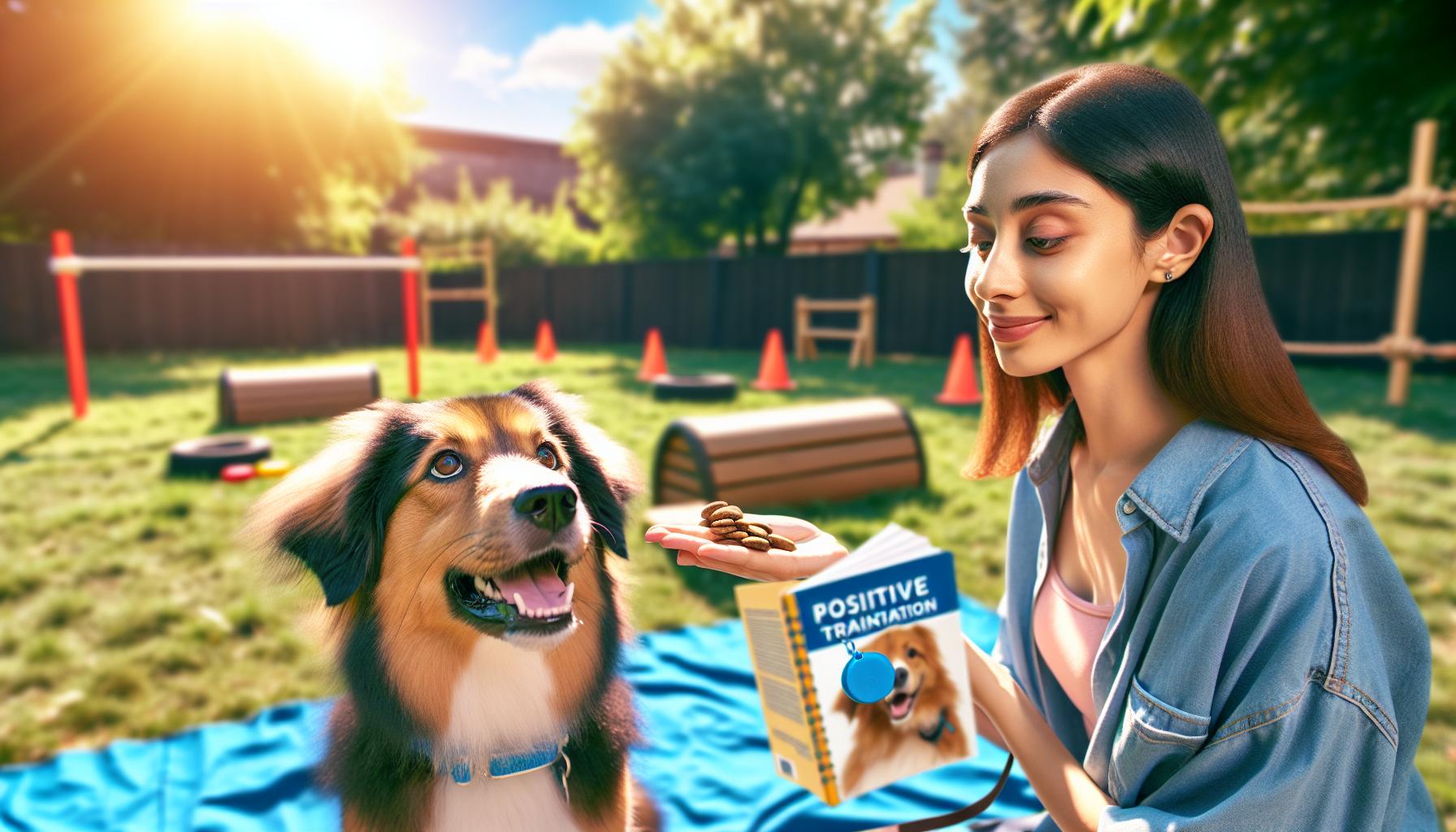
Puppies are incredibly perceptive, often learning from not only their own experiences but also by watching others. When encountering new situations, remain calm and confident; your puppy will likely mirror your feelings. Utilize positive reinforcement—treats or praise—when your puppy successfully navigates new experiences, ensuring they build a connection between novel stimuli and positive outcomes.
It’s also beneficial to utilize varied training techniques such as clicker training. This form of reinforcement helps with clear communication during socialization efforts. By clicking when your puppy encounters a new person or animal without fear, you promote the understanding that exploration leads to rewards.
As your puppy begins their journey into the world, remember that socialization is not a mere checklist but rather a continuous process. The more thoughtful and engaging your techniques, the more adept your puppy will become at interacting with their environment and community. Establishing these practices early on will ensure a lifetime of good behavior as your puppy transitions into adulthood.
| Socialization Technique | Advantages |
|---|---|
| Exposure to Different Environments | Helps puppies adapt to varied surroundings, reducing anxiety in new situations. |
| Social Interactions with Other Dogs | Encourages appropriate play and communication skills, fostering positive relationships with peers. |
| Positive Reinforcement Training | Enhances learning and builds confidence, promoting a secure and well-adjusted puppy. |
| Exposure to Different People | Helps puppies be more accepting of strangers, minimizing fear-based reactions later in life. |
Effective socialization techniques for puppies are essential for preparing them for the many stimuli of the world. By exposing them to diverse environments, you can ensure they grow more adaptable, reducing their anxiety when faced with unfamiliar surroundings. Moreover, interacting with other dogs during formative months fosters essential play and communication skills, which are crucial for building healthy social behaviors. Implementing positive reinforcement training enhances your puppy’s learning, boosts their confidence, and aids in shaping them into well-adjusted adult dogs. Finally, ensuring they meet various people helps lessen fears and promotes a more sociable demeanor. By adopting these socialization methods, you are setting your puppy up for a life characterized by well-rounded interactions and minimal behavior issues, paving the way for a happy, healthy canine companion.
DON’T MISS: Click here to discover inspiring transformations
Socialization Activities to Enhance Your Puppy’s Experience
Creating varied and engaging experiences for your puppy is paramount in establishing their social skills. Socialization activities beyond basic encounters can cultivate a deeper understanding of their environment. Engaging your puppy in interactive activities can provide meaningful social lessons and promote adaptability. Here are some engaging activities to consider:
- Puppy Training Classes: Enrolling your puppy in classes not only fosters basic obedience skills but also serves as a controlled environment for socialization with both humans and other dogs. Look for positive reinforcement-based classes that emphasize social behavior. Group classes offer sight, sound, and smell experiences from other puppies, teaching your pup how to behave appropriately amongst peers.
- Exposure to New Environments: Regularly introduce your puppy to different locations—dog parks, local farmers’ markets, or beaches—each presenting unique sensory stimuli. Engaging them in varied environments helps them learn how to react and adapt to new sounds, people, and landscapes. Gradual exposure can also reduce fears associated with unfamiliar settings.
- Human Interaction: Encourage your puppy to meet a range of people, including children, elderly individuals, and individuals with disabilities. Supervise these interactions to ensure they are positive and gentle. The diverse responses and movements of different people will help your puppy learn appropriate behaviors, reducing anxiety in public situations.
Incorporating Low-Stress Experiences
Too much exposure can overwhelm a young pup, leading to negative associations. It’s essential to ensure that each exposure experience is low-stress and nurturing. Keeping interaction sessions brief and monitoring your puppy’s stress signals can prevent overwhelming encounters. If your puppy demonstrates fear or anxiety during a situation, introduce breaks or find ways to divert their attention—perhaps with a favorite toy or treats—which can help create a positive experience out of a stressful one.
Additionally, consider working with a professional dog trainer or animal behaviorist. They can tailor a socialization plan that meets your puppy’s particular needs, ensuring that every step is matched to their comfort level while still stretching their boundaries. Expertise in reading dog body language is invaluable during these formative months.
Utilizing Technology for Socialization
Technology can also play a role in effective puppy socialization. Puppy owners can use apps designed for training and socializing dogs, which often connect them with local pet services, dog parks, and playgroups. Online platforms frequently provide resources like video tutorials and expert advice on handling specific behavioral issues that may crop up as your puppy interacts with others.
Virtual meet-ups with other dog owners can be another creative avenue for socialization. These provide opportunities where puppies can interact through video calls—seeing and hearing other dogs, learning to remain calm in the presence of unfamiliar breeds or behaviors.
In this ever-evolving world, socialization should be an enriching experience. The techniques employed not only prepare your puppy for daily life but also aid in their emotional growth. Investing time and creativity into their socialization will cultivate an adaptable, confident, and well-behaved adult dog, ready to embrace the world.
DON’T MISS: Click here to learn about the importance of socialization in puppy training
Conclusion: The Path to a Well-Socialized Puppy
In summary, socialization techniques for puppies play a critical role in shaping their future as confident and well-adjusted dogs. Early exposure to a variety of environments, experiences, and individuals lays the foundation for successful interactions throughout their lives. By incorporating engaging activities such as puppy training classes, diverse location excursions, and human interactions, you set the stage for enriching their social skills.
It’s equally important to maintain a balance; ensuring that socialization experiences are low-stress promotes a positive outlook for your puppy. Observing their reactions and responding to their needs will foster a trusting relationship, while working alongside professionals can further refine their social development. Moreover, leveraging technology not only offers innovative resources for training but also helps connect your puppy with a broader community of dogs and owners.
As a puppy owner, remember that you are a significant influence on their understanding of the world. Every interaction is an opportunity for learning. By investing time and effort into socialization, you are preparing your puppy to face life’s challenges, from casual outings to bustling environments. Embrace this journey with empathy and creativity, and you will witness the transformation of your puppy into a well-rounded adult dog, eager to participate in the vibrant tapestry of everyday life.