Positive Reinforcement Training for Dogs: Building Trust and Obedience
Unlocking the Potential of Canine Companionship
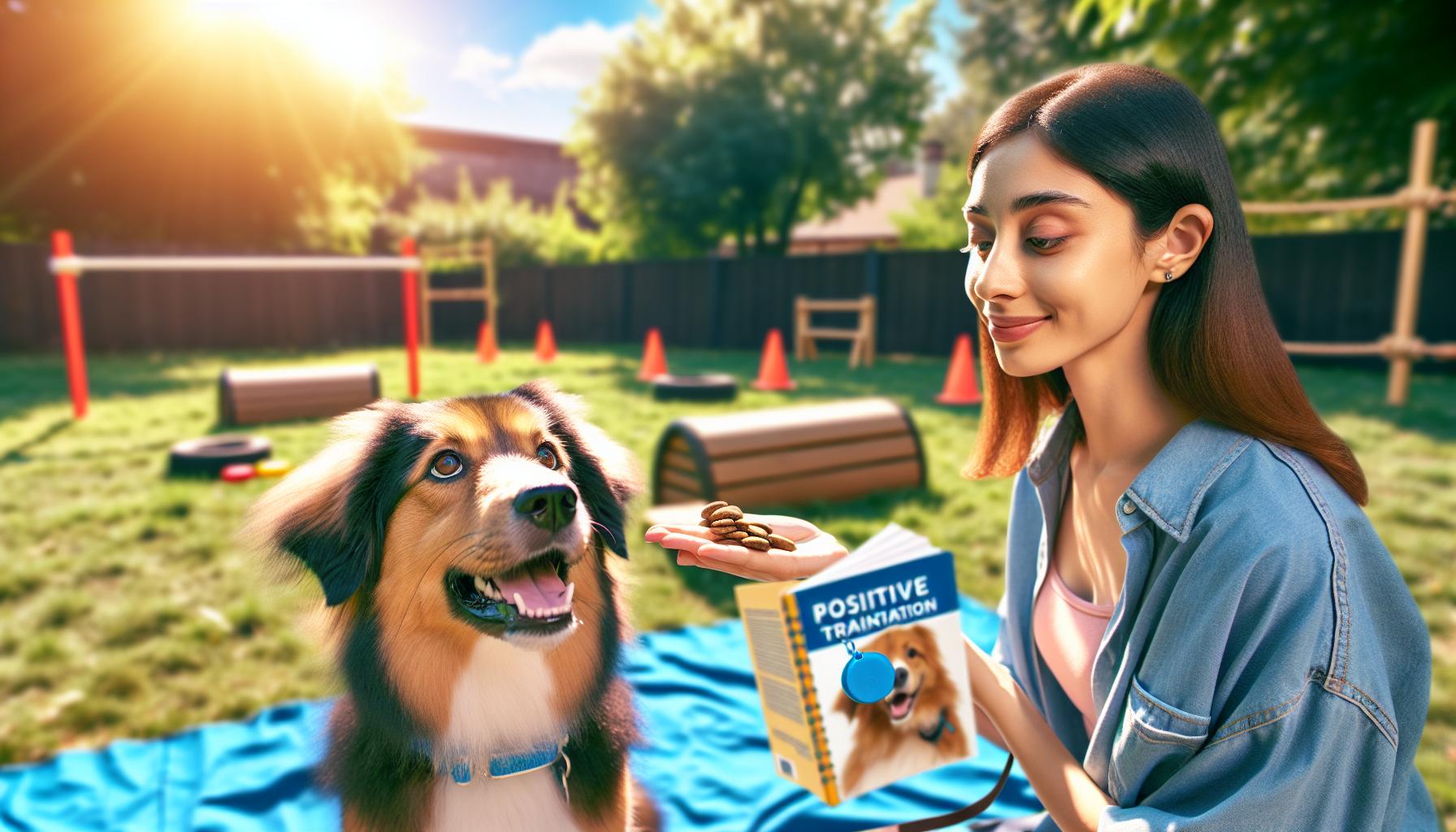
Every dog owner yearns for a well-behaved dog, and positive reinforcement training has emerged as a leading approach to achieving this goal. This method revolves around rewarding dogs for exhibiting desirable behaviors, thereby reinforcing those actions through positive feedback rather than resorting to punishment. The implications of this approach extend beyond mere obedience; it cultivates a foundation of trust and enhances the overall relationship between pet and owner.
But what truly sets positive reinforcement apart? Here are some key elements that contribute to its effectiveness:
- Reward-Based System: The cornerstone of positive reinforcement is the use of rewarding stimuli, such as treats, toys, or verbal praise, to encourage good behavior. For example, giving your dog a favorite treat when it sits on command can make future sit attempts more likely as the dog begins to understand that compliance leads to rewards.
- Consistency: Dogs thrive on routine. By consistently reinforcing good behavior every time it occurs, you create a clear association between the behavior and the reward. This could mean rewarding your dog for walking calmly beside you on a leash each time you leave for a walk, which helps solidify that behavior as a norm.
- Clear Communication: Dogs are more responsive when commands are clearly defined and consistently used. Utilizing distinct cues—like a specific word or hand signal—for each command aids in strengthening your dog’s understanding. For instance, using a firm “stay” signal for halting can be paired with visual cues that aid comprehension.
The appeal of positive reinforcement training extends well beyond compliance and obedience. Dogs trained through this method are often seen exhibiting:
- Higher Engagement: These dogs typically demonstrate a greater eagerness to participate in training sessions. This excitement not only makes training fun but also transforms it into a bonding experience.
- Lower Anxiety: By fostering an environment devoid of punishment, positive reinforcement reduces stress and promotes a confident demeanor in dogs. This is particularly beneficial for rescue dogs or those with troubled pasts, as it helps them acclimatize and trust their new owners.
- Stronger Bond: The reliance on a reward-based relationship deepens the connection between pet and owner, leading to a more affectionate and responsive canine companion.
As you embark on the journey of positive reinforcement training, you’ll uncover a wealth of innovative techniques that not only shape your dog’s behavior but also enrich your relationship with them. This transformative approach can turn mundane interactions into valuable learning opportunities, fostering a joyful and responsive atmosphere. Whether you’re training a puppy or an older dog, exploring positive reinforcement will surely yield enlightening experiences for both parties involved.
DISCOVER MORE: Click here to learn about pet food options
The Science Behind Positive Reinforcement Training
Positive reinforcement training taps into the psychological principles that govern learning and behavior, revealing how dogs process rewards and form associations. At the core of this technique lies the operant conditioning theory, pioneered by psychologist B.F. Skinner. This theory posits that behavior is shaped by the consequences that follow it—reward good behavior and it is likely to be repeated, while a lack of reward for undesirable behavior will cause it to diminish over time. Understanding this principle can significantly enhance your training efforts.
One common misconception about positive reinforcement is that it solely revolves around the use of treats. While treats are indeed effective, the realm of rewards is much broader. Positive reinforcement encompasses various types of affirmations including:
- Verbal Praise: A simple “good boy” or “well done” can generate enthusiasm and motivate your dog to repeat the behavior.
- Physical Affection: A pat on the back or a scratch behind the ears does wonders in reinforcing good behavior and also strengthens your emotional bond.
- Toys and Playtime: Incorporating toys or engaging in play as a form of reward can make the training process enjoyable and rooted in your dog’s play instincts.
With these various reward mechanisms, owners can cater to their dog’s unique preferences, enhancing the training experience. For example, while some dogs may thrive on food rewards, others might respond better to verbal affirmations or a favorite toy. Tailoring the reward system can make a remarkable difference in how effectively your dog learns.
Establishing Trust Through Consistency
Another pivotal aspect of positive reinforcement is the element of consistency. Dogs are creatures of habit that benefit from understanding what is expected of them. If the same action elicits a different response at different times, it can lead to confusion and frustration for both the dog and the owner. To establish a strong training routine:
- Commit to Regular Training Sessions: Consistent short sessions are more beneficial than sporadic long ones. Aim for multiple brief training opportunities throughout the day.
- Use Uniform Commands: Stick to the same keywords and signals for each behavior. Variations can confuse your dog, and consistent terminology helps them form associations easily.
- Gradually Increase Expectations: Once your dog masters a command, increase the level of difficulty gradually. This can mean changing environments or adding distractions to help expand your dog’s skill set.
As trust deepens through consistent training practices, owners will find that their dogs not only grow more obedient but also feel more secure in their environment. This fosters a positive atmosphere where the dog feels confident enough to explore and adapt. Ultimately, engaging in positive reinforcement training paves the way for a harmonious relationship built on trust, communication, and mutual respect.
| Advantages | Details |
|---|---|
| Strengthened Bond | Positive reinforcement training helps develop trust between the owner and the dog, leading to a deeply rooted emotional connection. |
| Improved Behavior | This technique focuses on rewarding desirable actions, resulting in better obedience and diminished unwanted behaviors. |
| Increases Confidence | By rewarding efforts during training, dogs become more confident in their abilities, leading to success in various situations. |
| Fun and Engagement | Both owners and dogs experience a sense of enjoyment during sessions, fostering a positive learning atmosphere that encourages further training. |
The principles behind positive reinforcement training are not just theoretical; they are backed by research in behavioral science. By emphasizing rewards over punishment, you create a more motivated learner in your dog, which can lead to lasting changes in behavior. This method is particularly effective in addressing common behavioral issues such as separation anxiety or excessive barking, making it a versatile approach for all dog owners. By understanding the roots of your dog’s behaviors, you are not only training them but also providing them with the tools needed for a harmonious life alongside humans.
DISCOVER MORE: Click here to learn how you can help
Effective Techniques to Enhance Positive Reinforcement
Implementing positive reinforcement training goes beyond merely rewarding desirable behaviors; it involves strategic planning and execution to ensure the dog truly understands what is expected. Various techniques can bolster the effectiveness of this training approach and, when applied, help reinforce a sense of trust and obedience between the dog and its owner.
The Power of Timing
One of the cornerstones of successful positive reinforcement is timing. For reinforcement to be effective, it must occur immediately after the desired behavior. A delay can lead to confusion; the dog may not connect the reward with the action you intended to encourage. This means that when your dog follows a command or performs a good behavior, you should reward him without hesitation. Moreover, incorporating a marker word or clicker can help to solidify this connection, as both provide a clear signal that the behavior was correct and that a reward will follow.
Capturing Behavior Through Lures
Another innovative technique within the realm of positive reinforcement is the use of lures. This method involves enticing the dog into performing a behavior by using a treat or toy. For example, to teach a dog to sit, you might hold a treat above their nose and slowly move it back towards their tail. As the dog naturally sits to follow the lure, you can mark the behavior and reward them. This not only facilitates learning but also fosters an engaging and playful training environment.
Incorporating Chain Commands
As your dog becomes more adept at following basic commands, you may want to introduce chain commands, which involves linking several behaviors together in a sequence. For instance, you could teach your dog to “sit,” then “stay,” followed by “come.” Using positive reinforcement after the successful execution of the entire sequence deepens the dog’s learning by showing them how behaviors can interconnect, which enhances their cognitive understanding. This approach also supports building a keen sense of discipline and reliability in various settings.
Socialization as a Reward
In many cases, dogs derive satisfaction from social interactions. Integrating socialization as part of the reward system can yield extraordinary results. For example, after successfully following commands in a training session, allowing your dog to play with other dogs or interact with people can serve as an effective incentive. This not only makes training more enjoyable but also nurtures crucial social skills your dog will need throughout its life.
Maintaining Enthusiasm and Avoiding Burnout
Continuous repetition without variation may lead to training burnout, affecting both the dog’s enthusiasm and a trainer’s patience. It is important to introduce elements of surprise and fun into training sessions. Changing up the rewards, introducing new commands, or even switching environments can reinvigorate the training experience. Keep in mind that maintaining a positive and enthusiastic atmosphere contributes not only to effective learning but also to strengthening the bond between the dog and owner.
By integrating these effective techniques into your training plan, you can heighten your dog’s understanding and responsiveness. The marriage of effective methods, timing, and an encouraging environment can accelerate the trust-building process—fostering a profound bond between you and your companion, ultimately laying the foundation for a well-mannered, obedient dog.
DON’T MISS: Click here to discover more about agility training!
Conclusion: The Lasting Impact of Positive Reinforcement Training
In summary, positive reinforcement training is not just a method; it’s a philosophy that fosters deep connections between dogs and their owners. This approach nurtures an environment where dogs learn through encouragement rather than fear, which helps build trust and shapes obedient behavior. By understanding the nuances of timing, using effective lures, and incorporating chain commands, owners can enhance their training effectiveness and reinforce vital life skills in their pets.
Furthermore, integrating socialization as a reward not only enriches your dog’s training experience but also cultivates essential social skills beneficial for their overall well-being. Avoiding training burnout by varying exercises and maintaining enthusiasm ensures long-term engagement, keeping both you and your dog invested in the learning process.
The journey of training your dog through positive reinforcement is as rewarding for the owner as it is for the pet. As you witness your dog become more responsive and obedient, you’ll also see the development of a trusting relationship that will stand the test of time. By embracing this training method, pet owners can celebrate a harmonious partnership built on respect, understanding, and love. This transformative approach not only improves the behavior of dogs but inevitably enriches the lives of everyone in the household.
Ultimately, continuing to explore new training techniques and perspectives will only deepen this rewarding journey. The road to a well-trained, obedient dog is paved with patience and creativity, and as you embark on this adventure, you’ll discover the incredible joy and fulfillment that comes from a trusting bond with your canine companion.