
The Importance of Balanced Nutrition for Pets’ Health
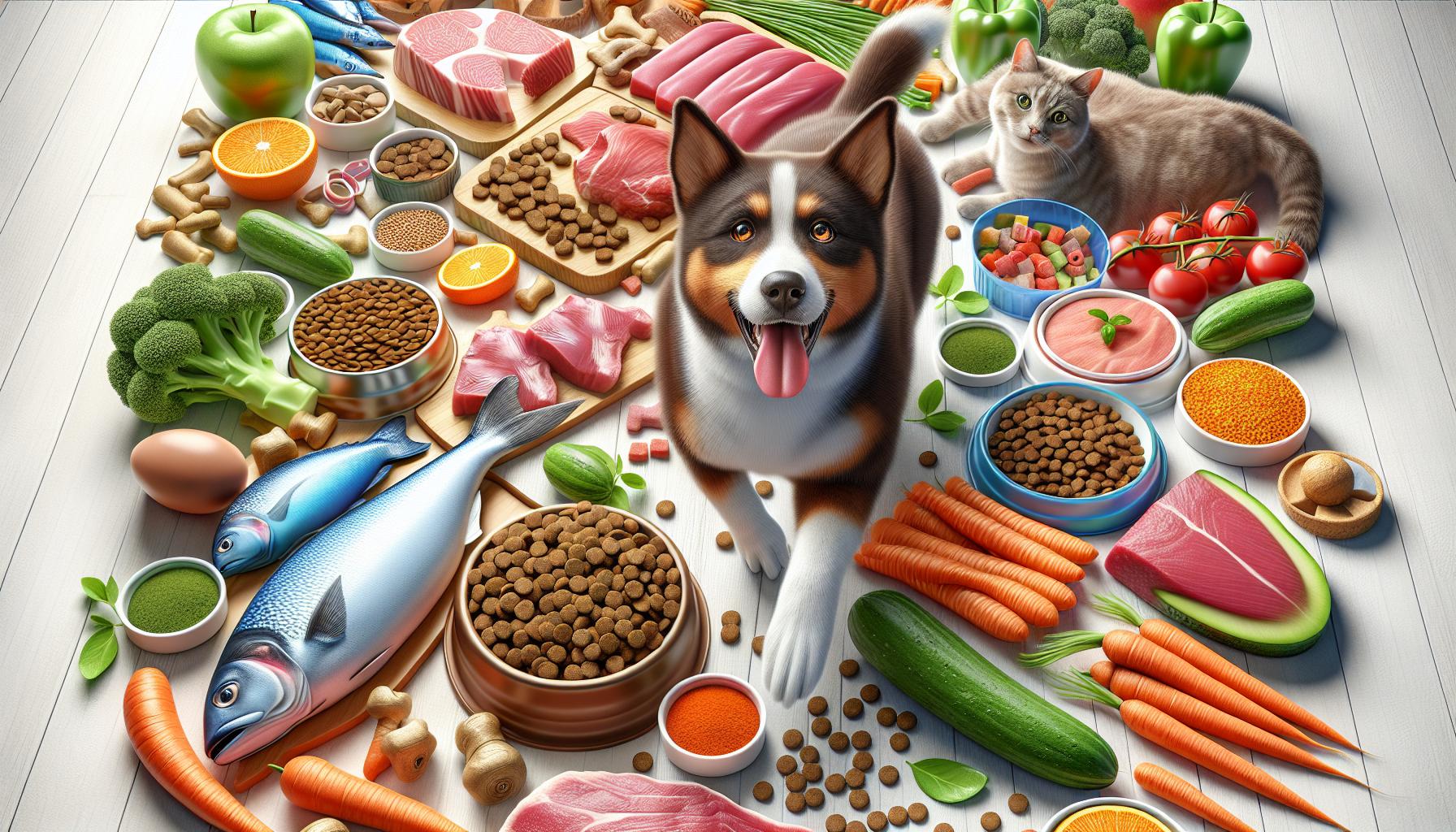
The Importance of Balanced Nutrition for Pets
As pet owners, we often strive to provide the best for our furry companions. A cornerstone of pet well-being is balanced nutrition, which plays a vital role in their overall health and longevity. The choices we make about what goes into our pets’ bowls can have lasting effects on their quality of life.
Proper nutrition is not just about filling a bowl with food; it’s about ensuring that our pets receive the right mix of nutrients tailored to their specific needs. A balanced diet impacts various aspects of health, including:
- Energy levels: Adequate nutrition fuels their daily activities. For instance, high-quality proteins provide the essential amino acids for energy and muscle development, especially in active breeds like Border Collies.
- Weight management: Balanced diets help in maintaining a healthy weight, which is crucial for preventing obesity-related diseases. Monitoring caloric intake and understanding portion sizes can prevent weight gain, especially in less active breeds like Bulldogs.
- Coat and skin quality: Proper nutrients enhance their appearance and comfort. Omega fatty acids, found in fish oil, can lead to a shiny coat and reduced skin irritations, which are common in breeds like the Golden Retriever.
- Digestive health: A well-rounded diet promotes a healthy gut. Ingredients like probiotics and fiber can aid digestion, contributing to overall gut health and reducing issues like diarrhea and constipation.
- Immune function: Quality nutrition strengthens their defenses against diseases. Antioxidants found in fruits and vegetables, such as blueberries and carrots, support the immune system, enhancing your pet’s ability to fight infections.
Understanding your pet’s specific needs is crucial. Factors such as age, size, breed, and activity level all influence their dietary requirements. For example, puppies have different nutritional needs compared to adult or senior dogs. The Association of American Feed Control Officials (AAFCO) provides guidelines on pet food labeling that can help owners identify appropriate diets based on these factors.
Moreover, the growing trend towards better pet nutrition in the United States has resulted in an increase in the availability of high-quality and specialized food options. Many owners are now opting for grain-free, organic, or raw food diets, aiming to mimic natural feeding practices and improve their pets’ well-being.
Learning more about balanced nutrition will empower you to make informed choices for your pet’s diet and health. Reading pet food labels, consulting with veterinarians, and researching reputable brands can help you navigate the overwhelming array of choices. Additionally, participating in discussions on forums or local pet communities can uncover valuable insights into the dietary needs of specific breeds and conditions.
LEARN MORE: Click here for valuable tips
Understanding Pet Nutritional Requirements
Finding the right balance in a pet’s diet is akin to walking a tightrope; it requires careful consideration and knowledge of their unique needs. Every pet, from the playful puppy to the wise old cat, has specific nutritional requirements that can change based on various factors. The most significant considerations include age, weight, activity level, and health conditions.
Puppies, for example, have a higher metabolic rate and require more protein and energy to support their rapid growth and development. Yet, as they mature into adults, their caloric needs decrease while their nutritional focus shifts toward maintaining body condition and preventing obesity. Senior pets, on the other hand, often require diets tailored to support joint health and manage weight effectively, as they typically become less active with age.
In the United States, organizations such as the Association of American Feed Control Officials (AAFCO) provide invaluable guidance on pet food labeling, helping pet owners navigate the complexities of pet nutrition. Understanding these labels is crucial for selecting the right diet. Here are some key components to look for in pet food:
- Protein Source: High-quality proteins support muscle development and overall health. Look for identifiable sources, such as chicken, beef, or fish, rather than vague terms like “meat by-products.”
- Fats and Oils: Essential fatty acids promote healthy skin and coat. Ingredients like chicken fat or fish oil are beneficial, especially for breeds predisposed to skin conditions.
- Carbohydrates: While not essential, carbohydrates provide supplemental energy. Whole grains like brown rice or oats can be beneficial, but grains should be balanced with appropriate protein in the diet.
- Vitamins and Minerals: These micronutrients play significant roles in various biochemical processes. A well-rounded diet should include a mix of fruits and vegetables to ensure pet food contains important vitamins and minerals.
- Probiotics and Prebiotics: These support digestive health and can reduce gastrointestinal issues. Look for ingredients like beet pulp or chicory root in your pet’s food.
The trend towards premium, specialized pet foods reflects a growing awareness among owners about the significance of balanced nutrition. The market now offers a wealth of options ranging from grain-free to raw diets, catering to a variety of preferences and beliefs about what constitutes optimal nutrition for pets. However, it is vital to approach these choices with a critical eye and, when in doubt, consult with a veterinarian who can provide guidance tailored to your pet’s individual needs.
Being proactive and well-informed about your pet’s dietary requirements will lead to healthier choices and enhance their well-being. Investing the time to research and understand balanced nutrition can yield immense benefits, helping ensure that your beloved companion lives a happy, fulfilling life, supported by a diet that meets their specific requirements.
| Advantages | Details |
|---|---|
| Enhanced Longevity | A balanced diet can significantly contribute to a pet’s lifespan by preventing chronic diseases. |
| Improved Vitality | Proper nutrition increases energy levels, allowing pets to be more active and enjoy life to the fullest. |
| Healthy Weight Management | Balanced nutrition helps maintain an ideal weight, reducing the risk of obesity-related conditions. |
| Improved Coat Condition | Nutrient-rich diets promote healthier skin and a shinier coat, enhancing your pet’s overall appearance. |
Balanced nutrition not only affects your pet’s immediate health but also has profound long-term benefits. By enhancing longevity, pet owners can enjoy more years with their furry companions. In addition, the impact on vitality should not be overlooked; pets with balanced diets are often more lively and playful, promoting a strong bond between pets and their owners. Furthermore, healthy weight management is critical in the fight against obesity—a common problem in pets. Lastly, a diet that supports improved coat condition enhances your pet’s outward appearance while reflecting their inner health. Understanding these factors is crucial for any responsible pet owner and motivates many to delve deeper into nutritional knowledge for their pets.
DISCOVER MORE: Click here to find inspiring stories
The Consequences of Nutritional Imbalances
While understanding pet nutritional requirements lays a solid foundation for ensuring the health of our furry friends, it is equally essential to grasp the potential consequences of imbalanced nutrition. Just like in humans, a poor diet can lead to a range of health issues in pets that may compromise their quality of life and longevity.
One of the most prevalent issues arising from suboptimal nutrition is obesity. In the United States, approximately 60% of dogs and 56% of cats are classified as overweight or obese according to the Association for Pet Obesity Prevention. This condition is more than just an aesthetic problem; obesity can lead to various health complications, including diabetes, heart disease, and joint problems, all of which require expensive treatments and can shorten a pet’s lifespan. Understanding how to calculate appropriate portion sizes and choosing the right food can mitigate this health risk.
Nutritional deficiencies can also manifest in a range of health concerns. For instance, insufficient protein intake can result in muscle wasting, poor coat quality, and even compromised immune function. Furthermore, deficiencies in essential fatty acids may lead to dry skin, coat shedding, and increased susceptibility to skin infections. Meanwhile, inadequate vitamins, such as Vitamin A or E, can lead to vision issues or poor reproductive health.
On the other side of the coin, an excessive intake of certain nutrients can be just as harmful. For example, an overabundance of calcium during the developmental stages of puppies can cause skeletal deformities, while an excess of phosphorus can contribute to kidney issues in older pets. This demonstrates why it’s crucial for pet owners to take a balanced approach to supplementing their pet’s diets, especially when feeding homemade or unusual diets.
Understanding Ingredients and Labels
Many pet owners are left in the dark about how to decipher complex ingredient lists on pet food packaging. While many brands boast high-quality ingredients, not all are created equal. The term “natural” doesn’t legally mean much in pet food. Often, *natural* ingredients are merely processed differently but can carry the same nutritional value as those deemed artificial. Thus, it’s essential to have a fundamental understanding of how each ingredient contributes to the overall nutritional profile.
Another challenge lies in the rise of grain-free diets, which have gained popularity among certain pet owners looking to cater to perceived allergies or sensitivities. However, recent studies have indicated potential links between grain-free diets and canine dilated cardiomyopathy (DCM), a heart condition reportedly rising in prevalence among certain breeds. This highlights the necessity of consulting with veterinarians before making significant changes to a pet’s diet as they can provide guidance in choosing diets that are both balanced and appropriate.
The Role of Regular Veterinary Consultations
Incorporating balanced nutrition should not solely rest on the shoulders of pet owners. Regular veterinary consultations are vital in monitoring a pet’s health and nutritional status. Veterinarians can recommend tailored diets based on thorough assessments of the pet’s weight, age, breed, and existing health conditions. They can also identify signs of nutritional deficiencies or excesses, which might otherwise go unnoticed and lead to long-term problems.
Arming oneself with knowledge and maintaining an ongoing dialogue with a veterinary professional creates a proactive approach toward your pet’s nutrition. Keeping pets healthy through balanced meals is an investment not just in their diet, but in their overall quality of life. The importance of nutrition in ensuring the longevity and happiness of our beloved pets cannot be overstated; it is an essential cornerstone of responsible pet ownership that warrants attention and action.
LEARN MORE: Click here for insights on pet nutrition
Conclusion
In summary, balanced nutrition is fundamental to the health and well-being of our pets. Just as in human health, the right combination of nutrients fosters not only a vibrant life but also prevents numerous ailments commonly associated with poor dietary choices. Understanding the implications of obesity, nutrient deficiencies, and excesses can empower pet owners to make informed decisions that directly impact their furry friends’ health and longevity.
As we navigate the maze of pet food labels and ingredient lists, it’s essential to remain vigilant and seek out options that genuinely meet the nutritional needs of our animals. The myths surrounding grain-free diets and the misinterpretation of terms like “natural” underscore the importance of knowledge and awareness in our selection processes. Moreover, consultation with a veterinary professional provides invaluable insights tailored to individual pets, identifying dietary adjustments that can mitigate risks and enhance health.
Ultimately, investing in a pet’s nutrition is investing in their happiness and quality of life. As pet owners, it is our responsibility to ensure our companions receive a balanced diet that fortifies their health and nurtures their spirits. By prioritizing nutrition alongside regular veterinary care, we can pave the way for longer, healthier lives for our beloved pets. Remember, a well-fed pet is a happy pet, and it is never too late to learn more about the best dietary practices for their care.