Exploring the Role of Socialization in Puppy Training

The Role of Socialization in Puppy Training
The journey of puppy training begins long before your furry friend learns basic commands such as “sit” or “stay.” One of the most crucial aspects of this process is socialization. This stage is essential for ensuring that puppies can interact positively with people, other animals, and various environments, thereby laying a solid foundation for their future behavior and temperament.
Effective socialization is critical for puppies to develop into well-adjusted adult dogs. Primarily, it helps them learn how to react in diverse situations, which can significantly reduce unwanted behaviors in adulthood. Here are some key points to consider:
- Early Exposure: Puppies are most receptive to new experiences between the ages of 3 to 14 weeks. Introducing them early to a myriad of sounds such as vacuum cleaners, honking cars, and bustling crowds can prevent them from developing fears and anxieties later in life. For example, a puppy that is accustomed to the noise of everyday household activities is less likely to exhibit fear behaviors as an adult dog.
- Positive Interactions: Equipping your puppy with the skills necessary to engage positively with other pets and people fosters confidence and significantly reduces the likelihood of aggression. For instance, facilitating playdates with other friendly dogs can teach them social cues. This kind of exposure can transform a timid puppy into a confident and well-adjusted adult.
- Behavioral Development: A well-socialized puppy often displays better obedience and has diminished behavioral issues. They are more likely to respond positively to training, making their owners’ lives easier. Socialized dogs are also usually more adaptable when faced with changes, such as moving to a new home or introducing a new family member.
In the United States, the importance of starting socialization early cannot be overstated. This critical timeframe allows puppies to be more adaptable and resilient. However, many pet owners overlook this vital step, which can lead to challenges as their dogs mature, such as fearfulness or aggression towards unfamiliar situations.
This article will further explore the significance of socialization in puppy training, highlighting effective strategies, long-term benefits, and common pitfalls that owners might encounter. By understanding this essential phase, owners can cultivate a happy, confident, and well-mannered companion that will enrich their lives for years to come.
The Importance of Early Socialization
Understanding the profound impact of early socialization on a puppy’s development cannot be understated. Puppies enter the world with a natural curiosity, and during their formative weeks, they are like sponges, eagerly absorbing experiences that shape their future behavior. The right kind of socialization during this period can be the difference between a well-adjusted dog and one that struggles with anxiety or aggression.
One of the key elements of effective socialization is the exposure to a variety of environments. Puppies should be gradually introduced to different settings—be it parks, busy streets, or even family gatherings. This exposure helps them learn to navigate various situations, leading to enhanced adaptability. For instance, a puppy that has experienced the hustle and bustle of a city environment is likely to respond more calmly when faced with the same stimuli later in life.
Essential Experiences for Puppies
To ensure a well-rounded socialization experience, pet owners should strive to incorporate numerous types of interactions. Here are some essential experiences for puppies during their early weeks:
- Interaction with Different People: Encourage your puppy to meet individuals of various ages, genders, and ethnicities. These experiences can help reduce the chances of developing fear or mistrust of unfamiliar people.
- Exposure to Various Animals: Facilitating meetings with other friendly dogs, as well as different types of animals such as cats or rabbits, can enhance your puppy’s confidence in dealing with diverse species.
- New Sounds and Scents: Introduce your puppy to a variety of sounds—from doorbells to thunder—to build resilience. Additionally, allowing them to explore different smells can be stimulating and promote good exploratory instincts.
Integrating these experiences into your puppy’s early life lays a foundation for positive behavioral development. The less a dog is exposed to during early socialization phases, the more likely they are to react negatively later on to situations they perceive as unfamiliar or threatening. It is critical to remember that while natural instincts are important, learned behaviors often shape how a dog interacts with the world.
Consequences of Inadequate Socialization
In the United States, it is unfortunately common for puppy owners to overlook this essential aspect of training. Many puppies miss the crucial window of socialization, which can lead to various behavioral issues as they grow older. Problems such as excessive barking, fear-based reactions, and even aggression can often be traced back to insufficient exposure during this developmental stage. Furthermore, dogs that have not been properly socialized may face difficulties in training and are more likely to end up in shelters due to non-compliance or behavior issues.
Thus, it becomes evident that effective socialization is the cornerstone of successful puppy training. The benefits ripple throughout a dog’s life, impacting their interactions and experiences as adult dogs. With a few strategic steps and a commitment to providing enriching experiences, you can set the stage for a rewarding relationship with your canine companion.
| Advantages | Details |
|---|---|
| Enhanced Behavior | Socialization promotes a well-rounded temperament, decreasing the likelihood of behavioral issues later on. |
| Confidence Building | Exposing puppies to diverse environments and situations fosters confidence and adaptability in different scenarios. |
| Stronger Bonds | Regular socialization can strengthen the bond between the puppy and owner, leading to better obedience and understanding. |
| Reduced Fear | Socialization minimizes fear responses to new experiences, aiding in emotional stability as the dog matures. |
Engaging in consistent socialization activities allows puppies to form vital skills that promote their overall growth and development. These advantages not only pave the way for a harmonious life at home but also prepare the puppy to thrive in public spaces and around various people and animals. The early experiences during puppyhood directly influence the type of adult dog they will become, making socialization a cornerstone of effective puppy training. Delving deeper into these activities can lead to a profoundly rewarding relationship between a puppy and its owner, generating a lifetime of positive experiences and understanding.
Building Trust and Confidence Through Socialization
Socialization is not just about exposure; it’s also about creating a sense of trust and confidence in your puppy. Puppies thrive on positive experiences, and these formative interactions significantly influence their emotional development. When puppies engage positively with their environment and the people around them, they learn to view the world as a safe and welcoming place. This foundational trust aids in effective puppy training, making it easier to teach basic commands and later, more complex behaviors.
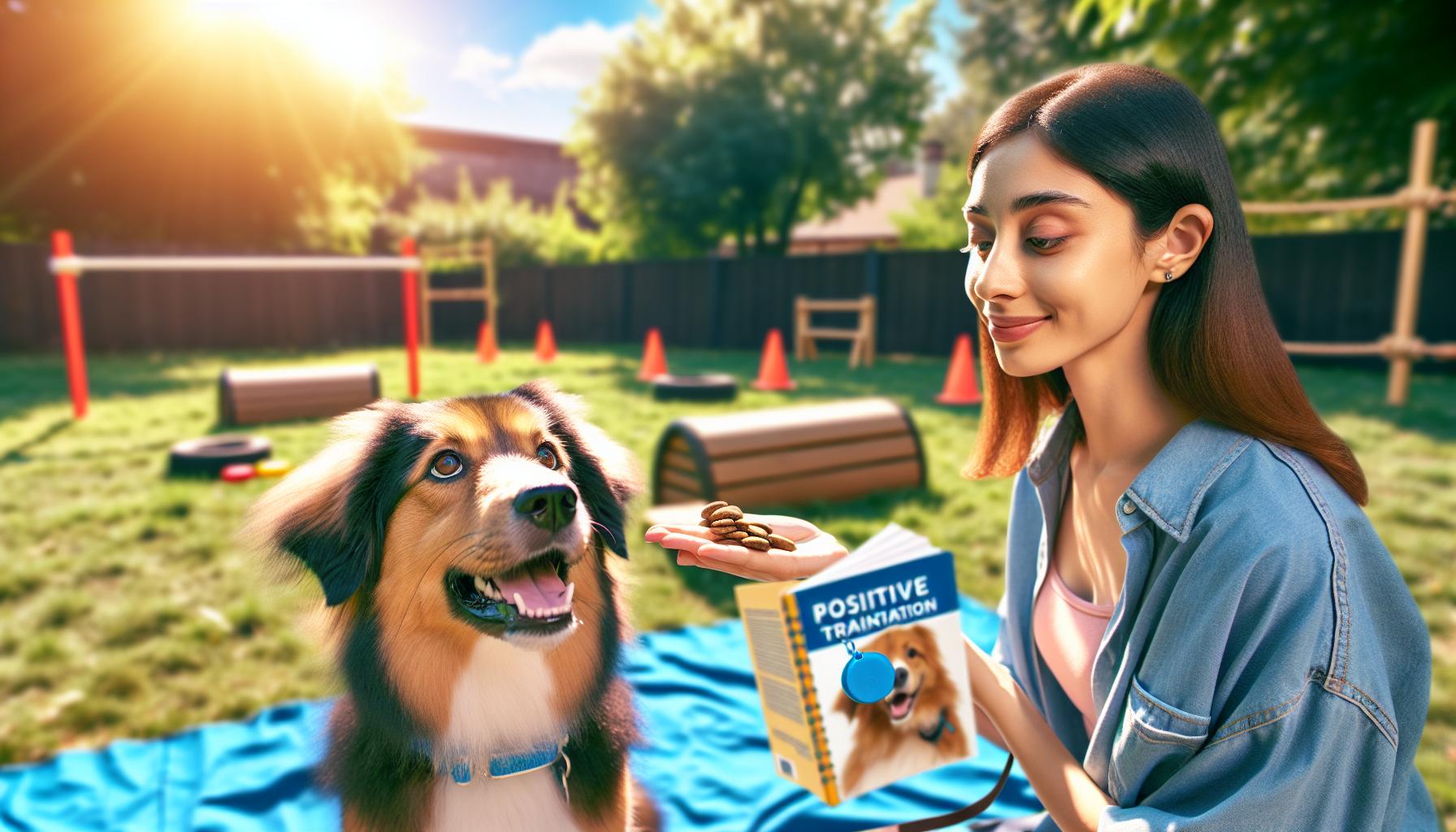
For instance, incorporating positive reinforcement during socialization can further enhance a puppy’s response to new experiences. Using treats, toys, and praise when a puppy encounters a new person or situation can create positive associations, making them more willing to engage. According to a study published in the Journal of Animal Behavior, puppies that received consistent positive reinforcement during socialization were better able to deal with stress as adults, showcasing improved coping mechanisms compared to those who were not positively reinforced.
Create Structured Socialization Opportunities
While spontaneous socialization experiences occur in various environments, pet owners can greatly benefit from creating structured opportunities for their puppies to socialize. Puppy training classes, for example, serve as excellent venues where young dogs can interact with each other under the guidance of a professional trainer. In these settings, puppies not only learn to play and communicate with peers but also receive essential training that reinforces appropriate canine behavior.
Moreover, group classes allow owners to meet other dog owners, building a supportive community. These human interactions can positively affect a puppy’s social skills, encouraging them to adapt comfortably around diverse people. Research indicates that dogs who regularly attend socialization classes tend to develop less fear and anxiety in various situations, highlighting the benefits of structured interactions.
The Role of Play in Socialization
Another underestimated component of puppy socialization is the role of play. Puppies learn a great deal about social hierarchies, communication:- Body Language: Through play, they begin to interpret non-verbal cues such as growls, barks, and other canine body language that inform them of their counterparts’ feelings and intentions.- Conflict Resolution: Play helps puppies understand how to manage conflicts and develop critical problem-solving skills. Puppies learn to take turns and interact positively, which fosters a sense of cooperation even as they grow into adulthood.- Physical Skills: Engaging in various play styles, whether chasing balls or tugging on ropes, fosters both physical agility and emotional bonding with other dogs. This well-rounded physical play facilitates healthy development, laying the groundwork for effective training and everyday interactions.
In a playful environment, puppies are less likely to exhibit fear-based behaviors. Instead, they thrive on camaraderie, which is vital for long-term emotional health. Dog trainers emphasize the value of “playdates” with other friendly dogs, suggesting that structured play not only enriches a puppy’s social experiences but also teaches vital conflict resolution skills.
Recognizing Your Puppy’s Individual Needs
It is essential to remember that each puppy is unique; some may be more timid or cautious than others. Thus, understanding your puppy’s individual temperament can guide how you approach their socialization. For example, a shy puppy may benefit from slower introductions to new experiences, minimizing overwhelming stimuli during the early stages. On the other hand, social butterflies may thrive in busy environments.
Keeping a close eye on your puppy’s reactions during socialization allows you to tailor experiences to their needs. This individualized approach not only bolsters your puppy’s confidence but strengthens the bond between you and your canine friend.
Conclusion: The Lifelong Impact of Puppy Socialization
As we’ve explored, the role of socialization in puppy training cannot be understated. It serves as the bedrock for establishing trust and confidence, ensuring that puppies view their world as a safe space where they can thrive. By engaging in structured socialization opportunities, such as puppy training classes and intentionally arranged playdates, owners can instill invaluable skills in their furry friends. Positive reinforcement during these interactions, coupled with the natural lessons learned through play, supports emotional well-being and fosters adaptability in various situations.
Moreover, acknowledging your puppy’s individual needs is paramount. Tailoring socialization experiences to fit their unique temperament not only nurtures their growth but also solidifies the bond between you and your pet. This understanding leads to a happier, more socially adept dog who is well-equipped to handle life’s challenges.
In conclusion, socializing your puppy is an investment that pays off in numerous ways. Not only does it prepare them for successful integration into society, but it also enhances their psychological resilience. As such, the effort you put into socializing your pup today will yield lasting benefits, making it a critical component of responsible dog ownership. So embark on this enriching journey; the future of your puppy’s happiness and behavior depends on it.