
Veterinary Telemedicine: How Technology is Transforming Pet Care
Technological Advancements in Veterinary Medicine
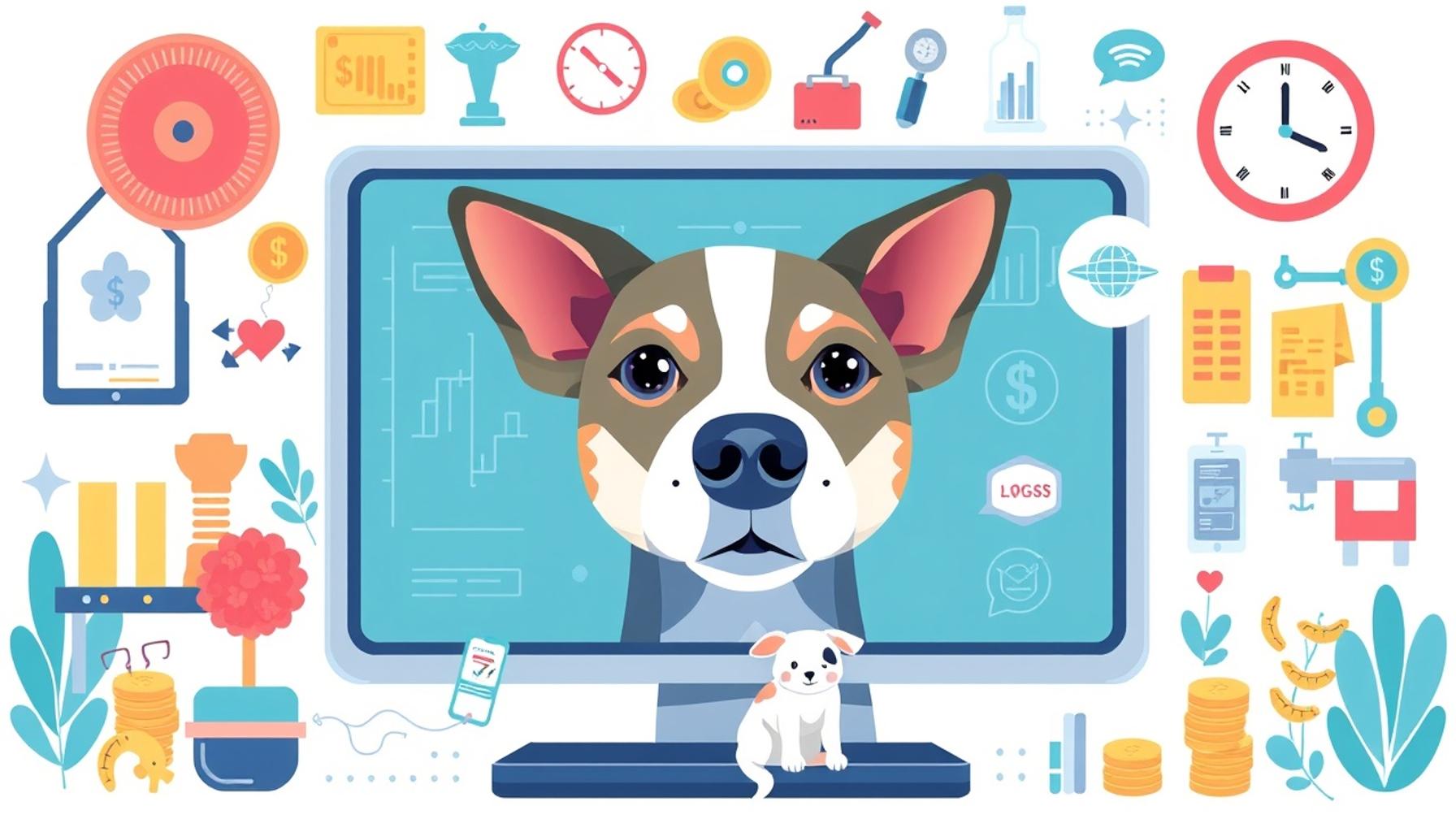
In recent years, the field of veterinary medicine has experienced a profound shift thanks to technological advancements. Veterinary telemedicine is revolutionizing how pet owners access care for their furry companions, making it more convenient and efficient than ever before. This technology enables consultations via video calls, messaging apps, and specialized telehealth platforms that cater specifically to pets. Such innovations create new possibilities for pet health management.
Accessible Consultations
One of the most significant advantages of veterinary telemedicine is the ability for pet owners to engage in consultations from the comfort of their homes. This accessibility is particularly vital for those living in rural areas where distances to veterinary clinics can be significant. For instance, a dog owner in a remote part of Montana can easily connect with a specialist in Denver without the need for a long drive.
Quick Triage for Urgent Concerns
Another noteworthy benefit is the quick triage of urgent pet health concerns. In many cases, pet owners face uncertainty about whether a situation requires immediate medical attention. Through telemedicine, veterinarians can provide immediate advice, helping to alleviate worries and guide pet owners on whether to seek emergency care. For example, if a cat suddenly exhibits signs of distress after eating something it shouldn’t, a quick video consultation can clarify whether the situation is critical or can wait for an in-person visit.
Cost-Effectiveness
Veterinary telemedicine also presents a cost-effective option for many pet owners. By reducing the necessity for travel, these services save both time and money that might otherwise be spent on gas, potential time off work, or even pet boarding if a visit is prolonged. Moreover, some telehealth services offer subscription models, whereby pet owners can access multiple consultations for a monthly or annual fee, enhancing the overall affordability of routine care.
Impact on Veterinary Clinics
In the United States, busy lifestyles often lead to delays in obtaining medical attention for pets. Veterinary telemedicine can help alleviate pressure on veterinary clinics by offering alternative solutions for non-emergency issues. For instance, minor dermatological concerns or dietary inquiries can be addressed virtually, allowing clinics to focus more resources on critical cases that require hands-on examination. This shift not only streamlines operations but also enhances overall care in veterinary practices.

Future Innovations in Pet Care
As this technology continues to evolve, it prompts an exploration of its implications for the future of pet care. Emerging trends, such as the integration of artificial intelligence in symptom assessments and personalized health tracking through wearables, hint at a future where veterinarians and pet owners can work in an even more data-driven manner. What could the next innovations look like? These will likely aim to further enhance the human-animal bond by providing seamless communication and tailored health solutions.
In the following sections, we will delve deeper into how veterinary telemedicine is reshaping the industry and what pet owners need to know to make the most of this transformative trend. By embracing these advancements, both pets and their owners can enjoy a higher standard of care that is both modern and responsive to their needs.
Enhancing Communication Between Pet Owners and Veterinarians
At the heart of veterinary telemedicine lies an enhanced communication model that significantly enriches the relationship between pet owners and veterinarians. In a world where time is a precious commodity, immediate access to a veterinarian’s expertise can make all the difference in ensuring the health and wellbeing of pets. Whether through video calls, chat messaging, or dedicated mobile applications, the ability for pet owners to consult with veterinary professionals has never been easier.
Building Relationships in a Digital Age
The traditional model of veterinary care often led to limited interaction between pet owners and practitioners. Long waits for in-person appointments could create a disconnect, leaving owners anxious during critical moments. With telemedicine, the paradigm shifts as pet owners can connect with their veterinarians whenever needed. The utilization of digital platforms not only facilitates the exchange of important information regarding pet health but also fosters a stronger bond between veterinarians and pet parents. This connection is vital, as it can lead to better adherence to treatment plans and a greater commitment to preventative care.
Remote Monitoring and Follow-Up Care
Another transformative aspect of veterinary telemedicine is the capability for remote monitoring and follow-up care. Doctors can track patients’ progress by analyzing data collected through various gadgets and applications. Pet wearables, such as fitness trackers, have become commonplace and can be linked to veterinary telemedicine platforms, allowing for a streamlined communication channel where real-time data on pet health is shared. This can be particularly beneficial for pets with chronic conditions, by enabling veterinarians to make timely adjustments to treatment plans without requiring frequent office visits. The practice of chronic disease management through telemedicine is becoming increasingly popular among responsible pet owners, who seek to provide the best care for their companions while navigating the complexities of modern life.
Streamlined Record Keeping
The integration of technology in veterinary medicine also means improved record keeping. Telemedicine platforms often feature comprehensive databases that store medical history, vaccination records, and previous consultation notes securely and accessibly. This digital evolution ensures that both pet owners and veterinarians have all pertinent information at their fingertips, fostering more informed decision-making during consultations. Pet owners have the peace of mind of knowing that historical medical data is consistently available, and veterinarians can deliver more accurate diagnoses based on a complete medical background.
Key Advantages of Veterinary Telemedicine
The growing popularity of telemedicine in pet care is driven by multiple advantages, including:
- Convenience: Reduced travel and wait times translate to immediate consultation availability.
- Increased accessibility: Pet owners can consult veterinarians from anywhere, including remote locations.
- Enhanced care continuity: Regular follow-ups and monitoring lead to better health outcomes for pets.
- Educational resources: Pet owners gain access to a wealth of information and advice to better care for their pets.
As veterinary telemedicine continues to evolve and gain traction, it is clear that both pet owners and veterinarians stand to benefit from these advancements. By making use of technology, veterinary professionals are not only enhancing their practice but ultimately improving the quality of life for pets across the United States.
Transformative Effects of Veterinary Telemedicine on Pet Care
The rise of veterinary telemedicine has brought forth a revolutionary shift in the way pet healthcare is delivered. One of the most significant impacts is the increase in accessibility to veterinary services. Pet owners, especially in remote or underserved regions, can now connect with veterinary professionals without the need for lengthy travels. This is particularly crucial for urgent consultations, where time is of the essence. Virtual consultations enable pet parents to have real-time discussions with vets, leading to quicker diagnosis and treatment plans.Moreover, telemedicine platforms often offer 24/7 access to veterinary advice. This means that pet owners can seek help at any hour, alleviating concerns for those facing after-hours emergencies. The convenience of scheduling appointments from home also enhances the pet care experience, reducing the stress often associated with in-clinic visits. Cost-effectiveness is another compelling aspect of telemedicine. Traditional veterinary visits can be pricey, considering travel, time off work, and potential add-ons. With telemedicine, many initial consultations can be conducted at a lower cost, making essential veterinary care more affordable for all pet owners. Additionally, technological advancements facilitate the secure sharing of health records, lab results, and treatment histories between vets and pet owners. This seamless flow of information improves the continuity of care, ensuring that pets receive informed and cohesive treatment plans over time. In essence, veterinary telemedicine not only enhances pet care accessibility but also empowers pet owners, making them active participants in their pets’ health journeys. As this trend continues to grow, the potential for improving veterinary services further is immense, urging stakeholders in the veterinary field to embrace these new technologies and methods.
| Category 1 | Category 2 |
|---|---|
| Accessibility | Enables remote consultations for pet owners without easy access to clinics. |
| Convenience | Scheduling appointments from home reduces stress and time commitment. |
| Cost-effectiveness | Lower initial consultation costs help make veterinary care more affordable. |
| Continuity of Care | Secure sharing of health records improves ongoing treatment efficiency. |
Expanding Access to Specialized Care
One of the most pivotal shifts brought about by veterinary telemedicine is the enhanced access to specialized care for pets. Previously, seeking a specialist often required pet owners to travel long distances to urban centers, wasting precious time and resources. Now, consultations with veterinary specialists in fields such as cardiology, dermatology, and oncology can be conducted from the comfort of a pet owner’s home. This not only increases the availability of expert advice but also provides an opportunity for pet parents in remote areas to receive top-tier care without the associated logistical burdens.
Consulting with Specialists Without Leaving Home
Through telemedicine platforms, pet owners can schedule virtual appointments with specialists. For example, a pet suffering from skin issues can now connect directly with a veterinary dermatologist who can assess the problem through video calls and recommend the best course of action. The use of advanced imaging tools, such as digital x-rays, can also enhance these consultations by allowing specialists to analyze images instantly and offer recommendations in real time. This immediacy can lead to quicker diagnoses and treatments, which are crucial for the health of the animal.
Cost-Effectiveness of Telemedicine
While quality pet care often comes with significant expenses, veterinary telemedicine can contribute to reduced overall costs. Virtual consultations typically come at a lower price point compared to in-person visits, making routine check-ups more feasible for pet owners who may otherwise struggle to afford comprehensive care for their pets. Furthermore, less frequent travel to veterinary clinics can eliminate costs associated with transportation and prevent potential income loss from taking time off work.
Guiding Emergency Situations
In moments of crisis, every second counts. Telemedicine empowers pet owners to consult veterinarians during emergencies, allowing for immediate advice when faced with urgent situations. By utilizing video calls, a veterinarian can assess the situation and provide guidance on whether the pet needs immediate in-person treatment or if home care measures can be implemented safely. This facility can alleviate stress for pet owners by providing reassurance and direction during emergencies.
The Role of Technology in Disease Prevention
Moreover, telemedicine plays a significant role in proactive pet care, primarily through increased education and timely preventative measures. Many telemedicine platforms provide pet owners with access to valuable resources such as webinars, articles, and video tutorials on various topics related to pet health. This information empowers owners to recognize early signs of illness, understand vaccination schedules, and implement appropriate preventative measures— thereby fostering a healthier future for their pets.
Integration with Veterinary Practices
As veterinary telemedicine becomes more integrated into veterinary practices, clinics can benefit from streamlined workflows that maximize efficiency. Many telemedicine services can synchronize seamlessly with existing electronic health record (EHR) systems. This integration allows for a comprehensive view of a pet’s medical history and ensures that all consultations, whether virtual or in-person, are consistently tracked. Such holistic visibility enhances the quality of care delivered and further strengthens the veterinarian-pet owner relationship.
With advancements in veterinary telemedicine continuously evolving, the next frontier promises even broader horizons for pet care. As technology continues to reshape how veterinary services are delivered, pet ownership in the United States is poised to become not just a duty, but a highly interactive, informed, and dynamic journey that benefits both pets and their owners alike.
Conclusion: The Future of Pet Care is Here
As we explore the transformative impact of veterinary telemedicine, it becomes evident that technology is revolutionizing how pet care is delivered and received. The ability to connect pet owners with specialists from widely diverse fields through virtual platforms not only enhances access to specialized care but also personalizes the veterinary experience, making it more efficient and effective. This innovation empowers pet owners, regardless of their geographic location, to seek out the best possible treatment for their furry companions.
The cost-effectiveness of telemedicine in veterinary services contributes significantly to the overall affordability of pet healthcare, allowing more owners to prioritize regular check-ups and preventative measures. This financial relief, combined with the immediacy of virtual consultations during emergency situations, positions telemedicine as a critical tool in safeguarding pet health.
Moreover, the comprehensive integration of telemedicine into traditional veterinary practices holds the promise of enhanced communication between veterinarians and pet owners, ultimately leading to improved health outcomes for pets. In an increasingly digital age, pet owners can harness technology to become well-informed advocates for their pets, fostering a partnership with their veterinarians that ensures proactive, preventive care.
As we look to the future, it’s crucial for pet owners and veterinarians alike to embrace this digital shift. The narrative of pet ownership is evolving—no longer a mere obligation but a dynamic, collaborative journey enhanced by healthcare innovation. With every technological advancement, we step closer to a world where high-quality, accessible veterinary care is the standard, ensuring a brighter future for our beloved pets.