Using Agility Training to Enhance Your Pet’s Physical and Mental Well-being
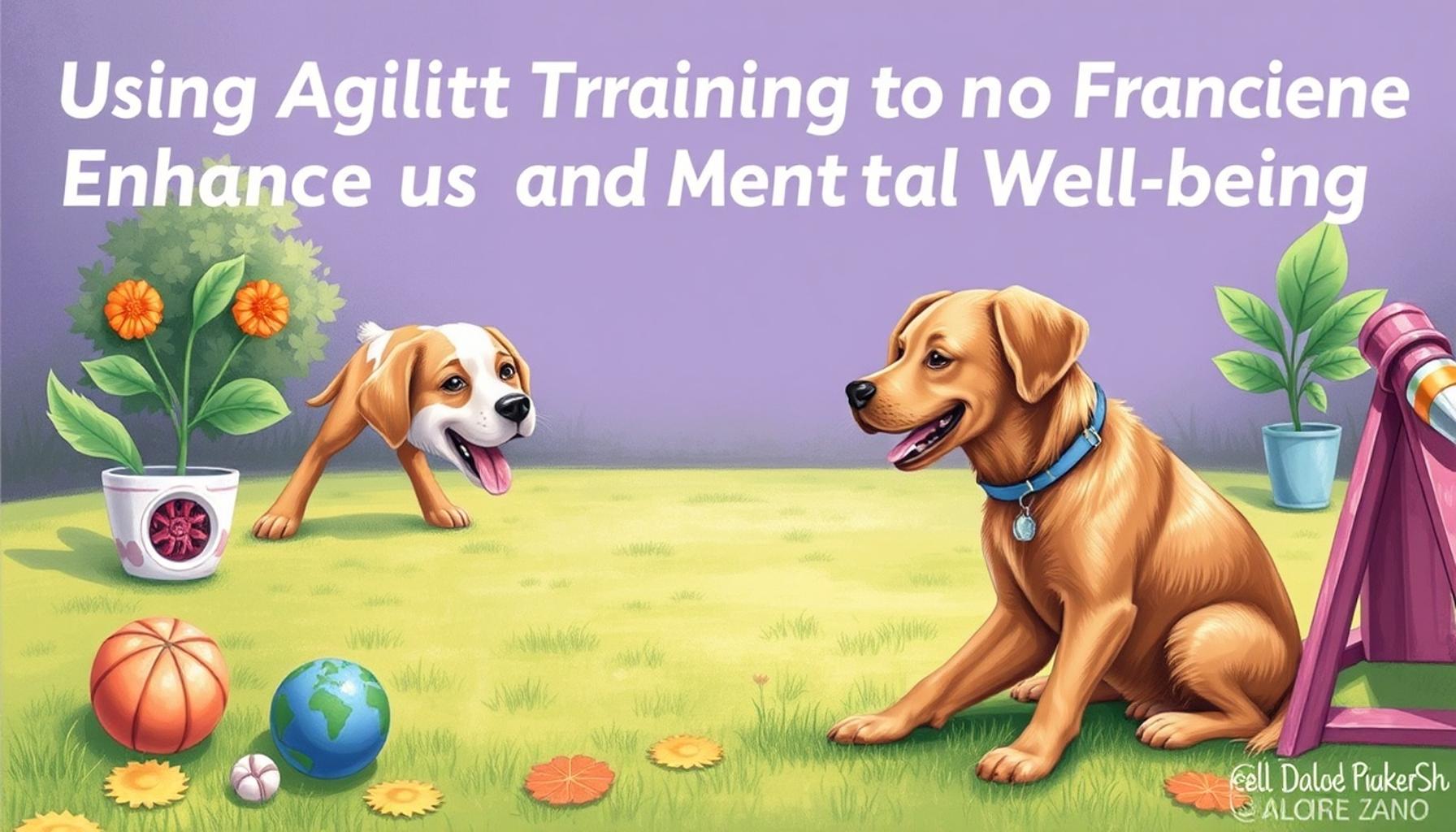
Enhancing Your Pet’s Well-being Through Agility Training
Have you ever wondered how to make your pet more active and mentally stimulated? Agility training offers an engaging and fun way to enhance your furry friend’s overall well-being. This dynamic practice not only boosts physical health but also nourishes their mental faculties, leading to a happier and more fulfilled pet.
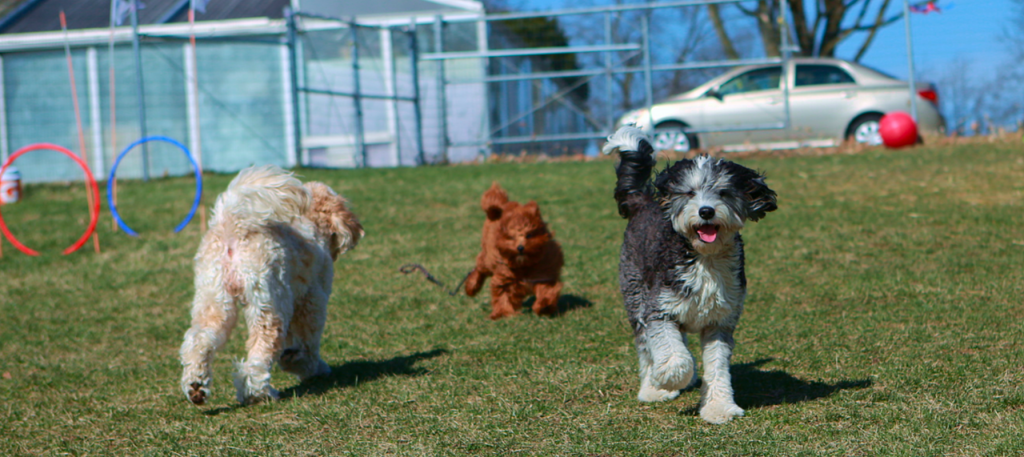
Agility courses are designed to test and improve your pet’s physical capabilities and mental agility. Participants navigate through a course that includes a variety of obstacles—think tunnels, weave poles, jumps, and even seesaws. Just as athletes train for their respective sports, your pets engage in a series of exercises that challenge their coordination, strength, and speed.
Here are some key benefits of agility training:
- Increased physical fitness: Regular training sessions improve cardiovascular health, muscle tone, and overall physical stamina, which is especially beneficial for idle pets. A well-fit pet is less susceptible to obesity-related issues, such as diabetes and heart disease.
- Mental stimulation: Navigating courses challenges pets to think critically and improve focus. The problem-solving aspect of agility training is akin to a puzzle, encouraging pets to overcome obstacles while enhancing their cognitive skills.
- Strengthened bond: Working together enhances the relationship between you and your pet. Training sessions can bolster trust and communication, creating a reliable partnership that benefits other areas of your interactions.
Agility training is suitable for various pets, with many dogs being natural athletes that excel in this activity. However, some adventurous cats can also join in on the fun! Equipment is readily available through local pet stores and online retailers, or you can even create DIY agility setups at home using everyday materials. For instance, you might use colorful cones for weaving, cardboard boxes as tunnels, or even broomsticks balanced on books for jumps.
In the United States, countless communities offer agility classes, where you can connect with other dog and cat lovers while furthering your pet’s skills. You might find local training clubs, organized competitions, and networking opportunities that enrich your pet and your experience alike. Events such as the American Kennel Club (AKC) Agility Championships highlight just how popular this sport has become, attracting enthusiastic participants from all over.
As we delve deeper into the world of agility training, you’ll discover how this simple yet effective activity can transform your pet’s life. Understanding the physical and mental benefits will inspire you to get started and see remarkable improvements in your beloved companion. Embrace the opportunity not only to improve their health but also to cultivate joy and adventure in your shared lives.
The Foundation of Agility Training: Understanding the Basics
Before diving into the numerous benefits of agility training, it’s essential to understand the foundational aspects of this exciting sport. At its core, agility training involves guiding your pet through a series of obstacles with precision and speed, creating an exhilarating experience that sharpens both body and mind. The beauty of agility lies in its versatility, as it can be tailored to suit various skill levels and physical abilities of your pet.
To get started, you’ll typically need some basic equipment, which can be found in pet supply stores or online. Essential items include:
- Tunnels: These provide a fun and stimulating way for pets to build confidence as they learn to navigate through enclosed spaces.
- Weave poles: These help improve coordination and agility, requiring pets to think while moving swiftly through the course.
- Jumps: Incorporating jumps into training boosts your pet’s strength and cardiovascular fitness, as they learn to jump over varying heights.
- Contact equipment: Items like seesaws and A-frames challenge balance and concentration, promoting greater physical engagement during training.
One of the first steps in introducing agility training is to create a positive association with the equipment. Many pets may initially be hesitant or unsure of the obstacles, which makes your encouragement and reinforcement absolutely crucial. Use treats, praise, and a playful tone to motivate your pet, ensuring that the agility course remains a fun and exciting environment. Over time, your pet will gain confidence and improve their skills as they become familiar with each challenge.
The Role of Positive Reinforcement in Agility Training
Positive reinforcement is a vital component of successful agility training. By consistently rewarding your pet for successfully navigating the course, you can reinforce desired behaviors and encourage them to try even harder. Whether it’s a tasty treat, verbal praise, or playtime with their favorite toy, recognizing your pet’s achievements will help build their confidence and eagerness to participate.
Research has shown that positive reinforcement techniques provide greater long-term benefits compared to punitive measures. This not only creates a more positive training atmosphere, but it also fosters a stronger bond between you and your pet. As you work together towards reaching your agility goals, you’ll find that the mutual trust you cultivate through this process can extend beyond the training sessions, positively impacting your daily interactions.
Agility training is more than just a physical challenge. As you explore this activity with your pet, you will find it offers countless opportunities for mental engagement, further enriching their emotional health. With each leap, weave, and tunnel, your pet is not just exercising; they are developing critical thinking skills, improving their focus, and experiencing new surroundings. All of these factors contribute to their overall well-being, making agility training a rewarding endeavor for both you and your furry companion.
| Benefits | Aspects |
|---|---|
| Increased Physical Fitness | Agility training promotes cardiovascular health and muscle development in your pet. |
| Mental Stimulation | Engaging in agility courses enhances problem-solving skills and focus. |
| Strengthened Bond | Training together fosters communication and trust between you and your pet. |
| Behavioral Improvement | Regular training can reduce anxiety and promote better obedience. |
| Enhanced Socialization | Interacting with other pets and handlers during training enriches your pet’s social skills. |
Agility training is not just a fun activity; it significantly contributes to your pet’s overall well-being. By focusing on both physical and mental aspects, you can witness improvements that are both immediate and long-term. Whether it’s a leaner physique, sharper mind, or an enhanced rapport with you, the rewards are undeniable. With agility training, your pet can overcome challenges while enjoying the training process, making it an exhilarating experience for both owner and pet.
Building a Stronger Bond through Agility Training
Beyond the immediate physical benefits of agility training, one of the most profound advantages lies in the enhanced relationship it fosters between you and your pet. Engaging in this dynamic sport not only promotes teamwork but also builds trust and understanding. As you navigate the course together, you learn to communicate more effectively with your pet, creating a shared language based on cues, signals, and body language.
Many pet owners report that their dogs become more responsive and attentive during everyday activities as a result of agility training. This improvement stems from the increased mental engagement that agility demands. Throughout the training process, your pet is learning to listen for commands and anticipate your movements, which translates into better behavior both on and off the course. This heightened responsiveness can make walks, outings, and playtime much more enjoyable for both of you.
The Cognitive Benefits of Agility Training
Agility training is not merely a physical challenge; it is a comprehensive workout for your pet’s brain as well. Through navigating various obstacles, your pet is constantly required to think critically and make split-second decisions. Research indicates that similar to humans, mental challenges help maintain cognitive health in pets, especially as they age. Activities such as agility training can delay cognitive decline in older dogs, keeping their minds sharp and engaged for years longer.
Additionally, agility training encourages your pet to develop problem-solving skills. When faced with a new obstacle, your pet must assess the challenge and figure out the best way to overcome it. This process can lead to greater confidence in unfamiliar situations, reducing anxiety and fearfulness that some pets may have when exposed to new environments or stimuli.
Physical Advantages of Regular Agility Training
The physical benefits of agility training extend beyond just improving muscle tone and cardiovascular health. Regular practice can enhance your pet’s overall coordination and balance, which are essential for preventing injuries. Just as elite athletes undergo rigorous training to enhance their performance, so too can your pet benefit from the structured nature of agility courses. This is especially important for breeds predisposed to joint issues or mobility problems, such as larger breeds or those with existing conditions.
A recent study has shown that consistently participating in agility training can lead to a significant reduction in obesity rates in pets. Regular exercise allows for burning off excess calories, while the mental stimulation keeps the activity enjoyable, ensuring your pet is less likely to experience boredom-related weight gain. This is particularly vital in a country like the United States, where the rate of pet obesity has risen dramatically over recent years.
Exploring the Socialization Opportunities of Agility Training
Agility training also serves as an excellent socializing opportunity for pets, particularly in group classes or clubs. Interacting with other pets and people in a structured setting can help reduce fear and aggression, leading to a more well-rounded and sociable pet. This socialization aspect is a crucial element of your pet’s emotional well-being. Additionally, it offers you, the owner, the chance to connect with like-minded individuals who share your passion for training and caring for pets.
Whether you decide to compete in local agility trials or simply train for fun, the community aspect of agility training can provide ongoing motivation for both you and your pet, further enhancing the joy of this engaging and fulfilling activity. As you explore the multifaceted benefits of agility training, you’ll discover not just a method for improving your pet’s physical and mental health but also an enriching path to create lasting memories and bonds.
Conclusion: The Transformative Power of Agility Training
In summary, using agility training as a means to enhance your pet’s physical and mental well-being presents a myriad of benefits that reach far beyond mere sport. From fostering a deeper bond between you and your pet through teamwork and communication to sharpening their cognitive skills through problem-solving challenges, agility training serves as a powerful tool for growth and enrichment.
Beyond the tangible improvements in strength, coordination, and cardiovascular health, agility training profoundly enhances your pet’s emotional health. The socialization opportunities presented in structured classes not only alleviate behavioral issues but also encourage a more confident and well-rounded pet. Moreover, the diminishing prevalence of obesity through regular agility practice highlights its vital role in promoting longevity and vitality.
As you embark on this journey of agility training, you’ll likely find it a rewarding experience for both you and your pet, filled with shared accomplishments and joyful memories. With each course navigated and each obstacle overcome, you are building not only a stronger pet but also a healthier lifestyle for the both of you. To further explore the benefits and techniques of agility training, consider connecting with local clubs or resources that can guide you and your pet on this exciting path. The investment you make today in agility training will pay dividends in the form of a happier, healthier companion tomorrow.