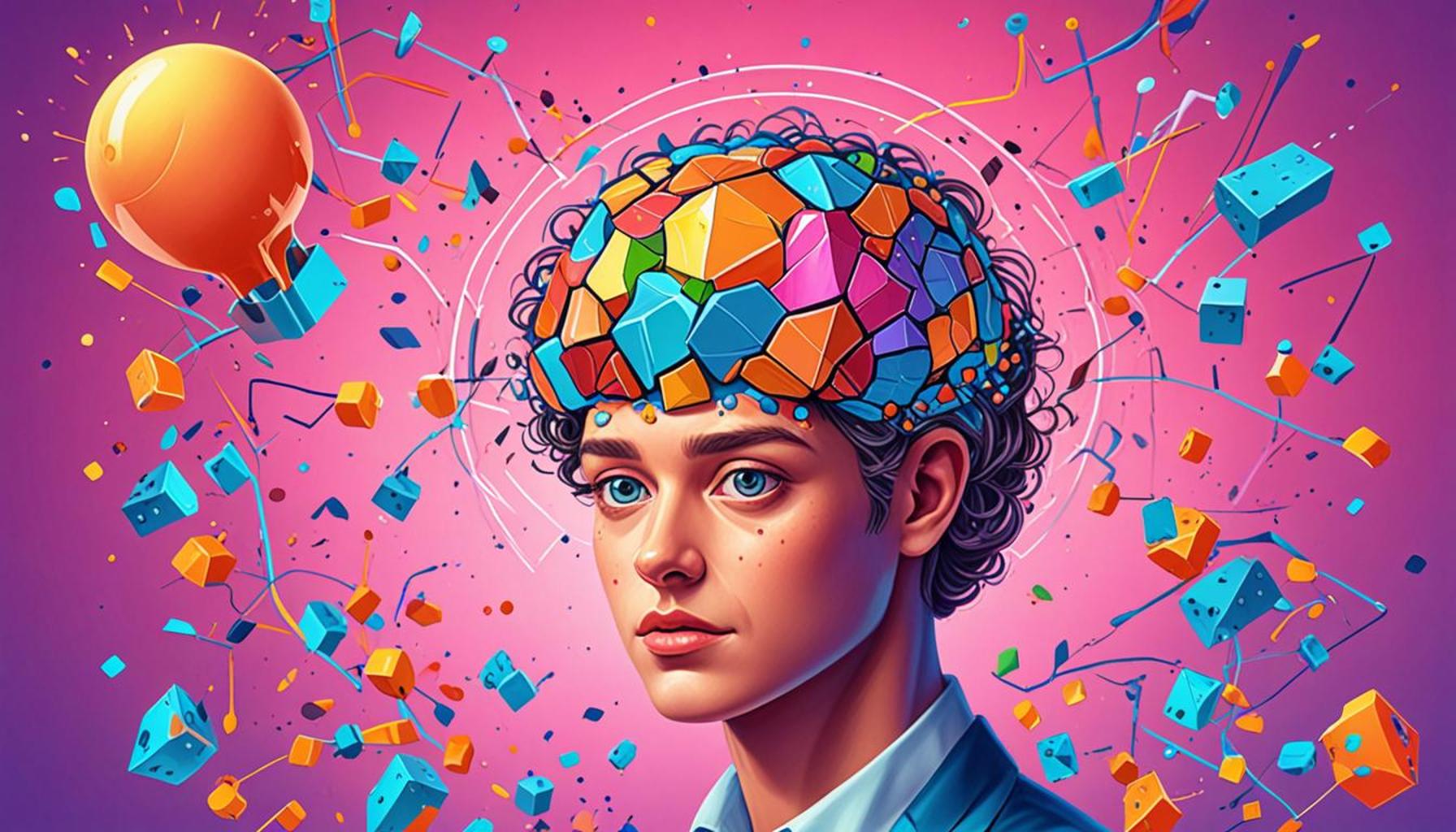
Unlocking Creative Potential: The Relationship between Visual Puzzles and Complex Problem Solving

Understanding the Power of Visual Puzzles
In the relentless pace of modern life, the capacity for creative problem solving stands out as an invaluable asset. As organizations across various sectors—such as tech giants like Google, educational institutions, and pioneering startups—strive to push boundaries, they increasingly recognize that nurturing the creative talents within their teams is vital for innovation. One particularly captivating method to cultivate this creativity is through the engagement with visual puzzles, a practice that not only entertains but also sharpens our cognitive abilities.
Visual puzzles come in numerous formats, each offering unique benefits. Common examples include:
- Crossword puzzles: These not only boost vocabulary and general knowledge but also encourage lateral thinking as one must make connections between clues.
- Jigsaw puzzles: They enhance visual-spatial awareness and patience, requiring solvers to visualize how pieces fit together in a larger context.
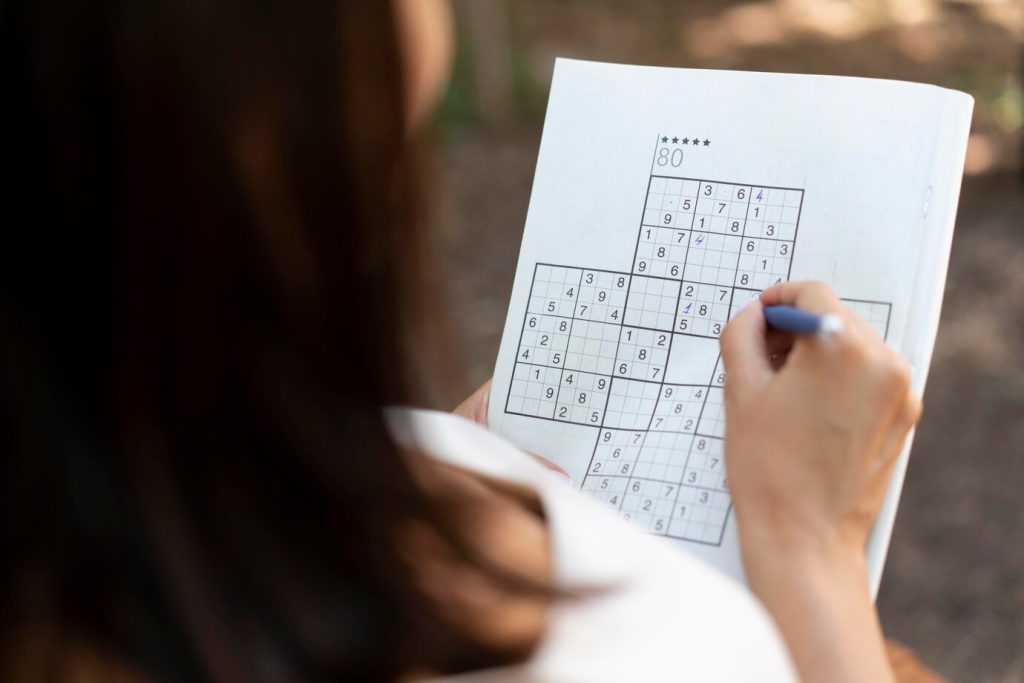
- Sudoku: This numeric puzzle fosters logical reasoning and pattern recognition, both critical skills in mathematical and scientific fields.
- Optical illusions: These capture our attention and challenge our perceptions, often revealing how our minds can be fooled, which can be highly beneficial in creative tasks.
Studies from reputable institutions have found that regularly engaging with these puzzles correlates with substantial cognitive advantages. For instance, individuals who frequently solve puzzles demonstrate:
- Enhanced cognitive flexibility: The ability to switch between different concepts or perspectives is vital for innovation.
- Stronger visual-spatial skills: This skill set is essential in fields like architecture and engineering, where visualization is key to project success.
- Improved memory retention: Enhanced memory can aid professionals in recalling crucial details during brainstorming sessions or presentations.
These cognitive benefits are not merely theoretical. In practical terms, professionals in diverse fields—from software engineers tasked with developing innovative applications to artists seeking fresh inspiration—gain a competitive edge by cultivating an ability to approach challenges from multifaceted angles. It is this versatility that often leads to breakthrough ideas and solutions.
This article aims to uncover the intricate relationship between engaging with visual puzzles and fostering an inventive mindset. We invite readers to consider how this stimulating approach can enhance their creative capacities and lead to more effective problem-solving strategies in both personal and professional arenas. Through exploring the psychological and cognitive implications of these puzzles, it’s possible to understand why embracing such activities may be a game-changer in our ever-evolving world.
DISCOVER: Click here to learn how logic games can enhance cognitive skills
Visual Puzzles: Catalysts for Creative Thinking
The engagement with visual puzzles transcends mere amusement; it emerges as a significant force in encouraging creative thought processes and complex problem-solving skills. As we navigate the intricacies of day-to-day challenges—whether in the corporate boardroom or during creative brainstorming sessions—these puzzles act as a training ground for the brain, meticulously honed for innovation. The dynamics of visual puzzles can unlock a reservoir of potential, paving the way for enhanced creativity.
In exploring how visual puzzles facilitate creative thinking, it becomes vital to consider the neurological responses involved. Engaging with these puzzles stimulates various regions of the brain, promoting connectivity within neural pathways that are key to creativity. For example, research indicates that solving puzzles activates the prefrontal cortex, an area associated with executive function, reasoning, and decision-making. This activation can improve one’s ability to think divergently—a skill highly sought after in solving complex problems.
Moreover, visual puzzles support the development of critical cognitive skills through consistent engagement. The following skills can be significantly bolstered by regular interaction with this engaging form of mental exercise:
- Creative thinking: The diverse challenges posed by visual puzzles encourage the mind to generate innovative solutions beyond conventional boundaries.
- Pattern recognition: A myriad of visual puzzles require solvers to identify patterns and relationships, a skill that is invaluable in fields ranging from data analysis to design.
- Analytical skills: The pursuit of solutions in puzzles involves breaking down complex problems into manageable parts, enhancing one’s ability to analyze real-world challenges.
Enhanced creativity not only leads to breakthroughs in problem-solving but also fosters resilience in the face of obstacles. When individuals are accustomed to navigating the intricate landscapes of visual puzzles, they develop a mindset that embraces challenge and experimentation. This proactive approach extends into professional environments, where teams that incorporate puzzle-solving exercises often cultivate a culture of collaboration and innovation. Companies known for their creative prowess, such as IDEO and Pixar, frequently implement brainstorming sessions that stimulate the kind of out-of-the-box thinking encouraged by puzzles.
In essence, the relationship between visual puzzles and complex problem solving derives from their ability to transform mental operations into creative endeavors. Engaging with visual puzzles prepares the brain to tackle multifaceted challenges by equipping it with essential cognitive tools. The remarkable synergy of enhanced creativity and analytical acumen empowers individuals to approach problems with renewed vigor—an outcome that holds tremendous potential for personal and professional growth.
As we delve deeper into this exploration of cognitive flexibility and innovation, we increasingly recognize that visual puzzles not only provide entertainment but serve as a gateway to unlocking the creative potential within ourselves and within teams. Are you ready to discover how further engagement with these puzzles can elevate your problem-resolution capabilities?
| Cognitive Development | Enhanced Problem-Solving Skills |
|---|---|
| Visual Puzzles stimulate cognitive growth, fostering skills such as logical reasoning. | Players develop critical thinking, making connections, and applying creative strategies in real-world scenarios. |
| Engagement and Motivation | This interactive learning approach keeps individuals engaged, prompting them to tackle complex challenges. |
Engaging with visual puzzles often serves as an exciting entry point into deeper cognitive exploration. Research indicates that individuals who frequently solve these puzzles enhance their visual-spatial skills, which are crucial in fields ranging from engineering to art. Additionally, the process of tackling visual puzzles encourages persistence—a critical component in overcoming complex problem-solving scenarios.Moreover, engagement with such puzzles not only increases mental flexibility but also fosters an environment where innovative solutions can flourish. The failure and success experienced while working through these challenges cultivate a growth mindset, essential for adapting in a fast-evolving world. This dynamic interplay between visual stimuli and cognitive processing illustrates a profound relationship, underscoring the potential of visual puzzles to unlock both creativity and analytical abilities in individuals of all ages. Dive deeper into this fascinating topic to discover how enhancing your puzzle-solving skills can yield significant benefits in everyday life and professional endeavors.
DON’T MISS: Click here to learn how logic games can enhance cognitive skills
Visual Puzzles and Cognitive Flexibility
To fully appreciate how visual puzzles contribute to complex problem-solving, one must consider the role of cognitive flexibility. This ability to adapt our thinking to new, unexpected conditions is essential in today’s fast-paced world. Cognitive flexibility entails switching perspectives, considering multiple solutions, and abandoning futile strategies—a skill continually nurtured through the process of puzzle-solving. Researchers have demonstrated that engaging in visual puzzles enhances cognitive flexibility by encouraging users to derive solutions from both recognizable patterns and unorthodox approaches.
Furthermore, the act of solving visual puzzles prompts individuals to confront ambiguity, which is an inherent aspect of real-world problem-solving. For instance, when faced with incomplete information or uncertainty, those who frequently engage with puzzles are more likely to employ creative reasoning to construct plausible solutions. A study conducted by the American Psychological Association highlights that individuals exposed to visual puzzles exhibited improved performance in tasks requiring adaptive thinking, particularly under pressure. This is a crucial asset in workplace scenarios where innovative ideas are the lifeblood of progress.
The Social Dimension of Puzzle-Solving
Beyond individual benefits, visual puzzles foster social interaction, creating a platform for collaboration that enhances creativity in group settings. Team-based puzzle solving promotes communication, allowing participants to share diverse ideas and approaches. This cooperative environment not only amplifies the range of solutions generated but also strengthens team cohesiveness. Notable companies, such as Google, have been known to utilize escape rooms and puzzle-based challenges during team-building exercises to stimulate collaboration and creative brainstorming.
Moreover, these group activities mimic real-life scenarios where problem-solving involves teamwork. In essence, enhancing interpersonal dynamics while engaging with visual puzzles equips teams with the collaborative skills crucial for navigating complex tasks. The sense of camaraderie developed through shared challenges can lead to heightened motivation, which, in turn, drives the creative potential among team members.
The Wider Implications for Education and Training
The implications of visual puzzles extend into the educational realm as well. Educators and curriculum developers are increasingly acknowledging the value of integrating visual puzzles into learning programs. By incorporating puzzles in classrooms, teachers can effectively promote critical thinking and engage students in active learning. This hands-on approach helps students to apply theoretical knowledge to practical scenarios, fostering deeper understandings of concepts.
Additionally, a report from the 2020 National Center for Learning Statistics noted that students exposed to visual problem-solving techniques scored significantly higher on assessments measuring creative thinking and problem-solving skills. This underscores the necessity for educational frameworks that emphasize creative engagement strategies, thus preparing students for future challenges in both academia and the workforce.
Incorporating visual puzzles into diverse fields—be it corporate training, educational strategy, or team collaboration—highlights their profound impact on creative potential. Engaging with these puzzles cultivates not only individual cognitive capabilities but also fosters a culture of innovation and teamwork that is indispensable in today’s dynamic environment. As we delve further into the intricacies of visual puzzles, the link between playful problem-solving and serious innovation becomes strikingly clear, urging educators, leaders, and teams alike to embrace these creative catalysts. Are you ready to explore the depths of your cognitive potential through visual puzzles?
DIVE DEEPER: Click here to enhance your memory and focus
Conclusion: Embracing the Power of Visual Puzzles
As we’ve explored throughout this article, the world of visual puzzles extends far beyond mere entertainment; it serves as a powerful vehicle for enhancing complex problem-solving skills and nurturing creative potential. By challenging our cognitive flexibility and encouraging innovative thinking, these puzzles equip individuals and teams with the essential tools to tackle today’s multifaceted problems more effectively.
The dual impact of visual puzzles—improving individual cognitive abilities while fostering collaborative environments—cannot be overstated. In corporate settings, companies are increasingly adopting puzzle-based initiatives to ignite creativity, teamwork, and communication among employees. Meanwhile, educational institutions are recognizing the potential of these visual challenges to engage students in active learning, resulting in a generation better equipped for the complexities ahead.
Furthermore, as organizations and educational frameworks evolve to embrace creativity and adaptability, the integration of visual puzzles into curricula and team-building exercises becomes not just a trend, but a necessity. The evidence suggests that engaging with these unique problem-solving activities enhances critical thinking and equips participants with adaptive skills necessary for navigating an unpredictable future.
In conclusion, the relationship between visual puzzles and complex problem-solving offers an exciting pathway to unlock our creative potential. Whether in the boardroom or the classroom, they serve as insightful tools for innovation—inviting everyone to dive in, challenge accepted norms, and embark on a journey of discovery and collaboration. Are you ready to harness the transformative power of visual puzzles in your life and work?