
Training Techniques for Socializing Your New Puppy

Unlocking the Secrets to a Well-Socialized Puppy
Bringing a new puppy into your home is an exciting adventure filled with joy and challenges. One of the most crucial aspects of puppy ownership is socialization, which lays the groundwork for your furry friend’s future behavior and temperament. Understanding the right training techniques can significantly influence your puppy’s development.
Why Socialization Matters
Socialization is an essential process that helps your puppy grow into a well-adjusted adult dog. It is during the early weeks of their life that puppies are particularly receptive to learning about their environment. This exposure helps them understand and accept different situations, which is invaluable as they encounter various stimuli throughout their lives. Key benefits of proper socialization include:
- Reduced Fear and Anxiety: By introducing your puppy to a wide array of experiences—including busy streets, sounds like fireworks, and encounters with friendly strangers—you can significantly reduce the chances of developing fearful behaviors later on. For instance, a puppy accustomed to being around children and different animals is much less likely to react negatively when faced with similar situations in adulthood.
- Improved Behavior: Well-socialized puppies tend to exhibit better behavior as they mature. For example, a dog that has learned how to interact politely with other dogs is less likely to develop aggression or separation anxiety. This not only makes for a more enjoyable pet but can also lead to a smoother experience during visits to places like dog parks or vet clinics.
- Enhanced Training: Confidence gained through social exposure aids in learning new commands and tricks. Puppies that feel secure and comfortable in varying environments are more likely to focus and engage during training sessions. This camaraderie can be pivotal when you transition your puppy into more advanced training protocols.
Essential Training Techniques
To aid in socializing your puppy effectively, consider employing a mix of various techniques:
- Positive Reinforcement: This method involves rewarding your puppy for exhibiting good behavior, thus encouraging further social interactions. For instance, using treats or praise when your puppy approaches another dog or meets new people creates a positive association with those experiences.
- Controlled Exposure: Gradually introducing your puppy to new experiences in a safe manner is critical. Start with environments that are less overwhelming, such as quiet parks, before moving to busier streets or crowded events. Keeping interactions brief but frequent helps your puppy build up its stamina for handling new stimuli.
- Puppy Classes: Joining a local puppy training class serves as an excellent opportunity for socialization. These classes not only teach commands but also allow your puppy to interact with other dogs under structured supervision. Such environments can be correctional for any aggressive tendencies and help in establishing good manners.
Implementing these strategies effectively lays the groundwork for a robust and rewarding relationship between you and your new companion. Remember, the journey of socialization is ongoing, and every new experience contributes to your puppy’s development. Adventure awaits as you both embark on this journey of discovery together!
Key Strategies for Successful Puppy Socialization
When it comes to socializing your new puppy, understanding and employing effective training techniques can make all the difference. The early experiences your puppy has will shape their personality and behavior as they mature. Therefore, it’s crucial to introduce them to a variety of situations, environments, and individuals. Here are some key strategies to ensure a successful socialization process:
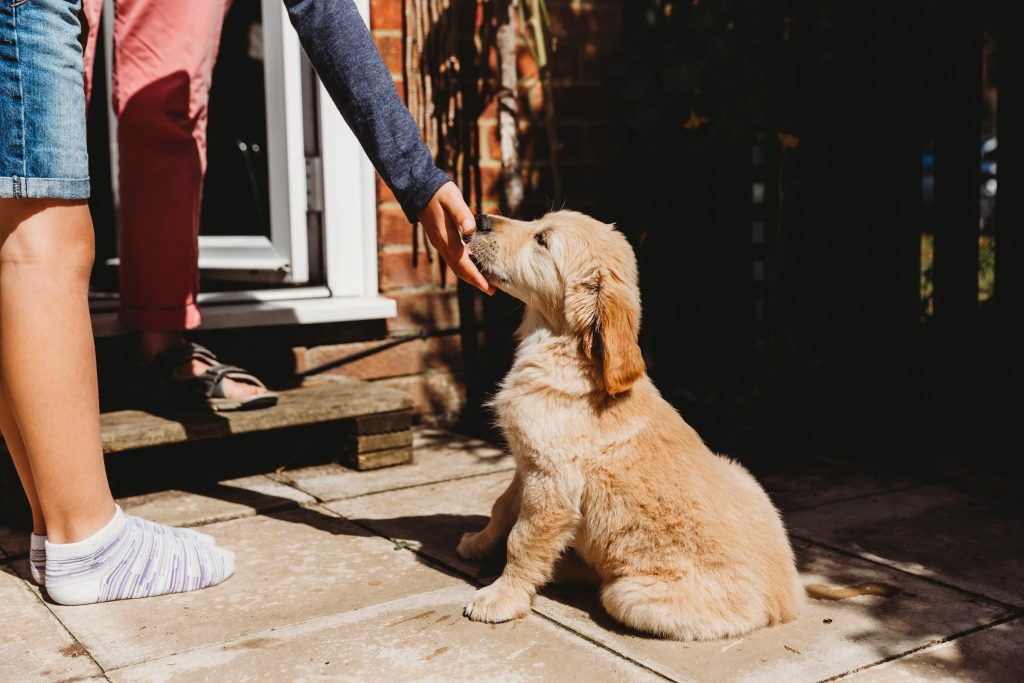
Establish a Routine
Creating a structured schedule for socialization activities can help your puppy adapt to various situations gradually. A routine allows your puppy to anticipate socialization events, reducing anxiety when faced with new experiences. For example, consider designating specific days for park visits, playdates with other friendly dogs, or exposure to different environments such as pet-friendly cafes or bustling markets. This consistent approach will foster confidence in your puppy, helping them to view new encounters as a normal part of their life.
Positive Exposure Techniques
Using positive exposure techniques is vital in ensuring your puppy builds favorable associations with new experiences. Here are a few methods to implement:
- Start Small: Begin with less intimidating scenarios. If your puppy is nervous around cars, try observing parked vehicles from a distance before progressing to moving cars. Gradually decreasing the distance will help them acclimate without feeling overwhelmed.
- Varied Environments: Introduce your puppy to different settings. This could range from a quiet neighborhood to a lively playground. The more diverse the experiences, the better prepared your puppy will be for the varieties of life they may encounter.
- Controlled Playdates: Arrange playdates with well-mannered dogs. Supervised interactions provide not only social exposure but also an opportunity for your puppy to learn proper dog etiquette and body language from their peers. This is essential for developing essential social skills.
Utilizing Desensitization
Another powerful technique is desensitization, which involves gradually exposing your puppy to stimuli that may cause fear or anxiety. This can include loud noises like thunder or the sound of sirens. By exposing your puppy to these sounds at a low volume while playing with them or providing treats, they will become less reactive over time. You can incrementally increase the intensity while offering reassurance, helping your puppy to build resilience and confidence.
The journey of socializing your new puppy is not merely an initial training phase but a lifelong commitment to understanding their needs and behaviors. Each controlled experience, paired with rewards and reassurance, brings you one step closer to raising a well-adjusted canine companion. Take advantage of the critical socialization window during their early months, and you’ll pave the way for a happier, more confident dog. With patience and persistence, the bond you develop through these techniques will carry through for years to come.
| Category | Key Features |
|---|---|
| Positive Reinforcement | Utilizes treats and praise to encourage desired behaviors, fostering a strong bond between you and your puppy. |
| Social Environments | Exposure to various settings, people, and other animals to build confidence and adaptability in your puppy. |
| Consistency in Training | Regular practices with consistent commands and routines ensure faster learning and better retention of skills. |
| Gradual Exposure | Slow and steady introduction to new experiences reduces anxiety and helps your puppy learn to cope with the world. |
Training techniques for socializing your new puppy can provide immense benefits. Employing positive reinforcement not only makes learning enjoyable but also deepens the connection between you and your furry friend. Additionally, involving them in social environments allows your puppy to become more adaptable and confident, crucial traits for a well-rounded adult dog. Consistency in training methods ensures that your puppy comprehends commands quickly and effectively. Furthermore, utilizing a gradual exposure approach fosters a calm demeanor, reducing fear and enhancing comfort as they encounter new situations. These techniques are foundational in shaping a sociable and balanced canine companion. Continue to explore the variety of methods available for your puppy’s unique needs.
Essential Techniques for Enhancing Puppy Socialization
As you embark on the journey of socializing your new puppy, it’s important to utilize a variety of training techniques that not only promote adaptability but also build a strong foundation for a lifelong bond. Socialization goes beyond just exposing your puppy to the outside world; it encompasses the development of trust, communication, and respect. Here are additional techniques to further enhance your puppy’s socialization experience:
Incorporating Variety in Training Sessions
One of the most powerful ways to socialize your puppy is by incorporating varied experiences into their training sessions. It is vital to present your puppy with diverse challenges and stimuli. Consider the following:
- Different People: Encourage encounters with different individuals, including children, elderly people, and people of various ethnic backgrounds. This promotes tolerance and reduces fear of unfamiliar faces, fostering a well-rounded dog comfortable around all kinds of humans.
- Other Animals: Introduce your puppy to a variety of animals beyond dogs, such as cats, rabbits, or even farm animals if possible. This exposure helps your puppy learn how to act appropriately around different species and diminishes the likelihood of negative encounters in the future.
- New Objects: Whether it’s a weird-looking vacuum cleaner or a brightly colored umbrella, bringing new inanimate objects into your puppy’s environment encourages curiosity and confidence. Let them approach at their own pace and reward them for investigating these items.
Utilizing Clicker Training for Communication
Clicker training is an invaluable tool in the realm of puppy socialization. The clicker serves as a precise marker of desired behavior, which aids in communication between you and your puppy. Here’s how to integrate clicker training into your socialization efforts:
- Build a Positive Association: Begin by associating the sound of the clicker with rewards such as treats or praise. For instance, if your puppy remains calm during a new encounter, click and reward them immediately, reinforcing the behavior.
- Gradual Introduction: When introducing challenging situations, use the clicker to mark your puppy’s relaxed responses. This encourages them to remain composed as they learn to navigate new experiences.
- Practice Commands in Social Settings: Implement basic commands like “sit” or “stay” in busy environments. This not only boosts your puppy’s social skills but also reinforces their ability to focus amidst distractions.
Participating in Puppy Classes
Another effective method for socialization is enrolling your puppy in a group training class. These classes provide structured opportunities for puppies to interact with one another while under the guidance of a professional trainer. Benefits include:
- Experienced Guidance: A knowledgeable instructor can offer valuable tips on managing interactions and reading dog body language, ensuring you and your puppy are on the right path.
- Safe Environment: Puppy classes provide a controlled space where puppies can play and interact, eliminating the fear of aggressive or untrained dogs interrupting their experience.
- Social Learning: Many behaviors are learned through observation. In a class setting, your puppy can learn from other dogs, witnessing how they interact and react to various stimuli.
Incorporating these essential techniques will not only enhance your puppy’s socialization skills but will also foster mutual trust and companionship between you and your furry friend. The journey of training your new puppy is a rewarding experience filled with discoveries that pave the way for a well-behaved and confident adult dog.
Conclusion: Building a Confident Canine Companion
Successfully socializing your new puppy is an essential investment that pays off in the long run, culminating in a well-adjusted, confident adult dog. By employing diverse training techniques, such as exposure to different environments, engaging in clicker training, and participating in puppy classes, owners not only enhance their puppy’s adaptability but also strengthen the bond that fosters mutual understanding. Each encounter—whether it’s meeting new people, interacting with other animals, or exploring unfamiliar objects—serves as a stepping stone to building a resilient and socially adept dog.
Recognizing the importance of these experiences is crucial. Puppies develop their social skills through continuous exposure, so prioritizing varied encounters will enable them to thrive in a multitude of situations. Remember, the journey of socialization extends beyond mere exposure; it is about nurturing trust, respect, and communication between you and your pup.
Moreover, ongoing training and socialization are critical to ensuring that your dog remains confident and well-behaved throughout their life. As your puppy grows, revisit these techniques to maintain their social skills and adapt to any new challenges they may face. By investing time and patience in this early phase, you set the groundwork for a happy, well-rounded canine companion that enriches your home and community.
Explore available resources, connect with local trainers, or consult online communities devoted to puppy care, as further learning and engagement can significantly enhance your socialization efforts. Remember, a well-socialized dog is not just a joy to own—it’s a delight for everyone they meet.