Tips for Preparing Your Home and Family for the Arrival of an Adopted Pet
Preparing for Your New Furry Family Member
Welcoming an adopted pet into your home is a heartwarming experience, but it comes with its set of responsibilities. Proper preparation ensures a smooth transition for both your family and the new arrival. Here’s how you can set the stage for a harmonious coexistence.
Evaluate Your Living Space
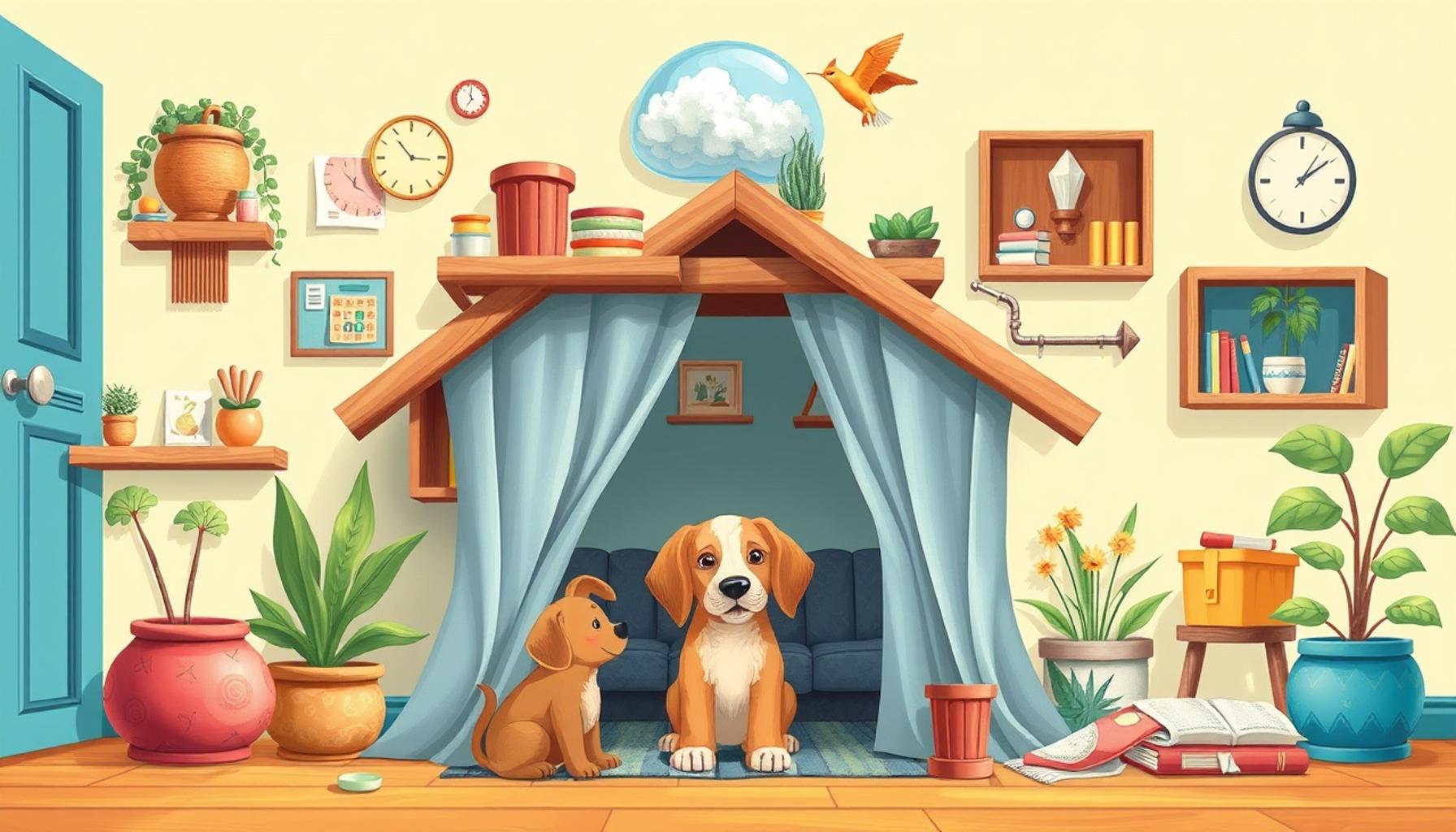
- Safe Zones: One of the first steps is to create designated pet-safe areas in your home. This might include setting up a cozy nook with a bed, toys, and water bowl in a quiet corner where your pet can retreat when they feel overwhelmed. These spaces should be away from high traffic areas, allowing your new furry friend to feel secure and comfortable as they acclimatize to their new environment.
- Pet Supplies: Before bringing your new family member home, it’s crucial to stock up on essential supplies. This includes high-quality pet food suited to their age and size, durable toys to keep them entertained, a comfortable bed for rest, and appropriate grooming tools. You may also want to invest in a leash and collar if you plan on taking your pet for walks, or a litter box for indoor cats, to guarantee a smooth start to your shared lives.
- Hazard Awareness: It’s essential to assess your living space for potential hazards. Common household items such as certain plants (like lilies and poinsettias), human food (like chocolate and onions), and small objects that can be swallowed should be removed or secured. Also, ensure that electrical cords and cleaning supplies are out of reach, turning your home into a safe haven for your new friend.
Prepare Your Family
- Family Meetings: Engaging in family meetings before the arrival of your pet is beneficial in ensuring that everyone understands the responsibilities that accompany pet ownership. Discuss the time commitment required for feeding, grooming, exercise, and training, which will foster a sense of teamwork and shared responsibility among family members.
- Age-Appropriate Tasks: Assigning pet care tasks based on age and capabilities can cultivate a sense of responsibility among children. Younger kids may help with filling the water bowl or playing, while older children can take on responsibilities like walking the dog or cleaning the litter box, ensuring that care doesn’t fall solely on one person.
- Introduce Pets Gradually: If your household already includes other pets, a gradual introduction is imperative. This can be done by allowing the new pet to explore a secure room initially. Let existing pets sniff each other’s belongings and gradually arrange face-to-face meetings under supervision, ensuring that each pet feels secure and minimizing stress during the adjustment period.
These simple yet effective steps can pave the way for a fruitful relationship between your family and your new furry friend. It’s not only about the joy of their companionship; it’s about fostering an environment where love, trust, and care thrive. Get ready for a joyful adventure filled with unforgettable moments, laughter, and unconditional love as you embark on this new journey together!
DISCOVER MORE: Click here for essential financial tips
Create a Welcoming Environment for Your Pet
Preparing your home for an adopted pet goes beyond just gathering supplies; it’s about creating a welcoming environment that facilitates comfort, security, and adjustment. By laying the groundwork, you ensure that both your family and your new furry friend can bond and thrive together from day one. Here are several actionable tips to consider.
Designate a Pet-Friendly Space
- Comfortable Retreat: Identify a specific area in your home that will serve as your pet’s primary space. This could be a quiet corner of your living room or a separate room altogether. Furnish it with a soft bed, toys, and a water bowl to encourage your new pet to claim this spot as their own. Having a designated space helps reduce anxiety and offers your pet a safe haven when they feel overwhelmed by new surroundings.
- Pet-Proofing Your Home: Make a checklist of items that need to be secured or removed to create a pet-proof environment. Common items to consider include electrical cords, medications, and cleaning supplies. Additionally, assess your furniture to ensure that your pet won’t be tempted to chew or claw through it. By being proactive about these hazards, you can prevent accidents and establish a safer living space.
- Outdoor Considerations: If your adopted pet will be spending time outside, ensure your yard is secured with a sturdy fence. Check for any gaps where your pet could escape or dig under. Take precautions to remove toxic plants or hazards that could be harmful to them while they explore their new environment.
Establish a Routine
- Feeding Schedule: Developing a consistent feeding routine will help your adopted pet understand when to expect meals and foster a sense of stability. Stick to a designated feeding time each day to create an expected rhythm in your home. This also aids in monitoring their eating habits and health.
- Exercise and Playtime: Integrating daily exercise into your routine is essential for your pet’s physical and mental stimulation. Depending on the type of pet you adopt, consider walks, outdoor play, or interactive games that stimulate their senses and allow for bonding. Regular playtime not only helps your pet expend energy but also strengthens the connection between you and your new companion.
- Training Sessions: Initial training sessions should be planned shortly after your new pet arrives. Spend time teaching basic commands in short, effective bursts; this helps your pet learn expectations while promoting socialization. Consistent training reinforces positive behavior and builds a foundation for a trustworthy relationship.
By creating a welcoming environment and establishing a routine, you will lay the groundwork for a successful relationship with your adopted pet. This preparation is vital for easing the transition for everyone involved, ensuring that your home is filled with joy, love, and unforgettable memories as you embark on this journey together.
Establishing a Safe and Comfortable Space
When preparing your home for an adopted pet, creating a designated area that feels safe and comfortable is essential. This space should provide your new furry friend with a sanctuary where they can retreat, unwind, and acclimate to their new environment. To start, choose a quiet corner of your home where they can feel secure. You can enhance this area with soft bedding, toys, and a water bowl to make it inviting. It’s also a great idea to include a few calming scent elements, such as a blanket that smells like you, to help ease their transition.
Involving the Entire Family
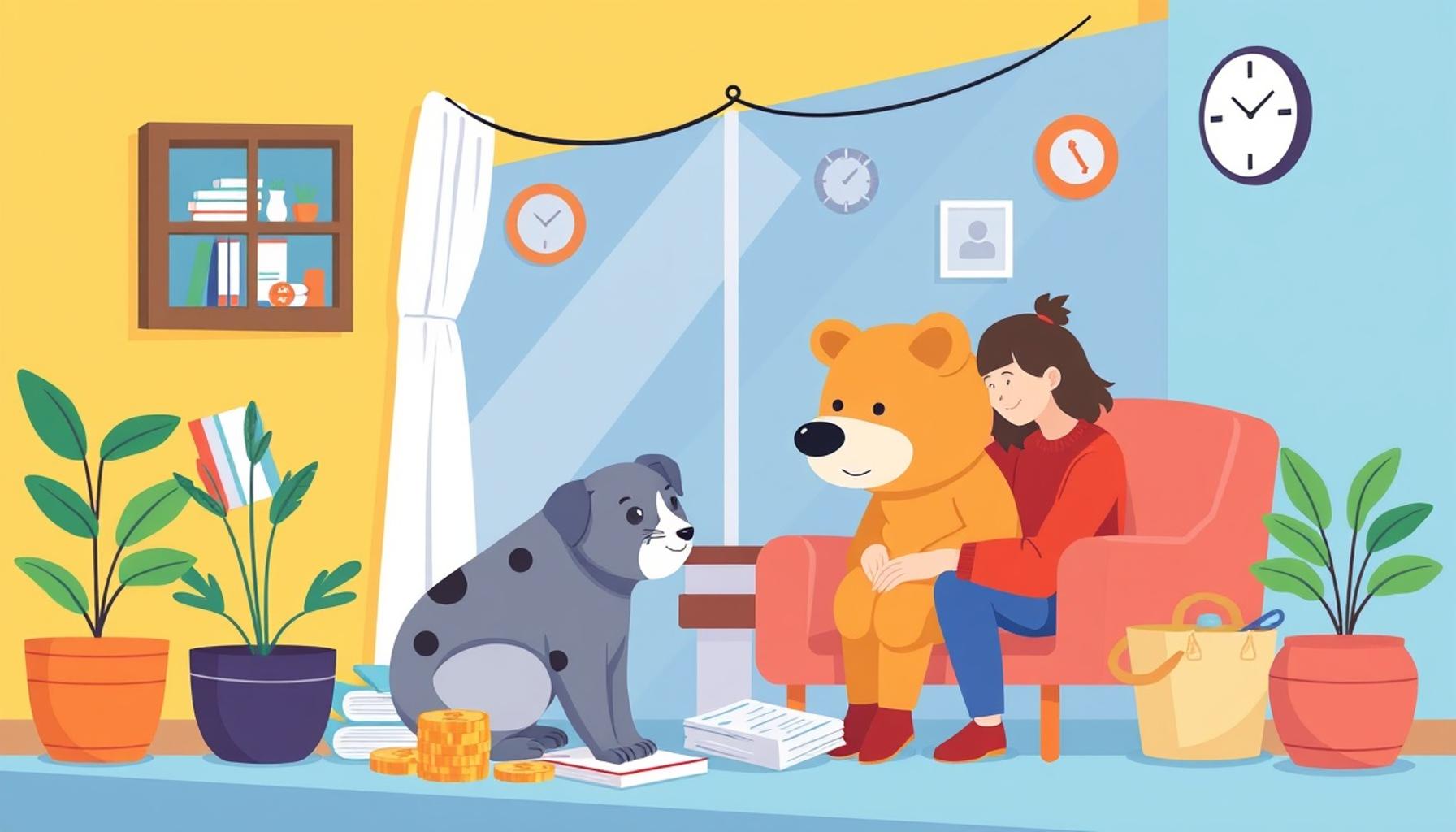
It’s crucial to involve your entire family in the preparations for welcoming a new pet. This helps foster a sense of responsibility and teamwork among family members. Each member can take on specific roles, from setting up the pet’s space to organizing care schedules, feeding routines, and exercise plans. Encouraging children to participate not only teaches them about empathy and care for animals but also strengthens the bond between the family and the new pet.
Additionally, it is important to communicate openly about expectations and responsibilities related to pet ownership. Hosting family meetings to discuss the pet’s needs, any training commitments, and daily care helps establish a clear understanding of what is required to provide a loving and supportive environment for your new family member.
Preparing Your Home Environment
Adopting a pet often means making adjustments around the house to ensure they are safe. Before your pet arrives, inspect your home for potential hazards. Secure loose wires, get rid of toxic plants, and ensure that small objects that could be swallowed are out of reach. By creating a pet-proof environment, you can significantly reduce risks and provide a peaceful atmosphere for both your pet and your family.In addition, be mindful of your pet’s propensity to chew and explore. Implementing child-proof locks on cabinets can prevent unwanted access to harmful household chemicals or foods that are unsafe for pets. Using gates to block off certain areas of the house can also help contain your new friend to safe spaces while they explore.By adopting these practical measures and preparing your home thoughtfully, you’ll be setting the stage for a smooth transition as your family welcomes its new four-legged member.
DON’T MISS: Click here to learn about keeping your pet hydrated</
Involve Your Family in the Preparation Process
When you decide to adopt a pet, it’s essential to involve your entire family in the preparation process. Not only does this create a shared sense of responsibility, but it also helps ensure that everyone is on board with the changes coming to the household. Pets thrive in environments where they feel loved and secure, and involving your family can foster that atmosphere. Here are some tips for engaging your family:
Educate Family Members
- Understanding the Pet’s Needs: Schedule a family meeting to discuss the unique needs of the pet you plan on adopting. Whether it’s a dog, cat, rabbit, or another animal, each pet has its own requirements for care, feeding, and exercise. Research together about the pet’s breed, behavior, and training needs. This knowledge empowers family members to provide better care and support for the new addition.
- Setting Ground Rules: Establishing guidelines for interacting with the pet is crucial, especially if you have young children. Discuss what behaviors are acceptable and what should be avoided, such as how to approach the pet, when to give space, and how to handle playtime. This sets a framework for healthy interactions that will help everyone feel more comfortable.
- Sharing Responsibilities: Design a schedule that distributes daily pet care tasks among family members, creating a sense of teamwork. Assign age-appropriate roles to children, such as filling the water bowl, feeding the pet, or brushing its coat. This responsibility can instill a sense of pride in them and teach valuable life skills.
Prepare for the Adjustment Period
Just like people, pets need time to adjust to their new homes. It helps to keep this in mind to manage your expectations during the first few weeks after adoption. Here are some considerations:
- Be Patient: Understand that your adopted pet may experience anxiety, especially if they have come from an uncertain past. Be prepared for behaviors such as hiding, whining, or excessive barking. Providing a calm environment will encourage them to feel secure over time.
- Monitor Interactions: Pay close attention to how your pet interacts with each family member, especially children. Supervise initial encounters to ensure both parties are comfortable and safe. This oversight is crucial to prevent any negative experiences that could lead to fear or aggression.
- Provide Continuity of Care: If possible, gather information about your pet’s previous routines and preferences to facilitate a smooth transition. Knowing their favorite toys, food, and care routines can help them adjust more easily, minimizing the stress of change.
By actively involving your family in the preparation process and ensuring everyone is well-informed and patient, you set the stage for a successful introduction of an adopted pet into your home. This collaborative effort will strengthen family bonds and foster an environment where your new furry friend can truly flourish.
EXPLORE: Click here to discover the best toys for your furry friends
Conclusion
Bringing an adopted pet into your home is not just a delightful moment; it is a commitment that requires careful preparation and thoughtful consideration. By adopting the tips for preparing your home and family discussed in this article, you can create an environment where your new pet feels safe, loved, and welcomed. Remember, the journey to integrating a pet into your family is as significant as the joy they bring to your lives.
Involving your family in the process, educating them about the pet’s specific needs, and establishing clear responsibilities fosters unity among family members while teaching invaluable lessons of empathy and care. Furthermore, being mindful of the adjustment period allows you to provide the necessary support your pet may need as they adapt to their new surroundings. Patience, consistency, and understanding are key to nurturing a bond based on trust.
As you embark on this rewarding journey, remember that adopting a pet is not just about changing your household dynamics; it’s about enriching your lives with unconditional love, companionship, and joy. Take these insights to heart, and prepare to welcome your furry friend into a home filled with love and kindness. For more information on making your pet’s arrival as smooth as possible, consider exploring local resources, adopting information sessions, or engaging with fellow pet owners in your community.