
The Role of Dice Games in Stimulating Strategic Thinking and Problem Solving

Unveiling the Impact of Dice Games
Dice games have fascinated humans for centuries, their charm stretching beyond mere entertainment to encompass vital cognitive development. These classic pastimes serve as powerful tools for enhancing strategic thinking and problem-solving skills. In an age where quick decision-making and adaptability are increasingly crucial, the lessons found within the unpredictable world of dice games remain profoundly relevant.
- Engagement: Dice games actively involve players in the action, making them key participants in their own strategic planning. When engaging in these games, players must constantly assess risks and rewards, often leading to more profound engagement than in passive entertainment forms, such as watching television.
- Luck vs. Skill: A unique aspect of dice games is their balance between chance and tactical decision-making. While luck inherently plays a significant role, successful players often develop strategies that increase their odds of winning, highlighting the importance of critical thinking and adaptability.
- Social interaction: Many dice games encourage not only individual thought but also collaboration and competition within group settings. Games like *Liar’s Dice* require players to bluff and read each other’s intentions, fostering critical thinking and enhancing social skills as they navigate complex interpersonal dynamics.
Research indicates that engaging in strategic games can promote mental agility. For instance, games such as *Catan* or *Yahtzee* challenge players to adapt their strategies based on random outcomes. By navigating these unpredictable scenarios, players learn to develop contingency plans and refine their critical thinking skills. The ability to pivot strategy while considering both cooperative and competitive aspects can provide insights applicable in real-world situations, from business decisions to personal interactions.
Why Dice Games Matter
In the United States, the resurgence of board game cafes and community game nights signals a growing appreciation for the cognitive benefits that these activities provide. Many people are now recognizing how dice games can be vehicles for mental growth and social development. These games offer a platform where players can:
- Enhance decision-making abilities, allowing them to weigh options quickly and effectively.
- Practice foresight and planning, honing their capacity to anticipate outcomes and sustain long-term strategies.
- Improve analytical skills in a fun environment, where learning occurs organically through play rather than structured learning methods.
The mechanics of dice games extend beyond pure enjoyment; they can serve as rich educational tools, shaping minds for challenges both on and off the board. The enjoyment derived from these games leads players to return, thereby deepening their experiences and reinforcing their cognitive advancements over time.
Ultimately, as we explore further into the world of dice games, we begin to uncover the multifaceted value they present—not just as a means of entertainment, but as an enriching activity capable of influencing various aspects of life, from personal relationships to professional endeavors.
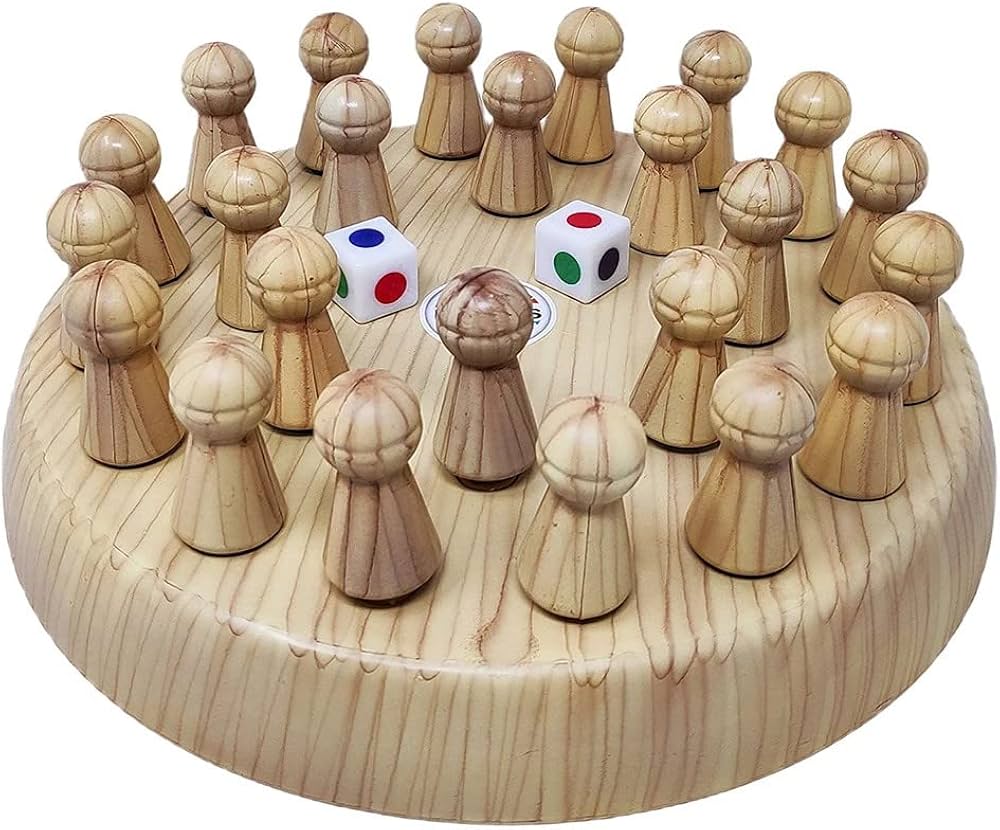
DISCOVER MORE: Click here to enhance your child’s learning
The Cognitive Mechanics Behind Dice Games
To fully appreciate the considerable impact of dice games on strategic thinking and problem-solving, it is essential to delve into the cognitive mechanics at play. Dice games require players to engage in a dynamic interchange of strategies, improvisation, and risk assessment, creating a rich mosaic of learning experiences. As players roll the dice, they are not merely relying on luck; rather, they are actively navigating through probabilities, outcomes, and their opponents’ strategies—essential skills that resonate well beyond the gaming table.
The very essence of a dice game lies in its ability to challenge players to think on their feet. In a game of *Catan*, for instance, players must adjust their strategies according to the resource distribution laid out by the dice rolls. When a player rolls a seven and causes a “robber” to block access to valuable resources, they face an immediate need to pivot their strategy. This shifting landscape teaches players to anticipate adversarial moves while simultaneously planning for their own. As a result, players polish their ability to balance offensive and defensive strategies, which translates effectively into real-life scenarios, such as negotiating deals or managing team dynamics in a workplace setting.
The Elements of Strategic Engagement
Several elements of dice games contribute to their effectiveness in enhancing cognitive skills:
- Risk Assessment: Every roll of the dice introduces a level of uncertainty, prompting players to weigh the potential risks and rewards of their actions. This continuous assessment fosters a mindset adept at evaluating choices under pressure.
- Planning and Adaptation: Players learn to develop short-term and long-term plans, adjusting them as new information becomes available through each turn. This dynamic planning process nurtures flexible thinking and creativity, essential traits for tackling complex problems.
- Simulation of Complex Scenarios: Many dice games recreate conditions and challenges faced in real life. Games like *Risk* can teach players geopolitical strategy, while games like *Backgammon* reinforce the importance of forward-thinking and predicting opponents’ moves.
Furthermore, the element of competition inherent in most dice games propels players to refine their analytical skills. They must assess not just their own position but also predict the moves of others, which sharpens their ability to think critically and strategically. Through spending time learning from wins and losses, players develop a deeper understanding of their strengths and weaknesses, which ultimately equips them with tools to tackle challenges they might face outside the gaming environment.
As the popularity of dice games grows, especially in community settings, more individuals are beginning to recognize their profound potential as educational tools. By transforming leisurely moments into opportunities for growth, these games have become a conduit for enhancing cognitive abilities and fostering social bonds simultaneously. The increasing interest in game nights around the United States further underscores their importance, not only as leisurely pastimes but as vehicles for personal and intellectual development.
| Category | Description |
|---|---|
| Cognitive Skill Development | Dice games enhance problem-solving abilities and strategic thinking through critical decision-making. |
| Social Interaction | These games foster collaboration and communication, as players negotiate and strategize together for optimal outcomes. |
One of the most fascinating aspects of dice games lies in their ability to stimulate cognitive skills. Players must often analyze numerous potential outcomes based on the dice rolled, exercising their brains to enhance both strategic thinking and problem-solving skills. This mental engagement can translate into improved performance in real-life situations, where quick decision-making and strategy formulation are required.Moreover, the social dynamics created by these games cannot be overstated. As players partake in dice games, they develop essential soft skills, including collaboration, negotiation, and communication. This shared experience not only strengthens relationships but also encourages teamwork as players devise strategies collectively. In essence, dice games provide a professional and social framework that is invaluable in nurturing young minds while ensuring entertainment. By exploring the connections between gaming and real-world applications, readers can unlock new perspectives on learning and strategic engagement.
DISCOVER MORE: Click here to learn effective strategies
The Social Dynamics of Dice Games in Learning
Dice games do not only serve as a platform for enhancing cognitive abilities; they also create valuable social experiences that enrich strategic thinking and problem-solving skills. Engaging with others through these games, whether in casual gatherings or competitive environments, introduces a range of interpersonal dynamics that are critical for collaborative problem-solving. The necessity to communicate, negotiate, and collaborate with fellow players amplifies the learning experience, making it a multifaceted exercise in both strategy and social psychology.
Interacting with diverse personalities during gameplay forces players to develop empathy and understanding of others’ strategies and motivations. For instance, consider a game like *Dungeons & Dragons*, where players assume various roles and must collectively build strategies to overcome challenges set by a dungeon master. This collaborative atmosphere encourages negotiation, discussion, and compromise, as players must align their strategies to succeed as a team. Throughout this interaction, participants learn to appreciate different viewpoints and integrate them into their own problem-solving approaches.
The Impact of Team Play on Strategic Learning
Team-based dice games, like *Wingspan* or *Catan Team*, highlight the importance of teamwork and collaboration, allowing players to experience the complexities of joint decision-making. By working together, players must communicate effectively, share resources, and calculate risks collectively. This team synergy fosters an environment where individuals can practice crucial skills such as conflict resolution and group dynamics. Research has shown that collaborative gameplay enhances critical thinking skills, as participants critically analyze strategies, explore alternative avenues, and iterate on potential solutions together.
Moreover, dice games often introduce elements of randomness and uncertainty, which mirror real-world scenarios. Players face the challenge of making decisions without complete information, enabling them to become adept at adaptability and flexibility in the face of changing circumstances. For example, while playing *Yahtzee*, players must adapt their strategies based on the rolls and the moves made by others, reinforcing their agility in adjusting plans as needed. This experience mirrors the unpredictability found in business settings, where market conditions can shift unexpectedly, forcing quick and effective decision-making.
Real-World Applications and Educational Benefits
The practical advantages gained from dice games extend beyond entertainment, making them particularly effective in educational settings. In schools, teachers are increasingly utilizing dice games to engage students in activities that stimulate strategic thinking and enhance problem-solving capacities. Research indicates that incorporating games fosters motivation and increases retention of knowledge, proving to be a valuable tool in subjects such as mathematics and science.
Further emphasizing their role in education, data from the National Institute for Play revealed that students participating in gameplay demonstrate improved analytical skills and increased participation in classrooms. Games like *Catan Academy*, tailored for academic settings, furnish students with tangible experiences of financial literacy, resource management, and strategic negotiation—all critical skills in today’s economy.
As dice games continue to garner attention as mechanisms for learning and cognitive development, they provide a unique opportunity for individuals to refine their strategic thinking and problem-solving abilities in an enjoyable and engaging way. Not only do players enhance their skills in dynamic environments, but they also cultivate relationships and learn about the importance of teamwork, which becomes invaluable in both personal and professional settings.
DISCOVER MORE: Click here to learn about boosting kids’ cognitive skills
Conclusion: Unleashing Potential Through Dice Games
In conclusion, dice games stand out as powerful tools for cultivating strategic thinking and enhancing problem-solving skills across various age groups and settings. The intricate blend of luck and skill inherent in these games not only entertains but also compels players to think critically, collaborate, and adapt to unforeseen challenges. As demonstrated in educational contexts, where games augment learning through engagement, the cognitive benefits are pronounced—students become more adept at resource management, analytical reasoning, and strategic negotiation.
The interpersonal dynamics introduced in group settings fare similarly well, as players learn the importance of empathy, communication, and teamwork. This social interaction transforms gameplay into a rich tapestry of experiences that mirror real-world decision-making scenarios, thereby preparing individuals for complex situations in their personal and professional lives. Furthermore, the versatility of dice games in the classroom showcases their adaptability as both teaching aids and catalysts for deeper understanding.
As society increasingly acknowledges the value of play in learning, we are reminded to embrace these experiences, not only as pastimes but as avenues for growth. So, whether engaged in a hearty family game night, competitive tournaments, or educational play, consider how each roll of the dice serves as an opportunity to unlock new levels of strategic thinking and problem-solving. The world of dice games awaits, offering limitless potential for those willing to dive in.