The Role of Competitive Puzzle Solving in Enhancing Memory Skills Among Teens

The Impact of Competitive Puzzle Solving on Teen Memory
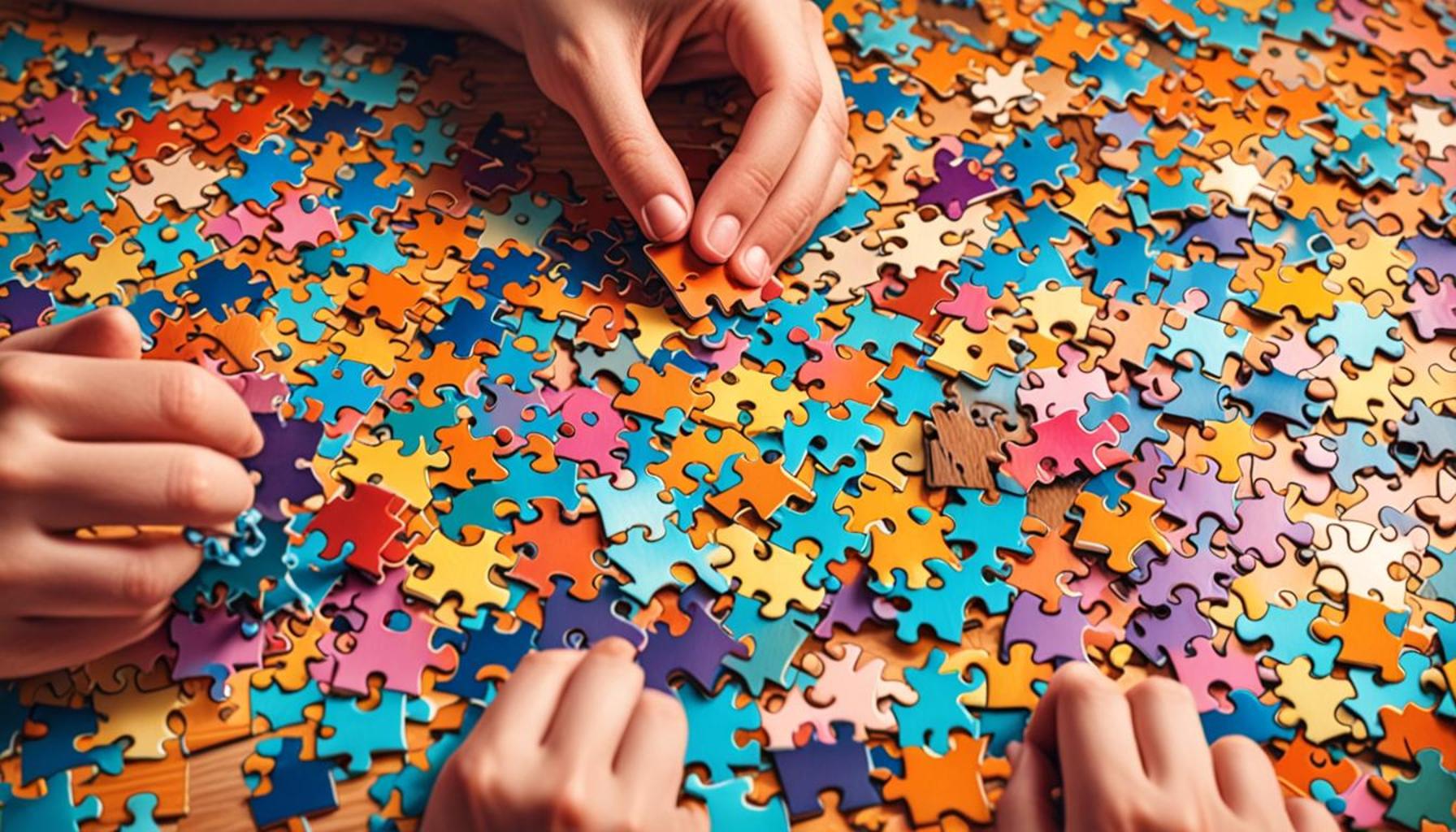
In the age of smartphones and instant gratification, maintaining focus and memory retention among teens can be particularly challenging. However, a growing body of research suggests that competitive puzzle solving may serve as an antidote to these distractions, proving to be not just a fun pastime but also a stimulating exercise for the brain. This activity immerses young participants in a world of logic, strategy, and teamwork, enhancing cognitive functions critical for academic success and everyday decision-making.
Studies have shown that engaging in puzzles leads to remarkable cognitive benefits that can significantly impact a teen’s learning trajectory. The following advantages highlight the importance of integrating puzzle competitions into educational and recreational activities:
- Improved working memory: Teens involved in competitive puzzle solving often demonstrate enhanced short-term memory retention. For instance, a study published in the journal “Cognition” revealed that participants who regularly solved puzzles were better at retaining and recalling information quickly compared to their peers who did not engage in such activities.
- Increased focus: The time constraints and competitive nature of puzzle-solving events demand heightened concentration. Competitions, such as crossword tournaments or logic competitions, encourage participants to develop a sharper attention to detail. This increase in focus can have a ripple effect, benefiting their academic performance and day-to-day tasks.
- Enhanced problem-solving skills: Successfully navigating a series of challenging puzzles fosters critical thinking and analytical skills. For example, teens who tackle increasingly difficult sudoku puzzles must employ strategic reasoning and adapt their approach, which is a valuable skill they can translate to solving real-world problems.
Across the United States, popular puzzle formats like sudoku, crosswords, and jigsaw puzzles not only provide entertainment but also serve as essential intellect exercises. Consider the annual American Crossword Puzzle Tournament, which draws contestants from all over the country. Such events do more than just crown a winner; they create a vibrant community of participants who share strategies and methods, enhancing their learning experience and fostering lifelong friendships.
As we explore further the relationship between competitive puzzle solving and memory enhancement, it becomes evident that these engaging activities are more than just mere distractions or hobbies. They act as invaluable cognitive tools that can effectively empower today’s youth by preparing them for the challenges they will invariably face in a complex world. So, the next time you encounter a puzzle, consider its potential beyond mere entertainment; it might just be a stepping stone to a sharper, more capable mind.
DISCOVER MORE: Click here to learn how brain games can boost your mental health
Unlocking Cognitive Potential Through Puzzle Competitions
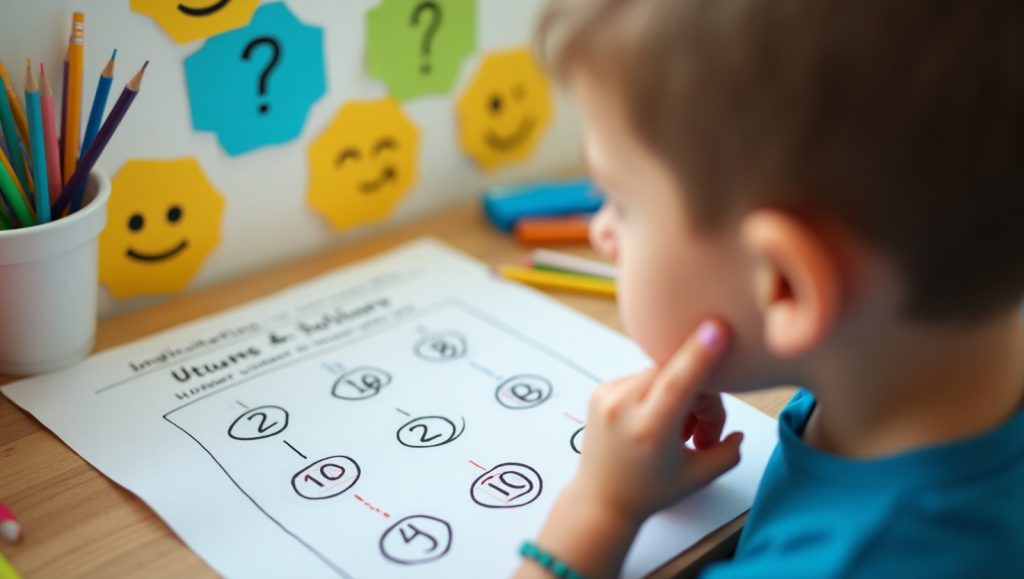
Competitive puzzle solving not only fuels passion and engagement among teens but also serves as a powerful catalyst for improving memory skills. The mental gymnastics required to navigate these intricate challenges promote neural connections and cognitive flexibility, which are essential for a teen’s overall development. Recent research suggests that the act of solving puzzles engages various brain regions, effectively acting as a workout for the mind. This engagement transforms into tangible benefits that can elevate a teen’s performance both academically and socially.
One core element of competitive puzzle solving is its ability to forge complex memory pathways. For instance, puzzles like sudoku and <strong-crosswords require participants to remember sequences, rules, and patterns, thereby enhancing their working memory. This improvement is closely linked to academic success; according to a study by the University of Southern California, students who participated in consistent cognitive challenges scored significantly higher on memory retention tests compared to their counterparts who did not.
The competitive aspect further amplifies these benefits. Participating in timed puzzles compels teens to think quickly and apply their knowledge under pressure. This scenario replicates real-world situations, such as timed exams or quick decision-making in high-stakes environments. The heightened sense of urgency not only sharpens their cognitive capabilities but also reduces anxiety when faced with similar academic pressures.
Here are some notable advantages of incorporating competitive puzzle solving into teen activities:
- Strengthened memory retention: Engaging in puzzles can lead to improved retention of information, making it easier for teens to recall what they learn in school.
- Better problem-solving abilities: Competitive puzzles challenge teens to devise creative solutions, honing their ability to think critically and systematically.
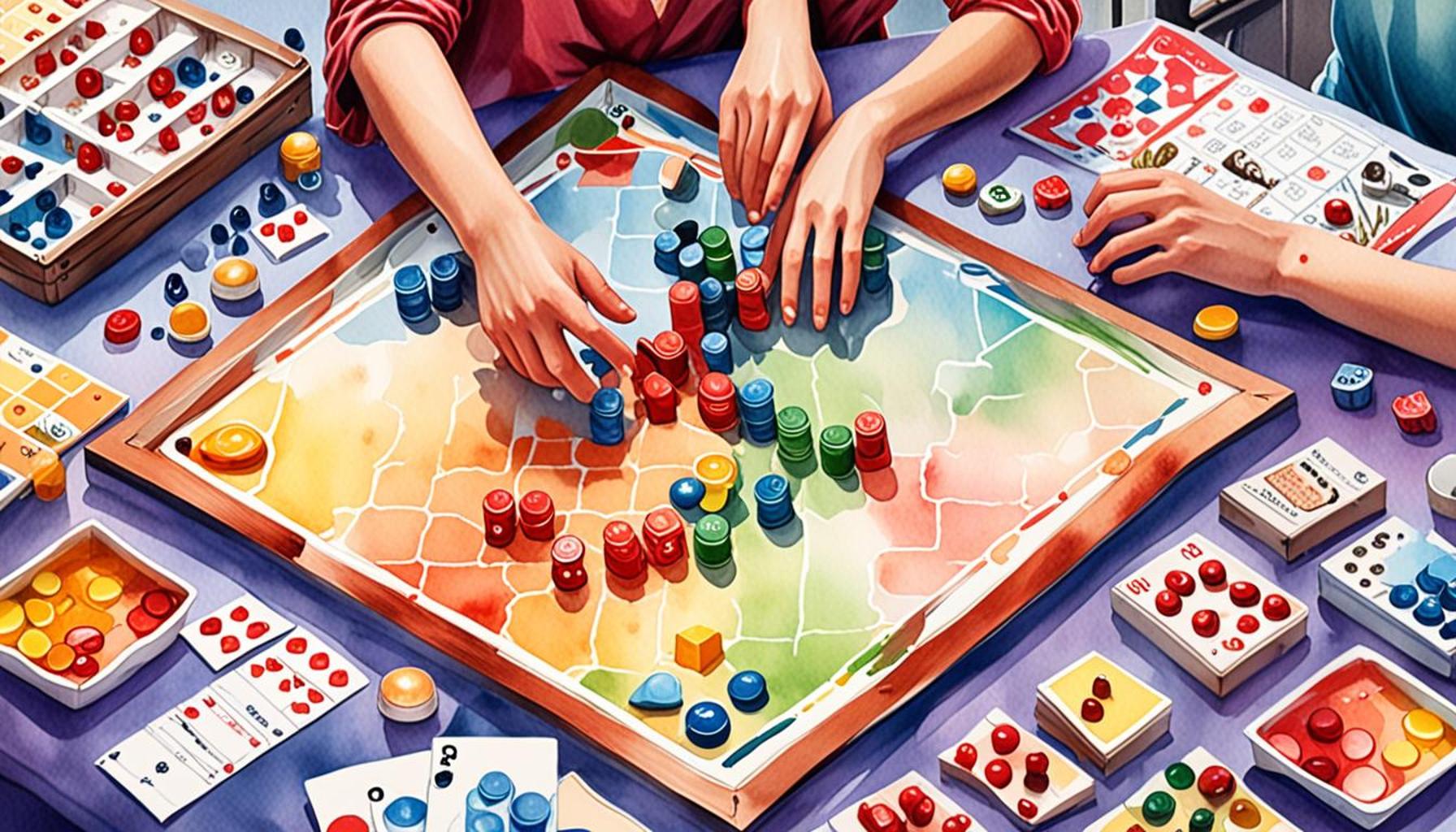
- Social interaction and teamwork: Many puzzle competitions require collaboration and communication, allowing teens to develop social skills and cultivate friendships.
Additionally, events like the National Sudoku Championship and American Crossword Puzzle Tournament not only challenge contestants but also foster a sense of community. Teams and individuals engage in friendly competition, sharing strategies and tips to enhance their skills. These interactions serve to further build connections among peers, reinforcing that cognitive growth is not just an individual endeavor but a group effort as well.
The implications of these benefits extend beyond puzzle competitions. The skills acquired through puzzle solving can translate into better academic performances, improved study habits, and a more profound understanding of the material across various subjects. Thus, the connection between competitive puzzle solving and enhanced memory skills presents a convincing case for parents and educators alike to integrate these activities within both educational and recreational frameworks.
As we delve deeper into understanding how competitive puzzle solving serves as a gateway to unlocking memory potential, we uncover the far-reaching effects these cognitive challenges can have on teenage development. The journey through a puzzle is more than just a test of knowledge; it is an opportunity to strengthen the very foundations of memory and learning.
The Power of Competitive Puzzle Solving
Engaging in competitive puzzle solving is not merely a pastime for many teens; it hones cognitive skills essential for academic success and everyday life. As teens tackle various puzzles, whether they’re classic jigsaws, crosswords, or modern escape room scenarios, they reap a multitude of benefits. One notable aspect is the enhancement of working memory. Working memory is crucial for processing and manipulating information. Research indicates that regular engagement with puzzles can significantly improve this cognitive function. When teens solve puzzles under time constraints, they are required to retain and organize information quickly, thereby strengthening their memory capabilities.Moreover, the social nature of competitive puzzle-solving fosters team collaboration and communication skills. Teens often participate in groups, requiring them to articulate their thoughts and strategies clearly. This environment provides a unique opportunity for adolescents to form bonds while developing emotional intelligence, which is just as critical for memory improvement.In addition, puzzles often require the application of logical reasoning and critical thinking. Teens learn to approach problems systematically, which not only aids in memory retention but also in academic subjects such as mathematics and science. By consistently challenging their minds, young people develop a habit of intellectual curiosity that translates into lifelong learning.As the competitive aspect fuels a teen’s desire to excel, it ignites motivation and perseverance. Such qualities are vital for academic achievement and personal growth. Research shows that students who engage actively in cognitive games and competitions tend to have better grades and a more profound understanding of complex subjects.With these compelling benefits, it becomes evident that competitive puzzle solving is far more than a recreational activity; it is a comprehensive tool for enhancing memory skills, social abilities, and cognitive reasoning in teens. As we delve deeper into this fascinating intersection of play and learning, it continues to reveal its ever-expanding influence in fostering well-rounded, capable individuals.
| Advantage | Description |
|---|---|
| Enhanced Working Memory | Regular puzzle solving improves teens’ ability to process and retain information. |
| Social Collaboration | Teens develop communication skills while working together to solve puzzles, fostering teamwork. |
| Logical Reasoning | Engagement in puzzles enhances critical thinking and systematic problem-solving skills. |
| Motivation and Perseverance | Competitive aspects encourage hard work and dedication, essential traits for academic success. |
DISCOVER MORE: Click here to enhance your brain power
Fostering Resilience and Adaptability Through Puzzle Challenges
Competitive puzzle solving not only enhances memory skills but also fosters essential life skills such as resilience and adaptability among teens. In the high-pressure environment of puzzle competitions, participants encounter various challenges that test their patience and perseverance. Whether it’s a particularly complex crossword or a frustrating number placement in sudoku, these moments of struggle teach teens the importance of grit—an ability to push through difficulties and come out stronger on the other side.
Research from the University of Michigan highlights that engaging in challenging cognitive activities enhances resilience. When teens practice solving difficult puzzles, they learn to cope with failure. These experiences can be pivotal; encountering hurdles and recalibrating strategies can lead to a growth mindset—an understanding that intelligence and abilities can be developed through effort and dedication. This mindset, cultivated through competitive puzzle solving, can positively influence other areas of a teen’s life, including their academic pursuits and personal relationships.
Another significant advantage of competitive puzzle-solving activities is their potential to create a stimulating and dynamic learning environment. Puzzles encourage teens to think outside the box and apply their knowledge in novel ways. By navigating various strategies to solve a puzzle, teens enhance their cognitive flexibility—which researchers at Stanford University suggest is a crucial component of effective problem-solving and adaptability. The ability to transfer skills learned through one puzzle into different contexts prepares teens not only for academic challenges but also for everyday problem-solving scenarios.
Additionally, engaging with diverse types of puzzles can supplement this cognitive training. For example, logic puzzles, anagrams, and even escape room challenges require teens to utilize a range of cognitive skills, each focusing on different aspects of memory and reasoning. A study from the Journal of Educational Psychology indicates that teens who participate in varied cognitive activities show enhanced transfer effects, meaning their improvements in memory skills can be observed in unrelated academic subjects, such as math and science.
The competitive nature of puzzle-solving events encourages a drive for improvement that fosters self-discipline and goal-setting. As teens strive to enhance their puzzle-solving speeds and accuracy, they learn to set measurable goals—specific targets that contribute to their overall growth. This practice builds a sense of accountability and responsibility, equipping them with skills relevant to both their current education and future careers.
Moreover, the teamwork that often accompanies competitive puzzle events cannot be overlooked. Many competitions are structured in a way that encourages collaboration—teens work in groups, pooling their knowledge and diverse perspectives to tackle complex puzzles. This not only reinforces their memory skills as they learn from one another but also cultivates communication and interpersonal skills that are invaluable in school and beyond. According to a report by the American Psychological Association, collaborative learning environments have been shown to improve both the retention of information and the effective application of skills in real-life situations.
In summary, competitive puzzle solving cultivates more than just enhanced memory abilities; it instills a set of skills that enhance academic performance, develop resilience, and promote effective teamwork among teens. These multifaceted benefits make a compelling case for integrating puzzle-solving competitions into educational curricula and extracurricular activities, encouraging a well-rounded cognitive development approach during the formative teenage years.
DISCOVER MORE: Click here to enhance your problem-solving skills
Conclusion: Unlocking Potential Through Competitive Puzzle Solving
In conclusion, the participation of teens in competitive puzzle solving serves as a powerful tool for enhancing their memory skills while simultaneously equipping them with essential life skills such as resilience and adaptability. The dynamics of puzzle competitions create a unique environment where teenagers are challenged to navigate complex problems, fostering a growth mindset that is vital for their academic and personal development. Research supports the notion that the cognitive flexibility gained through diverse puzzle encounters enhances not only memory retention but also the ability to apply learned strategies across various scenarios.
Furthermore, the collaborative nature of many puzzle-solving events promotes teamwork and communication, vital skills that will benefit them in future educational and career pursuits. As they engage in cooperative problem-solving, teens not only reinforce their memory skills but also enjoy the social connection that comes from shared challenges, making learning more enjoyable and impactful.
As educators and parents recognize the myriad benefits of competitive puzzle solving, there is a growing case for the incorporation of these activities into academic settings. By doing so, we can provide teens with enriching experiences that nurture their cognitive and emotional development. Ultimately, competitive puzzle solving emerges as a multifaceted approach to education, challenging teens to think critically and creatively while unlocking their full potential for success.