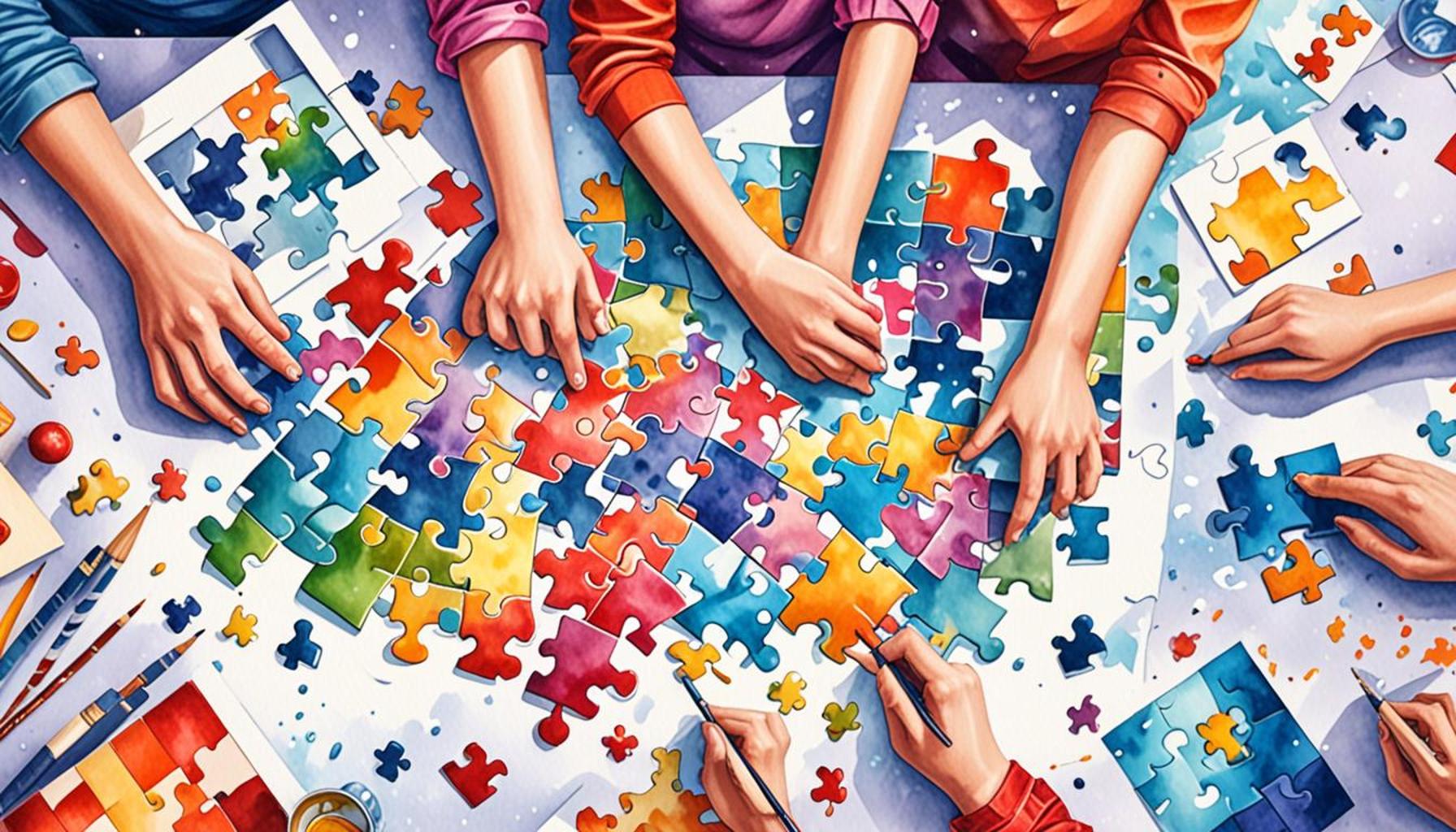
The practice of puzzles as a mindfulness tool for stress relief
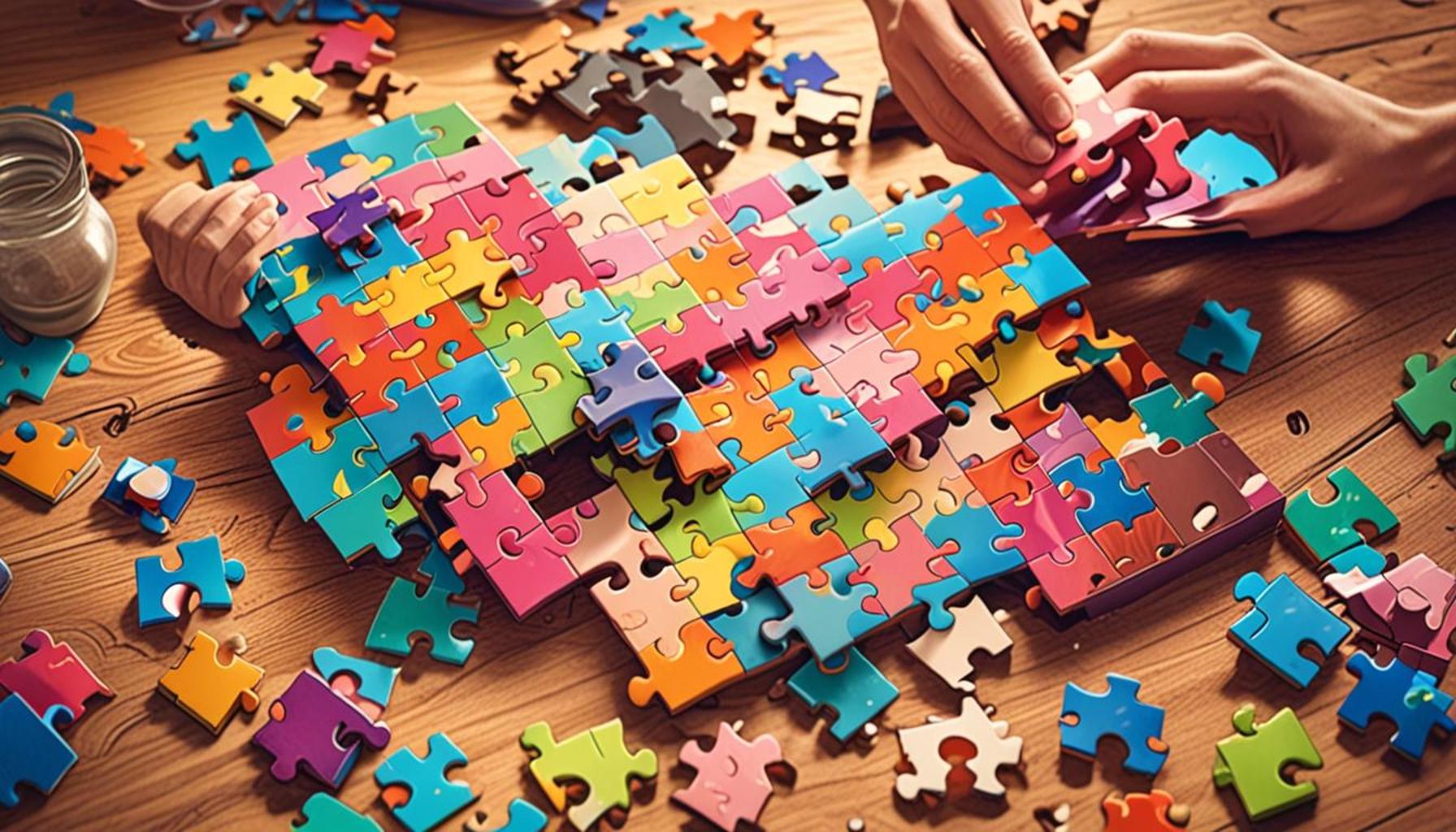
The Therapeutic Powers of Puzzles
In an era dominated by technology and a relentless pace of life, effective stress management techniques are more crucial than ever. Among various methods, the practice of puzzles is emerging as a surprisingly beneficial outlet. Engaging in puzzles not only stimulates the mind but also functions as a potent mindfulness tool for stress relief. This unique activity provides a sanctuary of concentration amid the chaos of daily life.
The Benefits of Puzzle Solving
Puzzles come in many forms, each offering distinct advantages that cater to different preferences. Consider the following variations:
- Jigsaw puzzles: These intricate visual challenges promote focus and patience as each piece finds its perfect spot. A 1000-piece jigsaw puzzle can provide hours of immersive engagement, fostering both relaxation and a sense of achievement once completed.
- Crossword puzzles: A favorite among many, crosswords enhance vocabulary and cognitive function. Regularly solving crosswords can lead to improved memory and language skills, making them a popular choice in publications such as The New York Times.
- Sudoku: This number puzzle strengthens problem-solving skills and encourages logical thinking. High-difficulty Sudoku can provide a fulfilling brain workout that keeps the mind sharp and agile.
Engaging with puzzles allows individuals to immerse themselves in the present moment, fostering a profound sense of calm. The repetitive nature of piecing together a puzzle can mirror meditative practices, providing an opportunity for the mind to quiet itself and banish anxieties.
Why Puzzles Work as a Mindfulness Tool
When confronted with stressors, the ritualistic nature of puzzle-solving offers a much-needed distraction. Its benefits are multifaceted:
- Enhanced focus: Dedicating attention to a puzzle draws the mind away from stressors, allowing individuals to engage deeply in the task at hand.
- Mindfulness: The act of connecting pieces or solving clues encourages living firmly in the moment, rather than dwelling on past or future worries.
- A sense of accomplishment: Completing a puzzle provides a tangible sense of achievement, delivering instant gratification that boosts self-esteem and mood.
As awareness of mental health continues to escalate across the United States, incorporating puzzles into daily routines emerges as a simple yet highly effective technique to promote personal wellness. Whether enjoyed alone or with family and friends, puzzles can transform moments of stress into opportunities for reflection, connection, and growth. So next time you feel overwhelmed, consider picking up a puzzle and allowing its therapeutic qualities to wash over you. The balance you seek might just be a few pieces away.
DISCOVER MORE: Click here to enhance your creative problem-solving skills
Engaging the Mind: How Puzzles Foster Mindfulness
In our fast-paced world, where stress often feels like a constant companion, finding effective and enjoyable stress relief methods can be a game-changer. The practice of solving puzzles has gained traction as a favorite for those seeking mindfulness and stress relief. At its core, puzzles demand attention, logic, and creativity, enabling individuals to step away from overwhelming thoughts and focus solely on the task at hand.
The Science Behind Puzzles and Mindfulness
Research indicates that engaging in puzzle-solving activates various regions of the brain, facilitating cognitive function and enhancing mental health. Studies suggest that immersing oneself in puzzles leads to a reduction in the levels of cortisol, the stress hormone. This not only makes puzzling a relaxing activity but reinforces its effectiveness as a mindfulness tool. The practice encourages a state of flow—a psychological concept where a person becomes deeply absorbed in an activity, resulting in a sense of fulfillment and joy.
Types of Puzzles That Promote Mindfulness
Diverse puzzle formats offer unique benefits, allowing individuals to select those that resonate with their interests. Here are some popular formats that serve as excellent mindfulness practices:
- Jigsaw puzzles: Beyond mere entertainment, assembling jigsaw puzzles creates a rich experience of mindfulness. Each piece must find its place, promoting patience and concentration. The gradual nature of seeing the image come to life cultivates a deeper appreciation for the process.
- Word searches: These engaging activities combine fun with mental agility. Searching for words among a jumble of letters is an excellent way to enhance focus and attention, offering a serene escape from daily life.
- Logic puzzles: Whether in the form of riddles or brain teasers, logic puzzles challenge and stimulate critical thinking. They compel individuals to view problems from different perspectives, honing both analytical and creative skills.
The benefits of puzzle-solving extend beyond mere distraction. Using puzzles as a routine practice can help individuals develop a heightened awareness of their thoughts and feelings. By engaging with the present moment, individuals can cultivate mindfulness, as the act of solving a puzzle brings attention away from external stressors and into the sanctuary of one’s mental environment.
Building a Puzzle Practice
Incorporating puzzles into a daily routine doesn’t require a hefty time commitment. Even dedicating 15 to 20 minutes a day can foster a sense of calm and center the mind. Setting up a comfortable space to engage with puzzles can enhance the experience. Consider creating a cozy nook with good lighting and perhaps a warm cup of tea or your favorite music, allowing for a serene mindset while working on your puzzle.
As we increasingly prioritize our mental health in the modern age, engaging in the therapeutic practice of puzzles offers a unique way to combat stress while fostering mindfulness. Whether enjoyed solo or as a shared experience with others, the simple act of putting together pieces can yield far-reaching mental health benefits. In doing so, we may find that the tools to relieve stress are not as complicated as we think; sometimes, they may be as simple as a few scattered pieces awaiting connection.
| Advantages | Description |
|---|---|
| Cognitive Engagement | Puzzles require concentration and stimulate the brain, helping to improve memory and problem-solving skills. |
| Stress Reduction | Engaging in puzzles allows individuals to enter a state of flow, diverting attention from stress and promoting relaxation. |
The simple act of piecing together a puzzle can transport you into a realm of tranquility and focus. This activity transcends mere entertainment; it serves as a mindfulness tool that fosters an environment conducive to stress relief. As you immerse yourself in the tactile experience of manipulating pieces, cognitive engagement increases, which is particularly advantageous for mental acuity.Moreover, the repetitive nature of solving puzzles can create a meditative rhythm, further pulling you into a calming mental space. This is vital in our fast-paced world, where stressors can accumulate daily. By infusing puzzle-solving into your routine, you can not only stimulate your mental faculties but also find a pathway to emotional well-being. Discovering the multifaceted benefits of puzzles encourages individuals to explore and embrace them as part of their stress relief toolkit.
DISCOVER MORE: Click here to learn about how puzzles can boost memory</a
Deepening Focus through Community and Challenges
While individual puzzle-solving can be a powerful vehicle for mindfulness, engaging in this activity as part of a community can further amplify its benefits. Group activities such as puzzle competitions or collaborative jigsaw projects create a sense of shared purpose and connection. This communal aspect fosters social bonding and significantly enhances the overall experience, allowing individuals to derive pleasure not only from the act of solving but also from enriching conversations and shared victories.
The Role of Technology in Modern Puzzle-Solving
In today’s digital age, puzzles have evolved beyond paper and cardboard. Mobile apps and online platforms offer a vast array of puzzle options that cater to various skill levels and preferences. This accessibility allows individuals to engage in puzzles whenever and wherever they need a moment of calm. Some studies suggest that digital puzzles, with their varied formats—from Sudoku to crosswords—can provide the same mindfulness benefits as traditional puzzles, as they still require concentration and problem-solving.
Moreover, many puzzle apps and websites include progress tracking and adaptive difficulty settings, allowing users to tailor their puzzling experience to suit their mood or skill level. This flexibility can make the practice of puzzles even more attractive to those who may feel overwhelmed by rigid formats or high-pressure environments.
Puzzles as Therapeutic Tools in Professional Settings
The incorporation of puzzles into professional environments is gaining attention as well. Workplaces are increasingly recognizing the value of puzzles as potent tools for team building and stress relief. Companies are introducing puzzle breaks during meetings, encouraging employees to engage in short, focused problem-solving sessions as a way to mitigate stress and boost creativity. These brief interludes not only refresh the mind but also enhance collaboration by allowing team members to engage with one another in a relaxed setting.
Furthermore, mental health professionals are also beginning to integrate puzzle activities into therapeutic practices. Techniques such as art therapy and cognitive-behavioral therapy (CBT) can incorporate puzzles as a medium for self-expression and reflection. By working through puzzles, clients can explore their emotional states and gain insights into stressors in a non-threatening manner. This innovative approach highlights the versatility of puzzles as adaptable and accessible tools in the realm of mental wellness.
The Impact of Puzzles on Cognitive Aging
Puzzles don’t just serve as a means of stress relief; they also hold promise for promoting cognitive health, particularly in aging populations. Research has shown that engaging in cognitive activities such as puzzles can reduce the risk of dementia and cognitive decline. These activities stimulate the brain, strengthening neural connections and enhancing overall cognitive function. For older adults seeking to maintain mental acuity, the regular engagement in puzzles offers a proactive approach to preserving brain health while providing emotional respite.
As society continues to grapple with rising stress levels, the multifaceted benefits of puzzles create a compelling case for their inclusion in daily routines. With opportunities for solitude, community engagement, and professional integration, puzzles provide a versatile means to cultivate mindfulness and combat stress in a world that often demands more than we can give. By shifting the focus inward through the joys of puzzling, we may well rediscover the serenity that lies within the simplicity of solving a simple, yet complex, conundrum.
DISCOVER MORE: Click here to learn about the therapeutic benefits of reasoning games
Conclusion: Embracing Puzzles for Mindfulness and Stress Relief
In an age marked by relentless hustle and escalating stress levels, the practice of puzzles emerges as a compelling mindfulness tool that not only fosters mental engagement but also promotes emotional well-being. Through solitary reflection or social collaboration, puzzles provide an essential counterbalance to modern life’s demands. The diverse range of formats—from classic jigsaw puzzles to intricate digital brain teasers—ensures that there is a puzzle for every individual, allowing for personal choice and enhanced engagement.
As underscored in this exploration, puzzles serve multiple roles, from community-building in group settings to acting as therapeutic tools for mental health improvement. Their adaptability makes them ideal for professional environments, reinforcing team dynamics while subtly incorporating stress relief into the daily grind. Furthermore, the cognitive stimulation derived from puzzle engagement has significant implications for aging populations, fostering not only mental agility but also extended cognitive vitality.
Ultimately, the simple act of piecing together a puzzle can transport individuals to a state of focused calm, where the worries of the day fade away, even if momentarily. As we continue navigating the complexities of life, embracing puzzling as a regular practice can unlock a new realm of mindfulness, inviting a greater sense of peace and clarity into our lives. Therefore, whether on a leisurely Sunday afternoon or as a brief respite during a hectic workday, consider setting aside time for this rewarding pursuit. By doing so, we might just find a clearer path through the intricate challenges that life presents.