The Influence of Pop Culture on Culinary Arts: Creating Themed and Innovative Dishes
Exploring the Crossroads of Culinary Arts and Pop Culture
In today’s fast-paced world, where pop culture permeates every aspect of life, its influence on culinary arts is undeniable. Chefs and food enthusiasts are increasingly drawing inspiration from movies, music, and television shows to craft dishes that not only tantalize taste buds but also tell a story. This intriguing blend of pop culture and gastronomy has given birth to themed and innovative dishes that captivate diners and transform everyday meals into memorable experiences.
Movie-inspired Meals
Film has long captivated audiences, and its culinary companion is thriving. Iconic dishes from beloved films are making their way onto menus across the United States. Take, for example, “Harry Potter” butterbeer ice cream, a frothy, creamy treat that transports fans to the wizarding world with a nostalgic flick of the spoon. The flavor combines butterscotch and cream soda, evoking the magic of Hogwarts and drawing in both young, eager fans and adults reminiscing about their formative years. Similarly, the animated film “Ratatouille” has inspired chefs to create authentic ratatouille, showcasing a vibrant array of vegetables layered beautifully and served with modern twists that pay homage to French culinary traditions.
Musical Inspirations at Festivals
Music festivals have also reshaped the culinary landscape, presenting an opportunity for chefs to showcase their creativity. Gourmet food trucks at events like Coachella or Lollapalooza serve up dishes influenced by the vibrant music culture surrounding them. For instance, a hip-hop-inspired dish might feature spicy fried chicken accompanied by a sweet and tangy sauce, drawing parallels to classic hip-hop lyrics celebrating food as a cultural staple. Signature cocktails at these festivals often reflect the atmosphere and anthems of popular bands, allowing guests to sip on drinks that capture the essence of their favorite artists while enjoying the diverse food selections.
Television’s Culinary Impact
Television shows have propelled certain foods to fame, with series like “The Great British Bake Off” igniting a baking renaissance. Home bakers across America have taken to their kitchens to recreate classic recipes such as Victoria sponge cakes and scones, spurring a newfound interest in traditional baking techniques. This has not only elevated home cooking but also inspired bakeries and cafes to offer artisanal versions of these delicacies, often accompanied by stories that weave in elements of British culture and heritage.
This culinary renaissance pushes boundaries, as chefs explore themes that resonate with fans. Street food markets and upscale restaurants alike are embracing the idea that food is more than sustenance; it’s an experience that reflects cultural phenomena. As social media platforms amplify these connections, diners are eager to share their culinary adventures, further blending their dining experiences with current trends and entertainment.
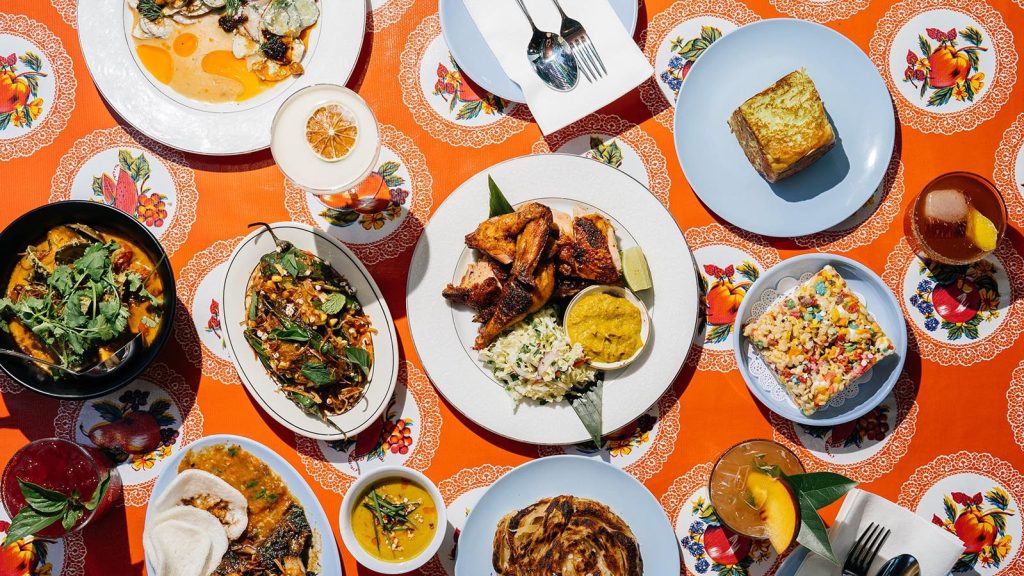
As more chefs curate their menus to include these creative twists, the question arises: how is the intersection of pop culture and culinary arts shaping our dining habits? The merging of these two dynamic worlds invites food enthusiasts to not only enjoy a meal but to immerse themselves in a narrative that transcends the plate. Join us as we delve into this flavorful journey, illustrating how innovation and artistry coexist on the plate, fundamentally altering the way we perceive and partake in culinary experiences.
DIVE DEEPER: Click here to discover the art of poetics
The Transformative Power of Pop Culture on Culinary Arts
As the culinary world continues to evolve, the influence of pop culture has become increasingly prominent. Chefs are not just cooking; they are storytelling, and integrating themes from popular films, music, and television into their dishes brings a unique appeal to their menus. This creative approach not only attracts diners but also engages a social media-savvy audience eager to share their gastronomic experiences. The intersection of these two dynamic realms highlights an intriguing phenomenon: how culinary arts reflect cultural currents and shifts.
Iconic Dishes and Their Pop Culture Roots
Pop culture serves as a wellspring of inspiration for culinary innovation. Many renowned chefs have embraced the challenge of creating dishes that not only taste delicious but also resonate with cultural references that diners can instantly recognize. Here are a few influential examples:
- Star Wars: The “Wookiee Cookie” combines sweet flavors with whimsical aesthetics, inspired by the beloved Chewbacca character. Bakeries across the country have embraced this theme, creating treats that appeal to fans of all ages.
- Stranger Things: Retro dishes from the 1980s have surged in popularity, as showcased by themed pop-up diners offering Eggo waffle desserts that pay homage to Eleven’s iconic snack. This successful tie to nostalgia not only prompts discussions among fans but also encourages patrons to experience their favorite series in a whole new way.
- The Office: Inspired by the cult-favorite series, themed restaurant events feature “Pretzel Day” specials in honor of the character Stanley Hudson, showcasing soft pretzels with imaginative dips and toppings, inviting customers to savor the humor alongside the flavors.
These themed dishes often prompt diners to not just eat but engage in a cultural dialogue that enhances their dining experience. The fusion of culinary arts and entertainment beckons fans of pop culture to explore flavors associated with their favorite characters and stories, making each bite a journey through their cherished memories.
Social Media’s Role in Culinary Pop Culture
With the rise of social media, the sharing of themed dishes has taken on new dimensions. Platforms like Instagram and TikTok allow users to distribute vibrant images and videos of their meals, creating a ripple effect of culinary exploration. The hashtag #Foodie has millions of posts, showcasing how food and culture intricately connect in modern society. Food influencers constantly seek unique, eye-catching dishes that capture the spirit of the moment; this results in chefs pushing the boundaries of creativity to meet evolving consumer desires.
Food festivals and specialty events further amplify this phenomenon, providing chefs with a stage to unveil their pop culture-inspired creations. From elaborate brunches themed around hit TV shows to food competitions that invite participants to recreate meals from films, these occasions foster a communal atmosphere that thrives on shared interests. The collaborative spirit is fueled by the excitement of discovery, encouraging both chefs and diners to innovate and celebrate culinary artistry together.
As this culinary landscape continues to evolve, the interplay between pop culture and food culture raises essential questions about identity, nostalgia, and how we consume art in multiple forms. This dynamic fusion encourages food lovers to seek out new flavors that tell stories while contributing to an ever-growing movement in the culinary world.
The Influence of Pop Culture on Culinary Arts: Creating Themed and Innovative Dishes
As pop culture evolves, it weaves itself into various aspects of our daily lives, including the culinary arts. Chefs and food enthusiasts are increasingly incorporating elements from movies, television shows, and music into their culinary creations, leading to an exploration of innovative and themed dishes. This trend not only excites the palate but also cultivates a deeper emotional connection with food.One striking example is the explosion of themed restaurants that embrace pop culture aesthetics. Restaurants inspired by iconic television series or blockbuster films often feature menus that are not just meals, but immersive experiences. This can be seen in the popularity of eateries themed around popular franchises like “Star Wars” or “Harry Potter,” where each dish is expertly crafted to reflect key elements of the respective universe. Diners are not merely consuming food; they are engaging with the narratives of beloved characters and stories, creating a dining experience that transcends the ordinary.Aside from themed restaurants, public events such as food festivals and culinary competitions have begun to showcase dishes inspired by pop culture phenomena. Culinary artists frequently use these platforms to present avant-garde creations that mimic the visual style of famous films or celebrate popular music icons. The incorporation of striking colors, unique textures, and contemporary plating techniques draws inspiration from the aesthetics found in pop culture, capturing the attention of both food critics and social media influencers.Moreover, social media platforms like Instagram and TikTok allow chefs to reach broader audiences by showcasing their pop culture-inspired dishes. This interactive engagement fosters a community where culinary innovation is not only recognized but celebrated. As users share their experiences and creations online, it sparks a wave of creativity and experimentation within the culinary world, as chefs strive to differentiate themselves and intrigue their followers.In addition to entertainment and social media, the intersection of food and pop culture also reflects significant cultural trends, such as the rise of plant-based dining and sustainability. Many chefs are now crafting innovative dishes that align with current societal movements, drawing inspiration from films and series that promote these values. Themed dishes featuring plant-based ingredients often find their way into menus, appealing to the growing audience of eco-conscious diners.The culinary arts are undoubtedly being reshaped by the influences of pop culture, with innovative and themed dishes gaining popularity in every corner of the globe. As culinary professionals adapt and embrace this trend, the future of dining looks more exciting than ever, presenting unique opportunities for creativity and connection in a fast-paced world.
| Culinary Aspect | Benefits of Themed Dishes |
|---|---|
| Pop Culture Inspiration | Engages diners with familiar narratives and aesthetics. |
| Innovative Techniques | Showcases creativity and keeps culinary practices evolving. |
DIVE DEEPER: Click here to learn more
Bridging Generations Through Culinary Pop Culture
The intersection of pop culture and culinary arts is not just a fleeting trend but rather a means to bridge generations. As nostalgia fuels the popularity of classic films and shows, chefs are reimagining traditional dishes, crafting updates that resonate with both younger audiences and those who hold fond memories of the originals. This reinvention creates a delightful tension between past and present, compelling diners to explore food experiences that transcend their generational divides.
Resurrecting Old Favorites with a Modern Twist
Many chefs have tapped into beloved culinary icons from previous decades, enhancing these dishes through contemporary techniques or unexpected flavor pairings. For instance, the humble taco has taken on various forms, with chefs drawing from 90s cartoons to create taco-themed menus inspired by shows like “Rugrats.” Diners can indulge in “Reptar Tacos” colored vibrantly with food-safe dyes, serving both as a visual delight and a tasty representation of their childhood TV experiences.
Moreover, the fusion of food and themed experiences has grown beyond mere nostalgia. In cities nationwide, pop-up restaurants are pushing boundaries, with concepts like a full-fledged “Harry Potter” dining experience, which allows fans to savor dishes inspired by the series, like Butterbeer and Pumpkin Pasties, while being immersed in the enchanting atmosphere of the Wizarding World. These themed dining experiences have proven to be a significant marketing strategy, drawing in full houses and creating buzz across social media platforms.
The Power of Innovative Ingredients
Innovation in the culinary arts often mirrors the creative spirit found in pop culture. Chefs are increasingly experimenting with unexpected ingredients, influenced by trends in films and music. Take, for example, the rise of plant-based menus inspired by the current emphasis on sustainability championed by many in the entertainment industry. This spotlight has propelled more chefs to craft gourmet plant-based dishes that are not only environmentally conscious but also aesthetically appealing and delicious.
Moreover, the infusion of local ingredients inspired by current social movements makes an impact. Chefs have utilized popular music festivals as inspiration for seasonal dishes that highlight regional produce. The farm-to-table movement benefits significantly from this fusion as entertainers often endorse local farmers, further deepening the culinary link and urging diners to engage with food sourcing narratives.
The Role of Celebrity Chefs in Shaping Trends
Celebrity chefs play a crucial role in merging pop culture with culinary innovation. Personalities like *Gordon Ramsay* and *Chrissy Teigen* leverage their fame to introduce dishes that capture the attention of a broader audience. Their social media presence often showcases themed food that resonates with millions, further cementing the relationship between food experiences and pop culture references.
- Food Challenges and Competitions: Celebrity chefs often participate in food challenges or culinary competitions that create iconic dishes, directly influencing trending styles and flavors that fans seek out in restaurants.
- Collaborations with Other Celebrities: By teaming up with musicians, actors, and influencers, these culinary celebrities augment their reach, seamlessly integrating elements of pop culture into their gastronomic creations.
As culinary arts continue to reflect societal interests and preferences, the impact of pop culture remains an enduring theme. Chefs who embrace this influence are not only crafting innovative dishes but are also participating in a larger cultural conversation, transforming their establishments into vibrant forums for artistic expression and exploration of communal identities.
DISCOVER MORE: Click here to delve into the richness of literary genres
Conclusion: The Ever-Evolving Culinary Landscape
The profound connection between pop culture and culinary arts underscores a fascinating evolution in the way we experience food. As chefs draw inspiration from beloved movies, music, and television shows, they create innovative dishes that invite diners to engage not just with taste, but with a communal sentiment rooted in shared memories and cultural phenomena. This fusion extends far beyond nostalgia; it actively ignites conversations about sustainability, creativity, and the democratization of food experiences.
From vibrant pop-up restaurants themed around iconic franchises to the rise of plant-based menus that mirror societal shifts, the culinary landscape is becoming an ever more dynamic arena. Chefs are not merely culinary artists; they are cultural storytellers, curating menus that reflect broader social narratives while resonating with diverse generations. Celebrity chefs further amplify this trend, leveraging their influence to introduce imaginative dishes that merge culinary skill with pop culture significance, thus making fine dining accessible and relatable.
As we move forward, exploring how food can serve as a canvas for creativity, it is crucial to recognize that the relationship between pop culture and culinary arts is an ongoing dialogue. Themed dishes and culinary innovation promise to continually reshape our dining experiences, providing a delicious pathway for connecting with culture, community, and identity. Whether you’re savoring a nostalgic dish inspired by your favorite childhood show or indulging in a trendy plant-based meal influenced by current social movements, the intersection of food and pop culture invites you to be a part of something bigger—a flavorful reflection of who we are and where we stand in this ever-changing world.