
The Influence of Nature on Writing: How Landscapes and Environments Inspire Literary Creations

The Influence of Natural Landscapes on Literary Artistry
The power of nature is undeniable; it has the ability to influence thoughts, emotions, and creativity. For writers around the world, landscapes and environments play a pivotal role in shaping their narratives. From serene forests to turbulent coastlines, different settings evoke unique responses in the human spirit. When authors immerse themselves in nature, they often find the muse they need to bring their visions to life.
Consider how various natural elements contribute to literary inspiration:
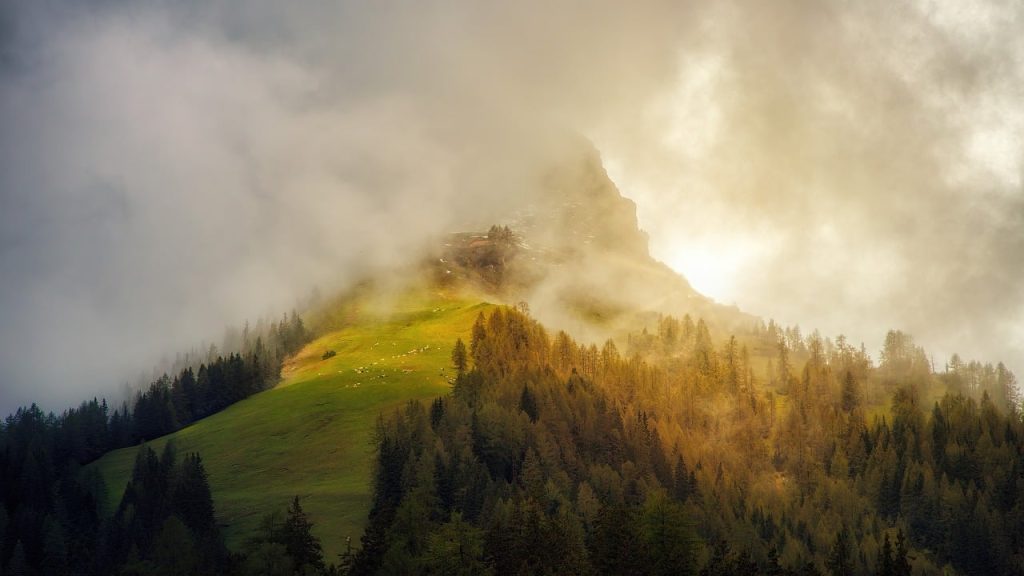
- Mountains: These towering giants often symbolize challenges or enlightenment. Writers like Robert Louis Stevenson captured the majesty of mountains, using them as metaphors for the great hurdles in life. The climb to the summit can serve as a powerful metaphor for personal growth, echoing the struggles we all face.
- Oceans: The vastness of the sea can reflect feelings of isolation or freedom. The works of authors such as Ernest Hemingway, who often set his stories against the backdrop of the ocean, illustrate the profound connection between the human condition and the rhythmic ebb and flow of the tides. The ocean can represent the unfathomable depths of emotions, paralleling the complexities of human experience.
- Forests: Dense woodlands may evoke mystery or adventure. Think of the vivid imagery in works like J.R.R. Tolkien’s “The Lord of the Rings,” where enchanted forests serve as places of both peril and wonder. The forest’s layered shadows and hidden paths can inspire stories of discovery, echoing themes of exploration both outward and inward.
- Deserts: Their stark beauty can represent desolation or resilience. Writers like Antoine de Saint-Exupéry, who famously penned “The Little Prince,” utilized the tranquil yet harsh environment of the desert to convey profound truths about loneliness and companionship. The endless horizon invites reflection on one’s place in the universe.
Throughout history, many authors have drawn from their surroundings to craft compelling stories. Renowned writers such as Henry David Thoreau and John Muir were deeply influenced by their natural environments, leading to profound insights and memorable works. Their profound observations of the wild inspire readers to appreciate the beauty of the natural world, encouraging a deeper connection between humanity and the environment.
This connection ignites curiosity about the ways in which landscapes mold the creative process. When writers immerse themselves in the sights, sounds, and sensations of their surroundings, they open themselves to a world of creativity. Nature becomes not just a backdrop for the narrative, but a living, breathing character within the story itself. As you delve deeper into this exploration, questions arise: How does a writer’s environment shape their voice? What role does nature play in the creative mindset? The relationship between nature and literary creation invites reflection and further investigation, offering a canvas as broad as the sky itself.
In conclusion, recognizing and understanding the intrinsic link between nature and writing can offer profound insights for aspiring authors and seasoned writers alike. Nature serves as both a sanctuary and a stimulus, urging us to share our narratives while weaving the magnificence of the natural world into every word we pen.
DISCOVER MORE: Click here
The Connection Between Nature and the Creative Process
Exploring the influence of nature on writing reveals an intricate relationship between the physical world and the creative psyche. As authors traverse through diverse landscapes, they are often swayed by the unique attributes each environment imbues into their storytelling. These geographical features not only serve as settings but also become integral to character development and thematic depth.
To comprehend this relationship, we must delve into how various environmental factors play a role in shaping literary imagination:
- Seasonal Changes: The cyclical nature of seasons can significantly impact a writer’s mood and inspiration. Spring’s renewal, summer’s vibrancy, autumn’s decay, and winter’s stillness each offer distinct emotional landscapes that can be translated into writing. For instance, F. Scott Fitzgerald’s portrayal of the roaring twenties often draws parallels with the exuberant spirit of summer, capturing the recklessness of youth and ambition.
- Climate: Climate variations can dictate the tone of narratives. The balmy, inviting atmosphere of California has inspired a myriad of light-hearted tales, while the harsh, biting cold of Alaska may evoke feelings of struggle and survival. Jack London’s gripping tales set against the Arctic’s brutal conditions underscore how climate can dictate not just setting but also conflict and character development.
- Flora and Fauna: The myriad living elements in an environment serve as symbols and metaphors within literature. The rich imagery of blooming cherry blossoms in Washington D.C. may evoke themes of transience, as seen in the poems of Emily Dickinson. Conversely, the tenacity of cacti thriving in the unforgiving deserts of the Southwest can symbolize resilience and endurance, a recurring theme in the works of contemporary authors like Rick Bass.
- Natural Soundscapes: The auditory experiences in nature, from rustling leaves to the chorus of birdsong, can amplify the emotional resonance of prose. These soft murmurs serve as a backdrop that enhances the narrative, allowing readers to be more immersed in the world the author has crafted. This phenomenon can be observed in the works of nature writers like Annie Dillard, whose sensory-rich descriptions invite readers to experience the natural world profoundly.
The impact of nature extends beyond mere inspiration; it often becomes a source of existential reflection for many writers. Think of how nature writing has evolved as a genre. Authors like John Steinbeck and Aldo Leopold have not only narrated their experiences with the environment but also critiqued humanity’s relationship with it. Their works serve as crucial commentaries on environmental stewardship, encouraging readers to examine their own connections to the world around them.
This profound connection between the writer and the surrounding environment underscores the pivotal question: How deeply does nature shape the creative spirit? By engaging with their surroundings, writers can unlock hidden layers of creativity, allowing their tales to flourish with authenticity and depth. Whether it is a solitary retreat in the mountains or a bustling beach scene, the essence of nature invariably seeps into the literature they create, transforming mere words into evocative storytelling steeped in real-world experience.
The Transformative Power of Landscapes in Literature
The connection between nature and writing is profound, with various authors drawing inspiration from the beauty and complexity of their surroundings. From the rolling hills of the English countryside to the rugged coastlines of New England, the these landscapes often serve as the backdrop for human emotion and conflict in literature. Many writers believe that immersing oneself within the natural world can lead to a deeper understanding of character motivations and themes. For instance, the serene vistas of a tranquil lake may inspire themes of reflection and inner peace, while a stormy seascape might evoke turmoil and chaos within a narrative. These environments do not merely serve as settings; they embody the mood and emotional state of characters, influencing how stories unfold.In addition to emotional resonance, the tangible aspects of the environment also provide rich details that enhance storytelling. Descriptions of the distinct sounds of chirping birds or the scent of pine trees can transport readers, making them feel as if they are part of the landscape. Such vivid imagery allows for a more immersive reading experience, linking the audience intimately with the settings portrayed within the narrative.Moreover, exploring different ecosystems—from lush jungles to barren deserts—can lead writers to engage with diverse cultural perspectives and themes. The contrasting experiences of life in these environments often yield compelling tales of survival, struggle, and harmony with nature. Can one truly understand a character’s journey without recognizing their natural surroundings? Through an analysis of literary history, it becomes clear that iconic works, such as Mary Shelley’s “Frankenstein,” utilize nature not only as a backdrop but as a character in its own right. The desolate landscapes reflect the tumultuous emotional states of the protagonist and reveal deeper truths about humanity’s relationship with nature. This highlights how writers, in various forms, continue to use the environment to explore and express the complexities of the human condition.As we dive deeper into how landscapes and environments influence literary creations, we uncover remarkable examples of how nature serves as both muse and metaphor, forever changing the way stories are told.
| Category | Advantages |
|---|---|
| Emotional Depth | Nature enhances the emotional resonance of narratives, providing a backdrop that reflects characters’ internal conflicts. |
| Rich Imagery | Natural landscapes allow writers to create vivid imagery, making the stories more immersive and engaging for the reader. |
DIVE DEEPER: Click here to discover the influences of pop culture on literature
Nature as a Catalyst for Storytelling
As we peel back the layers of how landscapes and environments inspire literary creations, it becomes clear that nature serves not merely as a backdrop but rather as a vital catalyst for storytelling. Writing can often mirror the complexities of the natural world, and many authors find that interacting with their environments deepens their narratives while simultaneously reflecting their own emotional and psychological landscapes.
One significant aspect of nature’s influence on writing is the use of imagery and symbolism. Natural elements frequently serve as profound symbols within literature. For instance, the rolling hills of the Midwest often evoke a sense of nostalgia and longing, as seen in the works of Willa Cather, whose stories encapsulate the essence of rural American life. Conversely, the waves crashing against the rocky coasts in the poetry of Elizabeth Bishop provide vivid representations of internal struggles and resolutions, showcasing how natural environments can parallel human emotion.
The concept of place also plays an important role in shaping narratives. Regions like New England, with its storied autumn foliage and eerie winter landscapes, heavily influence the gothic and romantic genres. Authors such as Nathaniel Hawthorne and H.P. Lovecraft expertly utilize the intricacies of their New England surroundings to heighten the suspense and emotional stakes in their stories. The landscapes become characters in their own right, embodying the fears and dreams of the protagonist, making the setting a critical element of the story’s emotional core.
The Role of Nature in Character Development
The interplay between nature and character development is another poignant aspect of how landscapes inspire writing. Characters are often shaped by their environments, and their interactions with the natural world can guide their growth or even reveal their deepest fears and desires. In the works of authors like Henry David Thoreau, who famously sought solace in the woods of Walden Pond, nature becomes a reflective surface for personal exploration and philosophical musings. Thoreau’s journey into the wild illuminates how external landscapes can lead to profound internal transformations.
- Environmental Themes: Many modern writers delve into themes of ecological awareness, revealing the urgency of conservation and the impact of nature on human existence. Authors like Barbara Kingsolver weave environmental activism into their narratives, prompting readers to consider their relationship with the Earth and encouraging a sense of responsibility.
- Adventure and Survival: Nature is often the ultimate adversary for characters in literary works, setting the stage for tales of adventure and survival. In works like “Into the Wild” by Jon Krakauer, the Alaskan wilderness becomes a powerful force that tests the limits of human endurance, exploring themes of freedom and the costs of adventure.
A key factor in the literary process influenced by nature is the emotional resonance created by surrounding environments. Many authors claim that the solitude found in nature allows for deeper reflection and creativity. The American writer Maya Angelou once noted that the natural world provided her with both “solace and inspiration,” suggesting that the tranquility and beauty of the outdoors can serve as a muse, providing mental clarity and emotional balance conducive to writing.
Ultimately, the landscapes and environments that writers inhabit heavily influence their creative output. Whether through the haunting shadow of a mountain or the gentle rustling of leaves, nature’s omnipresence fuels the literary imagination, driving art that breathes life into the words on the page. The myriad ways in which nature weaves itself into the fabric of storytelling invite a deeper inquiry into how our surroundings shape not only narratives but also the very act of writing itself.
DISCOVER MORE: Click here to learn about music’s influence on well-being
Conclusion: The Enduring Connection Between Nature and Literature
In conclusion, the profound influence of nature on writing is evident across diverse literary traditions and genres. As explored throughout this article, landscapes and environments act as more than mere settings; they instead serve as dynamic forces that shape narratives, symbolize emotions, and reflect the human condition. From the rolling hills of the Midwest in Willa Cather’s works to the eerie allure of New England in Nathaniel Hawthorne’s stories, nature’s presence permeates literature, allowing authors to explore complex themes that resonate deeply with readers.
The connection between character development and the surrounding environments further supports the notion that our landscapes are essential to storytelling. Nature not only influences the trajectory of a plot but also catalyzes profound transformations within characters themselves. Writers like Thoreau have shown us that engaging with nature can lead to greater self-reflection and enlightenment.
Furthermore, the evolving themes of environmental awareness in contemporary literature signal a shift towards a more conscientious exploration of humanity’s relationship with the natural world. Authors today have a unique opportunity to intertwine storytelling with advocacy, inviting readers to reflect on their role in the preservation of nature.
Ultimately, the inspiration drawn from nature is vast and varied, inviting writers to navigate the intricate connections between the environment and human experience. As we continue to appreciate the beauty and complexity of the world around us, we enhance our understanding of how nature shapes narratives, offering a rich terrain for creative exploration. The call to explore these landscapes—both literal and metaphorical—remains more relevant than ever for writers seeking to capture the essence of what it means to be human.