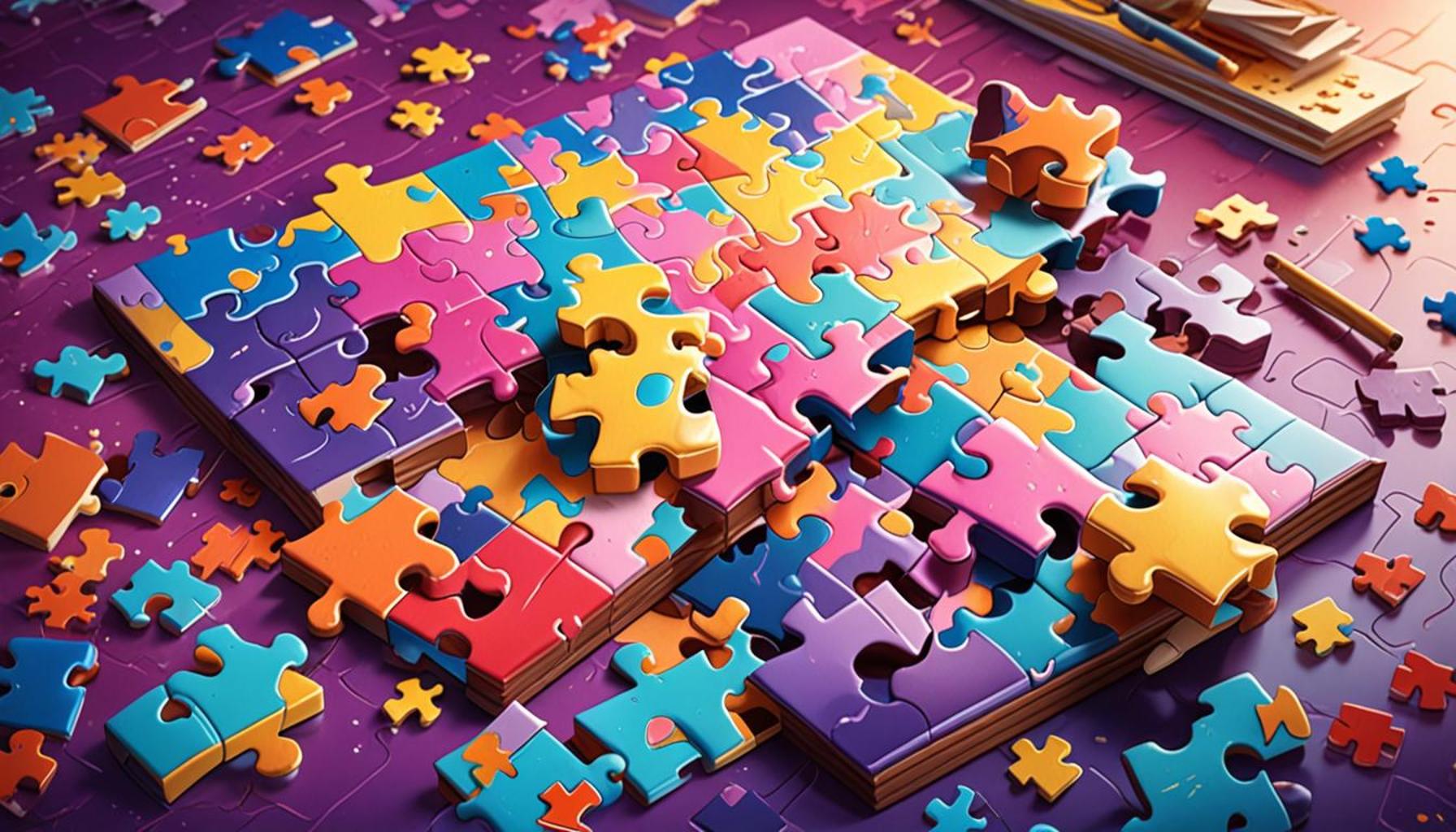
The Influence of Mathematical Puzzles on Mental Agility and Everyday Challenge Resolution

The Cognitive Edge of Engaging with Puzzles
Mathematical puzzles offer a unique blend of entertainment and education, functioning as a mental workout that sharpens our cognitive skills. These engaging challenges do not merely serve as pastimes; they act as gateways to enhancing mental agility. By interacting with mathematical puzzles, individuals can significantly refine their problem-solving abilities and boost cognitive performance in an array of contexts. But what precisely does engaging with these puzzles mean for our daily decision-making processes?
Key Benefits of Mathematical Puzzles
- Critical Thinking: Engaging with puzzles requires the use of analytical thinking and logical reasoning. Whether it’s deciphering a complex Sudoku grid or untangling mathematical riddles, the process helps in identifying patterns and making connections that lead to effective solutions.
- Creativity: Many mathematical puzzles demand a level of creativity, pushing individuals to think outside traditional frameworks. For instance, lateral thinking puzzles challenge one to approach problems from multiple angles, fostering innovative solutions that may not come about through conventional thinking alone.
- Resilience: Tackling difficult puzzles inevitably leads to moments of frustration, but learning to navigate these obstacles cultivates a sense of perseverance. Just as one might approach a challenging project at work or a personal obstacle in life, puzzle enthusiasts learn the importance of persistence in achieving their goals.
In today’s fast-paced environment, the necessity of refining these skills has never been more vital. A plethora of studies indicate that consistent engagement with mathematical puzzles enhances cognitive abilities, resulting in tangible improvements across numerous life domains, from academic achievements to professional successes.
Real-Life Applications
- Workplace Decision Making: Enhanced logic and reasoning abilities accelerated through puzzle engagement directly translate to faster, more effective problem resolution in corporate settings. For instance, a manager who regularly tackles analytical puzzles may find themselves better equipped to devise strategies during team meetings.
- Social Interactions: Quick thinking and improved decision-making skills fostered by mathematical puzzles become invaluable in navigating complex social situations. Whether resolving a disagreement among peers or thinking on one’s feet during a conversation, these skills enhance interpersonal relations.
- Academic Success: The boost in cognitive faculties from solving puzzles enables students to grasp complex subjects with greater ease. Students who regularly engage in puzzles may perform better in mathematics and science courses, where logical reasoning is essential.
Venturing into the world of mathematical puzzles offers individuals a toolkit brimming with skills that transcend mere entertainment. The impact of these cognitive workouts is profound, making it pertinent for anyone looking to elevate their intellectual capabilities. As puzzles continue to capture our fascination, they remain a valuable resource for personal and professional development, beckoning us to unlock their mysteries and reap their wide-ranging benefits.
DISCOVER MORE: Click here for daily brain games to boost your mental health!
Unlocking the Power of Mathematical Puzzles for Daily Life
The domain of mathematical puzzles extends far beyond mere entertainment; it serves as a powerful catalyst for enhancing our mental agility and refining our ability to resolve everyday challenges. As individuals engage with these intricate puzzles, they stimulate various cognitive processes that are crucial for successful navigation through both personal and professional life. The intricate dance between logic and creativity not only invigorates the intellect but also fosters skills that can directly impact reality.
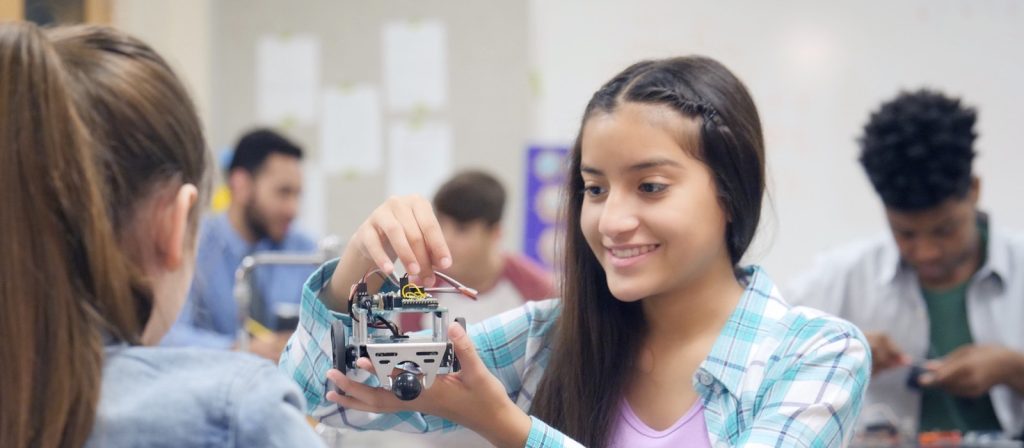
Enhanced Logical Reasoning
One of the primary benefits of regularly engaging with mathematical puzzles is the significant enhancement in logical reasoning. Puzzles such as logic games and riddles require solvers to evaluate multiple variables, draw logical conclusions, and strategize their approach. This linear thinking is essential in numerous scenarios, particularly in academic and corporate settings. For instance, when faced with a data analysis problem, an employee who frequently solves mathematical puzzles may be more adept at identifying trends and deriving actionable insights faster than their peers.
Boosting Attention to Detail
Frequently maneuvering through puzzles necessitates a high level of precision and attention to detail. The act of focusing on specific elements within a complex problem nurtures the ability to notice subtle distinctions that might otherwise be overlooked. This skill is invaluable, whether one is preparing a financial report, coding software, or drafting a comprehensive proposal. Indeed, the potential for enhanced detail orientation translates to a greater likelihood of achieving accurate outcomes.
Building Mathematical Proficiency
Regular engagement with mathematical puzzles can also cultivate a deeper understanding of mathematical principles, reinforcing concepts like arithmetic, geometry, and probability. This reinforcement can yield long-term academic advantages for students. For example, a student who practices solving mathematical puzzles may find themselves not only excelling in math classes but also developing a profound appreciation for the subject. As students encounter more rigorous coursework, their confidence and competence in handling complex mathematical problems are fortified, allowing them to tackle challenges head-on.
Real-Life Decision-Making Improvement
Transitioning from the theory of improved cognitive function to real-life application reveals how advanced problem-solving skills can augment decision-making in various contexts. Below are key aspects where the benefits of mathematical puzzles are prominently displayed:
- Effective Time Management: The strategies learned through puzzle-solving, such as prioritizing tasks and optimizing resources, aid individuals in organizing their daily schedules efficiently.
- Strategic Planning: Employees who engage with puzzles often think more critically about resource allocation and long-term project goals, translating to enhanced project management.
- Financial Decision-Making: By sharpening numerical literacy and analytical skills, individuals become more adept at evaluating investments or expenses, contributing to informed financial choices.
Engaging with mathematical puzzles is not just an abstract exercise; it is an investment in one’s intellectual and problem-solving toolkit. The skills developed through these cognitive challenges are far-reaching, rendering individuals more capable in both their professional duties and daily life complexities. By delving into the puzzle world, one unlocks a plethora of cognitive assets, ultimately facilitating better decision-making and problem resolution. As we continue to explore the myriad dimensions of mathematical puzzles, their profound influence on mental agility and daily challenge resolution becomes increasingly apparent.
The Influence of Mathematical Puzzles on Mental Agility and Everyday Challenge Resolution
Mathematical puzzles have gained recognition not only for their entertainment value but also for their profound impact on enhancing mental agility. Engaging with these puzzles boosts cognitive functions by promoting analytical thinking, problem-solving skills, and creativity. Research suggests that individuals who regularly tackle mathematical challenges exhibit improved reasoning abilities and adaptability in real-life situations.Mathematical puzzles come in various forms, from Sudoku and logic problems to complex problem-solving scenarios. These activities encourage neuroplasticity, the brain’s ability to reorganize itself by forming new neural connections. As individuals engage with mathematical challenges, they stimulate different regions of their brain, leading to enhanced mental agility. This stimulation is critical, especially for those facing everyday challenges that require swift decision-making and innovative solutions.Moreover, the experience of solving mathematical puzzles cultivates resilience. When confronted with difficult problems, individuals learn perseverance and the importance of breaking challenges into manageable parts. This skill transfers seamlessly into everyday life, allowing individuals to tackle tasks, navigate conflicts, and approach obstacles with a confident mindset. Participants who engage in math puzzles often report a boost in their self-esteem and satisfaction from overcoming difficult challenges.The benefits of embracing mathematical puzzles extend beyond personal growth to enhancing interpersonal skills. As individuals collaborate to solve complex problems, they develop teamwork abilities and communication skills vital in group settings. The shared experience of overcoming mathematical challenges fosters camaraderie, creating networks of support that are beneficial both socially and professionally.Understanding the broader implications of mathematical puzzles emphasizes their significance in fostering a well-rounded, capable individual. Incorporating them into daily routines promotes lifelong learning, making the case for why these puzzles are essential instruments for mental agility and effective challenge resolution.
| Advantages of Mathematical Puzzles | Impact on Daily Challenges |
|---|---|
| Enhances Cognitive Abilities | Improves analytical thinking, facilitating better decision-making. |
| Promotes Resilience | Encourages perseverance in problem-solving during daily life challenges. |
| Increases Neuroplasticity | Stimulates brain activity essential for adapting to new situations. |
| Encourages Collaboration | Fosters teamwork and communication skills through shared problem-solving. |
DIVE DEEPER: Click here to enhance your brain power
Navigating Challenges with Enhanced Skills
As we delve deeper into the intersection of mathematical puzzles and everyday challenge resolution, it becomes clear that the cognitive benefits extend beyond mere academic achievement. The skills honed through these puzzles can significantly shape an individual’s approach to life’s complexities, empowering them to tackle obstacles with confidence and creativity.
Fostering Creative Problem Solving
One of the lesser-discussed advantages of engaging in mathematical puzzles is the stimulation of creative problem-solving. Unlike traditional educational settings that often emphasize rote memorization, mathematical puzzles encourage a more open-ended exploration of solutions. For instance, a classic problem might present a scenario where a series of equations must be balanced. Solvers often devise unconventional methods or utilize lateral thinking to arrive at the answer. This process nurtures an innovative mindset, making individuals more versatile in approaching diverse challenges—from troubleshooting technical issues to devising marketing strategies for their businesses.
Improving Resilience and Perseverance
Encounters with challenging puzzles often require persistent effort to overcome. This iterative process of trial and error is a microcosm of real-life problem-solving scenarios. Cultivating resilience through puzzle-solving not only instills a sense of achievement upon finding a solution but also reinforces a vital life skill: the ability to manage frustration and navigate setbacks. By regularly working through puzzles that seem daunting at first, individuals develop a mindset capable of tackling prolonged projects or unexpected difficulties in their personal lives—be it renovating a home, adapting to new technology, or negotiating complex relationships.
Enhancing Communication Skills
Many mathematical puzzles benefit from collaborative approaches, wherein individuals discuss strategies, share insights, and present solutions to one another. This collaborative environment can enhance communication skills as participants learn to articulate their reasoning and question alternative perspectives. These discussions promote active listening and constructive criticism, crucial elements in both workplace collaborations and interpersonal relationships. Individuals who engage in frequent puzzle-solving sessions might find themselves more adept at conveying complex ideas succinctly and persuasively, whether during a team meeting or a casual conversation.
Utilizing Technology for Puzzle Engagement
The modernization of puzzle-solving has led to the proliferation of excellent digital resources. Various apps and online platforms provide access to a diverse array of mathematical puzzles that can be tailored to different skill levels and interests. For example, individuals can engage with puzzles that enhance their knowledge in specific areas like algebra or calculus directly via their smartphones. This accessibility allows more people to harness the benefits of mathematical puzzles, promoting cognitive development anytime, anywhere. Gamification—a popular trend in mobile applications—further increases engagement, making learning enjoyable and competitive. Such technological advancements offer an inclusive avenue for adults and children alike to improve their cognitive skills while seamlessly integrating these activities into their daily routines.
As individuals reflect on the benefits of engaging with mathematical puzzles, it becomes evident that these mental exercises are not just about reaching the right answers. Rather, they serve as a comprehensive toolkit that equips individuals with vital skills for more effective decision-making, creative thinking, and communication. The transformative influence of these puzzles extends far into daily life, enriching both professional undertakings and personal growth.
DIVE DEEPER: Click here to discover how puzzles can enhance your mindfulness practice
Conclusion: Embracing the Power of Puzzles
In conclusion, the profound impact of mathematical puzzles on mental agility cannot be overstated. These engaging challenges not only sharpen cognitive abilities but also foster essential skills required for effective everyday challenge resolution. By encouraging a spirit of inquiry and promoting an iterative approach to problem-solving, puzzles cultivate resilience, creativity, and adaptability—attributes that are indispensable in navigating the complexities of modern life.
The incorporation of puzzle-solving into daily routines can lead to lasting psychological benefits. As individuals face the ups and downs of personal and professional challenges, the process of working through mathematical puzzles equips them with a toolkit that enhances their decision-making capabilities and promotes innovative thinking. Furthermore, the collaborative aspect of solving puzzles strengthens communication skills, enabling individuals to articulate their ideas and foster strong teamwork in diverse environments.
As technology continues to evolve, the accessibility of mathematical puzzles through various platforms ensures that everyone—from students to seasoned professionals—can participate in enhancing their mental agility. This democratization of cognitive development offers unprecedented opportunities for growth and enrichment, regardless of one’s background.
Ultimately, embracing mathematical puzzles is more than just a pastime; it is an investment in personal development that pays dividends in everyday situations. By recognizing and harnessing the challenges presented by these puzzles, individuals can cultivate a sharper mind, foster innovative solutions, and tackle life’s obstacles with newfound confidence. In an ever-changing world, the benefits derived from this playful yet purposeful engagement could be the key to unlocking better problem-solving abilities for generations to come.