The Influence of Art on Mental Health: How Artistic Expression Can Help Overcome Emotional Challenges
The Impact of Artistic Expression on Emotional Well-Being
Throughout history, art has served as a canvas for human emotion, acting as both a reflection of society and a personal outlet for individuals. With the surge of modern research, the link between creativity and mental health has emerged as a pivotal area of exploration. Numerous studies suggest that engaging in artistic expression can not only alleviate mental health issues but can also promote overall emotional well-being. This relationship prompts us to investigate how the act of creating and experiencing art can transform emotional challenges into opportunities for growth and healing.
Benefits of Engaging with Art
The benefits of engaging with art are both varied and profound. Here are several key areas where artistic activities can yield positive outcomes:
- Stress Reduction: Art can serve as a sanctuary away from life’s daily pressures. For instance, activities such as painting or playing music allow individuals to shift their focus, providing a meditative sense of calm. Research has indicated that even spending a short amount of time involved in artistic endeavors can significantly lower cortisol levels, which is a hormone associated with stress.
- Emotional Release: Artistic expression offers a unique medium to convey feelings that may be difficult to put into words. Whether through expressive dance, poetry, or sculpting, individuals often find catharsis in articulating their emotions visually or musically. For instance, a person dealing with grief may choose to write songs or create paintings that capture their sorrow, enabling them to process their loss in a healthy manner.
- Increased Self-Awareness: Engaging with art frequently fosters a deeper understanding of oneself. Creating art requires introspection, prompting individuals to confront and explore their feelings, thoughts, and experiences. This self-reflection can lead to enhanced personal insights, helping individuals identify patterns in their behavior or emotional responses that they may wish to change.
The Role of Art Therapy
Across the United States, art therapy has gained recognition as an effective complementary approach to traditional mental health treatments. Certified art therapists apply various artistic techniques to help clients articulate their feelings and encourage healing. Notable organizations, such as the American Art Therapy Association, emphasize the importance of creativity in mental health recovery, underscoring how art therapy can be beneficial for various populations, from children with anxiety to seniors dealing with dementia.
As we further investigate the powerful intersection of art and mental health, it becomes evident that fostering creativity within therapeutic contexts can generate innovative pathways to healing. By viewing art not just as a form of entertainment, but as a crucial component of emotional support, we can open doors for dialogue and understanding about mental wellness. In embracing this artistic journey, individuals may discover not just solace, but the potential for inspiring transformation amidst adversity.
DIVE DEEPER: Click here to explore the connection
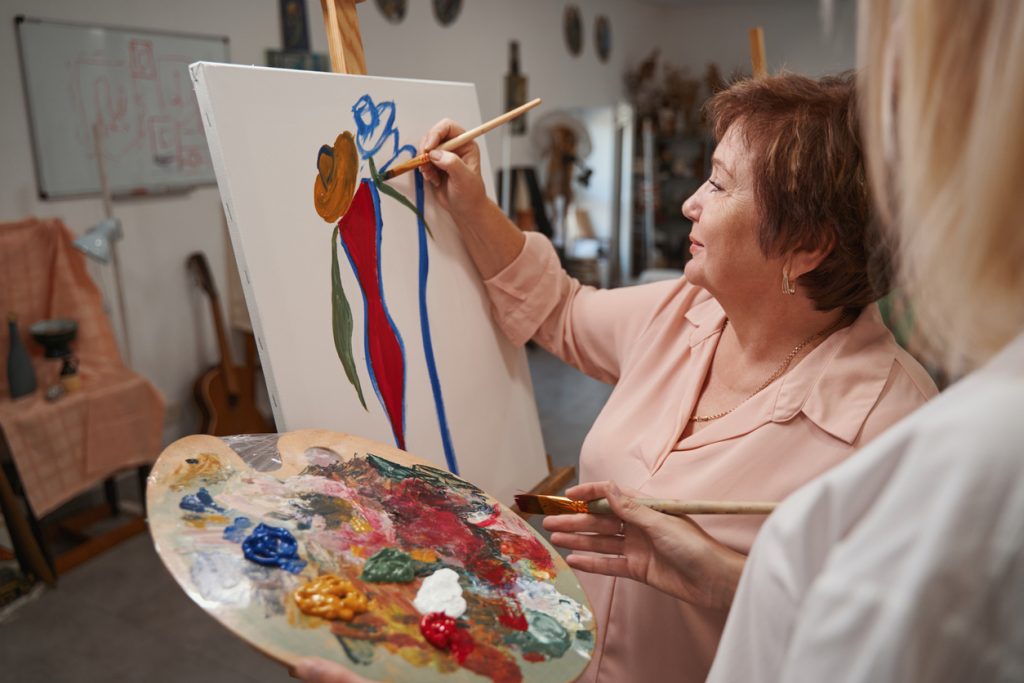
Art as a Tool for Healing
Art is not merely a product of creativity; it serves as a powerful tool for healing and emotional expression. Engaging with various forms of artistic expression can tackle emotional challenges by providing individuals with a means to articulate their innermost thoughts and feelings. As studies indicate, the transformative potential of art goes beyond aesthetic appreciation, delving deep into the psyche to foster resilience and well-being. Understanding this relationship between art and mental health unlocks new opportunities for intervention and self-discovery.
Artistic Expression and Psychological Resilience
The concept of psychological resilience refers to the ability to adapt in the face of adversity, trauma, or significant stress. Art can play a crucial role in enhancing this resilience. Several key aspects highlight how engaging with art can bolster mental flexibility and emotional strength:
- Fostering a Sense of Purpose: Creating art can instill a sense of purpose and direction. For individuals grappling with feelings of hopelessness or despair, channeling energy into artistic pursuits can provide a constructive outlet. This purposeful engagement often encourages individuals to set goals, fostering motivation that can lead to a renewed sense of identity.
- Building Community Connections: Art often brings people together, fostering relationships that can alleviate feelings of loneliness and isolation. Participating in group art projects or community workshops allows individuals to share experiences and support one another in their emotional journeys. This sense of belonging can be critical for those struggling with mental health issues.
- Enhancing Problem-Solving Skills: The creative process encourages exploration, experimentation, and, at times, failure. This inherently teaches valuable problem-solving skills, as individuals learn to navigate challenges, adapt to changes, and find unexpected solutions through their artistic endeavors.
The Science Behind Art and Mental Health
Understanding the science behind the correlation between art and mental health further underscores its importance. Neuroscientific research has demonstrated that engaging with art can trigger various neurological responses. When individuals create or experience art, their brains release neurotransmitters that promote feelings of happiness and relaxation. Moreover, creative activities have been linked to reduced symptoms of anxiety and depression. This scientific foundation invites further investigation into how structured art programs can be effectively integrated into mental health treatment plans.
As we delve deeper into the multifaceted relationship between art and mental health, it becomes crucial to embrace the potential of artistic expression as a legitimate avenue for emotional healing. The journey through art not only provides therapeutic benefits but also cultivates an environment where individuals can confront their emotional challenges and emerge with newfound strength and clarity. This revelation positions art not merely as a hobby or pastime but as an essential component of holistic mental health and wellness.
| Category | Details |
|---|---|
| Therapeutic Benefits | Art helps individuals process emotions, leading to better emotional regulation. |
| Creativity and Healing | Creative expression fosters resilience by providing a safe outlet for feelings. |
| Community Engagement | Participating in art projects builds connections and combats isolation. |
| Self-discovery | Art encourages personal reflection, uncovering deeper insights into one’s emotions. |
Artistic expression holds immense potential in addressing mental health challenges. Engaging in creative activities not only provides a therapeutic outlet but encourages reflection on personal experiences, thereby leading to improved emotional understanding. Many mental health professionals advocate using mediums such as painting, writing, or music as alternatives to traditional therapy. The act of creating allows individuals to explore their innermost feelings in a tangible way, promoting emotional resilience.Additionally, art often brings people together, fostering community engagement. Participating in group art projects can be a powerful tool in combating feelings of isolation, as it cultivates a sense of belonging and connection with others who share similar struggles. Workshops and collaborative art events have proven beneficial, allowing individuals to share their stories and inspire one another through creative narratives.Furthermore, the process of artistic creation is intrinsically linked to self-discovery. As individuals engage with different art forms, they often find themselves analyzing their thoughts and feelings more deeply, unlocking new perspectives on their emotional journeys. This multifaceted approach underscores the vital relationship between art and mental health, highlighting the importance of integrating creative practices into therapeutic settings.
DISCOVER MORE: Click here to learn how music enhances education
The Role of Art Therapy in Mental Health Interventions
Art therapy has emerged as a formal therapeutic practice that harnesses the power of artistic expression to support mental health recovery. Unlike traditional art creation, which may be more casual and exploratory, art therapy is structured and guided by a trained professional. This valuable distinction enhances the therapeutic experience and promotes emotional healing through various approaches.
Understanding Art Therapy
Art therapy blends principles from psychology with creative modalities. It allows individuals to convey their emotions through visual arts, music, or performance—often transcending the limitations of verbal communication. For example, someone struggling to articulate feelings of grief may find solace in painting or sculpting, allowing their artwork to express what they cannot voice. This nonverbal communication fosters self-awareness and can illuminate underlying issues that individuals may be hesitant to confront.
Empirical Evidence Supporting Art Therapy
Numerous studies support the effectiveness of art therapy for various mental health conditions. A meta-analysis published in the Journal of Affective Disorders revealed that art therapy significantly reduced symptoms related to anxiety and depression among diverse populations. Additionally, other research highlighted that children diagnosed with PTSD showed marked improvement in emotional regulation when engaged regularly in art therapy sessions.
Furthermore, institutions such as the Mental Health Foundation in the United Kingdom and local clinics in the United States are increasingly integrating art therapy into holistic treatment plans. These programs not only support individual therapy but also foster a community-based approach, allowing participants to connect in a supportive environment.
The Therapeutic Benefits of Creating
The act of creating art has been associated with a variety of therapeutic benefits, making it a vital component of mental health care. Engaging in artistic activities can lower levels of the stress hormone cortisol, increase emotional resilience, and improve overall well-being. Research from Stanford University indicated that even brief art-making sessions can elevate mood and increase emotional vitality, suggesting that the benefits of creating art are accessible to individuals regardless of their artistic skill.
Moreover, art creation stimulates cognitive development and enhances mindfulness. Artists often enter a state of flow during their creative processes, which allows them to focus entirely on the moment. This immersive experience can serve as a form of meditation, providing escape from the chaos of everyday life and offering a respite from negative thoughts.
Challenges and Accessibility in Art Therapy
Despite its numerous advantages, access to art therapy varies across different regions and populations. Barriers such as cost, limited availability of trained therapists, and stigmas surrounding mental health can prevent individuals from receiving the support they need. Initiatives aimed at increasing awareness and accessibility to art therapy, particularly in underserved communities, are essential to ensure that the benefits of artistic expression are available to everyone.
Additionally, as conversations around mental health continue to evolve, it is vital to integrate art therapy and other creative outlets into conventional therapeutic frameworks. Emphasizing the importance of artistic expression in schools, community centers, and healthcare facilities can help cultivate environments where individuals can explore their emotions safely and creatively.
DISCOVER MORE: Click here to delve deeper
Conclusion
In summary, the profound influence of art on mental health cannot be overstated. Through diverse forms of artistic expression, individuals are offered a powerful means to navigate the intricate landscape of their emotions. Whether through painting, music, or dance, the creative process provides an outlet that enhances self-awareness and promotes emotional healing. As highlighted, art therapy plays a crucial role in structured interventions, proving effective in reducing symptoms of mental health issues like anxiety and depression.
Notably, with increasing empirical evidence supporting the therapeutic benefits of creating art, initiatives aimed at making artistic expression more accessible should be prioritized. Barriers such as cost and stigma remain prevalent, particularly in underserved communities, emphasizing the need for comprehensive strategies to integrate art therapy into holistic mental health care models. By advocating for artistic programs in schools and community centers, we can cultivate a culture that encourages emotional exploration and resilience through creativity.
Ultimately, the journey to overcome emotional challenges may often begin with a brushstroke, a melody, or a dance move. As we continue to explore the intricate relationship between art and mental health, we must recognize and harness the transformative power of creativity. In doing so, we not only enrich individual lives but also foster healthier communities, paving the way for emotional recovery and well-being for all.