The Importance of Networking for Musical Talents: Building Connections that Propel Music Careers
Unleashing Potential Through Connections
In the competitive world of music, talent alone is often not enough to secure a successful career. Networking plays a crucial role in opening doors and creating opportunities that can propel musicians forward. It is not uncommon to find aspiring musicians with incredible vocal talent or instrumental skills struggling to get noticed. Connecting with others in the industry can often make the difference between obscurity and stardom.
Building relationships within the music industry can lead to numerous advantages:
- Collaborations with other artists can result in unique sounds and increased visibility. For instance, when a lesser-known artist collaborates with an established musician, their audience can expand exponentially, introducing them to new fans.
- Access to industry experts and mentors provides invaluable insights into navigating the music scene. Experienced mentors can offer guidance on everything from songwriting to marketing strategies, helping new artists avoid common pitfalls.
- Opportunities for live performances and events can arise through personal connections, allowing musicians to showcase their talents to larger audiences. Events such as local music festivals or open mic nights often emerge from networking within the community.
- Exposure through social media and other platforms is crucial in today’s digital age. A shoutout from a well-followed artist or an influential figure can dramatically increase an artist’s visibility, leading to more followers and potential fans.
Understanding the dynamics of networking allows musicians to tap into a wealth of resources. For instance, a simple introduction to a producer can lead to a contract that changes the course of a musician’s career. The importance of personal connections can be illustrated by the rise of several prominent artists who initially struggled but found success after developing significant relationships within the industry.
This article explores how to strategically build connections, foster relationships, and leverage them to reach your musical aspirations. Networking doesn’t have to be an intimidating process. By attending music events, joining local collectives, and actively engaging with peers online, musicians can turn acquaintances into lasting partnerships. Discover tips and insights to navigate the complex world of networking and amplify your presence in the industry. Whether it’s through traditional means like live meetups or modern venues such as social media platforms, each connection is a step closer to success in the music world.
DISCOVER MORE: Click here to dive deeper
Strategic Approaches to Networking
In the realm of music, recognizing the importance of networking is the first step toward a fruitful career. For many budding artists, the thought of reaching out to industry professionals can be daunting; however, embracing this challenge can yield significant rewards. The landscape of the music industry is ever-evolving, and forming connections is vital for those aiming to make a mark.
To effectively build your network, consider the following strategies:
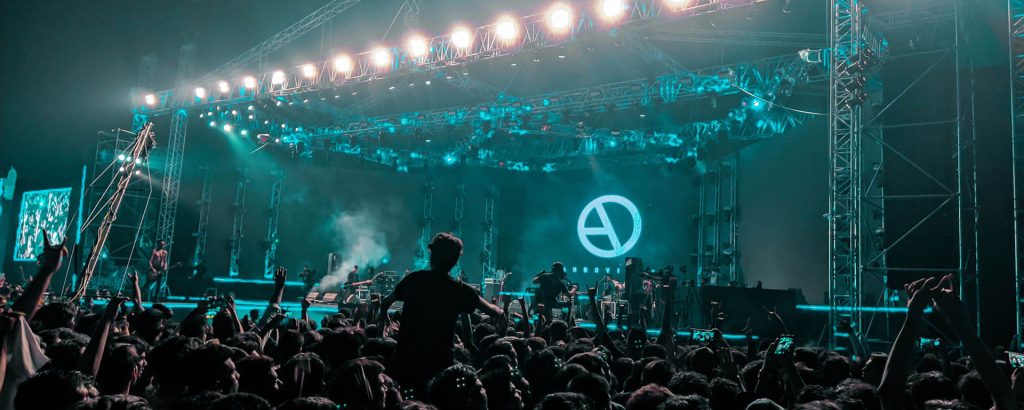
- Attend Live Events: Music festivals, conferences, and showcases are prime opportunities to meet fellow musicians and industry professionals. Engaging in conversations amidst performances can create lasting impressions. Sharing experiences and ideas with peers can also stimulate collaboration and inspiration.
- Join Online Communities: Platforms like SoundCloud, Bandcamp, and even music-focused social media groups can serve as valuable tools for connecting with others. Participating actively in discussions, sharing your work, and providing feedback on others’ projects can highlight your commitment to growing within the community.
- Leverage Social Media: Sites like Instagram and Twitter allow musicians to interact directly with fans, fellow artists, and industry influencers. Posting regular updates, sharing behind-the-scenes glimpses, and engaging with followers can create a sense of authenticity that attracts attention.
- Network with Intent: Don’t take a generic approach; research the individuals and organizations you want to connect with. Tailoring your outreach efforts with personalized messages can demonstrate genuine interest, increasing the chances of forming meaningful relationships.
Establishing these connections is not merely about gaining personal advantages; it’s about fostering a community that supports artistic growth. When musicians collaborate, they often transcend their individual capabilities, creating groundbreaking music and unique art forms. A prime example of this is the burst of creativity seen in many Brooklyn-based music collectives where artists share resources, skills, and audiences, propelling each other’s careers forward.
The willingness to learn from others can also amplify your growth. Artists who network effectively often find mentors who can guide them through the complexities of the music industry. These mentors may offer insights into crucial aspects such as songwriting techniques, production skills, and marketing strategies, helping newcomers navigate pitfalls that could hinder their progress. Influential figures may be more accessible than anticipated; a single interaction at a workshop or panel can set the stage for a collaborative relationship.
As you begin to expand your network, remember that authenticity is key. Building connections rooted in mutual respect and admiration for each other’s work fosters a more supportive environment where ideas can flourish. Ultimately, successful networking is a long-term commitment—nurturing those relationships can lead to future collaborations and opportunities that can significantly impact your music career.
The Importance of Networking for Musical Talents: Building Connections that Propel Music Careers
Networking is a critical component of success in the music industry, often serving as the bridge that connects aspiring talents with established professionals. By fostering relationships within the industry, musicians can access a wealth of opportunities, resources, and knowledge that can elevate their careers to new heights. One crucial aspect of networking is the exchange of ideas and collaborations. When musicians interact with peers and industry veterans, they are exposed to diverse creative perspectives. This allows for innovative collaboration that can lead to unique projects and musical endeavors. Collaborating with other artists not only enhances creativity but also exposes musicians to different audiences.Moreover, networking can lead to valuable mentorship opportunities. A seasoned musician can offer guidance, share experiences, and provide insights that might take years for a newcomer to acquire on their own. These mentorship relationships can be pivotal, as they often come with industry connections and an understanding of the intricacies of navigating a successful career. Additionally, social media platforms have revolutionized networking for musicians. Platforms like Instagram, TikTok, and SoundCloud enable artists to showcase their work and engage directly with fans and industry professionals. Active participation on these platforms can foster connections with potential collaborators, producers, and even record labels, further expanding a musician’s reach. With all these advantages in mind, it becomes clear that effective networking is not merely a beneficial skill but an essential strategy for musical talents looking to thrive in a competitive landscape. Building a network may indeed be the thread that transforms a passion for music into a sustainable and successful career.
| Advantages | Details |
|---|---|
| Collaboration Opportunities | Allows artists to create unique projects and reach new audiences. |
| Mentorship Growth | Guidance from experienced professionals helps navigate industry challenges. |
In summary, the ability to effectively build and leverage connections within the music industry presents an invaluable resource for aspiring artists. Networking not only opens doors to new opportunities but also enriches the creative journey, making it a fundamental aspect of developing a successful music career.
DISCOVER MORE: Click here to learn about the therapeutic benefits of art</p
The Power of Collaboration in Music Networking
Networking extends beyond mere relationships; it cultivates an environment ripe for collaboration. For musicians, collaborating with fellow artists can enhance their skills, broaden their audience, and elevate their overall presence in the industry. When artists collaborate, they draw on each other’s strengths, resulting in innovative projects that may exceed what any one individual could achieve alone.
Take, for example, the vibrant intersection of genres seen on hit tracks like “Old Town Road” by Lil Nas X featuring Billy Ray Cyrus. Their collaboration not only bridged a gap between country and hip-hop but also showcased how two drastically different musical styles can intertwine to create something entirely fresh. Such successful partnerships often start as networking opportunities, demonstrating how a simple introduction can lead to groundbreaking music.
Furthermore, collaborative projects can amplify visibility. When musicians from different backgrounds or fan bases work together, they tap into each other’s audiences, effectively multiplying their reach. This kind of exposure can be invaluable, allowing unknown talents to gain traction and become recognized within the competitive music scene.
In addition to collaborations, networking provides opportunities for sharing resources. Musicians often face significant barriers, including funding for recording, marketing, or touring. By establishing a strong network, artists can share access to essential resources, whether it be studio space, equipment, or promotional opportunities. In a city like Nashville, known as a hotspot for music talent, emerging artists often band together to leverage collective resources, proving that unity can be more effective than individualism.
Building an Inclusive Network
Inclusivity is another crucial element of effective networking in the music industry. Diverse networks encourage a range of perspectives and innovations. Engaging with artists from different backgrounds can inspire creativity that may have otherwise remained dormant. This inclusive approach not only enhances personal growth but can also lead to music that reflects broader societal themes, resonating with a wider audience.
Consider initiatives like Music Industry Basketball (MIB), which combines sports and music to promote inclusivity. Such platforms allow emerging artists to connect, collaborate, and share their artistry in unconventional settings. The informal nature of these events often lowers barriers, fostering an atmosphere where genuine relationships can flourish.
As musicians continue to build their networks, participating in community-oriented activities can significantly enhance their presence. Volunteering at music-related events or taking part in local music programs can expose artists to a diverse group of creators, musicians, and industry insiders who are equally passionate about their craft.
Moreover, as the digital landscape continues to evolve, incorporating digital networking tactics has become increasingly important. Online platforms such as LinkedIn and TikTok provide unique opportunities for musicians to showcase their work and connect with industry leaders. TikTok, in particular, has revolutionized music discovery, allowing artists to reach millions by sharing snippets of their songs and gaining instant feedback from a global audience.
In summary, the intricate web of connections formed through networking can significantly propel a music career forward. By embracing collaboration, inclusivity, and the power of digital tools, musicians can position themselves in a vibrant ecosystem of creators, ensuring their talents are not only recognized but celebrated.
DISCOVER MORE: Click here to learn how storytelling can boost your creativity
Conclusion: Elevating Music Careers Through Meaningful Connections
In the ever-evolving landscape of the music industry, the significance of networking cannot be overstated. As aspiring musicians strive to carve out their niche, building and nurturing connections with fellow artists, industry professionals, and audiences is paramount. Not only does networking facilitate collaboration and resource sharing, but it also opens doors to unique opportunities that can propel careers to new heights.
Artists who actively engage in networking can leverage the power of diversity, embracing different perspectives and experiences that foster creativity. This inclusive approach not only enriches the artistic process but also creates a more vibrant music scene that resonates with a broad audience. In a world where authenticity and innovation reign supreme, being part of a supportive network can be the catalyst that transforms a promising talent into a celebrated artist.
Moreover, the digital age offers a plethora of tools and platforms that enhance connectivity. Musicians who harness social media and online networking sites can showcase their talents, gain invaluable feedback, and connect with like-minded individuals across the globe. This fluid exchange of ideas and resources can lead to groundbreaking projects that capture the attention of listeners and industry insiders alike.
Ultimately, the landscape of success in music is often paved with the connections we cultivate. By investing time and effort into networking, musical talents not only foster their personal growth but also contribute to a thriving community of creativity and collaboration. As the music industry continues to transform, those who embrace the importance of networking will undoubtedly find themselves at the forefront of innovation and opportunity.