The Importance of Craft Skills in Education: Fostering Critical Thinking and Problem Solving
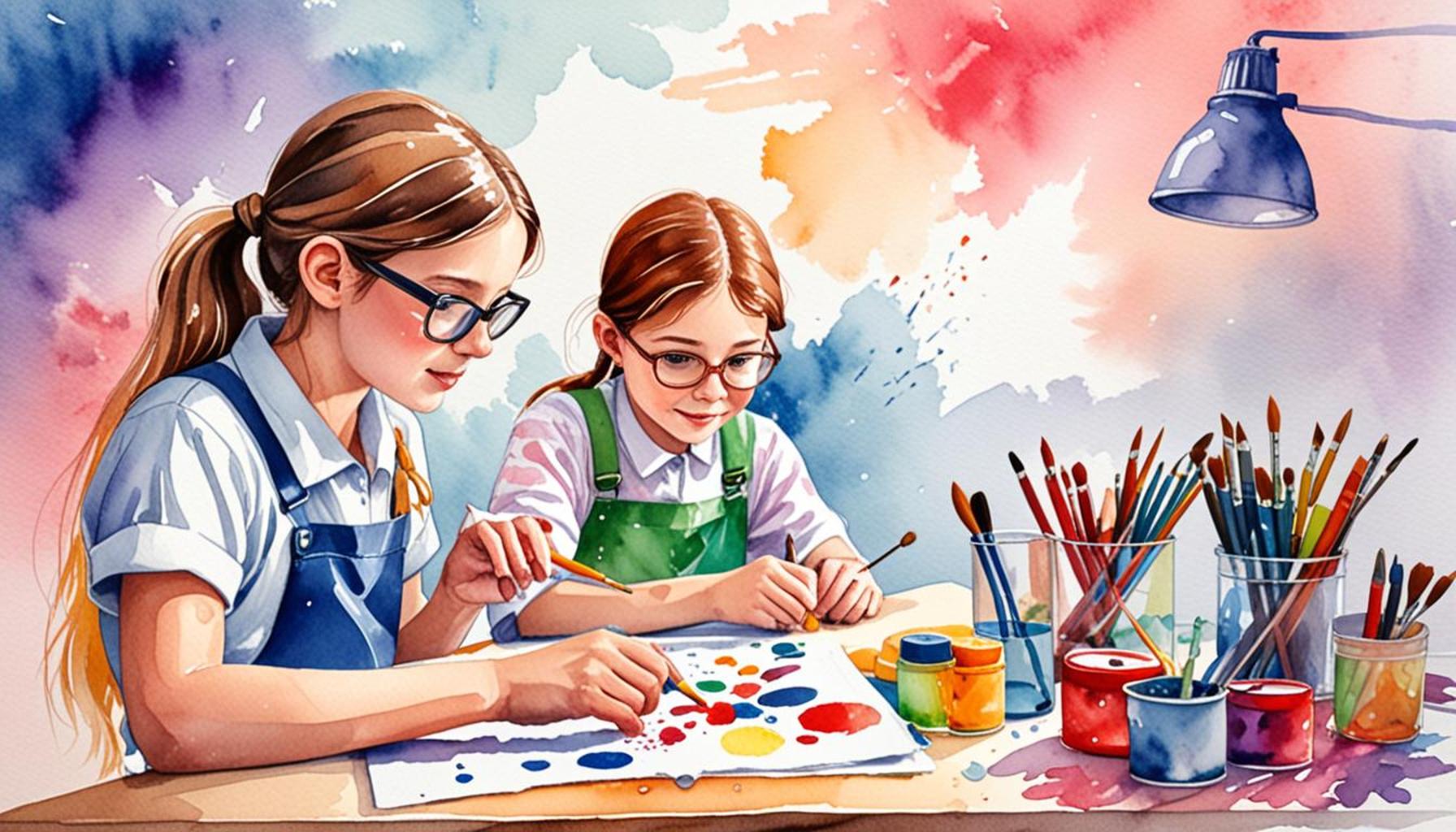
The Significance of Craft Skills in Education
In a world dominated by digital technologies, where information is readily accessible and often overwhelms students, practical skills tend to take a backseat in conventional educational frameworks. However, the importance of craft skills in education should not be underestimated. These skills are critical in bridging the gap between theoretical knowledge and practical application, engaging students in a manner that traditional education methods may fail to accomplish.
Understanding the essential role that craft skills play in education reveals a multitude of benefits that extend beyond mere artistry. For instance, when students engage in crafting projects, they immerse themselves in environments that encourage creativity and innovation. These hands-on experiences are not just about creating; they are about understanding processes, making decisions, and developing solutions. This brings us to several reasons highlighting the importance of craft skills:
- Enhancement of Critical Thinking: Crafting is an activity that requires students to evaluate the properties of various materials and decide which ones best fit their project goals. For example, a student designing a wooden birdhouse must think critically about weight, durability, and aesthetics, fostering a deeper understanding of physics and design principles.
- Promotes Hands-On Learning: Studies have shown that students often remember concepts better when they learn through direct experience. Building a model bridge in an engineering class makes theoretical concepts about tension and compression come alive, leading to a more profound grasp of the subject matter.
- Encourages Collaboration: Many craft-related activities are inherently social; these projects often require teamwork. Students must communicate their ideas, negotiate roles, and collectively solve problems, skills that are essential in today’s collaborative work environment.
In addition to these core benefits, participants in craft activities frequently demonstrate improvements in various areas of academic performance. For instance, students who engage in arts and crafts can develop transferable skills such as focus, patience, and perseverance. Research has indicated that incorporating materials like textiles, wood, or clay into lessons tends to captivate students’ imaginations, significantly increasing their motivation to learn.
Furthermore, the completion of a craft project instills a sense of achievement and boosts self-esteem. A middle school student who creatively repurposes materials into a working lamp can take pride in their work, fostering a growth mindset that may benefit them academically and personally in the long run.
As educators and policymakers face the challenge of defining a relevant curriculum, it is crucial to recognize the profound impact that craft skills can have on student development. By integrating more hands-on learning experiences into educational systems across the United States, we can nurture a generation that not only excels in traditional academic metrics but also possesses the creativity and problem-solving skills required in an ever-evolving job market.
In conclusion, the integration of craft skills into the educational landscape can serve not just as an innovative teaching method but as a vital strategy to equip students for the future, blending creativity and practical knowledge for holistic development.
DISCOVER MORE: Click here to dive deeper
Craft Skills as Catalysts for Intellectual Growth
When we consider the educational landscape, it’s easy to focus on the traditional subjects of math, science, and literature. However, integrating craft skills into the curriculum can serve as a powerful tool to stimulate critical thinking and enhance problem-solving abilities. As students engage with their hands, they are not merely creating but are learning to navigate challenges, make decisions, and employ reasoning in tangible ways.
One of the most compelling reasons to prioritize craft skills in education is their ability to foster critical thinking. When students embark on a craft project, they often face a variety of decisions: Which materials will yield the best results? How can they effectively manipulate those materials to achieve their vision? For instance, a student constructing a model of a suspension bridge must consider the engineering principles of tension and load distribution. In this instance, engaging with the materials shifts the students from passive observers of knowledge to active participants in their learning journey, paving the way for deeper understanding.
Furthermore, hands-on learning through crafts has been shown to enhance cognitive retention significantly. Research illustrates that when students engage physically with educational content, they are more likely to remember that information long-term. This phenomenon is particularly evident in subjects like science and engineering, where theoretical principles can sometimes feel abstract. Building a wind turbine model, for example, not only teaches students about renewable energy but also encourages them to observe and analyze how different designs impact efficiency. Through this exploratory process, students develop a comprehensive understanding of scientific concepts while simultaneously refining their creative problem-solving skills.
Transformational Benefits of Craft Skills
Incorporating craft skills into education goes beyond personal enrichment; it cultivates a vital set of soft skills essential for flourishment in the modern workforce. Here are several key benefits associated with integrating craft skills into educational practices:
- Enhancement of Spatial Awareness: Craft projects often require students to visualize designs and consider dimensions, helping to develop their spatial reasoning abilities.
- Boosting Analytical Skills: As students troubleshoot issues during crafting, they learn to analyze problems critically and devise practical solutions.
- Development of Emotional Intelligence: Working with tangible projects can enhance emotional regulation as students experience potential setbacks and learn to persist through challenges.
- Building Resilience: The iterative process of crafting, where trial and error is expected, teaches students that failure can be an important step toward success.
Research conducted by prominent educational institutions underscores the idea that learning through craft activities can yield improvements in academic performance across multiple disciplines. Students who participate in creative projects tend to exhibit increased motivation, leading to higher engagement levels in their studies. This enriching experience not only sparks curiosity but also fosters a love for learning, translating into better overall academic outcomes.
Craft skills thus emerge as not only a means of creative expression but also as essential components of a well-rounded education. As schools across the United States look to redesign curricula that foster essential life skills in an increasingly complex world, recognizing the value of craft skills is a timely necessity. By cultivating creativity, critical thinking, and innovative problem-solving mindsets, we build a generation prepared to tackle the challenges of tomorrow.
| Advantage | Description |
|---|---|
| Enhanced Critical Thinking | Craft skills encourage students to analyze problems and develop novel solutions, a pivotal aspect of critical thinking. |
| Real-World Application | Engaging in craft skills provides students with hands-on experience that translates theoretical knowledge into practical application. |
| Problem-Solving Development | Crafting projects require students to overcome challenges, fostering problem-solving abilities essential for future endeavors. |
| Creativity Boost | Hands-on crafting ignites creativity, enabling students to experiment and innovate within their learning process. |
In an era where technology dominates education, the role of craft skills should not be underestimated. By integrating hands-on experiences into the curriculum, educators can cultivate not only academic knowledge but also vital life skills. Engaging in tangible crafts allows learners to navigate through challenges, thus building resilience and confidence. This experiential learning is profoundly connected to various fields outside the classroom, showing students the relevance of their skills in real-world scenarios. Furthermore, craft skills cultivate greater social interaction and teamwork, essential components in enhancing communication skills. The collaborative aspect of crafting projects encourages students to articulate their thoughts and ideas while negotiating with peers. The collective problem-solving experience deepens their understanding and prepares them for dynamic environments in future workplaces. Thus, craft skills in education prove critical for shaping well-rounded individuals equipped for the complexities of modern society.
DIVE DEEPER: Click here to discover more
The Role of Craft Skills in Collaborative Learning
Among the many benefits of integrating craft skills into education, one that stands out is their ability to promote collaborative learning. Group projects involving crafts provide students with opportunities to engage with their peers, share ideas, and work together toward a common goal. This collaboration fosters valuable communication skills and teaches students the importance of teamwork. For instance, when students collectively design and create a community garden, they not only hone their crafting skills but also learn how to negotiate, delegate tasks, and appreciate diverse perspectives.
Furthermore, collaborative crafting projects underscore the significance of division of labor and role allocation, mirroring real-world situations in professional environments. Students who participate in such collaborative efforts develop an understanding of how collective problem-solving can lead to more innovative solutions than an individual working in isolation. A good example is a group of students tasked with building a model city. Different students can take on roles such as architect, engineer, and city planner, each contributing their unique insights to the project’s success. This assemblage strengthens critical thinking, as students must consider the viewpoints and strategies of their teammates while articulating their plans and ideas.
Craft Skills as a Framework for Interdisciplinary Learning
In addition to promoting teamwork, craft skills serve as a robust framework for interdisciplinary learning. The intersection of various subjects through crafting not only nurtures creativity but also enhances students’ ability to apply knowledge from different disciplines. For instance, a project that combines art and mathematics could see students creating geometric sculptures. Here, they apply mathematical principles to art, fostering both analytical and creative thinking.
Moreover, educational institutions that embrace an interdisciplinary approach often report higher retention rates among students. When crafting serves as a conduit through which students explore subject matter from multiple angles, engagement levels increase, leading to a deeper understanding of the content. A prime example can be found in “STEAM” (Science, Technology, Engineering, Arts, and Mathematics) programs, which emphasize the integration of the arts into traditional STEM fields. A student building a bridge model learns about pressure and structural integrity through physics, while simultaneously expressing creativity in design.
Encouraging Lifelong Skills Through Craft Education
Beyond the classroom, the craft skills learned through education cultivate essential lifelong skills. During crafting experiences, students often face challenges that require them to employ critical thinking and to problem-solve dynamically. As they learn to pivot when things do not go as planned or when they run into obstacles, they develop an adaptive mindset that will serve them well throughout their lives. For example, students who engage in sewing projects learn to troubleshoot stitching issues or fabric choices, ultimately equipping them with skills that extend beyond mere crafting into areas such as home economics or fashion design.
The implications for the workforce are profound. The hands-on experience gained through crafting hones skills that employers value highly, such as creativity, resilience, and the ability to work under pressure. In an era marked by rapid change, it is imperative that education systems foster these attributes to prepare students effectively for the future. As industries continue to evolve, the ability to think critically and solve complex problems will remain at the forefront of desirable employee traits.
DISCOVER MORE: Click here to dive deeper
Conclusion: Craft Skills as Catalysts for Education and Beyond
In summary, the integration of craft skills in education is essential not just for enhancing creativity but also for fostering critical thinking and effective problem-solving. As we’ve explored, hands-on crafting experiences promote collaborative learning, encouraging students to work together, communicate effectively, and appreciate diverse perspectives. Through this teamwork, students not only acquire practical skills but also navigate complex challenges, learning to think critically and innovatively.
Moreover, craft-based projects provide a unique framework for interdisciplinary learning, bridging subjects and enhancing students’ ability to apply varied knowledge in practical contexts. This interconnected learning approach not only cultivates passion but also reinforces engagement, leading to a deeper understanding of the material—skills deemed necessary in today’s rapidly changing society.
Importantly, these craft skills extend their benefits beyond the classroom, equipping students with lifelong skills essential for the workforce. In a world where adaptability and creativity are at a premium, education that prioritizes craft skills prepares students for future challenges. It nurtures their ability to think on their feet and embrace new ideas, ultimately producing resilient individuals ready to tackle the complexities of modern life.
As educational systems continue to evolve, it is crucial to recognize and advocate for the significance of craft skills. By incorporating these valuable experiences into curricula, we can empower the next generation with the tools they need to not only succeed academically but also excel as innovative thinkers and problem solvers in various spheres of life.