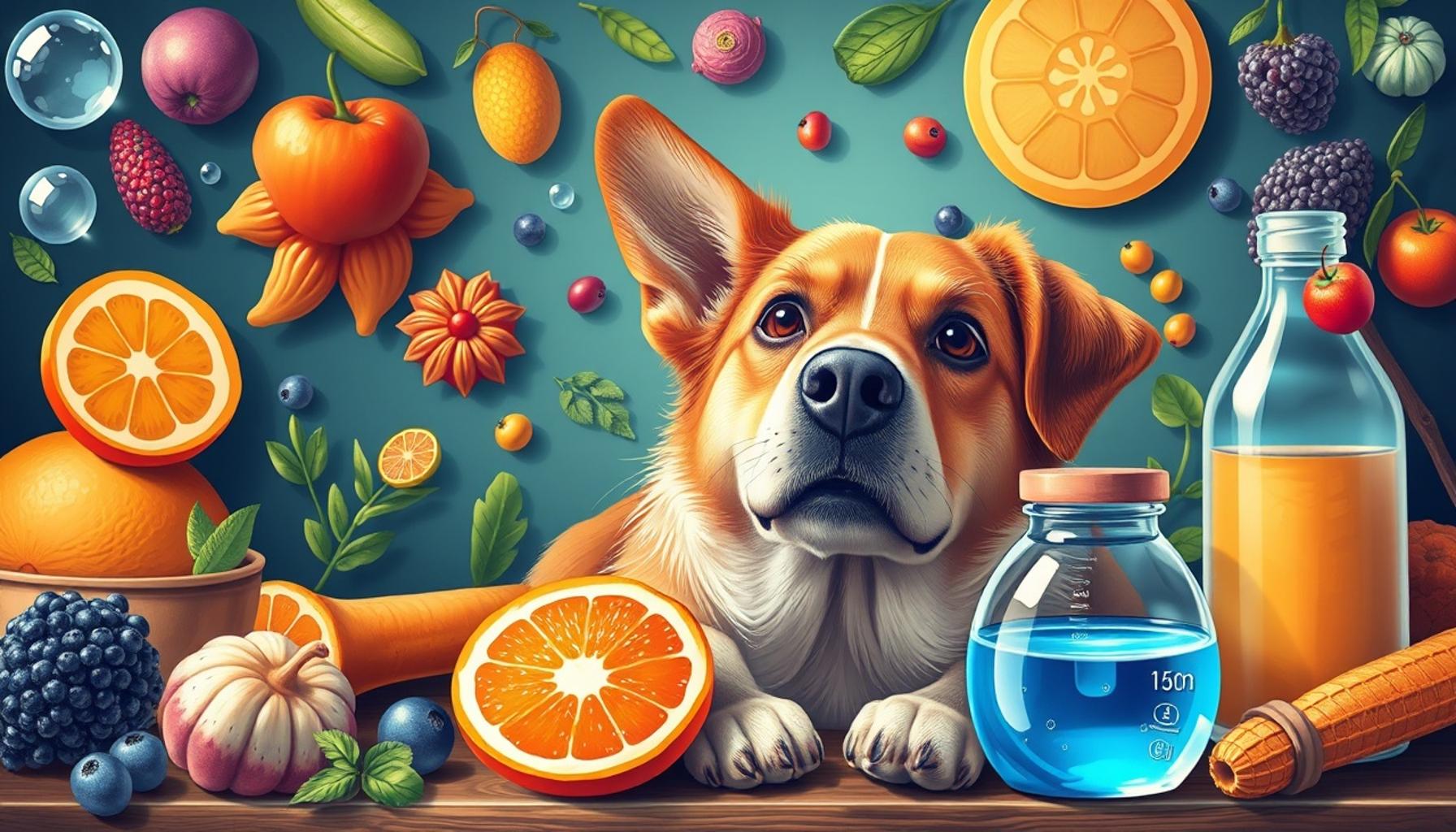
The Importance of Balanced Nutrition for Dog Health
Understanding the Essentials of a Balanced Canine Diet
It is no secret that balanced nutrition plays an essential role in maintaining the health and well-being of our dogs. Just as a nutrient-rich diet supports human health, providing dogs with the right balance of nutrients is critical for their development, longevity, and quality of life. The choices made at mealtime can influence a dog’s energy levels, immune function, and even their mental well-being.
To help pet owners navigate the complex world of canine nutrition, it’s important to delve deeper into the specific components that contribute to a balanced diet. Here are some key elements that should be prioritized:
- Proteins: Proteins are vital for a dog’s muscle development and repair. Rich sources include meat, fish, eggs, and even certain plant proteins like lentils and chickpeas. Puppies in particular require higher protein levels to support their rapid growth and development.
- Fats: While often misunderstood, fats are a critical source of energy and contribute to a shiny coat and healthy skin. Omega-3 and Omega-6 fatty acids are especially beneficial and can be found in fish oils and flaxseed oil.
- Carbohydrates: While dogs are primarily carnivorous, carbohydrates can play a supportive role by aiding digestion and providing sustained energy. Ingredients like sweet potatoes, brown rice, and oats can help keep a dog’s energy levels stable throughout the day.
- Vitamins and Minerals: Essential for various bodily functions, these micronutrients support immune function, bone health, and more. Ingredients such as spinach, blueberries, and carrots are excellent sources and can easily be incorporated into homemade meals or as treats.
Furthermore, it’s crucial to recognize that different breeds and life stages come with unique dietary needs. For instance, a Great Dane puppy will have vastly different caloric and protein requirements compared to a senior Chihuahua. Recognizing these needs can significantly affect a dog’s overall health and vitality.
As pet owners learn more about the intricacies of dog nutrition, they will discover that implementing a well-rounded diet can prevent various health issues, including obesity, diabetes, and even certain allergies. Pet obesity is becoming increasingly prevalent in the United States, with studies indicating that over 50% of dogs are overweight or obese. Implementing portion control and incorporating a variety of nutrients are crucial steps in combating this trend.
Understanding the importance of balanced nutrition empowers dog owners to provide the best care possible. By researching quality dog food brands, considering homemade diet options, or consulting a veterinarian for personalized advice, you can ensure that your canine companion lives a healthy, happy, and active life.

Unlocking the Key Nutrients for Optimal Canine Health
A balanced diet is not merely a combination of food items; it is a carefully orchestrated blend of essential nutrients that work harmoniously to fuel a dog’s body and mind. Understanding these key nutrients can equip dog owners with the knowledge needed to make informed dietary choices that promote a long, active, and healthy life for their furry companions.
First and foremost, it’s crucial to appreciate the significance of proteins. Proteins serve as the building blocks of a dog’s body, necessary for the development and maintenance of muscles, tissues, and organs. During different life stages, the protein requirements vary, with puppies and highly active breeds requiring higher levels to support growth. On average, a dog’s diet should comprise around 18-25% protein, depending on their age and activity level. Sources like lean meats, chicken, turkey, and fish offer high-quality proteins that provide all the essential amino acids a dog needs.
Next, fats are often overlooked in dog nutrition but are equally essential. They supply concentrated energy and facilitate the absorption of fat-soluble vitamins, such as A, D, E, and K. Including healthy fats like Omega-3 and Omega-6 fatty acids in a dog’s diet supports skin health, improves coat condition, and can even aid in reducing inflammation. Notably, fish oils and flaxseed oil are excellent sources of these beneficial fats, and pet owners should aim for a fat content between 8-15%, depending on the dog’s energy needs.
Another critical component of a balanced diet is carbohydrates. While dogs primarily thrive on proteins and fats, carbohydrates can play a valuable role in providing an energy source that helps sustain activity levels throughout the day. Opting for complex carbohydrates like sweet potatoes, brown rice, and oats not only offers a steady energy release but also contributes to improved digestive health. Fiber-rich carbohydrates support gut health and can help prevent obesity by promoting a feeling of fullness.
Lastly, vitamins and minerals are indispensable for the holistic health of a dog. These micronutrients help regulate metabolic processes, maintain bone structure, and support the immune system. Vitamins such as A and C, along with minerals like calcium and phosphorus, are vital for various bodily functions. Dark leafy greens, berries, and root vegetables are packed with these nutrients and can be easily integrated into commercial or homemade diets.
- Key Nutritional Takeaways:
- Balance proteins, fats, and carbohydrates for comprehensive nourishment.
- Prioritize high-quality, natural food sources for optimum nutrient intake.
- Consider the specific nutritional needs of your dog, factoring in age and activity level.
- Be mindful of ingredient quality and avoid fillers or artificial additives.
By embracing the concept of balanced nutrition and recognizing the roles of various nutrients, dog owners can make more informed decisions that foster improved health and vitality in their beloved pets. Engaging with veterinarians or certified pet nutritionists can provide valuable insights tailored to individual dogs, ensuring that each meal contributes effectively to their overall well-being.
| Nutrient Type | Health Benefits |
|---|---|
| Protein | Vital for muscle development and overall growth |
| Carbohydrates | Provide energy and support digestive health |
| Fats | Essential for skin health and absorbing fat-soluble vitamins |
| Vitamins and Minerals | Support immune function and overall well-being |
The Role of Each Nutrient
Understanding balanced nutrition is essential for dog owners committed to ensuring their pets lead healthy, active lives. Each nutrient plays a critical role in maintaining dog health, from energy levels to immune function.
Protein is a cornerstone of canine nutrition, necessary for the maintenance and growth of muscle tissue. Insufficient protein can lead to muscle loss and a weakened immune system.
Carbohydrates serve not only as a vital energy source but also aid in digestive health. High-fiber carbohydrates can enhance gut function, crucial for nutrient absorption.
The inclusion of healthy fats in the diet not only promotes a shiny coat and healthy skin but is also important for brain function and the absorption of essential vitamins.
Finally, vitamins and minerals provide crucial support for various physiological functions, including bone health and energy metabolism, making them indispensable components of a dog’s diet.
Tracking these nutrients effectively allows dog owners to tailor their pet’s diet, ensuring a long, healthy life filled with vitality and energy.
Understanding the Impact of Nutrition on Canine Behavior and Longevity
While the physical health benefits of a balanced diet for dogs are well-documented, the impact on behavior and mental well-being is an equally crucial aspect of canine nutrition. Diet can significantly influence a dog’s behavior, mood, and cognitive function. For instance, deficiencies in certain nutrients, such as B vitamins and omega fatty acids, can lead to nervousness or hyperactivity, while a diet rich in these nutrients can promote a calmer disposition. Dog owners may find that adjusting their pets’ diets leads to noticeable improvements in behavior, showcasing the direct connection between what dogs eat and how they act.
Additionally, antioxidant-rich foods, including fruits and vegetables like blueberries, carrots, and spinach, are not only tasty treats but also essential in combatting oxidative stress within the body. Oxidative stress is linked to aging and various health issues, including cognitive decline in older dogs. Feeding your dog a diet that includes these antioxidant-rich ingredients can help to maintain mental clarity and support overall brain health as they age.
Moreover, hydration is an often-overlooked component of balanced nutrition. Just like humans, dogs must stay hydrated to perform at their best. Water is essential for digestion, circulation, and temperature regulation. Dehydration can lead to lethargy, urinary tract issues, and even kidney problems, making it vital for pet owners to ensure their dogs have constant access to fresh, clean water. For dogs that may be reluctant to drink water, incorporating wet food or adding water to dry kibble can enhance hydration and provide additional nutritional benefits.
The Role of Meal Timing and Portion Control
Beyond the specific nutrients, meal timing and portion control are critical factors in maintaining a dog’s health. Feeding schedules can affect digestion, energy levels, and overall behavior. Many veterinarians recommend sticking to a routine, providing meals at the same times each day, which can help regulate a dog’s internal clock. For instance, feeding dogs two smaller meals per day can help stabilize blood sugar levels and reduce stress that may arise from hunger or waiting too long between meals.
Portion control is another vital consideration; overfeeding can lead to obesity, which is an epidemic concern among pets in the United States. According to the Association for Pet Obesity Prevention, over 50% of dogs in the U.S. are considered overweight or obese, significantly increasing the risk of diabetes, heart disease, and joint issues. Pet owners should always follow feeding guidelines based on their dog’s size, age, and activity level. An easy way to maintain portion control is to measure out food and use treats sparingly, prioritizing healthy options that fit within their recommended caloric intake.
Choosing the Right Diet for Unique Needs
Every dog is unique and may require different nutritional approaches based on their breed, size, age, and health conditions. Special dietary considerations are essential for dogs with allergies, sensitivities, or specific health concerns. For instance, senior dogs often benefit from diets high in fiber and lower in calories, while puppies require nutrient-rich food packed with the right balance of proteins and fats to support rapid growth and development. Choosing commercially prepared foods labeled for specific life stages or dietary needs can provide an effortless way for owners to ensure their pets’ unique nutritional requirements are met.
- The Takeaway: A balanced and well-considered diet provides both physical health benefits and positively influences canine behavior.
- Integrating antioxidant-rich foods can aid in slowing cognitive decline in aging dogs.
- Regular access to clean water is essential for hydration and overall health maintenance.
- Establishing a consistent feeding schedule and controlling portion sizes can mitigate obesity risks.
- Tailoring dietary choices based on individual needs helps ensure optimal health for every dog.
Understanding the myriad benefits of balanced nutrition empowers dog owners to seek out the best dietary practices for their furry friends, creating an environment that fosters both physical well-being and emotional happiness.
Conclusion: Nurturing Health Through Balanced Nutrition
In summary, balanced nutrition stands as a cornerstone of canine health and well-being, influencing not only physical fitness but also behavioral traits and emotional stability in dogs. As pet owners, understanding the critical role that specific nutrients play can lead to a happier, healthier, and longer life for our furry companions. A carefully planned diet enriched with essential vitamins, minerals, and antioxidants fosters not only robust physical health but also enhances cognitive function and emotional well-being.
Moreover, as we recognize the significance of hydration and the impact of meal timing and portion control, the importance of routine in a dog’s daily life becomes clear. Establishing a consistent feeding schedule while monitoring portion sizes can prevent obesity and its associated health risks—an increasingly pertinent concern in the United States where nearly half of dogs are classified as overweight.
As we navigate the myriad options available in the market, it is essential to tailor dietary choices to our dogs’ unique needs, bearing in mind their age, breed, and specific health concerns. Pet owners are encouraged to seek professional guidance to customize their dog’s dietary plan effectively. By investing time and consideration into our dogs’ nutrition, we not only enhance their physical vitality but weave a stronger bond built on shared well-being.
In essence, balancing nutrition is more than just a feeding practice; it is a commitment to a lifetime of health and happiness for our beloved dogs. Embracing the principles outlined in this article could very well lead to transformative improvements in the lives of our four-legged friends. So let us be informed, proactive, and dedicated to the nutrition choices we make for them today for a healthier tomorrow.