The Importance of Art Therapy: How Artistic Expression Contributes to Mental Well-Being
The Healing Power of Creativity
Art therapy has emerged as a powerful tool in the realm of mental health, offering a unique approach to healing through artistic expression. This therapeutic method harnesses creativity to confront emotional challenges, providing individuals with a safe outlet for their feelings. By encouraging individuals to engage in creative processes, art therapy enables them to explore complex emotions in a way that traditional verbal therapies may not.
While traditional therapies often focus on verbal communication, art therapy emphasizes several key areas that significantly contribute to emotional healing:
- Emotional Release: Engaging in art allows for the expression of feelings that may be difficult to verbalize. This can be especially important for those who find it hard to articulate their emotions, such as children or individuals struggling with depression.
- Self-Discovery: Participants often uncover hidden aspects of themselves and gain insight into their emotions. For instance, creating a self-portrait may help an individual reflect on their identity and self-perception, leading to profound personal revelations.
- Stress Reduction: Creating art can act as a meditative process, alleviating stress and promoting relaxation. The focus required to paint, draw, or sculpt can distract individuals from their daily worries, providing a mental respite.
In the United States, many therapy programs now incorporate art therapy to address various mental health issues, including:
- Anxiety and Depression: Art can provide relief and coping strategies. For example, individuals may use color and form to express their anxiety visually, allowing them to confront their feelings head-on instead of suppressing them.
- Trauma Recovery: Visual expression helps individuals process traumatic experiences. Therapists often utilize approaches such as sand tray therapy or expressive painting to enable clients to illustrate their trauma and find healing.
- Developmental Disorders: Children and adults alike benefit from creative methods to communicate their needs. Informed strategies, such as using clay or crayons, can help those with autism spectrum disorders express feelings that might otherwise remain uncommunicated.
As awareness of art therapy grows, more individuals are exploring how artistic endeavors can facilitate mental well-being. For example, community centers across the U.S. are now offering free art classes as part of wellness programs, encouraging participants to discover their creative sides while benefiting their mental health. Furthermore, various studies have shown that engagement in arts can lead to marked improvements in overall emotional health.
This article delves into the ways that creativity serves as a catalyst for emotional recovery and mental resilience. Discover the profound effects of art therapy and how it can transform lives, offering not just a path to healing but also a journey of personal exploration and empowerment.

DISCOVER MORE: Click here to learn about the benefits of early music education
Understanding the Impact of Art Therapy on Mental Health
As the field of mental health continues to evolve, art therapy stands out as an innovative method that bridges creativity with psychological healing. Unlike conventional talk therapies that rely primarily on verbal communication, art therapy invites individuals to express their innermost thoughts through various artistic mediums. This approach is especially beneficial for individuals who may feel overwhelmed by their emotions or are unable to articulate them effectively.
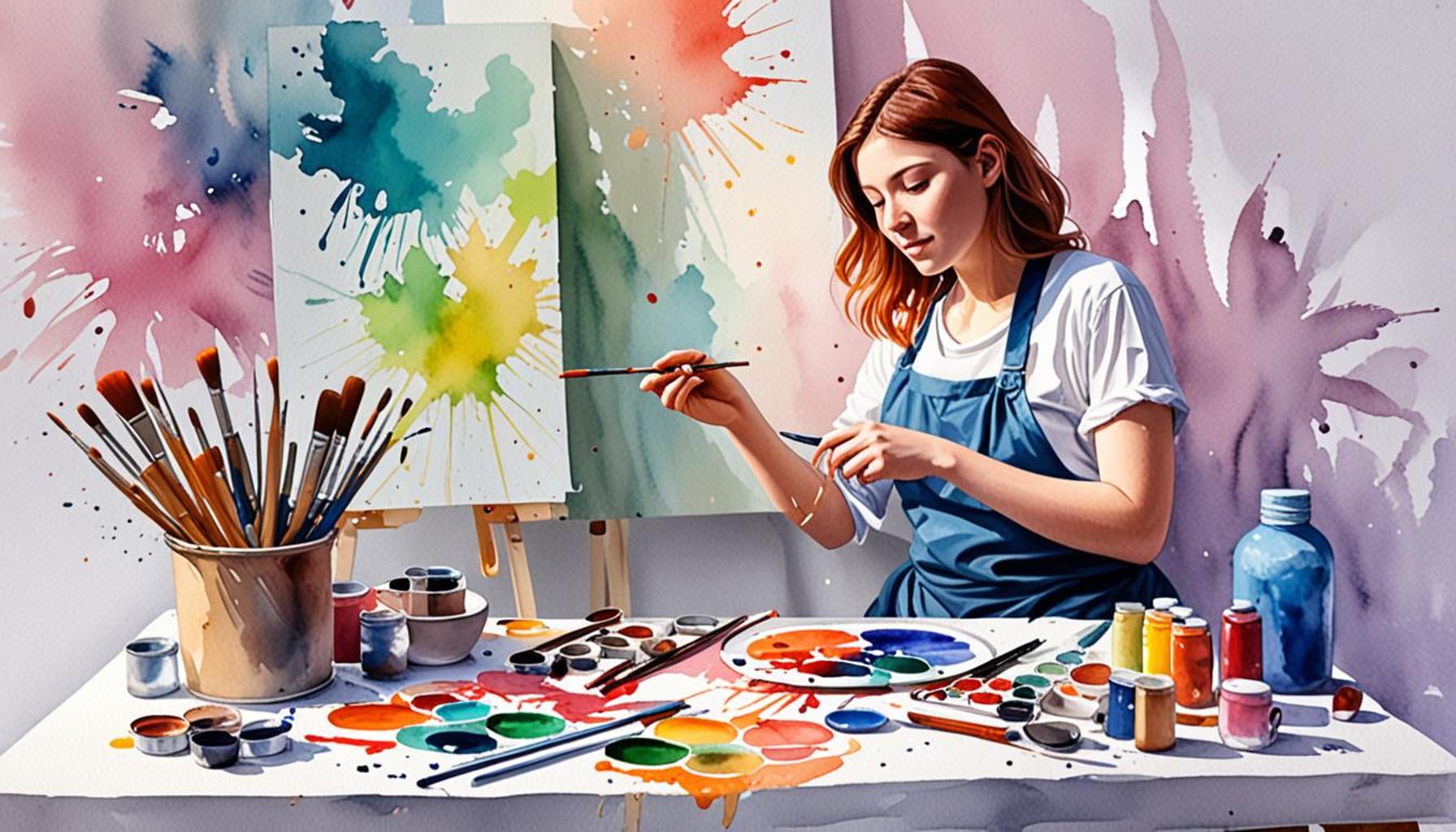
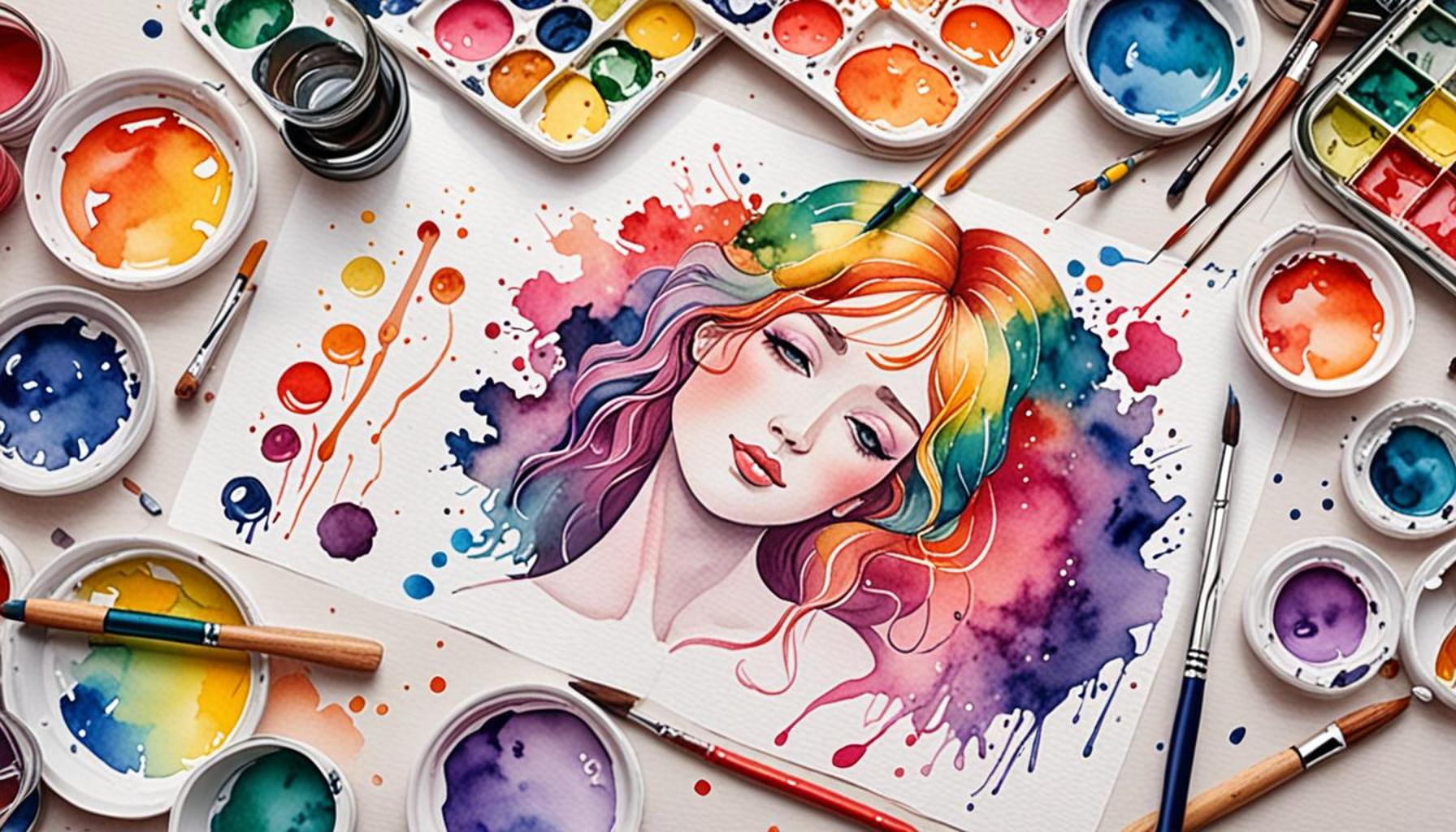
Art therapy is rooted in the premise that creative expression can provide insights into one’s feelings and behaviors. Through this therapeutic modality, participants are encouraged to utilize paints, clay, or collage materials to create pieces that resonate with their experiences. This process can lead to significant shifts in mental well-being, as participants are able to visually articulate their emotions rather than struggle to convey them through words.
Benefits of Artistic Expression
The holistic benefits of art therapy are striking, and numerous studies have documented its positive effects on mental health. Here are a few crucial ways that artistic expression contributes to personal healing:
- Cathartic Experience: Creating art can serve as a catharsis, where individuals can release built-up emotions like anger, sadness, or anxiety. This emotional release can be incredibly liberating, helping to clear mental blockages and promote a sense of relief.
- Improved Self-Esteem: Engaging in art encourages individuals to take pride in their creations. This boosts self-confidence as they explore their abilities and value their unique artistic voice.
- Enhanced Communication Skills: Art therapy can empower individuals to better articulate their thoughts and feelings. By expressing themselves visually, they often find it easier to discuss their work and experiences, facilitating deeper conversations during therapy sessions.
Additionally, art therapy can be adapted to suit individuals with varied mental health needs. Research has shown its effectiveness in addressing conditions including:
- Chronic Illness: Patients dealing with chronic health issues often struggle with related emotional consequences. Art therapy can provide a coping mechanism, giving them a means to process their feelings about their condition and its impact on their lives.
- Grief and Loss: For individuals mourning the loss of a loved one, art therapy offers a non-verbal method to express grief and commemorate their loved ones, facilitating healing in a profound way.
- Substance Abuse Recovery: Engaging in art can help individuals in recovery articulate their experiences and feelings about addiction, enhancing their journey towards sobriety through creative exploration.
As art therapy integrates more fully into mental health practices across the United States, mental health professionals emphasize its significance in treatment plans. By tapping into the transformative power of creativity, individuals are finding not only healing but also a renewed sense of purpose and identity.
Art therapy harnesses the transformative power of artistic expression, offering numerous advantages that contribute significantly to mental well-being. By engaging in creative processes, individuals can express complex emotions that are often difficult to verbalize. This form of therapy not only encourages personal insight but also fosters emotional healing. For instance, the act of creating art can serve as a powerful outlet for anxiety and depression, allowing individuals to externalize their feelings and promote self-discovery.Moreover, art therapy is accessible and versatile, catering to various age groups, backgrounds, and lifestyles. It incorporates an array of mediums, such as painting, drawing, and sculpture, appealing to those with varying artistic skills. This inclusivity makes it a valuable resource for people who might otherwise feel intimidated by traditional talk therapies. As individuals explore their creativity, they often experience enhanced self-esteem and a greater sense of control over their lives.In addition, several studies have highlighted the physiological benefits of art therapy. Engaging in creative activities can result in lowered cortisol levels, the hormone associated with stress, thereby promoting relaxation. Furthermore, the process of artistic creation can enhance cognitive function and improve overall mental clarity. Art therapy encourages mindfulness, a practice that has gained popularity for its ability to improve emotional regulation and awareness.The benefits of art therapy extend into social realms as well. Group art therapy can foster community, enhancing interpersonal connections and allowing participants to share their experiences in a supportive environment. This social aspect provides a sense of belonging and can reduce feelings of isolation, especially for those dealing with mental health challenges. As we delve further into the intricate connection between artistic expression and mental well-being, the evidence supporting art therapy’s effectiveness continues to grow, championing its integration into holistic mental health treatment options. Exploring such therapeutic practices may unearth valuable insights for individuals seeking a path to emotional balance and resilience.
DIVE DEEPER: Click here to discover more about the art of craftsmanship
The Role of Art Therapy in Diverse Populations
Art therapy is not a one-size-fits-all approach; it holds particular significance for diverse populations, adapting to the unique challenges faced by each group. Its versatility makes it a powerful tool in various settings, from schools to hospitals and community centers, reaching individuals of all ages and backgrounds.
Art Therapy for Children and Adolescents
Among younger populations, art therapy serves as a potent means of communication. Many children and adolescents struggle to express their feelings verbally, often due to developmental limitations or emotional blockades. Through artistic expression, children can convey complex emotions related to trauma, anxiety, or family dynamics.
Research has shown that art therapy can significantly improve behavioral problems in children diagnosed with conditions such as ADHD and autism spectrum disorder. For instance, a study conducted by the American Journal of Art Therapy found that children who participated in art therapy sessions exhibited improved focus and social interaction skills compared to their peers who did not engage in such activities. This underscores the importance of integrating art therapy into treatment plans for young individuals facing emotional or psychological challenges.
Art Therapy in Aging Populations
As individuals age, they face unique emotional struggles, including feelings of isolation, depression, and the challenges of cognitive decline. Art therapy provides older adults a way to maintain cognitive function while fostering emotional connections. Engaging in artistic activities can stimulate the brain, enhancing creativity and promoting social interaction, which are vital for mental well-being in older populations.
Furthermore, art therapy is increasingly being utilized in settings like nursing homes and assisted living facilities to combat loneliness. Programs that offer art therapy have reported improvements in mood and cognitive functioning among elderly participants. A pilot study by the Journal of Gerontological Nursing suggested that regular engagement in art therapy activities led to lower levels of depression and increased feelings of happiness and fulfillment.
Cultural Relevance and Inclusivity in Art Therapy
Another critical aspect of art therapy is its cultural relevance, which allows for inclusivity and authentic representation across different backgrounds. Mental health practitioners are now recognizing the importance of cultural sensitivity in treatment. Art therapy practices can incorporate traditional art forms, narratives, and themes relevant to specific cultures, empowering individuals to express their unique identities.
By honoring different cultural backgrounds, art therapy not only enhances the therapeutic experience but also fosters a sense of belonging and validation. This is crucial in establishing trust and rapport between the therapist and the client, making it easier for individuals to confront and work through their emotional difficulties.
Enhancing Community Mental Health
On a broader scale, art therapy is also making its mark in community mental health initiatives. Group art therapy sessions can bring people together, promoting collective healing and understanding. In communities affected by trauma, whether from violence, natural disasters, or economic hardship, art therapy serves as a unifying force that encourages individuals to share their experiences and foster resilience.
Organizations across the U.S. have begun implementing community art therapy projects, effectively using art as a medium for dialogue and healing. Programs that focus on community engagement through art display significant reductions in symptoms of post-traumatic stress disorder (PTSD) participants, demonstrating the broader societal benefits of this therapeutic practice.
As art therapy continues to gain recognition, its role in transforming mental health care becomes ever more evident. By embracing the power of artistic expression, individuals can tap into their creativity to navigate the complexities of their emotional landscape, leading to a deeper understanding of themselves and the world around them.
DISCOVER MORE: Click here to learn about inspiring artisans</a
Conclusion: Embracing the Healing Power of Art Therapy
As we have explored, art therapy emerges as a transformative approach to mental health that transcends traditional therapeutic methods. Its ability to harness the power of artistic expression facilitates a unique dialogue between emotions and creativity, allowing individuals to connect with their inner selves in ways that words often fail to convey. From children grappling with anxiety to elders facing isolation, art therapy provides a lifeline that encourages emotional processing, community engagement, and personal growth.
The evidence supporting the benefits of art therapy is compelling. Studies reveal its effectiveness in improving cognitive function in aging populations and enhancing emotional expression in youth, making it a vital addition to mental health care systems across the United States. Moreover, the cultural inclusivity that art therapy offers ensures that it resonates with diverse communities, further solidifying its role as a crucial component in fostering understanding and connection among individuals from all walks of life.
As society begins to prioritize mental well-being more than ever, integrating art therapy into various settings—be it schools, hospitals, or community centers—should be a focal point of development. The initiative to create safe spaces for artistic expression can pave the way for healing, resilience, and shared experiences. By collectively advocating for and embracing the healing powers of art therapy, we not only enhance individual lives but also strengthen the fabric of our communities.
In summary, as we champion the importance of art therapy, let us continue to explore its potential, foster inclusivity, and transform mental health awareness into action, creating a brighter mental health landscape for generations to come.