The Impact of Early Music Education on Creative Expression in Children
The Power of Music in Child Development
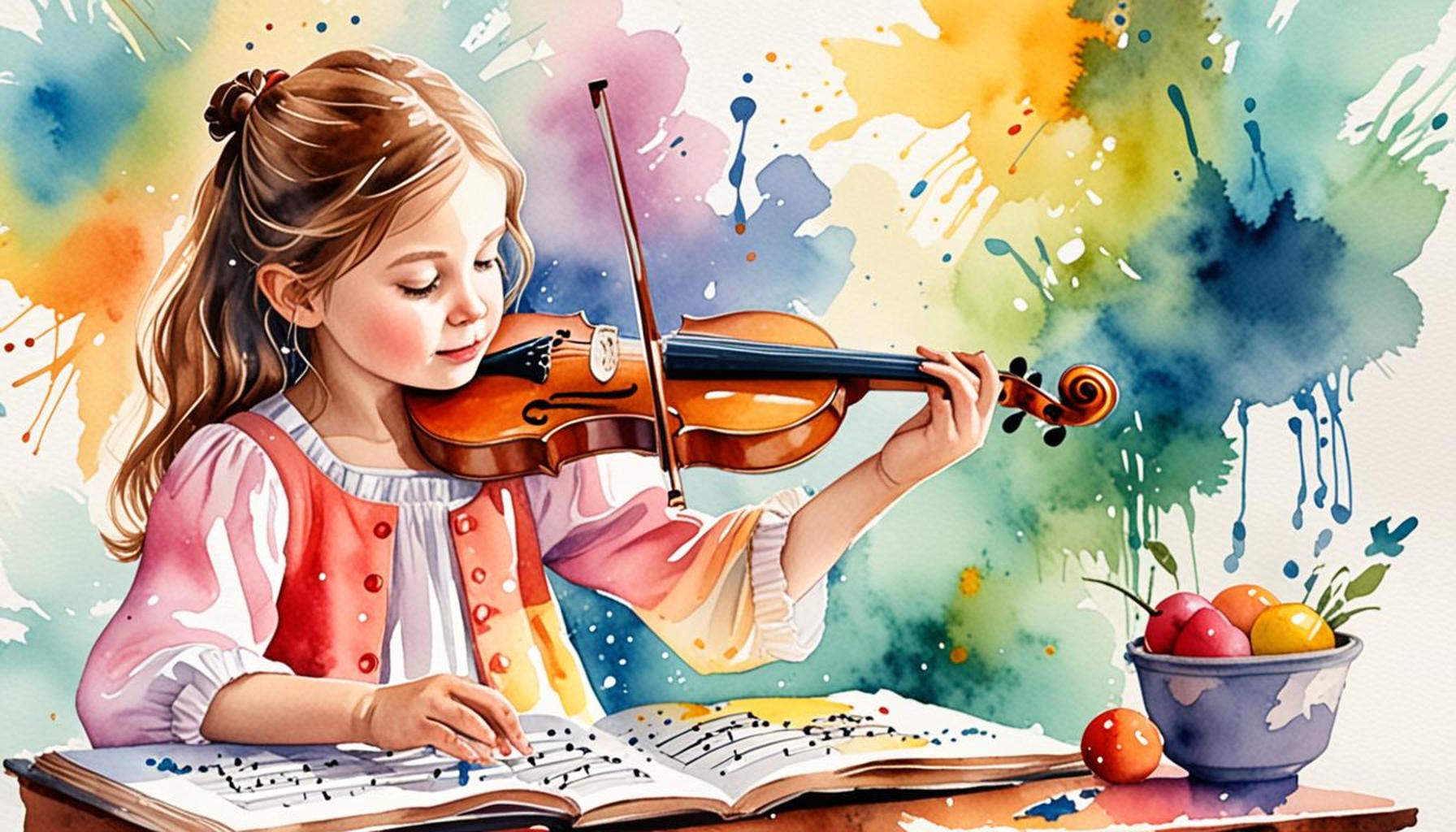
Music is a universal language that transcends boundaries and cultures. For children, engaging with music at an early age can unlock a myriad of benefits, particularly in fostering creative expression. Research consistently highlights the importance of early music education, revealing its influence on various aspects of development.
Incorporating music into early childhood education programs can serve as an effective catalyst for enhancing cognitive abilities. For instance, learning to read music not only improves attention and memory but can also significantly boost literacy and numeracy skills. When a child learns to identify musical notes, they engage in pattern recognition—a skill that is foundational in math and reading. This cognitive connection has been supported in multiple studies, showing that children involved in music programs score higher in standardized tests, reflecting improved academic performance.
Increased self-confidence is another powerful benefit of music education. When children participate in musical performances, whether in a school band, choir, or even informal settings like family gatherings, they experience a sense of accomplishment that can enhance their self-esteem. This newfound confidence often extends beyond music into other areas of their lives, encouraging them to take on new challenges and showcase other talents.
Moreover, music education is instrumental in fostering improved social skills. Collaborative music-making, such as playing in an orchestra or participating in a drum circle, encourages children to work together towards a common goal. In these settings, they learn valuable lessons in teamwork, empathy, and communication. Research indicates that these shared experiences can lead to lasting friendships and strengthened community ties, which are crucial as children navigate their social environments.
The landscape of music programs in the United States is rich and varied. From school bands and orchestras to community workshop initiatives, children are given ample opportunities to immerse themselves in musical experiences. Cities like Nashville, known as “Music City,” showcase this vibrant culture through countless community programs designed to nurture young talent. Policymakers and educators are increasingly recognizing the vital role of these programs in child development. By investing in music education, we can create a nurturing environment where innovation and creativity can flourish.
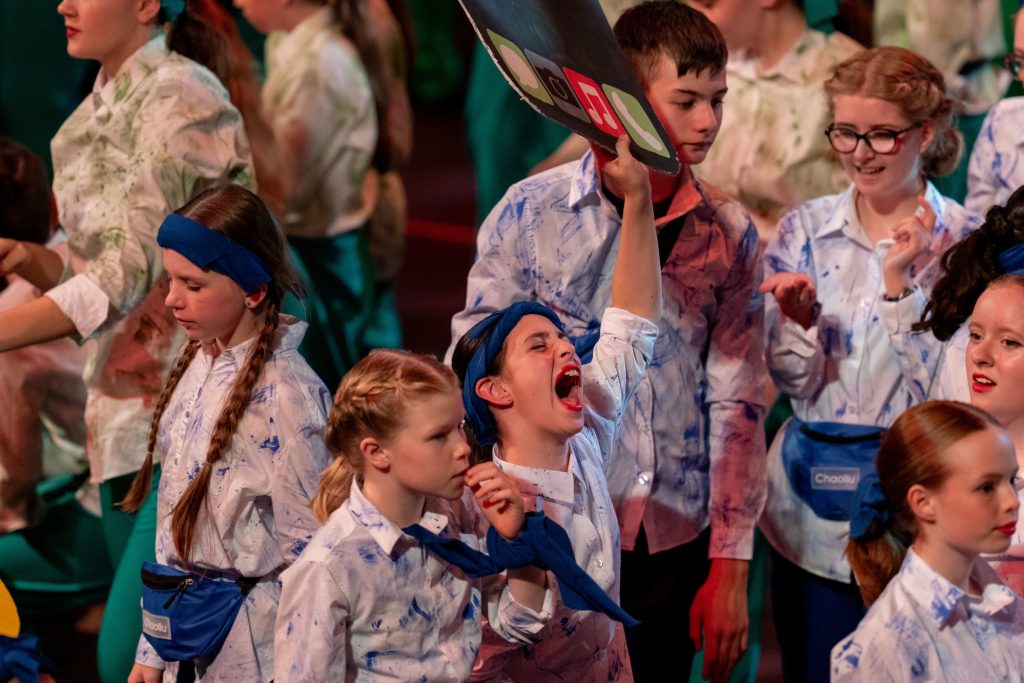
Numerous studies indicate that children involved in music education often demonstrate heightened abilities in creative tasks, showing adeptness in thinking outside the box. By integrating music into their daily lives, young learners can discover new modes of expression that go beyond traditional academics. For example, children who engage in songwriting or improvisation develop problem-solving skills and creative thinking that are invaluable in today’s rapidly changing world. Exploring this relationship between music and creativity opens up exciting possibilities for a generation that thrives on innovation. The potential of early music education is immense, paving the way for a more creative and expressive society.
DISCOVER: Click here to uncover the therapeutic benefits of cooking
Fostering Creativity Through Music Education
The integration of early music education into children’s lives is not merely a supplement to their learning experience; it is a vital component that nurtures their innate creativity. Research shows that engaging with music at a young age fosters an array of creative skills, enabling children to express themselves in innovative ways. This is particularly crucial in a society that values originality and creativity in problem-solving across various fields.
One of the most significant advantages of music education is its contribution to the development of imaginative thinking. When children learn to play an instrument, compose songs, or experiment with different musical styles, they are not only honing their musical abilities but are also encouraged to think creatively. This can be likened to learning a new language; they begin to communicate with sounds, rhythms, and melodies, ultimately finding their own unique voices. Consider the following ways in which early music education fosters creativity:
- Exploration of Sound: Children learn to experiment with various instruments and vocal techniques, enabling them to explore different soundscapes and develop a personal style.
- Improvisation: Music education often embraces spontaneity through improvisational activities, allowing children to make quick creative decisions and express themselves freely.
- Composition: Writing songs and creating music encourages children to combine storytelling with musical expression, cultivating their narrative skills alongside their artistic ones.
- Collaboration: Working with peers on musical projects fosters a spirit of collaboration, leading to creative synergy that can enhance ideas and spark new concepts.
Studies indicate that children with music education are more likely to outperform their peers in tasks that require creativity. For instance, a study conducted by the National Endowment for the Arts found that students involved in the arts, particularly music, demonstrated advanced skills in divergent thinking, a critical component of creativity. Divergent thinkers generate multiple solutions to open-ended problems, a skill that is increasingly sought after in both educational and professional settings.
Moreover, the emotional benefits of music education cannot be overlooked. Engaging with music allows children to convey feelings that may be difficult to express with words. This emotional outlet serves to enrich their creative expression, giving them a voice in a world that sometimes feels overwhelming. Children who express themselves through music often develop a deeper understanding of their own emotions, which enhances their creativity and encourages them to share their experiences in innovative ways.
As the landscape of education continues to evolve in the United States, it becomes imperative for educators and parents to recognize the profound influence that early music education can exert on the creative capacities of children. By investing in programs that prioritize music learning, we are not just teaching them notes and rhythms; we are equipping the next generation with the tools they need to think creatively and express themselves confidently in an ever-changing world.
The Influence of Early Music Education on Cognitive Development
Early music education not only fosters artistic skills but also significantly impacts cognitive development in children. Research shows that engaging with music at a young age can enhance brain development, particularly in areas related to language, reasoning, and memory. For instance, learning to play an instrument requires focus and discipline, which translates into improved attention spans for academic tasks.Moreover, music education stimulates the brain’s natural reward system, releasing dopamine—the neurotransmitter associated with pleasure and motivation. Children exposed to early music lessons often demonstrate heightened creativity and problem-solving skills, as they learn to think outside the box and express themselves in innovative ways. The connections made between music, math, and language can also aid in literacy development. Children who participate in music programs frequently outperform their peers in standardized tests, showcasing the correlation between musical training and academic success. This relationship cultivates a sense of achievement and boosts self-esteem, further promoting creative expression.In concert with these benefits, early music education fosters social skills and emotional intelligence. As children collaborate on musical pieces, they develop teamwork capabilities and learn to respect diverse perspectives, which enriches their interactions and further enhances their creative expression.
| Advantages of Music Education | Detailed Benefits |
|---|---|
| Cognitive Enhancement | Improves memory, attention span, and problem-solving skills. |
| Emotional Intelligence | Encourages empathy and respect for others through collaboration in music. |
| Social Development | Builds teamwork skills and enhances peer relationships. |
| Academic Success | Gives children a competitive advantage in standardized testing. |
The synergistic effects of music on children’s cognitive, social, and emotional development reveal the profound necessity of integrating early music education into the curriculum. This exploration into the myriad advantages invites further investigation into how fostering musical abilities can shape a generation with enhanced creative expression and innovative capabilities.
DISCOVER MORE: Click here to enhance your culinary skills
The Benefits Beyond Musical Proficiency
While the primary focus of early music education often centers on developing musical abilities, the implications extend far beyond mere proficiency in playing an instrument or singing. Studies suggest that the benefits of music education are intricately connected to broader developmental areas such as cognitive growth, social skills, and emotional intelligence, all of which are crucial to fostering creative expression in children.
Cognitive development is significantly enhanced through music education. Learning music requires children to engage in activities that improve their memory, attention, and critical thinking skills. A study by Northwestern University revealed that children involved in music training showed heightened sensitivity to speech and better auditory skills. This heightened auditory perception translates into improved ability to differentiate between similar sounds or words, paving the way for enhanced communication skills and more profound creative thinking.
In addition to cognitive benefits, music education plays a vital role in shaping social skills. Participating in group music activities, such as band or choir, introduces children to teamwork and collaboration. As they work together towards a common goal—be it performing a song or composing a piece—the process fosters a sense of community and belonging. Children learn to listen actively to one another, negotiate roles, and share ideas, all of which contribute to their social-emotional development. These social experiences are foundational in nurturing a sense of creativity; children who feel secure and validated in their social circles are more likely to take creative risks and explore new forms of expression.
The emotional intelligence that develops through early music education cannot be understated. Music has a unique ability to evoke powerful emotions, and children engaged in music education are encouraged to explore and articulate their feelings through their art. A survey conducted by the American Psychological Association illustrates that children involved in the arts experience lower levels of anxiety and depression. This emotional resilience provides a strong basis for creative expression, as children learn to channel their experiences—both joyful and challenging—into their music. As they process these emotions, they gain the confidence to convey their ideas and stories, leading to more compelling and authentic creative work.
Additionally, the role of technology in modern music education is increasingly significant. Digital tools and software for music composition allow children to experiment with sound manipulation, editing, and more diverse forms of expression that were previously unavailable. These tools not only add a layer of innovation to traditional music education but also cater to the ever-evolving landscape of creativity in the digital age. By using technology to create music, children can embrace new artistic possibilities, blending genres and incorporating multimedia elements that enrich their creative expression.
Furthermore, the exposure to diverse musical genres within early education helps cultivate cultural appreciation and awareness. Engaging with various styles—from classical to jazz, folk, and world music—enables children to understand and celebrate diversity, particularly important in a multicultural society like the United States. This cultural exploration through music encourages children to draw inspiration from various sources, refining their creative expression and fostering inclusivity in their work.
It is clear that the multifaceted benefits of early music education extend far beyond the confines of musical talent. By nurturing cognitive, social, emotional, and technological skills, music education lays a strong foundation for children, empowering them to explore their creativity and express themselves in unique and meaningful ways.
DISCOVER MORE: Click here to learn about the importance of sustainability in culinary arts</a
Conclusion: The Lasting Impact of Music Education on Creativity
In summary, early music education serves as a powerful catalyst for creative expression in children. The extensive benefits it provides—ranging from enhanced cognitive abilities to improved social skills and heightened emotional intelligence—create a nurturing environment where creativity can flourish. By engaging with music, children develop critical thinking and communication skills that extend beyond the classroom, equipping them for success in various aspects of life.
Moreover, the collaborative nature of music education fosters a sense of community, helping children gain confidence and a willingness to share ideas. As they learn to navigate their emotions through artistic expression, they build resilience and a deeper connection to their own stories. The integration of technology in music education broadens these possibilities, allowing for innovative forms of expression that resonate in today’s digital landscape.
Additionally, exposure to diverse musical genres allows children to cultivate a rich understanding and appreciation for cultural differences, which is essential in our interconnected society. By encouraging open-mindedness and inclusivity, music education not only enriches personal creativity but also inspires children to create works that are reflective of a multicultural world.
As we recognize the profound influence of early music education on enhancing children’s creative expression, it becomes evident that investing in music programs is not only about fostering future musicians but also about nurturing well-rounded individuals. Given these compelling insights, policymakers, educators, and parents should collectively advocate for music education as a vital component of childhood development, ultimately guiding children toward a future brimming with creativity and innovation.