
The Impact of Cooperative Board Games on Group Problem Solving

Rediscovering Communication Through Cooperative Board Games
In an age where digital interactions often overshadow face-to-face communication, cooperative board games offer a refreshing alternative. These tabletop games are not only a source of entertainment but also serve as powerful tools for enhancing group problem-solving skills. With their unique design, these games create unparalleled opportunities for social interaction in a fun and engaging way.
The Mechanics of Teamwork
At the core of cooperative board games lies the principle of teamwork. Unlike traditional competitive games where players often vie against one another, cooperative games compel players to join forces and collaborate toward a shared objective. For instance, in the renowned game Pandemic, players must unite to eradicate diseases that threaten the globe. This setting allows players to combine their individual strengths and abilities, fostering a sense of unity as they tackle challenges together.
The Power of Strategic Thinking
Strategic thinking is another vital feature these games promote. Decision-making in cooperative games requires players to collectively analyze various strategies and consequences. In Spirit Island, a game set on a mystical island, players take on the roles of spirits fighting against colonial invaders. Successfully defending their homeland involves careful consideration of each spirit’s unique powers and how they can complement one another to create devastating defenses against the incoming threats.
Enhancing Communication and Conflict Resolution Skills
Effective communication is key in these games as players frequently engage in discussions that clarify ideas and strategies. The need for clear communication becomes particularly evident in intense moments, where a single decision can lead to victory or defeat. Furthermore, navigating the differing opinions and tactics of teammates often leads to improved conflict resolution skills. Players learn to listen, negotiate, and find compromises, skills that are invaluable both inside and outside the gaming environment.
Real-World Benefits
Research indicates that participating in cooperative board games can significantly enhance interpersonal skills and cognitive functions. Players confront unique scenarios that require creative problem-solving and adaptability. This mirrors real-world challenges, making these games practical tools for developing skills applicable in multiple settings—from classrooms to corporate offices. For instance, educators often use cooperative games to teach children about collaboration and teamwork, preparing them for group projects and social interactions in their academic journeys.
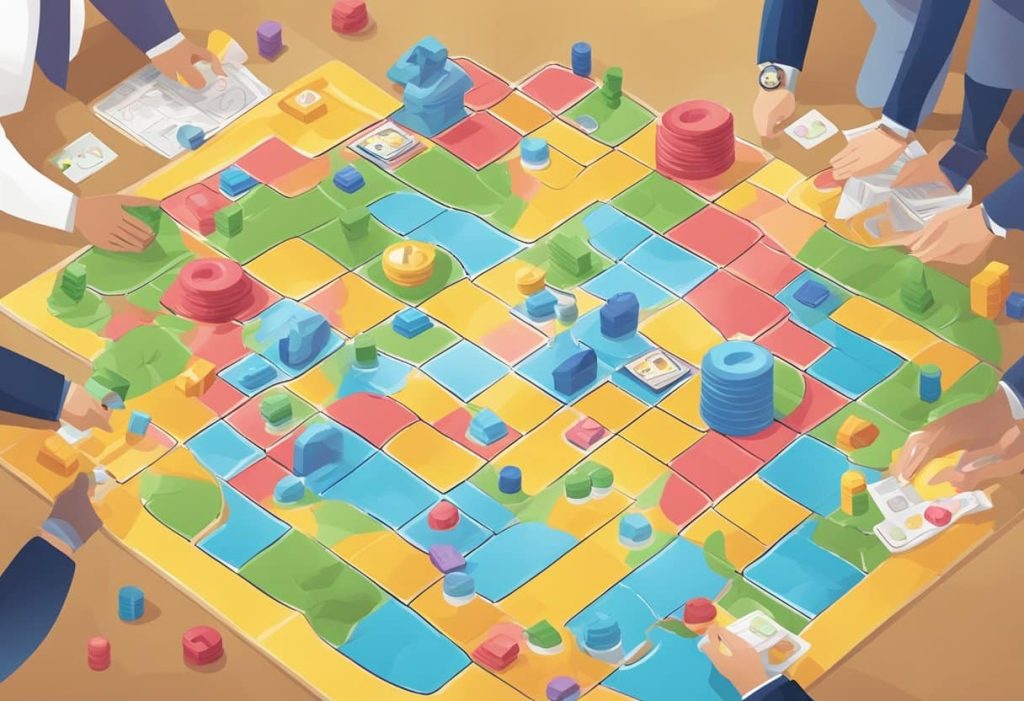
A Transformative Experience
Diving deeper into the dynamics of these games reveals how they can transform not just gameplay, but the way we approach challenges together. Understanding their impact can offer valuable insights into enhancing collaboration and creativity in various environments. Cooperative board games not only entertain but encourage players to cultivate stronger relationships and develop essential life skills, ultimately promoting a more connected and engaged community.
DISCOVER MORE: Click here for tips on boosting children’s memory
Unlocking Collaborative Skills Through Play
The rise of cooperative board games has not only transformed casual gaming but has also shed light on their critical influence in enhancing group problem-solving skills. These games go beyond simple entertainment; they encapsulate a dynamic environment that encourages players to work together towards common goals, ultimately fostering a culture of collaboration and teamwork.
Understanding the Importance of Collaboration
At the heart of cooperative board games is the fundamental concept of collaboration. Unlike traditional games that cultivate a competitive spirit, these games necessitate players pooling their skills, knowledge, and strategies to overcome shared obstacles. Through this collective effort, players often experience a heightened sense of accountability and belonging, as they realize that every decision impacts the group’s success. Games such as Forbidden Island highlight players working together to retrieve treasures while keeping their island from sinking, which exemplifies how teamwork is essential for survival and achievement.
Essential Skills Cultivated Through Cooperative Play
Cooperative board games facilitate the development of several key competencies, including:
- Critical Thinking: Players must evaluate various strategies and potential outcomes, encouraging deeper analytical skills.
- Effective Communication: Participants hone their ability to articulate thoughts clearly, leading to better understanding and shared insights.
- Active Listening: Players learn to prioritize others’ ideas and suggestions, fostering empathy and patience.
- Adaptability: These games require flexibility in approach, allowing players to pivot strategies in the face of new challenges.
This focus on collaboration is not only effective in-game but translates seamlessly into real-life scenarios where teamwork is paramount. The lessons learned through cooperative play can be observed in group projects at schools and team-based tasks in the workplace, yielding a host of interpersonal improvements. Research conducted by the American Psychological Association indicates that teams engaging in cooperative activities experience enhanced performance and cohesion, evidencing the lasting benefits of these games.
Boosting Engagement and Participation
Engagement is a critical factor that determines how well individuals connect and contribute to group contexts. Cooperative board games have a unique way of increasing active participation among players, drawing even the most reserved individuals into the fold. By crafting an environment where everyone has a voice and a role, these games diminish the barriers that often inhibit collaboration. Active involvement in cooperative gaming encourages participants to articulate their thoughts, propose solutions, and rally behind a collective strategy, all while enjoying the immersive experiences these games provide.
As we delve deeper into the multifaceted impacts of cooperative board games on group problem-solving, it becomes increasingly clear that these games are not just a pastime. They serve as an innovative and engaging medium through which participants can develop crucial skills that enhance both personal relationships and professional collaborations. The implications of this are profound; when groups learn to communicate better and solve problems collectively, they create a synergy that benefits all members.
Cooperative board games have gained popularity not only for their entertainment value but also for their profound impact on group problem solving. These games require players to collaborate, communicate, and strategize together, fostering a unique environment where collective intelligence can thrive. One of the most notable advantages of these games is the enhancement of interpersonal skills among participants. As players work together to overcome challenges, they develop important skills such as active listening, negotiation, and conflict resolution. Furthermore, cooperative games often introduce complex scenarios that demand creative thinking. Teams must brainstorm multiple solutions, weighing the pros and cons of each option. This dynamic encourages players to think outside the box, resulting in innovative strategies that may not have been conceived individually. Research shows that when teams engage in collaborative problem-solving exercises, they often achieve better outcomes compared to working in isolation.Moreover, the inclusive nature of cooperative board games promotes a sense of belonging and mutual respect among participants. Everyone’s opinion is valued, and responsibilities are shared, which can lead to increased motivation and engagement. As players align their individual goals toward a common objective, they build trust and rapport, which are vital components of effective teamwork.To further explore the impactful benefits of cooperative board games on group problem solving, consider how they can be implemented in various settings – from classrooms to corporate environments. Testimonies from educators and business leaders alike reflect the effectiveness of these games in enhancing collaboration and problem-solving skills. As interest continues to grow, the integral role of cooperative board games in developing critical thinking, teamwork, and interpersonal skills cannot be underestimated. In light of these advantages, it is clear that cooperative board games serve not only as a recreational activity but also as valuable tools for personal and professional development. As you delve deeper into the mechanics and dynamics of these games, consider how they might fit into your own group activities to boost collaboration and innovative thinking.
DISCOVER MORE: Click here to dive deeper
Empowering Leadership and Decision-Making Skills
In addition to fostering collaboration, cooperative board games serve as potent tools for empowering individuals to step into leadership roles and make decisive contributions. Within the cooperative gameplay framework, leadership is not dictated by a singular authority; rather, it emerges organically through the group’s dynamics. Players are encouraged to share responsibilities, leading to a natural redistribution of leadership roles based on strengths and insights. This encourages participants to hone their ability to assess when to lead and when to support, a skill invaluable in both professional and personal contexts.
Encouraging Diverse Problem-Solving Approaches
Cooperative board games confront players with multifaceted challenges that require various problem-solving methodologies to overcome. Games such as Spirit Island require players to adopt different characters, each with unique abilities and perspectives, compelling teams to engage in diverse thought processes. This multiplicity of approaches encourages participants to view problems from different angles and embrace creativity. Furthermore, collaboration in these games allows players to integrate diverse solutions, ultimately producing more comprehensive strategies that are often absent in competitive environments, where winning may overshadow innovative thinking.
The Role of Failure and Experimentation in Learning
Failure is often stigmatized in competitive contexts, yet it plays a crucial role in fostering resilience and growth in cooperative board games. When teams fail to achieve their objectives in games like Pandemic, they are not viewed as losers; instead, they have the opportunity to learn from their mistakes and attempt new strategies. This acceptance of failure encourages a culture of experimentation, where players feel empowered to try unorthodox solutions without fear of judgment. Research published in the journal Games and Human Behavior indicates that environments promoting safe failure lead to increased innovation and collaboration, enhancing problem-solving capabilities.
Building Trust and Relationships
A significant aspect of effective group problem-solving lies in the trust and relationships established among participants. Cooperative board games provide an excellent environment to cultivate trust through shared experiences and vulnerability. Players often rely on each other’s strengths to succeed, which gradually fosters a sense of camaraderie. Games that demand splitting resources or making tough choices, such as Forbidden Desert, amplify the importance of trust as players decide who should take risks for the common good, creating deeper interpersonal bonds.
The resulting relationships often extend beyond the game table, enriching social networks and enhancing collaboration outside the game context. This social dimension is particularly vital in professional settings, where building trust can significantly influence team performance. A study by the MIT Human Dynamics Laboratory underscores that high-performing teams exhibit stronger social connections, reinforcing the notion that cooperative board games may serve as a foundation for workplace collaboration.
Real-World Applications of Skills Developed
The skills cultivated through cooperative board games have profound implications beyond leisure activities. In educational settings, teachers can integrate these games into curricula to strengthen teamwork and critical thinking among students. In corporate environments, companies are increasingly incorporating cooperative gaming into team-building initiatives, recognizing the games’ ability to enhance collective problem-solving abilities while fostering an engaging workplace culture. Such applications illustrate that the impact of cooperative board games extends far beyond their entertaining nature; they encapsulate valuable life lessons critical for forming effective teams in any setting.
DISCOVER: Click here to enhance your problem-solving skills
Conclusion
As we delve into the transformative effects of cooperative board games on group problem-solving, it becomes evident that these engaging activities are far more than mere entertainment. They serve as invaluable training grounds for essential skills such as leadership, innovative thinking, and effective teamwork. By promoting a collaborative environment, cooperative games allow participants to embrace diverse perspectives, fostering an atmosphere where creativity can flourish and critical problem-solving skills are sharpened.
Moreover, the emphasis on experimentation and learning from failure within these games equips players with the resilience required in real-world contexts. When groups inevitably face setbacks, the non-judgmental nature of cooperative gameplay encourages a constructive culture, where teams can re-examine strategies and explore novel solutions. This leads to enhanced problem-solving capabilities that extend into personal and professional spheres.
The relationships built during these gaming sessions are equally important, as they cultivate trust and camaraderie among participants, ultimately reinforcing collaboration beyond the game table. As corporate leaders and educators recognize these benefits, they are increasingly incorporating cooperative board games into team-building initiatives and curricula, underscoring the games’ relevance in today’s collaborative society.
In conclusion, the impact of cooperative board games on group problem-solving represents a potent blend of fun and vital skill development. This intersection presents an intriguing opportunity for individuals and organizations alike to harness the power of play as a means of fostering cooperation, creativity, and effective problem-solving strategies that are essential in an ever-evolving world.