The impact of art on the community: how collaborative artistic projects strengthen social ties and promote inclusion
The Transformative Power of Art in Communities
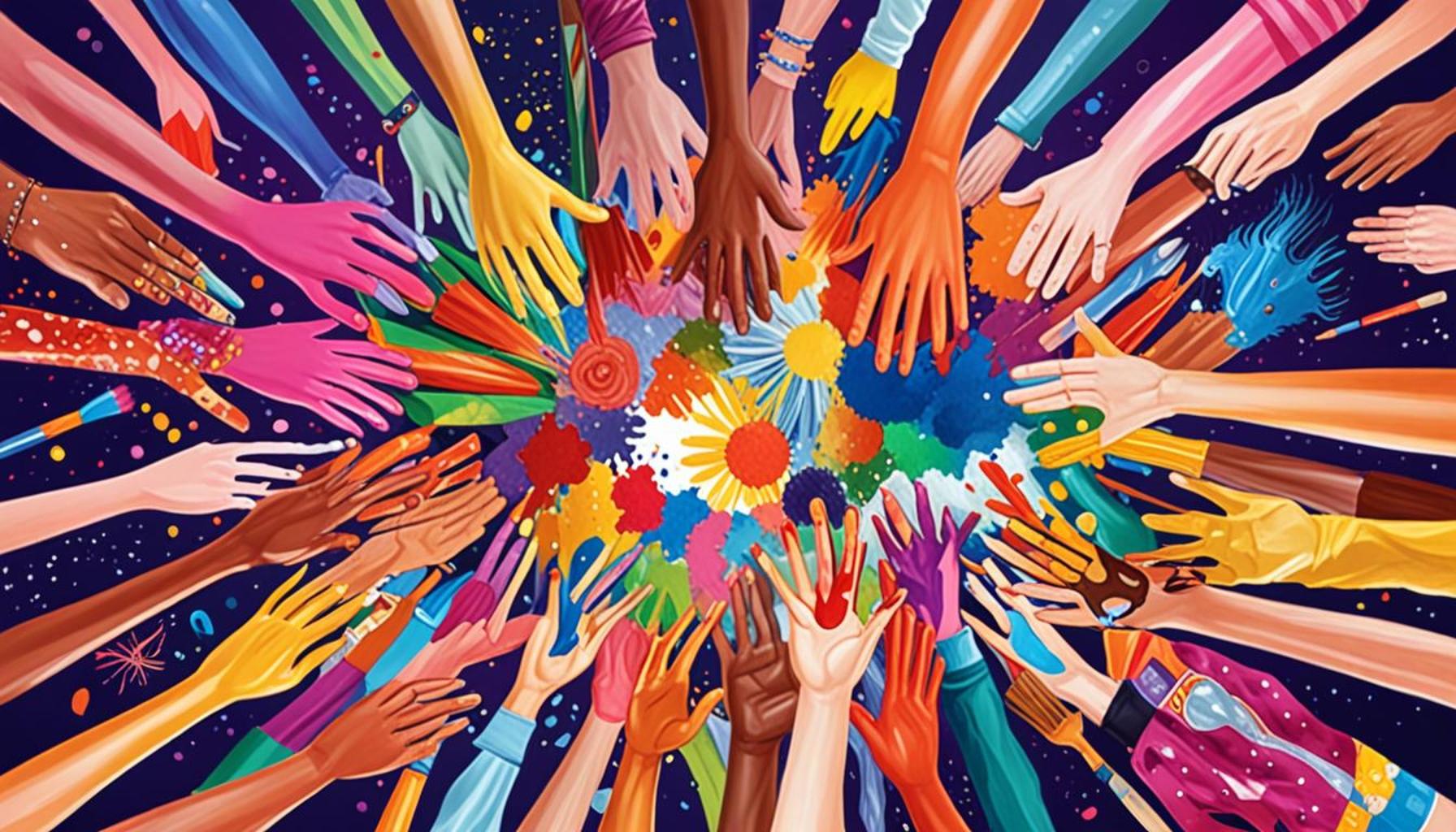
Art is not merely a form of expression; it serves as a powerful agent of social change. Through collaborative artistic projects, individuals come together, breaking down barriers and creating a shared space for creativity and connection. This communal experience is crucial in enhancing creative expression while fostering robust social networks that are vital for community health.
One of the predominant ways art influences community cohesion is through community engagement. Local art initiatives provide opportunities for participation, inviting residents from all walks of life to contribute to the artistic process. For example, in cities such as Philadelphia, community art projects like the Mural Arts Program have engaged thousands of residents in designing and painting murals that reflect their neighborhoods’ stories. This not only beautifies urban spaces but also instills pride among community members.
Shared identity is another facet where art shines. Collaborative projects foster a sense of belonging by allowing individuals to express their cultural identities. Through initiatives like theater productions or dance festivals, participants can illustrate their heritage and share it with others. Events such as the Smithsonian Folklife Festival emphasize cultural exchange, where various community groups showcase traditional crafts, music, and performances that enrich the social fabric of the community.
Furthermore, art plays a pivotal role in promoting inclusion by breaking down social, economic, and cultural barriers. Programs focusing on art in underserved areas encourage participation from marginalized groups, ensuring that everyone has a voice. For instance, projects that involve street art or temporary public installations often invite local artists from diverse backgrounds, thereby enriching the dialogue and engagement within the community.
Research supports the notion that neighborhoods enriched with vibrant art projects experience heightened social interaction and reduced feelings of isolation. Initiatives such as community murals and public art festivals serve as platforms where neighbors unite over shared interests and aspirations. A notable example is the annual ArtPrize festival in Grand Rapids, Michigan, which not only showcases local talent but also attracts visitors from far and wide, sparking conversations and fostering a sense of unity.
As awareness of the impact of art continues to grow, community art programs across the United States have gained momentum, demonstrating a significant potential for reshaping societal dynamics. By delving into the intricate relationship between collaborative art and community building, it becomes clear how these initiatives foster unity, celebrate diversity, and ultimately enhance the quality of life for everyone involved. Communities that invest in these artistic endeavors not only enrich their cultural landscape but also create environments where all voices can be heard and appreciated.
DIVE DEEPER: Click here to discover exotic recipes
Fostering a Culture of Participation
One of the most compelling elements of collaborative artistic projects is their ability to foster a culture of participation. By inviting diverse community members to engage in the artistic process, these initiatives create a powerful sense of ownership and pride. As individuals come together to create, they cultivate social connections that transcend the individual differences within their community. This interaction not only enriches the artistic work produced but also strengthens the bonds between participants.
Collaboration in art can take many forms, including:
- Public Murals: These large-scale works often involve local residents in the design and execution phases, leading to a visual representation of the community’s shared identity.
- Theater Ensembles: Community theater projects allow individuals to tell their stories and experience the transformative power of performance while building respect and empathy among audience members.
- Workshops and Classes: Artistic classes led by community artists create a platform for learning and sharing skills, enabling participants to build connections through art techniques and shared experiences.
In cities across the United States, localized art projects are emerging as effective tools for enhancing community engagement. For instance, the “Art Walks” in San Francisco invite artists and residents alike to explore the city together, discovering the talents of local creators while connecting with their neighbors. These events weave artistic expression into the very fabric of community life, making art accessible and relevant to all who participate.
Moreover, collaborative art projects can serve as a means of addressing social issues that plague communities. By focusing on specific topics such as housing instability, racial inequality, or environmental concerns, artists and residents can engage in dialogue that leads to tangible changes. For instance, initiatives like the “Art in the Streets” program in Los Angeles have allowed artists to use their skills to comment on societal issues, providing residents with a platform for advocacy and a vehicle for collective action.
Importantly, the impact of these artistic endeavors extends beyond the immediate outcome of the projects themselves. Research has shown that communities that root their development in artistic collaboration experience enhanced social cohesion, which ultimately improves the overall quality of life. Participants report decreased feelings of isolation and an increased sense of belonging, as they become woven into the community’s narrative.
As such, the ripple effects of collaborative art projects reach far and wide, implementing lasting change. The potential for empowerment through creativity not only stimulates individual growth but also strengthens the community as a whole. In examining the role of art in fostering connections, one can see how collaboration becomes a powerful vehicle for social transformation, where every voice matters and every contribution is valued.
The Transformative Power of Collaborative Art
Art has long been recognized as a powerful catalyst for change, and nowhere is this more evident than in collaborative artistic projects that aim to strengthen social ties and foster inclusion within communities. These projects serve not only as a form of creative expression but also as a medium for dialogue and understanding among diverse groups. One of the key advantages of collaborative art initiatives is their capacity to bring together individuals from various backgrounds, fostering connections that may not occur in traditional social environments. In many urban settings, murals and public installations become communal spaces where people can engage, share stories, and discover commonalities. Moreover, through art workshops, local artists can empower residents by providing them with the tools to express their voices, thereby enhancing their confidence and sense of belonging. Statistics demonstrate that inclusive art projects are linked to lower crime rates and improved community cohesion. For instance, neighborhoods that embrace artistic collaboration often witness a rejuvenation of their spaces, leading to increased foot traffic and local business growth. Such transformations also instill pride in residents, encouraging them to take ownership of their community. The experience of creating art together cultivates empathy and provides opportunities for conversations about race, culture, and inclusion. Participants learn to appreciate differing perspectives and experiences, breaking down long-standing barriers of misunderstanding. This cultural exchange not only enriches the artistic landscape of the community but also fosters the essential social ties that form the backbone of a supportive and interconnected society.The impact of art can be profound; it transcends language and cultural differences, elicits emotional responses, and ultimately fosters a sense of unity. Collaborative projects allow participants to find common ground through creativity and shared purpose, ensuring that the community thrives as a vibrant tapestry of voices and stories.
| Community Engagement | Enhancing Social Cohesion |
|---|---|
| Collaborative art projects unite diverse groups. | They create a sense of belonging and shared purpose. |
| Opportunities for dialogue across societal divides. | Fosters empathy and promotes understanding. |
DISCOVER MORE: Click here to learn how music can boost self-confidence in adolescents
Art as a Catalyst for Inclusion
Collaborative artistic projects are not just about creating a piece of artwork; they serve a deeper purpose, functioning as a catalyst for inclusion within communities. Through these initiatives, marginalized groups—whether they be minority populations, individuals with disabilities, or economically disadvantaged individuals—find a welcoming space to express their narratives. These spaces encourage individuals to share their unique experiences and perspectives, fostering an environment of acceptance and understanding.
For instance, community art projects such as the “Art For All” initiative in New York empower artists with disabilities by encouraging collaboration with their able-bodied peers. By creating artwork together, they break down preconceived notions about ability and cultivate mutual respect. This model demonstrates that art can shape not only the physical landscape but also the societal attitudes toward inclusivity and acceptance of diversity.
Moreover, collaborative art can serve as a platform for healing and empowerment. In Chicago, organizations like the “Young Chicago Authors” focus on providing young people from diverse backgrounds with avenues to express their thoughts and feelings through poetry, storytelling, and performance. These programs not only hone participants’ creative skills but also encourage personal growth while building a sense of community and belonging. Participants often report transformative experiences that help them navigate their realities, shining a light on the commonality of human experiences.
Bringing together people from varied backgrounds also promotes cultural exchange. Initiatives like the “Migrant Mural Project” in Philadelphia unite artists from immigrant communities, allowing them to depict their heritage while learning from each other. This project illustrates how art can become a medium of cultural dialogue, bridging gaps that might otherwise separate different groups. Through collective art-making, participants not only preserve their cultural identity but also create a shared language that fosters camaraderie among diverse community members.
Many cities are beginning to recognize the economic benefits of investing in collaborative art initiatives as well. Successful collaborative projects can drive local economic development by attracting tourism and stimulating local businesses. A notable example is the “Art on the Streets” initiative in Portland, which encourages street artists and performers to showcase their work while interacting with the community. The influx of visitors drawn by these art events revitalizes neighborhoods, ultimately benefiting businesses and contributing to the local economy.
Furthermore, collaborative art projects can have a profound impact on public spaces, transforming them into vibrant environments that invite community interaction. The “100 Resilient Cities” initiative, aimed at addressing urban challenges related to resilience, encourages the incorporation of collaborative art installations in public areas. By beautifying their surroundings, these projects create inviting spaces that strengthen community ties and encourage residents to take pride in their neighborhoods.
In examining the transformative nature of art within communities, it becomes evident that collaborative artistic projects not only enhance social ties but also pave the way for a more inclusive society. By amplifying voices from all walks of life and promoting the shared experiences that bind us together, art serves as a powerful tool for social change and community resilience.
DIVE DEEPER: Click here to discover the significance of craft skills in education
Conclusion
In summary, the impact of art on the community is profound and multifaceted, particularly when it comes to collaborative artistic projects. These initiatives do more than just beautify public spaces; they actively work to strengthen social ties and promote inclusion among diverse population groups. As demonstrated by programs like “Art For All” and the “Migrant Mural Project,” art facilitates connections and dialogues, empowering marginalized voices and fostering mutual respect and understanding. By providing platforms for expression, these projects can transform lives, inspire personal growth, and create networks of support within communities.
The economic benefits further illustrate the importance of such endeavors. Collaborative art initiatives not only draw tourism but also stimulate local economies, creating vibrant neighborhoods that residents take pride in. These projects showcase the potential of art as a driver for community development, encouraging cities across the United States to invest in creative solutions for social cohesion.
As we move forward, the need for inclusive and collaborative artistic endeavors becomes increasingly critical. They offer a pathway to healing, understanding, and a celebration of cultural diversity. By embracing the power of art to unite and inspire, we can build communities that are not only more cohesive but also resilient. For those looking to make an impact, engaging with local art initiatives presents an opportunity to be part of this transformative journey and help shape a more inclusive society.