The evolution of musical styles and their reflection in popular culture: how musical hobbies shape cultural identity
Understanding the Evolution of Musical Expression
Music profoundly influences and chronicles the changing landscape of society, acting as a reflection of cultural values and social dynamics. Across genres, from the improvisational beats of jazz to the commanding rhythms of hip-hop, distinct styles reveal the narratives of their time, shaping how communities express themselves and perceive the world around them. This evolution of music is not just the background score of life; it is an integral thread woven into the tapestry of popular culture, influencing the identity of generations.
Key Transformations in Music
- Jazz: Emerging from the African American communities in the early 20th century, jazz became synonymous with the Harlem Renaissance. This movement celebrated African American culture and arts, using music as a platform for creative expression and cultural pride. Artists like Louis Armstrong and Duke Ellington became icons, symbolizing resilience and innovation in a period marked by racial segregation.
- Rock and Roll: Bursting onto the scene in the 1950s, rock and roll redefined youth culture. It was more than just music; it was a cultural revolution that challenged societal norms around race, sexuality, and authority. Artists like Elvis Presley and Chuck Berry not only influenced music but also impacted fashion, lifestyle, and youth rebellion, laying the groundwork for the counterculture movements of the 1960s.
- Hip-Hop: Emerging in the 1970s in the Bronx, hip-hop has transformed into a powerful medium for storytelling and social justice. Artists like Tupac Shakur and Notorious B.I.G. use their lyrics to narrate the struggles of marginalized communities, advocating for change and awareness. This genre has become a global phenomenon, serving as a voice for those often unheard in mainstream discourse.
Each of these genres has intricately woven itself into the concept of cultural identity, shaping how individuals and communities engage with the world. For instance, jazz clubs in New Orleans have become vital social spaces where cultural collaboration occurs, while rock festivals like Woodstock symbolize a collective fight for peace and love during turbulent times. Likewise, hip-hop festivals galvanize communities around issues of social justice, showcasing the power of music in activism.
Unpacking Music’s Role
- Music as a means of self-expression: For many, music serves as an outlet to articulate emotions and experiences that may be difficult to verbalize. Personal playlists often reflect one’s identity and mood, creating a soundtrack to life that resonates on a deeper level.
- Influence on fashion trends and lifestyle choices: The visual elements associated with music genres often influence fashion and lifestyle. For example, the punk movement of the late 1970s popularized a rebellious style characterized by leather jackets and DIY aesthetics, which became a significant influence even in mainstream culture.
- Creating communities through shared musical experiences: Concerts, music festivals, and listening parties foster connections among attendees, promoting a sense of belonging. These gatherings not only celebrate music but also amplify shared values and experiences, reinforcing communal ties.
As this exploration unfolds, it becomes increasingly clear that music is more than just entertainment; it is a powerful catalyst for shaping our identities. This intricate relationship invites further investigation into how deeply encased social narratives are expressed through melodies and rhythms, echoing the complexities of human experience as we navigate through life’s rhythm of change.
DISCOVER MORE: Click here to enhance your musical journey
Musical Genres: Mirrors of Societal Change
The evolution of musical styles serves not only as an artistic expression but also as a ledger documenting the experiences and transformations within society. Each genre encapsulates the sentiments of its era, resonating deeply with the collective consciousness of its listeners. The way music intertwines with cultural identity is profound, as it provides a space for individuals to explore their values, beliefs, and aspirations. To further understand this phenomenon, it is essential to examine the distinct pathways of major musical genres and their broader socio-cultural implications.
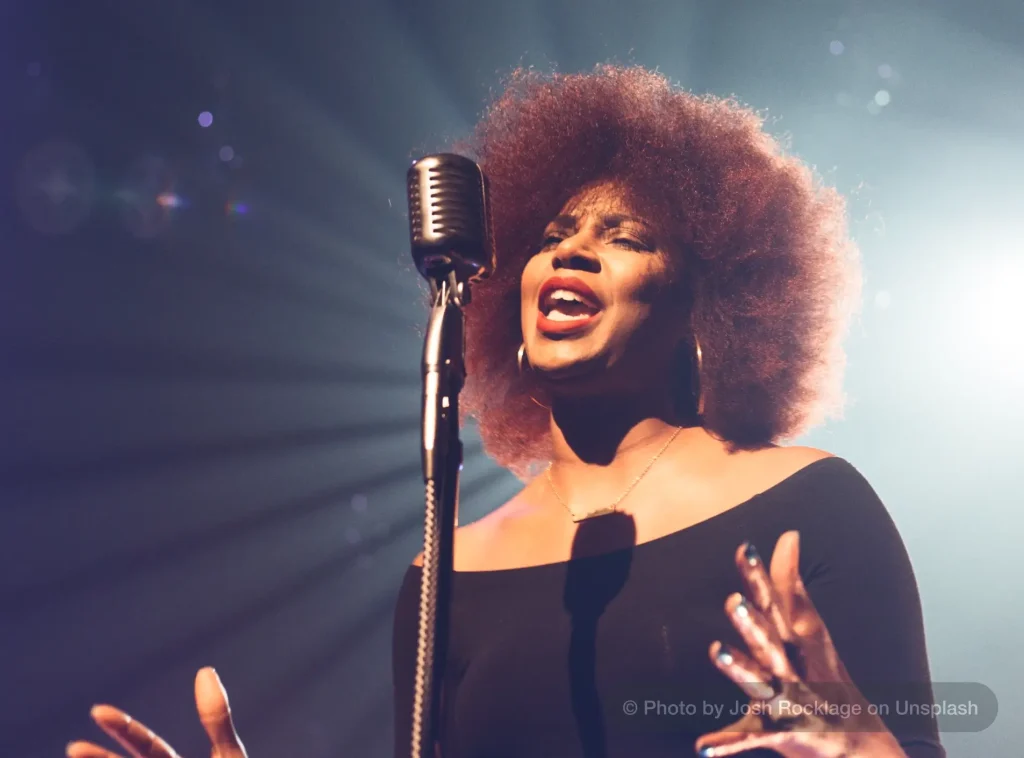
A Closer Look at Genre Evolution
- Blues: Emerging in the Deep South around the late 19th century, the blues drew from African American spirituals and work songs. This genre infused raw emotion and storytelling into music that articulated the struggles and resilience of a community. Artists like B.B. King and Muddy Waters not only shaped the blues but also laid the foundation for rock and roll, showcasing how the evolution of musical styles can bridge cultures and generations.
- Folk Music: With roots in oral traditions, folk music has been a powerful tool for storytelling and cultural preservation. In the 1960s, the folk revival in the United States became a backdrop for social movements, with musicians like Bob Dylan and Joan Baez voicing dissent and advocating for civil rights. This genre illustrates how music can synchronize with political and social consciousness, reflecting the aspirations for justice and equality.
- Electronic Music: As technology advanced, the emergence of electronic music in the late 20th century introduced a new frontier of sound and creativity. From disco to techno, this genre revolutionized the club scene and created spaces for self-exploration and expression. Electronic music festivals like Coachella and Tomorrowland have become cultural phenomena, promoting unity through shared experiences and showcasing the adaptability of musical styles in contemporary culture.
These genres have significantly contributed to the ongoing dialogue about cultural identity and expression, demonstrating how music can resonate across different demographics. In cities like Nashville, known as the heart of country music, the eclectic mix of traditional and modern styles serves as a testament to cultural evolution. Similarly, cities like Los Angeles, with its vibrant hip-hop scene, continue to emphasize how cultural identity is shaped and reshaped through musical expression.
The Interplay Between Music and Personal Identity
- Emotional Resonance: Musical hobbies provide individuals with a means to process their emotions, often becoming a therapeutic outlet. Personal playlists frequently reflect life’s highs and lows, illustrating how music encapsulates the essence of personal identity.
- Cultural Signifiers: The genres we gravitate towards often serve as cultural markers, defining who we are and how we identify within society. Whether embracing the modernity of pop or the nostalgic quality of classic rock, these preferences shape social perceptions and community affiliations.
- Innovation and Collaboration: Music often acts as a catalyst for collaboration among diverse groups. The fusion of different genres, such as country-rap or reggae-rock, highlights the dynamic nature of cultural identity as musicians innovate and create new sounds together.
As we delve deeper into the relationship between musical styles and cultural identity, it becomes evident that music acts as a powerful medium for expression and connection. The stories told through melodies and rhythms facilitate the exploration of personal and communal identities, ultimately shaping the cultural landscape in profound ways. This rich tapestry of sound invites inquiry into how our musical preferences mirror our evolving society and individual experiences.
| Cultural Impact | Musical Influence |
|---|---|
| Diversity in Expression | Encourages individuals to explore and express their unique cultural backgrounds through music. |
| Community Building | Brings people together through shared musical interests, fostering relationships and cultural exchange. |
In modern society, the evolution of musical styles has become a profound reflection of popular culture, showcasing how our musical hobbies not only shape cultural identity but also drive social interactions. A prime example is the way genres like hip-hop and reggae draw on historical contexts and societal challenges, leading to deep discussions about ethnicity and belonging.Furthermore, the proliferation of online platforms has significantly influenced this evolution. Musicians and enthusiasts can now share their works across the globe, leading to an amalgamation of different styles. For instance, the fusion of electronic dance music with traditional folk elements has birthed entirely new sub-genres, encouraging young audiences to engage with their cultural roots creatively.Another noteworthy aspect is the role of music festivals as cultural phenomena where diverse musical styles converge, allowing for greater understanding and appreciation of different identities. These events not only showcase talent but also act as safe spaces for individuals to express their beliefs and values through the music they admire. As such, musical hobbies become more than just pastimes; they act as vital components of our cultural identity, shaping the narrative of who we are in this globalized world.
DIVE DEEPER: Click here to uncover the evolution of culinary techniques
The Impact of Music on Social Movements and Identity Formation
Throughout history, music has played an integral role in mobilizing individuals and shaping cultural identities. The capacity of music to resonate with social movements amplifies its relevance beyond mere entertainment, positioning it as a tool for advocacy and change. Musical movements have profoundly influenced how communities express their collective identities while simultaneously responding to the sociopolitical landscape.
Music as a Vehicle for Social Change
- Protest Songs: From the civil rights movement to anti-war protests, songs have often served as anthems for change. Artists like Marvin Gaye with “What’s Going On” and Public Enemy’s “Fight the Power” encapsulate the frustrations and hopes of their respective eras, fostering a sense of unity among listeners. The resurgence of protest music in recent years, such as during the Black Lives Matter movement, illustrates how music remains a powerful tool for contemporary activism, engaging new generations in the fight for justice.
- Women’s Empowerment: The evolution of musical styles has also spotlighted gender-related issues. The rise of female artists in genres like pop, hip-hop, and rock has enabled a more nuanced dialogue on women’s empowerment. Icons such as Beyoncé and Taylor Swift have not only dominated charts but have also used their platforms to address issues such as body positivity and gender equality, inspiring a cultural shift in how women’s voices are perceived and valued in society.
- Globalization and Fusion Genres: As music transcends geographical boundaries, the fusion of global musical styles has led to the emergence of new genres such as reggaeton and K-pop. This cross-pollination enriches cultural identities and allows for a greater appreciation of diversity. The global success of artists like Bad Bunny and BTS exemplifies how musical hobbies can create cultural connections that resonate on an international scale, influencing local trends and behaviors.
The intertwining of music with social movements is not a mere coincidence; it reflects a broader desire for connection and identity among individuals. Not only does music underscore the issues impacting communities, but it also provides a platform for dialogue and change, fostering a nuanced understanding of cultural identity.
Music’s Role in Youth Culture and Subcultures
- Subcultures and Musical Identity: The rise of subcultures—such as punk, goth, and skater cultures—reflect a deeper quest for belonging among younger generations. Each subculture utilizes specific musical styles to delineate their identity and values, often challenging societal norms. Punk’s rebellious chants and goth’s haunting sounds illustrate how these genres facilitate the formation of distinct cultural identities that resonate with youth.
- Digital Age and Accessibility: The advent of digital streaming services has transformed how the youth engage with music. Platforms like Spotify and Apple Music have democratized access to an array of genres, enabling listeners to curate their musical identities. This phenomenon allows for more eclectic tastes, blending elements from countless cultures, and leading to a realization that one’s musical hobby can transcend traditional boundaries.
- Community and Connection: For many, shared musical interests facilitate connections that extend beyond musical tastes, creating communities around concerts, festivals, and online forums. These shared experiences foster belonging and reinforce cultural identities, highlighting the essential role of music in social interaction.
As musical styles continue to evolve, the way they influence personal and collective identities illustrates the nuances of popular culture. The cross-pollination of ideas through musical hobbies enables individuals to not only express themselves but to connect meaningfully with others, forging a collective narrative that echoes across generations and experiences. Understanding this intricate relationship between music and cultural identity sheds light on the evolving tapestry of human expression in an ever-changing world.
DISCOVER MORE: Click here to learn about the influence of musical talent on mental well-being
Conclusion: The Interplay of Music and Cultural Identity
The journey of musical styles through history is a testament to their transformative power within popular culture. As seen in the evolution of genres and their inherent connection to social movements, music serves not only as a form of entertainment but as a driving force for social change and personal expression. From the soulful verses of gospel and the rebellious shout of punk to the infectious rhythms of modern pop and hip-hop, each musical style echoes the sentiments, struggles, and aspirations of the people it represents.
Moreover, the impact of technology in shaping music consumption has given rise to a more democratized musical landscape, allowing individuals to explore various genres and form unique cultural identities. The accessibility brought about by streaming platforms fosters an eclectic mix of influences that span across geographical and cultural divides. This convergence is evident in the rise of fusion genres, showcasing a global appreciation for diversity that further enriches cultural identity.
Music, as a hobby, forms the backbone of communities, uniting diverse groups through shared experiences at concerts and festivals. As younger generations engage with subcultures driven by musical preferences, the resulting sense of belonging transcends traditional boundaries and fosters a culture of acceptance and understanding.
In conclusion, the evolution of musical styles intricately reflects the dynamics of popular culture, mirroring societal changes and shaping cultural identity. It invites both individuals and communities to engage in a dialogue that celebrates their unique voices while acknowledging the universality of the human experience. As we continue to navigate the shifting soundscape of our times, the exploration of music and its profound influence on our identities remains an essential journey worth undertaking.