
The Evolution of Manual Skills: How Craftsmanship Transforms Creativity into Competence
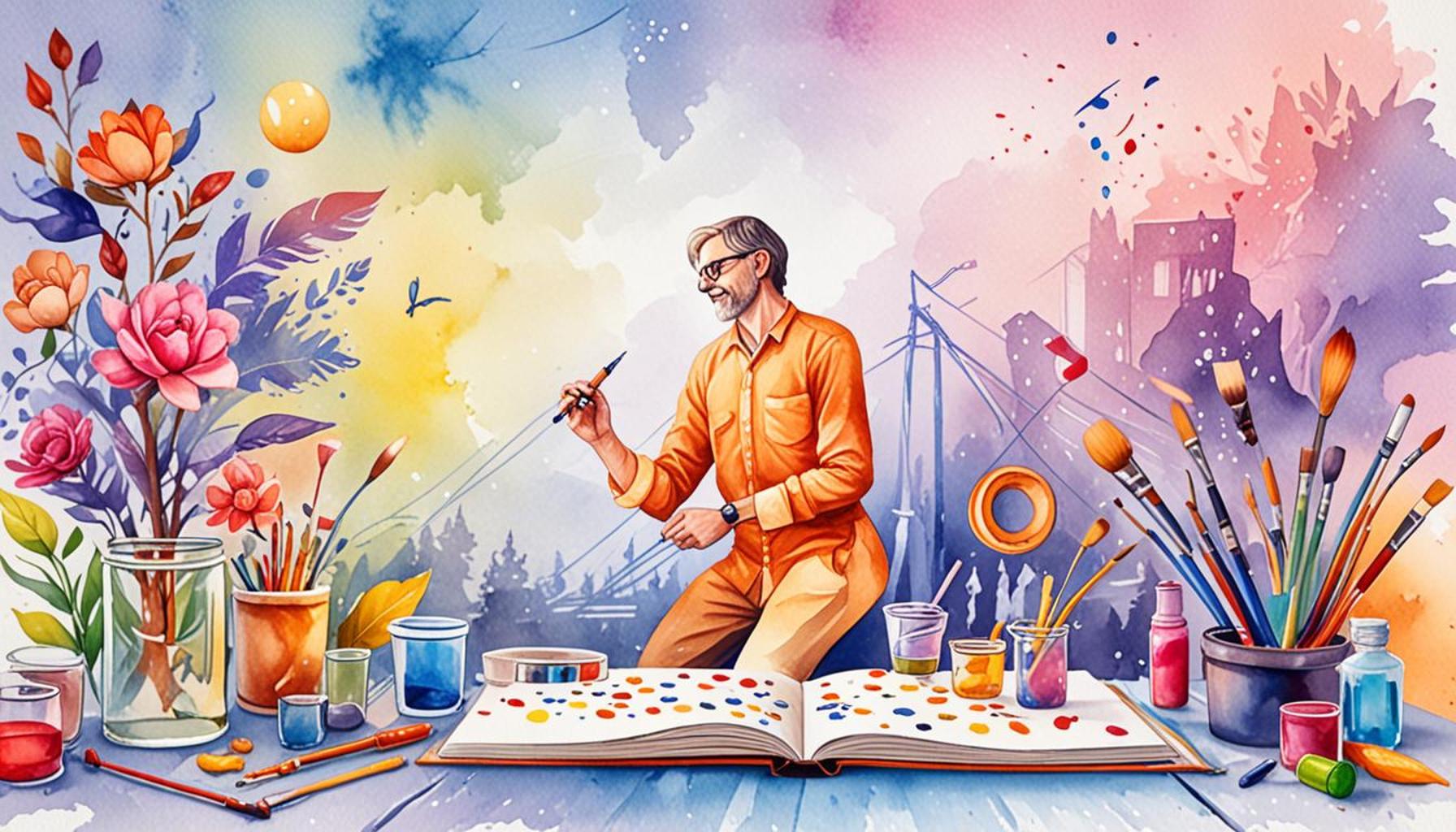
The Enduring Value of Manual Skills
In an age dominated by technology and automation, the value of manual skills remains undeniable. Craftsmanship not only enhances creativity but also shapes it into tangible competencies that contribute to personal and professional growth. From traditional woodworking to modern textiles, the journey of manual skills reflects a deep-seated connection between artistry and practicality.
Consider the following aspects of this transformation:
- Historical Influence: Manual skills have evolved over centuries, influenced by cultural shifts and technological advances. For instance, the art of blacksmithing dates back to ancient civilizations, showcasing how these skills were crucial in producing tools, weapons, and artistic metalwork. The Industrial Revolution dramatically changed the landscape of craftsmanship, as mass production rose, but the subsequent movements in the late 19th and early 20th centuries, like the Arts and Crafts Movement, sought to revive appreciation for handmade goods. This historical layer adds richness to contemporary craftsmanship, reminding us of the generations that honed these skills.
- Modern Applications: Today, manual skills manifest in diverse fields such as fashion design, culinary arts, and home improvement. The rise of the “maker movement” emphasizes DIY culture and the reclamation of traditional skills. For example, food enthusiasts increasingly value artisanal bread making, where the skill not only results in superior taste but also fosters a deep connection between the consumer and their food. Similarly, furniture makers are blending modern aesthetics with traditional techniques, such as using hand-cut dovetails in cabinetry, to create unique and durable pieces.
- Personal Development: Engaging in craftsmanship offers numerous benefits, including enhanced problem-solving abilities and improved cognitive functions. Studies have shown that manual activities can boost brain health, improve focus, and even reduce stress. Engaging in tasks such as knitting or woodworking requires critical thinking and can lead to a sense of accomplishment—a vital element for personal well-being. Furthermore, these activities can serve as meditative practices, providing a sense of flow that promotes mental clarity.
Furthermore, the resurgence of interest in handcrafted goods highlights a significant trend in consumer behavior. Many individuals are seeking authentic, quality products that tell a story, moving away from mass-produced items. This shift invites a new generation of artisans, fostering a community where creativity meets competence. Local craft fairs and online marketplaces like Etsy showcase artisans who are reviving traditional techniques, such as hand-thrown pottery and leatherworking, providing consumers with unique pieces that reflect personal values and histories.
As we delve deeper into the evolution of manual skills, we unveil the unique interplay between tradition and innovation. Each handmade creation not only serves a purpose but also embodies the soul of its creator, bridging gaps between generations and sparking conversations around the value of craftsmanship in today’s world. This revival doesn’t merely celebrate the past; it also encourages a sustainable future where skills, creativity, and genuine craftsmanship flourish side by side.
DISCOVER MORE: Click here to dive into the impact of social media on emerging musical talents
Cultural Dimensions of Craftsmanship
Manual skills are not merely acts of creation; they represent a rich tapestry of cultural expressions and historical legacies. Across various cultures, craftsmanship has taken on unique forms, shaping not only local economies but also community identities. The journey of manual skills through the ages reveals a fascinating interplay of tradition and innovation—a dialogue between the past and the present.
In the United States, we see this blend vividly in indigenous crafts, where traditional techniques have been passed down through generations. Native American artisans are known for their intricate beadwork, pottery, and textile weaving, approaches steeped in ancestral wisdom that celebrate cultural narratives. These crafts do not only emphasize artistry; they function as a means of preserving identity and storytelling, showcasing how manual skills can transform creativity into cultural competence. As artisans honor their lineage, they also adapt these techniques to modern markets, illustrating a dynamic evolution that keeps traditional skills alive while ensuring their relevance.
The contemporary landscape of craftsmanship in the U.S. reflects a broader movement towards sustainability and authenticity. More consumers are beginning to recognize the intrinsic value of handmade products over mass-produced goods. The phenomenon of *slow fashion*, for instance, encourages a departure from fast-paced consumerism, advocating for thoughtfully created garments that prioritize quality and sustainability. As a result, fashion designers are increasingly utilizing hand-sewing and natural materials, forging a new connection between the makers and the consumers who appreciate the time, effort, and skill that goes into each piece.
Moreover, the rise of platforms like Etsy has transformed how we engage with craftsmen and artisans. This accessibility not only promotes individual creators but also empowers them to narrate their artistic journeys. Here, we can find:
- Handcrafted Jewelry: Artisans utilize unique materials and techniques, such as metal smithing and gemstone setting, to offer one-of-a-kind pieces that resonate deeply with personal expression.
- Home Décor Items: From reclaimed wood furniture to artisanal candles, consumers increasingly gravitate towards items that reflect a story, enhancing the emotional connection between the creator and the buyer.
- Traditional Food Products: Artisan cheese and craft brewing are just two examples where skilled craftsmanship yields products celebrated for their unique flavors and production methods, inviting consumers to appreciate the artistry behind food.
This evolution from mere skill to a profound form of expression signifies a shift in consumer values—demonstrating a collective yearning for authenticity in a rapidly changing marketplace. With every handmade item, there lies a narrative, an embodiment of time, creativity, and skill that reflects back to a world rich in tradition yet eager for progressive adaptation. It is this duality—merging time-honored craftsmanship with contemporary demands—that continually shapes the landscape of manual skills in the United States today, illuminating how the past informs our present and the future of craftsmanship.
| Advantage | Description |
|---|---|
| Enhanced Problem-Solving Skills | Craftsmanship demands innovative thinking, allowing artisans to develop creative solutions to complex challenges. |
| Connection to Heritage | Engaging in manual skills creates a deeper relationship with cultural background, history, and traditional techniques. |
In exploring “The Evolution of Manual Skills: How Craftsmanship Transforms Creativity into Competence,” it becomes evident that possessing a strong foundation in manual skills significantly enhances one’s ability to innovate. Through hands-on experience, artisans are not only honing their technical proficiency but also nurturing their problem-solving capacity. Each project presents unique obstacles, which in turn spur creative thought processes, enabling the artisan to devise effective solutions. Additionally, the revival of interest in craftsmanship brings with it a profound sense of connection to our heritage. As individuals delve into traditional crafts, they reclaim a piece of their ancestry while learning invaluable techniques passed down through generations. This intertwining of creativity and competence facilitates a richer understanding of the cultural significance of certain crafts and encourages a pride in personal and collective stories. Moreover, this appreciation fosters a unique sense of belonging and community among those invested in these skilled trades.
DISCOVER MORE: Click here to learn about the influence of music on friendships
Technology and Craftsmanship: A New Era of Collaboration
The intersection of technology and manual skills represents a growing frontier in the world of craftsmanship. As artisans harness the power of modern tools, the landscape of creativity experiences a seismic shift, enabling a harmonious blend of traditional craft and innovative technology. This evolution underscores how contemporary craftsmen are not just preservers of old techniques but also pioneers who constantly redefine the nature of their craft.
One significant development is the incorporation of 3D printing technology into traditional crafting practices. This innovative approach allows artisans to design intricate patterns and forms that would be nearly impossible to achieve solely by hand. For example, designers in the field of jewelry making utilize 3D printing to create complex, sculptural pieces that push the boundaries of design while maintaining the ability to customize and personalize each item. This integration not only streamlines the production process but also opens avenues for greater creativity, allowing artisans to explore new artistic horizons.
Additionally, the rise of digital fabrication techniques has transformed woodworking and metalworking. Laser cutters and CNC (computer numerical control) machines enable craftsmen to execute detailed precision work, complementing their traditional skills with newfound accuracy. The ability to create prototypes quickly and efficiently means that artisans can iterate on designs faster than ever before, marrying time-honored techniques with cutting-edge technology. This duality enhances both the craftsmanship and the customer experience, creating bespoke pieces that reflect a high level of artistry and skill.
The educational landscape also plays a crucial role in this evolution, as institutions increasingly recognize the importance of blending manual skills with technological proficiency. Schools and workshops across the U.S. are beginning to offer programs that emphasize makerspace environments, where individuals can engage in hands-on projects alongside digital learning. These spaces foster collaboration and experimentation, allowing budding artisans to explore mediums such as woodworking or ceramics while integrating modern technologies like coding and electronics into their practice.
Furthermore, social media platforms have acted as amplifiers for craftsmanship, offering artisans a global stage to showcase their work. Platforms like Instagram and Pinterest have enabled creators to reach audiences far beyond their local communities. This digital exposure is not merely about visibility; it transforms how craftsmanship is perceived. The visual storytelling of manual skills sparks curiosity and intrigue, encouraging broader conversations around DIY culture, sustainability, and the importance of personal expression. Artisans from various backgrounds can share their unique processes, demystifying their skills and engendering a sense of connection with their audience.
The push for sustainability has also intertwined with this evolution. Many artisans are now prioritizing not only the materials they use but also the environmental impacts of their creative processes. The trend towards using reclaimed materials and exploring techniques that minimize waste exemplifies a growing awareness of ecological responsibility. This conscious approach resonates deeply with consumers who are increasingly interested in the stories behind the products they purchase.
In conclusion, the evolution of manual skills in craftsmanship embodies a fusion of tradition and innovation. As artisans embrace new technologies, collaborate across disciplines, and respond to consumer demand for authenticity, the landscape of craftsmanship remains vibrant and dynamic. It is this intricate tapestry of influences that continues to transform creativity into competence, shaping the future of manual arts in profoundly meaningful ways.
DIVE DEEPER: Click here to discover more about culinary sustainability
Conclusion
The journey of manual skills and craftsmanship is a compelling narrative of adaptation and innovation that reflects society’s ever-evolving relationship with creativity and technology. As artisans blend traditional techniques with modern advancements, they create a new paradigm where craftsmanship is not merely about creating tangible products but also about expressing identity, culture, and sustainability. This transformative phase encourages the cultivation of a greater appreciation for skilled labor, elevating it in a world often driven by mass production.
Moreover, as we witness the democratization of craftsmanship through makerspaces and social media, aspiring artisans are empowered to explore their potential and share their visions with a global audience. This interconnectedness fosters a rich exchange of ideas, enhancing the value of creativity and innovation in creating meaningful work. With sustainability at the forefront, artisans today are increasingly mindful of their ecological footprint, utilizing reclaimed materials and opting for processes that are environmentally friendly.
In summary, the evolution of manual skills is a testament to the resilience and adaptability of human creativity. By embracing collaborations between technology and artistry, modern craftsmen not only transform their local communities but also contribute to a broader dialogue about the significance of competence in today’s world. As consumers, engaging with this movement offers an opportunity to become part of a narrative that honors craftsmanship while championing progress. Exploring these topics further can inspire us all to value the essence of manual skills and the stories they tell in this rapidly changing landscape.