The Evolution of Artistic Expression on Social Media: How Digital Platforms Transformed Creative Habits
The Transformation of Artistic Expression in the Digital Age
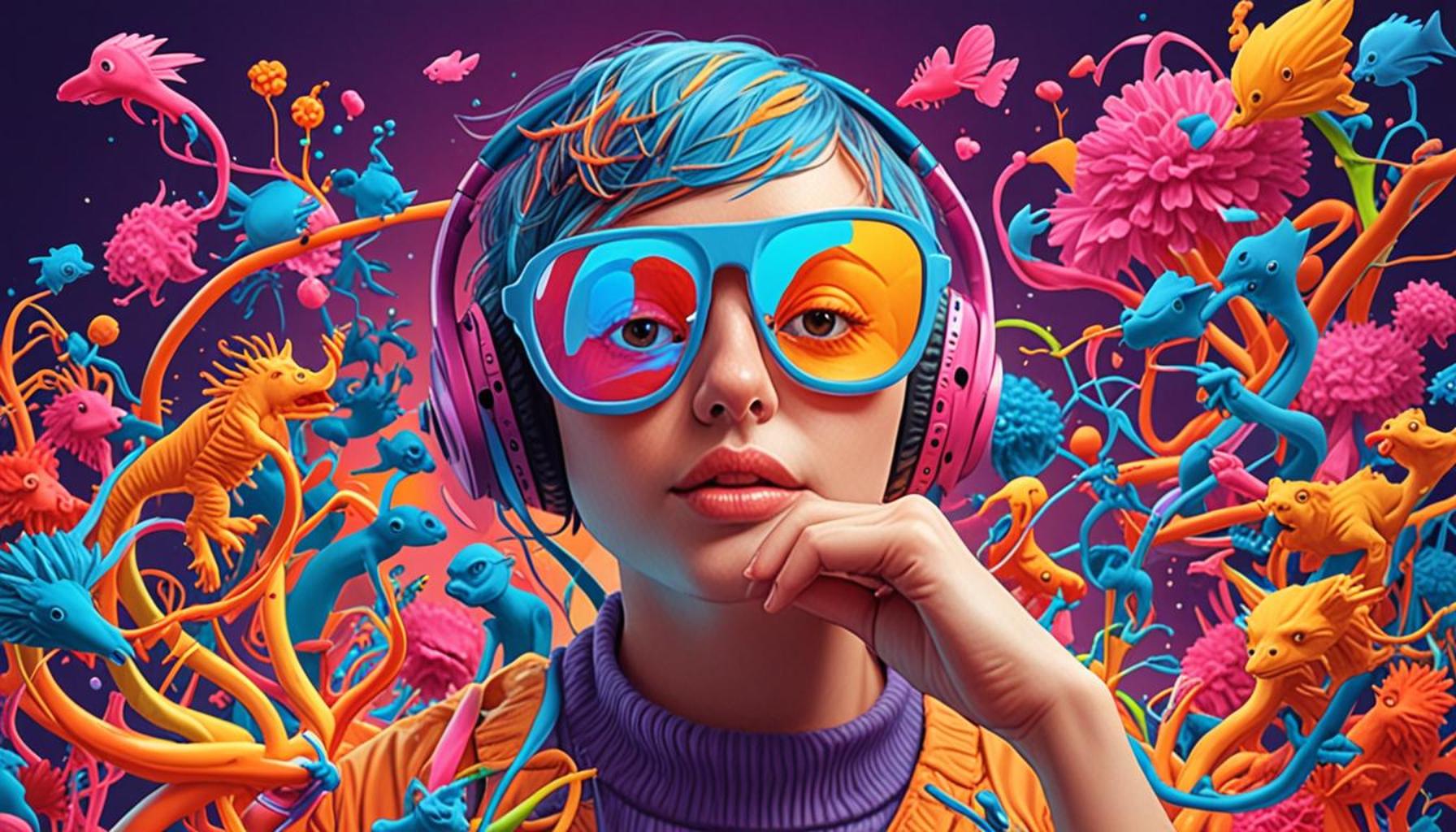
In the digital age, creativity finds new avenues to flourish, reshaping how artists approach their craft and communicate with audiences. With the explosive growth of social media platforms, the landscape of art has transformed, enabling creators to showcase their work in innovative ways. This shift marks a significant departure from traditional artistic practices, redefining the artist’s role and the nature of their interaction with the world.
Accessibility to Global Audiences
A key change in this evolution is the accessibility that social media provides. Artists are no longer confined to galleries or exhibitions; instead, a single post can reach millions worldwide in an instant. For example, painters can display their portfolios on platforms like Instagram, while musicians share snippets of their latest songs on TikTok. This democratization of art allows emerging talents from every corner of the globe to find their audience, regardless of their physical location or financial means.
Diverse Platforms for Creative Expression
The variety of platforms available caters to different forms of artistic expression. On Instagram, visual artists can curate their galleries, while YouTube offers a space for filmmakers to share short films or tutorials. Pinterest serves as a digital mood board, allowing creators to collect and share inspiration, fostering a collaborative spirit among users. This diversity helps nurture niche communities, where specific genres of art can thrive and gain recognition.
Fostering Community and Collaboration
Another major aspect of this shift is the increase in community engagement. Social media encourages artists to collaborate on projects, exchange ideas, and provide feedback. For instance, artists might participate in themed challenges on platforms like Instagram, working together to produce a body of work around a specific concept. This sense of community can be a powerful motivator, often leading to unexpected synergies and enhanced creativity.
Emerging Trends in Artistic Practices
The rise of new trends illustrates how social media is reshaping artistic practices. The popularity of short-form videos on TikTok has created a surge in bite-sized art showcases. Artists film themselves in fast-paced clips, revealing their creative processes and engaging viewers who seek instant gratification. Similarly, the advent of live streaming allows artists to create in real time, inviting followers to witness their work as it unfolds. This close-up view breaks traditional barriers, making art more accessible and personal.
Interactive Art Experiences
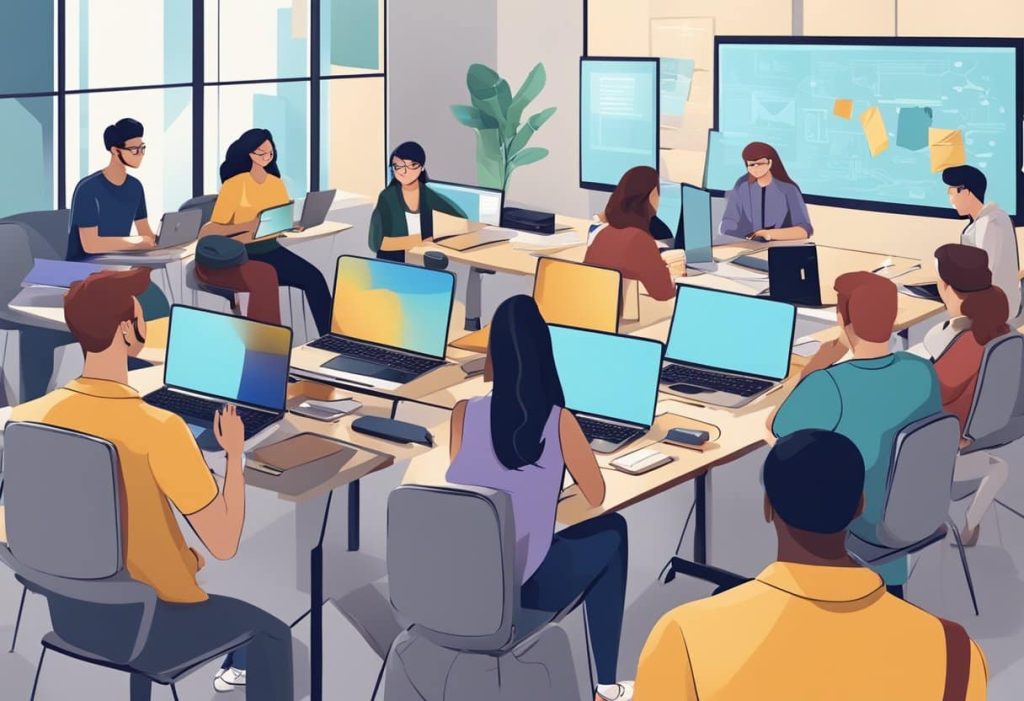
Moreover, interactive art has gained traction as social media platforms enable audience participation. Artists might ask followers to vote on elements of a project or contribute ideas via comments. This interactive dynamic transforms passive viewers into active contributors, fostering a new form of collaboration that can redefine the creative process itself.
The impact of these shifts is profound. As we explore the intricate relationship between artistic expression and social media, it becomes clear that digital platforms have not only influenced individual creators but have revolutionized the entire artistic community. The art world is catching up with technology, and as this intersection continues to evolve, so too will the ways in which we create, share, and experience art in our lives.
DIVE DEEPER: Click here to discover more
Shifting Paradigms in Artistic Creation
As social media continues to reshape the landscape of artistic expression, it prompts a re-examination of creative habits among artists. The integration of technology into everyday lives has not only made art more visible but has also transformed how artists conceptualize and produce their work. The vital interplay between digital formats and artistic practices offers insight into this evolution.
Creative Tools at the Fingertips
The proliferation of digital tools has empowered artists to experiment with new mediums and techniques. Applications like Procreate and Adobe Fresco have revolutionized the way digital artists create, allowing them to draw, paint, and design directly on tablets or smartphones. These versatile programs not only facilitate smoother workflows but also provide access to an array of features such as layers, brushes, and textures that democratize the artistic process.
Furthermore, the rise of art tutorials on platforms like YouTube has democratized learning. Aspiring artists can gain skills by accessing countless online lessons—many for free—eliminating barriers to education that once existed in traditional art schools. This has led to the emergence of self-taught artists who leverage online resources to refine their techniques and expand their creative toolbox.
New Avenues for Revenue
The impact of social media extends beyond the creative process and affects the economic landscape of art. Artists can now generate income through various online streams, such as:
- Merchandising: Creators can sell prints, merchandise, and even digital assets directly through their profiles.
- Crowdfunding: Platforms like Patreon allow artists to cultivate a dedicated fanbase that funds their projects in exchange for exclusive content.
- Sponsored Content: Collaborations with brands provide additional revenue streams, fostering partnerships that elevate an artist’s profile.
These financial avenues empower artists to pursue their passions full-time, dismantling conventional barriers to entry that once limited the art world’s diversity.
Influence of Algorithms and Trends
Simultaneously, the presence of algorithms on social media platforms has a profound influence on artistic visibility. Each platform’s unique algorithm determines what content is showcased to users, heavily impacting an artist’s reach. Understanding how to navigate these digital tools has become essential, pushing creators to adapt their styles, themes, and posting schedules in response to what trends are resonating with audiences.
Moreover, the idea of trending challenges, such as the “#Inktober” drawing challenge or the “#ArtvsArtist” phenomenon, allows artists to not only gain exposure but also to actively engage with broader artistic communities. These trends foster a sense of camaraderie and competition, driving artists to refine their skills and share their unique perspectives.
Redefining Art through Engagement
As art becomes more intertwined with digital interactions, the definition of what constitutes an artist is rapidly evolving. Artists today juggle multiple roles—creator, promoter, and entrepreneur—while maintaining an ongoing dialogue with their audiences. This engagement fosters a sense of connection that was previously unattainable, allowing audiences to witness the creative journey and support artists in real time.
In reflecting on these shifts, it is evident that social media has redefined not only the mechanics of artistic creation but also the very essence of what it means to be an artist in the modern world. As we delve deeper into these trends, the implications for both established and emerging creators will continue to unfold, painting a compelling picture of artistic expression in the digital age.
The Transformative Power of Digital Platforms
The rise of digital platforms has profoundly reshaped how artists express themselves and connect with audiences. Social media channels such as Instagram, TikTok, and Pinterest have become crucial for artists, allowing them to share their work instantly with a global audience. This accessibility has democratized art, providing a stage for both emerging and established creators, breaking down traditional barriers that once limited artistic exposure.One of the most significant advantages of this evolution is the ability to receive immediate feedback. Artists can gauge audience reactions in real-time, allowing them to adapt their work and practices quickly and innovatively. This phenomenon encourages a culture of experimentation where artists are inspired to push their creative boundaries. Additionally, digital platforms enable collaboration on a scale previously unimaginable. Artists from diverse backgrounds can connect and share ideas, fostering a rich tapestry of creativity that transcends geographical limits.Furthermore, social media has empowered artists to build personal brands. By cultivating a unique online presence, creators can engage with followers intimately, creating loyal communities around their work. This not only provides artists with a direct income stream through sales and commissions but also transforms traditional patronage models. Social media platforms have essentially introduced a new economy of creativity, where artists are both the producers and the marketers of their art.In summary, the digital age has revolutionized artistic practices, presenting unprecedented opportunities and challenges. As artists navigate these evolving platforms, they are forging new creative pathways that reshape their habits and redefine artistic expression itself.
| Category | Key Features |
|---|---|
| Accessibility | Global reach for emerging and established artists |
| Immediate Feedback | Allows real-time audience engagement and adaptation |
| Collaboration | Facilitates creative partnerships on a global scale |
| Personal Branding | Empowers artists to build direct relationships with their audience |
DIVE DEEPER: Click here to discover sustainable craft techniques
The Role of Community in Artistic Growth
Social media has cultivated a vibrant community aspect that has become central to artistic expression. Artists no longer work in isolation; instead, they collaborate and share ideas with one another in real-time. This sense of community can be seen in various online platforms, including Instagram, TikTok, and Facebook, where artists often engage in group projects or hashtag movements that promote collective creativity.
Collaboration Across Borders
The ease of connecting with artists worldwide has led to innovative collaborations that transcend geographical boundaries. For instance, platforms such as Behance and Dribbble allow artists to showcase their work while facilitating partnerships with peers from various cultural backgrounds. This global perspective enriches individual artistic visions, leading to a fusion of styles and traditions that celebrate the diversity of the creative community.
Consider the phenomenon of virtual art residencies, which gained momentum during the pandemic. Artists from different continents participate in shared projects and workshops through these programs, leading to multi-dimensional artwork that reflects a blend of influences and practices. By breaking down long-standing barriers, social media has made artistic collaboration more accessible and commonplace than ever before, amplifying the richness of artistic expression.
The Democratization of Feedback
Another significant aspect of social media involves the democratization of feedback. In traditional art settings, critique often came from a select group of experts, whereas social media invites diverse opinions from a broad audience. Platforms like Reddit and Twitter allow artists to obtain immediate feedback on their work from fellow creators and art enthusiasts alike, helping to shape their artistic vision.
Such exchanges encourage artists to refine their techniques and adapt their themes based on viewer reactions. Furthermore, artist-led initiatives like “critique circles” on platforms such as Discord enable artists to solicit constructive criticism in a supportive environment, fostering ongoing improvement and learning.
Mental Health and Artistic Expression
Yet, the intersection of mental health and art within social media cannot be overlooked. The constant pressure to produce and share work may lead to burnout or creative blocks. Artists might find themselves grappling with the need for validation through likes and shares, which can impact their creative processes. Platforms are becoming aware of this phenomenon, and many are introducing features to promote well-being, such as features that allow for content filtering or enable creators to limit the visibility of their engagement metrics.
Artistic expression can also serve as a therapeutic outlet, providing artists a space to process their emotions. The rise of “art therapy” content on platforms like Instagram demonstrates how individuals use the creative process to cope with mental health challenges. Communities dedicated to sharing personal struggles through art encourage dialogue and support, showcasing how social media can foster healing alongside artistic development.
Documenting Artistic Journeys
Moreover, the serialization of artistic work on social media allows for a unique documentation of an artist’s journey. Artists can share behind-the-scenes processes, from initial sketches to finalized pieces, creating a narrative that invites audiences into their world. This transparency not only enhances audience engagement but also allows artists to reflect on their growth over time, marking milestones and challenges along their creative path.
As younger generations of artists evolve in this dynamic digital landscape, the ability to authentically share their experiences and progress enriches the overall artistic conversation. Each post, story, or video serves not only as a record of individual artistic development but also as a source of inspiration for others navigating their creative journeys.
DISCOVER MORE: Click here to dive deeper
Conclusion: The Future of Artistic Expression in the Digital Age
In summary, the evolution of artistic expression on social media has fundamentally reshaped how artists create, share, and engage with their audiences. As we have explored, the rise of digital platforms has fostered a sense of community that was previously unattainable, allowing for collaboration across borders and creative disciplines. This interconnectedness has led to a refreshing democratization of feedback, empowering artists to learn from diverse perspectives that extend beyond traditional art institutions.
Moreover, the growing awareness of mental health challenges related to social media engagement underscores the need for balance in artistic pursuits. Platforms are increasingly taking steps to support the well-being of creators, encouraging healthy practices amidst the pressures of visibility and validation. The artistry shared online often serves as a mirror reflecting both the societal zeitgeist and individual experiences, heralding a new era of self-expression.
As we look towards the future, it’s clear that the integration of technology into the creative process will continue to evolve. The ability to document artistic journeys in real-time fosters an enriching narrative for both artists and their audiences, making art more accessible than ever before. Artists will increasingly leverage digital platforms not only as a tool for creation but also as a space for healing and growth.
Ultimately, the landscape of artistic expression is more dynamic than ever, encouraging artists to experiment boldly and redefine their creative habits. As digital platforms continue to transform the art world, the possibilities for innovation and expression remain limitless, inviting both creators and audiences to participate in a rich, ongoing dialogue about what it means to be an artist in a connected world.