The Digital Revolution in Literature: How Blogs and Social Media Are Changing the Way We Write
Transformation of Literary Expression
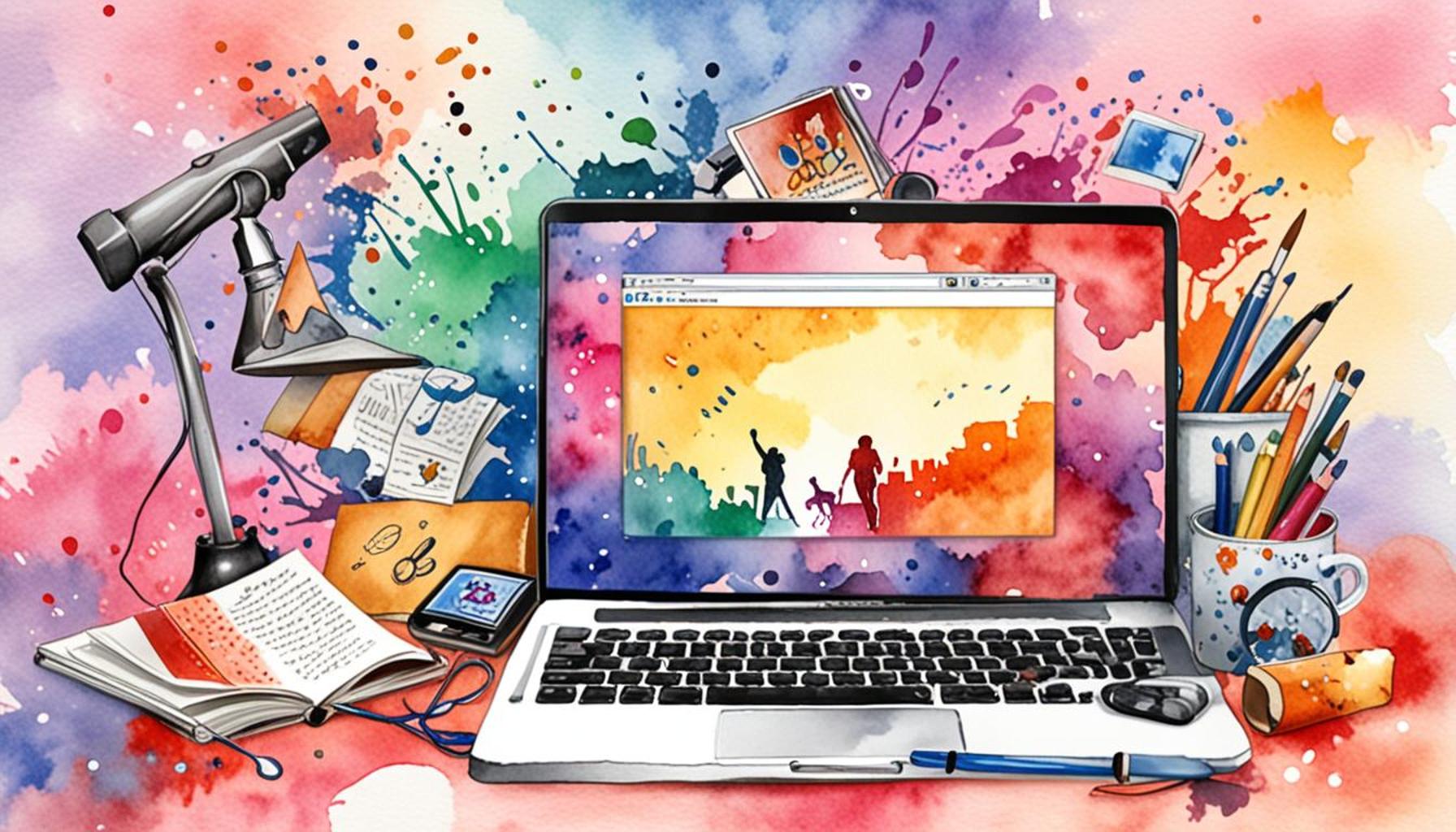
The rapid evolution of the literary landscape is undeniably influenced by blogs and social media. These platforms open doors for writers to express their thoughts, ideas, and stories without the traditional gatekeeping of publishing houses. In this new paradigm, authors can effortlessly transform their passion for writing into a shared experience with their readers, fostering a vibrant community that nurtures and celebrates diverse voices.
Accessibility is one of the most notable features of this new writing environment. Gone are the days when writers had to await the lengthy and often uncertain process of manuscript submissions. Today, anyone with an internet connection can publish their work instantly. For example, platforms like WordPress allow budding writers to launch their blogs within minutes, reaching a global audience from their own living rooms. This democratization of content creation has been essential in highlighting stories that may otherwise remain unheard.
The rise of social media also facilitates real-time feedback. Writers can engage with their audiences through comments, shares, and likes, which allows them to gauge the reception of their work almost immediately. This interaction not only helps authors refine their writing based on constructive criticism, but it also builds a devoted reader base eager to follow their journey. Notable examples include the use of Twitter by authors like Neil Gaiman, who often interact with fans while providing insights into their writing processes.
Cultivating Diverse Voices
Another significant benefit of these platforms is the emergence of diverse voices. Underrepresented groups, including marginalized communities and individuals from varying backgrounds, can share their experiences and perspectives. Initiatives like #WeNeedDiverseBooks have embraced social media to advocate for inclusivity in literature, empowering a new generation of storytellers to amplify their stories. This infusion of diverse narratives is enriching the literary scene, encouraging broader discussions around culture, identity, and societal issues.
Changing Narrative Forms
The rise of digital platforms has also incited a shift in writing styles. Traditional long-form narratives are often being replaced by:

- Shorter formats: Microblogging platforms such as Twitter challenge authors to convey ideas in under 280 characters, leading to the rise of succinct and powerful prose that captures attention quickly.
- Interactive storytelling: Writers can engage readers by allowing them to vote on story outcomes or contribute ideas, as seen in collaborative projects like Wattpad, where narratives evolve through audience participation.
- Visual content: The integration of images, memes, and videos into storytelling enhances the reader experience. Platforms like Instagram allow writers to share snippets of their work alongside compelling visuals, creating a multi-dimensional narrative.
This digital revolution isn’t merely a trend; it is an evolution calling for new ways of thinking about literature. It challenges existing conventions while simultaneously creating a rich tapestry of stories informed by diverse perspectives. As this intersection of writing and technology continues to grow, it becomes crucial to explore the implications it holds for the future of literature and the myriad voices that stand ready to share their stories.
LEARN MORE: Click here to discover the impact of social media on new musical talents
Redefining Literature Through Engagement
The influence of digital platforms extends far beyond providing mere access to publishing tools; they are reshaping the very essence of literature by fostering engagement between writers and readers. The dynamic nature of blogs and social media not only promotes a more interactive reading experience but also invites authors to adapt their methods of storytelling to meet the evolving expectations of their audiences. This shift holds profound implications for how literature is constructed and consumed in the contemporary landscape.
The concept of reader involvement has evolved significantly, enabling a two-way conversation that was virtually non-existent in the traditional publishing model. Writers can harness the power of social media to create a dialogue about their work, often sharing their creative processes, inspirations, and behind-the-scenes glimpses into their lives as authors. For instance, platforms like Facebook and Instagram allow writers to share not just their words, but also videos, live readings, and interactive Q&A sessions, bridging the gap between creator and consumer.
Moreover, this relationship enhances the feedback loop between writers and their audiences, which can lead to more tailored narratives. Authors can use real-time reactions to adjust plot points, character developments, or even entire story arcs based on audience preferences. This level of direct interaction transforms the writing process into a more collaborative effort, benefiting both parties involved. Here are some notable examples of how writers are utilizing digital platforms for engagement:
- Livestream Writing Sessions: Writers on platforms like Twitch often broadcast their writing process in real-time, allowing viewers to witness creativity in action while providing instant feedback.
- Social Media Polls: Authors can run polls on outlets like Twitter to let readers choose between different story directions, giving fans a stake in the narrative.
- Reader-Centric Campaigns: Some writers collaborate with their audiences to co-create content, resulting in themed anthologies or serialized stories influenced by reader contributions.
This innovative approach not only keeps audiences engaged but also motivates authors to produce content consistently. Through social media, writers can share snippets, teasers, and promotional material, creating buzz around their works before they are fully realized. The immediacy and accessibility of these platforms facilitate a rapid publishing cycle, drastically reducing the time lapse between drafting and sharing with the world.
The rapidly changing dynamics of literature aren’t solely rooted in accessibility and engagement; they also challenge traditional notions of literary authority and expertise. Many successful authors today have built their careers outside conventional publishing routes, relying on self-promotion through engaging content on blogs and social media. The validation of readers in real-time not only redefines “success” but also introduces fresh narratives that reflect collective interests and experiences.
As the digital revolution continues to unfold, it amplifies the transformative power of literature through these new forms of engagement, creating an ever-evolving landscape where the voices of both seasoned and novice writers can thrive. This redefinition of literary expression showcases the potential of the digital age to spark creativity and innovation in writing, ultimately leading to a more inclusive and diverse literary world.
The Impact of Blogging on Literary Expression
In the realm of literature, the emergence of blogging has fundamentally altered the way writers share their work and engage with audiences. Blogs offer an unparalleled platform for writers to express themselves freely, without the constraints often associated with traditional publishing. This shift allows for a more diverse range of voices to emerge, enabling writers from various backgrounds to reach a global audience.One of the most significant advantages of blogging is the ability to receive immediate feedback. Writers can post their work in real-time and interact with readers through comments or social media shares. This direct engagement fosters a sense of community and can lead to collaborative writing projects that were previously unimaginable. Furthermore, blogs empower writers to experiment with different styles and genres, helping them refine their craft in ways that traditional publishing often does not allow.
Social Media: A New Avenue for Literary Promotion
Social media has become an indispensable tool for authors looking to promote their work and connect with readers. Platforms like Twitter, Instagram, and Facebook provide writers with the resources to showcase their books and share snippets of their writing, engaging potential readers effectively. Authors utilize these platforms to create a personal brand, presenting curated glimpses of their writing process and insights into their work.Moreover, social media enables viral sharing of content, allowing literary works to spread rapidly across diverse demographics. A single tweet or post can lead to an avalanche of interest, often propelling a previously unknown author into the spotlight. The democratization of this promotional space is reshaping the literary landscape, making it more accessible for new writers to gain recognition without the backing of established publishers.
The Challenges of Digital Writing
Despite the numerous advantages that blogging and social media present to modern writers, there are also challenges that come with this digital revolution. The vastness of the online landscape means that competition for readers’ attention is fierce. Writers must be adept at marketing themselves and their work, often juggling content creation with promotion.Additionally, the pressure to produce content regularly can lead to a decline in the quality of writing. In the quest for higher engagement, some may prioritize clickbait headlines over well-crafted prose. This shift raises questions about the integrity of literary expression in an age dominated by fleeting digital trends.As the lines between literature and digital media continue to blur, the evolution of writing in the age of the internet is a fascinating topic that invites deeper exploration. With this transformation comes the potential for a vibrant future in literature, marked by innovation and collaboration.
DIVE DEEPER: Click here to discover more
Crafting Narratives for New Platforms
The digital landscape offers writers not only a new audience but also unique platforms that influence how narratives are crafted. With the advent of micro-content on platforms like Twitter or TikTok, the traditional long-form narrative faces the challenge of adapting to shorter attention spans and the demand for brevity. These platforms encourage writers to explore innovative forms of storytelling, often integrating imagery, video, and even sound alongside the written word. As a result, writers must hone their skills in multimodal storytelling, where text alone is no longer sufficient.
Take Instagram, for instance. Writers are now utilizing the visual element to create compelling stories. They can intertwine captions, images, and videos to narrate tales visually and textually, engaging a wider array of senses and catering to diverse learning styles. Some authors have even embraced this by creating photo novels, where each post contributes to an overarching narrative, transforming the reading experience into an interactive journey. This trend exemplifies how the boundaries of literature are being tested and expanded through innovative formats.
Serialized storytelling has also found a new life in the digital age, reminiscent of the Victorian era when authors like Charles Dickens relied on serial publications to convey their narratives. Today, platforms such as Wattpad and Webtoon allow writers to share their work in installments, generating anticipation among readers. This format not only makes literature accessible but also fosters a sense of community as readers eagerly await the next installment, often providing real-time feedback and influencing the direction of the story. Serialized formats have become a popular trend among emerging authors, allowing them to build a dedicated following before transitioning to traditional publishing paths.
Moreover, this evolution is exemplified in the recent rise of fan fiction communities, where readers become writers, retelling their favorite stories through new lenses or exploring alternative narratives. This democratization of storytelling invites individuals to step into the role of content creators, thereby enriching the literary landscape. It empowers them to explore themes and questions that may not be adequately represented in original works, contributing to a diverse tapestry of narratives woven through shared imagination. Platforms like Archive of Our Own and FanFiction.net serve as breeding grounds for such creativity, offering spaces for writers to experiment without traditional publishing constraints.
Interestingly, the relationship between self-publishing and traditional publishing is being redefined within this digital revolution. Authors like Thomas Hardy and Zadie Smith initially found success in traditional publishing but recognized the new opportunities provided by self-publishing on digital platforms. This shift allows writers to maintain creative control, cultivate personal branding, and directly engage with their fanbase, significantly altering the path to literary visibility.
As the digital revolution reshapes narrative techniques and writer-reader relationships, the blend of community-building and accessibility ultimately enhances the literary landscape. Writers who adapt to these changes can explore new genres and unleash fresh ideas that resonate with diverse audiences across the globe. The timeless nature of storytelling persists, yet its forms are evolving— propelling literature into uncharted territories defined by digital innovation and community engagement.
DIVE DEEPER: Click here to uncover the significance of revision
Conclusion: Embracing a New Literary Era
The digital revolution is undeniably reshaping the literary landscape, ushering in unprecedented changes in how we write, share, and engage with stories. From the rise of micro-content that caters to fleeting attention spans, to the flourishing of serialized storytelling that builds community and anticipation, the way narratives are crafted and consumed is transforming. Platforms like Wattpad, Instagram, and TikTok are not just venues for expression; they are redefining the very essence of literature by merging text with various forms of media, making storytelling a multifaceted experience.
Moreover, the advent of fan fiction and self-publishing has democratized storytelling, empowering diverse voices and enabling writers to explore themes that traditional routes often overlook. This engaging interactivity invites readers to not only consume but also contribute to narratives, fostering a vibrant community of creators. As traditional publishing grapples with this new paradigm, authors can now cultivate their unique identities and reach global audiences directly.
Ultimately, as we navigate this thrilling digital age of literature, writers who embrace these changes will innovate and inspire, leading to a more inclusive and diverse array of voices. In this constantly evolving environment, both established and emerging writers have the opportunity to harness technology and community engagement, pushing the boundaries of what literature can be. The narrative journey is far from over; it is merely evolving into something even more captivating and dynamic. The question remains: how will you, as a reader or writer, shape the future of storytelling in this digital era?