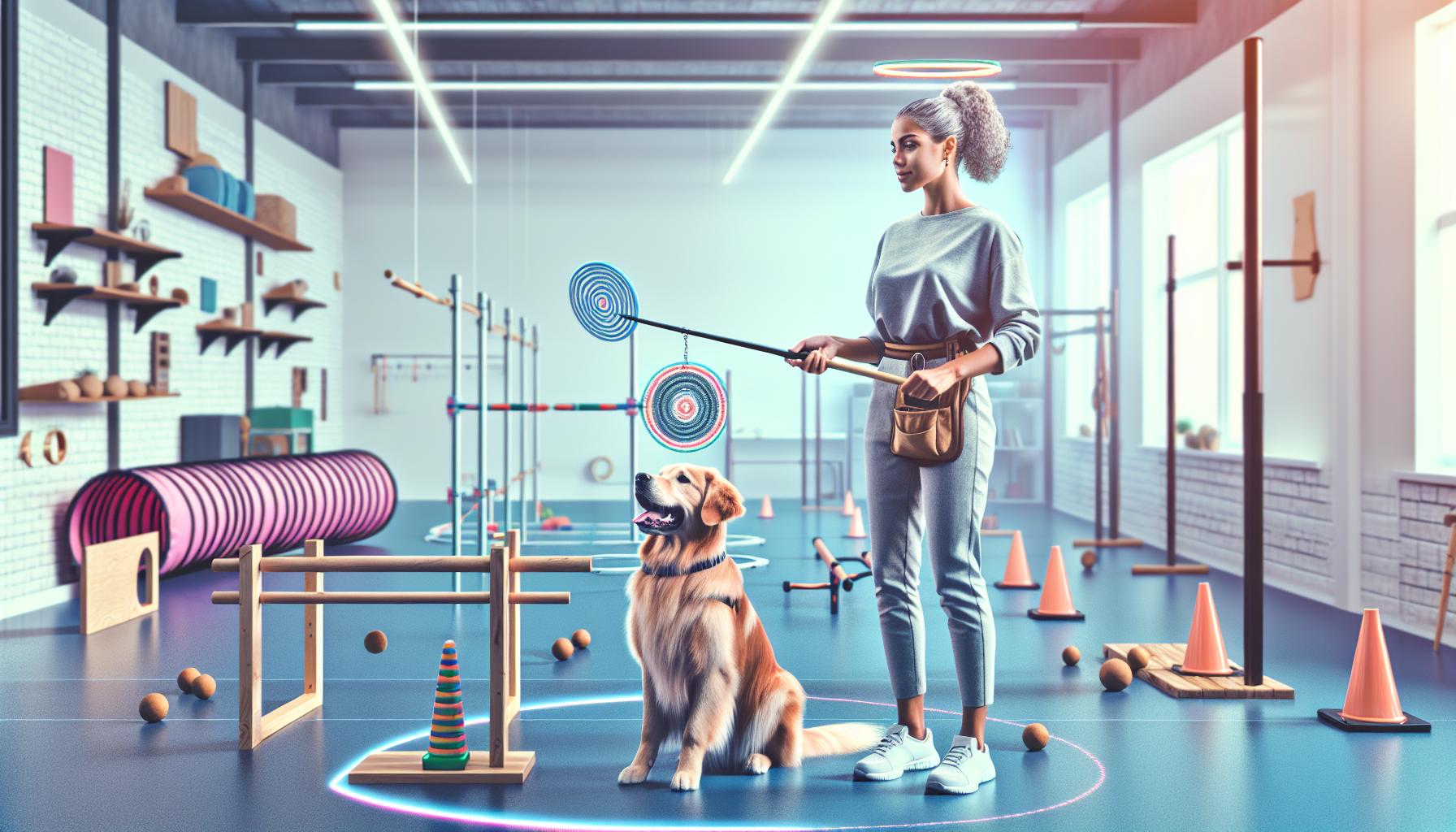
The Benefits of Clicker Training in Pet Education

The Fundamentals of Clicker Training
In the modern landscape of pet education, clicker training has gained significant popularity among trainers and pet owners across the United States. This method not only focuses on developing obedience but also fosters a deeper emotional bond between pets and their humans, making learning an enjoyable and engaging process.
At the core of clicker training is a straightforward device—the clicker. This small, handheld tool produces a distinctive sound when pressed, providing immediate feedback to pets when they exhibit desirable behaviors. This instant acknowledgment is crucial, as it conveys clarity about which action is being rewarded. For those who are new to this training method, the learning process begins with the pet associating the sound of the clicker with a positive outcome, such as a treat or praise. This condition sets the stage for effective communication and reinforcement.
Advantages of Clicker Training
- Positive Reinforcement: By focusing on rewarding good behavior rather than punishing undesirable actions, pets are more likely to repeat the behavior that gets them clicks and treats. For example, teaching a dog to sit can involve clicking and rewarding every time the dog sits on command, creating a positive feedback loop.
- Clear Communication: The sound of the clicker allows pets to instantly understand which action was appreciated. This clear cue eliminates confusion, especially in training scenarios where timing is everything. For instance, a cat learning to use a litter box can benefit from a click to reinforce the correct behavior right as it happens.
- Versatility: Clicker training is not limited to dogs; it can be successfully applied to various animal species, including cats, rabbits, and even birds. For instance, many bird owners use clicker training to teach their feathered friends tricks and ensure they develop social behaviors.
Applications and Success Stories
Clicker training proves useful for a wide range of behaviors—from teaching basic commands like “sit” and “stay” to more advanced tricks like “roll over” or even complex sequences of actions like fetching a specific toy. One remarkable example is the case of therapy animals; many therapy dogs are trained using clicker methods, which help them perform a variety of tasks to assist individuals in need.
Moreover, clicker training allows pets to learn at their own pace, which helps build their confidence. The emphasis on a stress-free learning environment promotes a sense of security for animals who may otherwise be anxious or fearful during training sessions. There are countless anecdotes from pet owners in the United States who have experienced remarkable transformations with their pets through clicker training—changing timid companions into confident performers.
As the popularity of this method grows, so does the wealth of resources available to those interested in exploring clicker training. From workshops to online tutorials and community groups, there is a community of enthusiasts eager to share their experiences and techniques. Consider diving into the world of clicker training for your pets, and witness a transformation in their learning journey and the joy it brings to your shared experiences.
DIVE DEEPER: Click here to discover more insights
The Advantages of Clicker Training for Pets
As pet owners delve into the various methods of training available, clicker training stands out not only for its effectiveness but also for the enriching experience it provides for both pets and their owners. This innovative training approach promotes a foundation of trust and understanding, leading to a cooperative learning environment. Unlike traditional training techniques that often rely on correction and control, clicker training embraces a more progressive, compassionate style that nurtures the relationship between humans and their furry companions.
One of the primary benefits of clicker training is its reliance on positive reinforcement. This approach emphasizes rewarding desirable behaviors rather than focusing on negative actions. By training pets to respond to specific cues with rewards, such as treats, pets develop a strong desire to engage in behaviors that lead to positive outcomes. For instance, when a dog reliably sits on command and receives a click followed by a tasty treat, it reinforces the idea that sitting is a behavior worth repeating. This strategy is particularly effective, as animals trained using positive reinforcement techniques have shown greater responsiveness overall.
Understanding Timing and Precision
Another key advantage of clicker training is its ability to provide immediate feedback. The sound of the clicker must occur precisely at the moment the desired action is performed, creating a clear association in the pet’s mind between the action and the reward. This timing aids in the clarity of communication and exponentially increases the likelihood that the pet will repeat the correct behavior. For example, during the training process, if a cat uses a scratching post and the owner clicks and rewards immediately, the cat learns more quickly that this behavior is desirable. This clarity might be lacking in verbal commands or physical corrections, where timing can easily become confused.
Versatile Applications Across Species
Clicker training is not only effective for dogs; it can be applied to a multitude of species, making it one of the most adaptable training techniques available today. The versatility of clicker training makes it a fantastic option for pet education across various animal types, including:
- Cats: Teaching cats to perform tricks or use light switches for food rewards.
- Birds: Training birds to mimic sounds or perform simple tasks.
- Rabbits: Encouraging litter box training or agility moves.
This broad applicability speaks to the method’s power—it transcends species and allows pet owners to discover what works best for their individual animals. The common thread that unites all these experiences is the harmonious interaction fostered through positive reinforcement and clear communication, making pet education a rewarding journey for both pets and their humans.
| Advantage | Explanation |
|---|---|
| Consistency in Training | Clicker training provides a consistent method for pets to recognize desired behaviors while being rewarded effectively. |
| Enhanced Communication | It bridges the gap between owner and pet, creating a clear channel of communication that fosters understanding and bonding. |
| Quick Learning | Pets often learn faster using a clicker as the sound is distinct and signifies an immediate reward, improving the overall learning process. |
| Positive Reinforcement | This method promotes a positive learning environment, making training an enjoyable experience for both pets and their owners. |
The beauty of clicker training lies in its simplicity and effectiveness. By utilizing a small handheld device, trainers can reinforce desirable behaviors with a distinct sound, followed by a reward, usually a treat or praise. This creates a strong association in the pet’s mind, enhancing their ability to learn new commands and tricks quickly. Moreover, this training method nurtures a deeper connection between the pet and its owner, as the interactive process fosters trust and cooperation. Studies have shown that pets trained with positive reinforcement techniques tend to exhibit fewer behavioral problems, promoting a harmonious living environment. Some pet owners have successfully used clicker training to curb unwanted behaviors, proving its versatility and effectiveness across a range of species and training contexts. Unquestionably, exploring the immense benefits of clicker training can transform any pet’s education experience.
DIVE DEEPER: Click here to discover more about enhancing your pet’s learning!
Enhancing Learning Through Clicker Training
In addition to its versatility across species, clicker training enhances the overall learning experience for pets. The method encourages pets to learn at their own pace, allowing them to explore and understand commands in a way that feels natural to them. This gradual approach can significantly reduce the anxiety that some animals experience during training sessions. For instance, a fearful or shy dog may find solace in the non-confrontational nature of clicker training, where the emphasis lies on positive outcomes and thoughtful interactions rather than punitive measures.
Fostering Mental Stimulation
Clicker training also provides crucial mental stimulation for pets. Animals, much like humans, benefit from challenges that stimulate their thought processes and problem-solving skills. Incorporating clicker training into daily routines can help keep pets engaged. For example, training a dog to perform a new trick or learn about new objects, like food puzzles, enhances cognitive agility. As they accomplish these tasks, pets experience joy and fulfillment, rewarding their learning journey with a sense of accomplishment. Moreover, mental engagement can help mitigate behavioral issues such as boredom or hyperactivity, leading to a more harmonious living environment for both pets and owners.
Strengthening the Human-Animal Bond
At the very heart of clicker training lies the enhancement of the bond between pet and owner. The method encourages frequent interactions filled with positive reinforcement, allowing the two to connect on a deeper level. This dynamic is particularly effective in building trust; for example, a pet that learns commands and receives praise and treats is likely to seek out the owner for guidance and companionship more willingly. The process of training becomes a collaborative endeavor—an opportunity for shared experiences that ultimately deepen their relationship.
Facilitating Better Behavior in Social Settings
Clicker training allows for better social interaction among pets and their surroundings. Basic obedience commands learned through this method prepare pets for public outings, ensuring they behave appropriately in various environments. For instance, a dog trained with a clicker to respond to commands like “stay” or “leave it” can navigate distracting situations more calmly. This skillset is particularly beneficial in urban settings, where encounters with other animals and people can be frequent. The predictability gained through training reduces potential conflicts and paves the way for more enjoyable outings for both pets and their owners.
Long-Term Retention of Skills
Research indicates that animals trained with clicker training retain learned behaviors longer than those taught using traditional methods. This phenomenon can be attributed to the positive associations created during the training process. The clicker sound, paired with a reward, fosters a lasting impression in the pet’s memory. For instance, a well-reinforced behavior like “sit” is likely to stick, even if the command is not practiced for some time afterward. This effectiveness means owners can spend less time re-training commands, making clicker training not only a more enjoyable experience but also a pragmatic one for busy households.
DISCOVER MORE: Click here to learn about the role of consistency in training
Conclusion
In conclusion, clicker training stands out as a transformative approach in pet education, offering a wealth of benefits that extend beyond mere obedience. This method engages pets mentally, fostering an environment where learning is not only effective but also enjoyable. By allowing pets to progress at their own pace, clicker training diminishes anxiety, making it an invaluable technique for both timid and exuberant animals alike.
The significant role of mental stimulation in mitigating behavioral issues reinforces the necessity of incorporating clicker training into daily routines. This training method not only nourishes cognitive development but also deepens the bond between pets and their owners, as each successful interaction paves the way for trust and companionship. Furthermore, clicker-trained pets exhibit remarkable behavioral improvements in social settings, enhancing their ability to navigate diverse environments with confidence.
Finally, the long-term retention of skills learned through clicker training presents a compelling case for busy pet owners. With longevity in memory retention and the reduced need for re-training, the method proves to be a pragmatic choice that aligns perfectly with the fast-paced lives of many families today. As we continue to explore effective ways to communicate and connect with our furry companions, clicker training stands out as a beacon of positive reinforcement and mutual respect. For those interested in exploring this innovative approach, a multitude of resources and communities are available to guide the journey towards a well-trained and happy pet.