The Art of Presentation: Plating Techniques to Impress Your Guests
Elevate Your Culinary Presentation
Creating an unforgettable dining experience involves more than just serving delectable dishes; it’s about crafting a feast that captivates the senses. When you consider the visual aspect of your meals, it transforms the entire dining affair into an artistic expression. With a few plating techniques, even a simple dish can take on an extraordinary appearance, enticing guests to indulge not only with their taste buds but with their eyes.
The aesthetics of a meal can significantly influence our perception of flavor and satisfaction. To impress your guests, pay attention to the following essential factors:
- Color: Incorporating vibrant ingredients can create a stunning visual palette. Think about adding bright red cherry tomatoes, vivid green herbs, or golden roasted vegetables. For example, a dish featuring seared scallops accompanied by a vibrant beet purée can make the plate pop.
- Texture: Mixing various textures adds depth to your presentation. Aim to create a balance of creamy, crunchy, and chewy elements. A perfect example could be a creamy risotto topped with crispy fried leeks, offering an exciting contrast that invites exploration.
- Height: Introducing height can bring a sense of drama and interest to the plate. For instance, stacking grilled vegetables or using a ring mold to create a layered effect with ingredients allows for a visually striking presentation. Dishes like a deconstructed burger with a stack of ingredients rather than a compressed patty create an engaging visual interest.
- Arrangement: The placement of each component on the plate can indeed narrate a culinary story. For example, a thoughtfully arranged charcuterie platter can guide the diners’ eyes through a journey of flavors, from tangy cheeses to savory meats, each element telling its own tale.
Each dish is an empty canvas, ready for a burst of creativity. The right plating techniques can elevate an everyday meal into an artistic masterpiece, making the act of dining a more immersive experience. Your aim should not only be to satiate hunger but to nourish the soul through the aesthetics of food.
From minimalistic designs that focus on a single star ingredient to elaborate presentations that showcase an array of flavors, mastering various plating techniques will greatly enhance your dining table’s appeal. Join us as we delve deeper into practical tips and innovative methods that spark culinary creativity, inspiring you to not only impress your guests but also leave them with a lasting impression of a dining experience they won’t soon forget.
DIVE DEEPER: Click here to enhance your revision skills
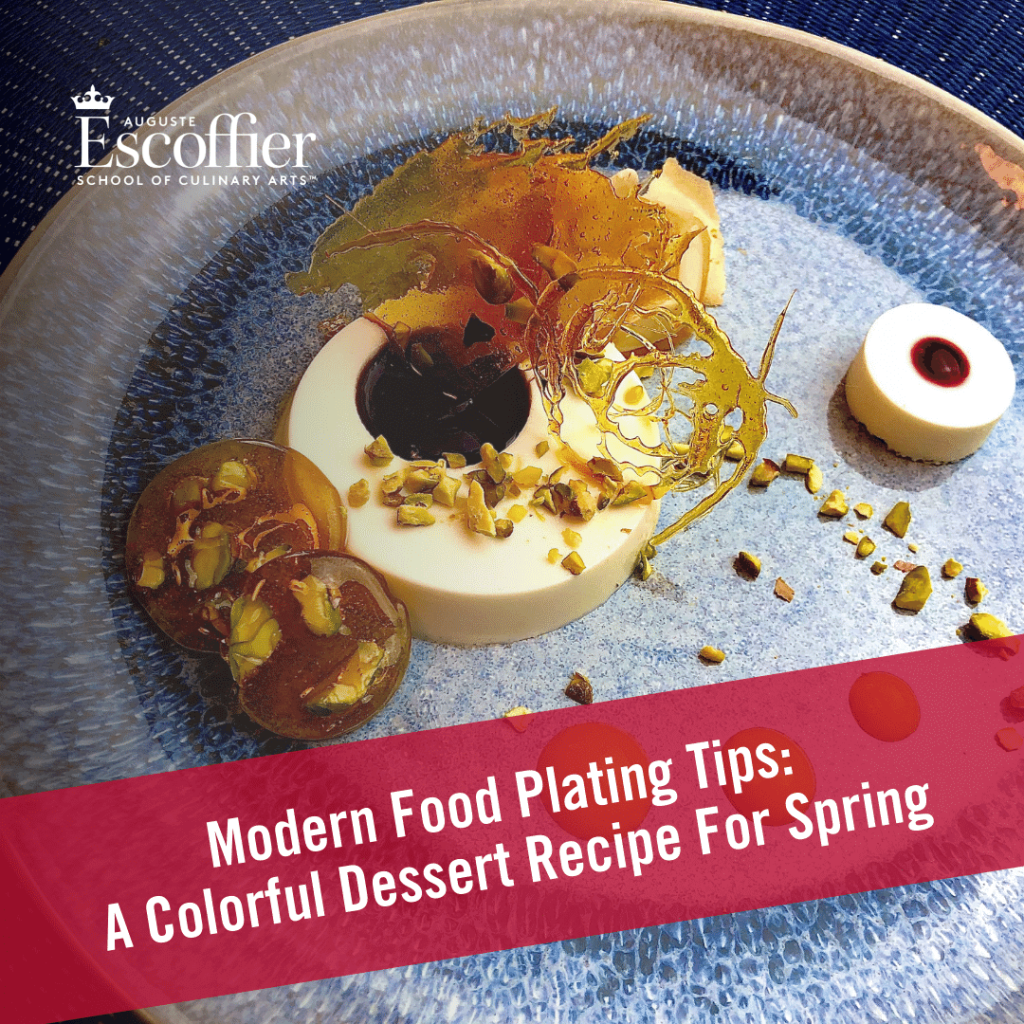
Mastering the Fundamentals of Plating
At the core of any stunning plate lies an understanding of fundamental plating techniques. These basic strategies set the stage for creativity and expression in your culinary presentations. By focusing on the elements of balance, harmony, and contrast, you will find that each dish can tell its own story through its visual appeal. Here, we break down the essential techniques to consider as you embark on your journey to elevate your dishes.
- Use of Negative Space: The arrangement of food on the plate should allow the dish to breathe. Negative space—the empty areas on the plate—can enhance the visual appeal of the dish and draw attention to the main components. Instead of overcrowding, try to utilize the plate’s surface to create a sense of openness and elegance.
- Color Harmony: Complementary colors can create a breathtaking visual impact. When choosing your ingredients, consider the color wheel and how various colors can play off one another. For instance, a green basil pesto drizzled over a creamy white burrata can create a stunning contrast that is both pleasing to the eye and the palate.
- Layering: Layering is a technique that adds dimension to your presentation. Utilizing different heights and textures can guide the diner’s experience from one flavor to another. For example, a tower of grilled shrimp, avocado, and mango can create an inviting and tropical visual escape.
- Garnishing Wisely: A well-placed garnish can turn a simple dish into a showstopper. However, it’s essential to ensure that your garnish not only adds visual appeal but also complements the dish. Fresh microgreens or edible flowers, for example, can provide color and a pop of freshness that enhances the dish’s overall flavor profile.
Incorporating these plating techniques can seem daunting at first, but practice and patience will lead you to improvement. Each plate is an opportunity for self-expression, merging both culinary skills and art. Discovering your personal style of presentation will invite enthusiasm and fun into your cooking, while simultaneously creating a dining atmosphere that feels both special and memorable for your guests.
Moreover, a well-thought-out presentation can serve to elevate the perceived value of your dish. Guests often connect the artistry of a meal with its quality. Therefore, investing time and creativity into your plating can yield impressive results that make even a simple dish feel extraordinary.
Exploring Advanced Techniques
Once you have mastered the basics, you can explore more advanced plating techniques that will undoubtedly wow your guests. Techniques such as employing sauces as a base, using foams and gels to add a modern twist, or experimenting with asymmetrical designs can take your culinary art to the next level. Each innovative approach allows you to express your creativity further, all while invigorating the dining experience.
Ultimately, the art of presentation is about embracing the opportunity to transform your meals into visually enchanting experiences. With thoughtful consideration and a dash of creativity, your dining table can become a canvas for picturesque culinary artistry.
| Plating Techniques | Advantages |
|---|---|
| Layering | Creates depth and visual interest, making dishes appear more gourmet. |
| Negative Space | Emphasizes the main components, enhancing the overall aesthetic of the dish. |
| Color Contrast | Bright colors engage the senses and elevate the dining experience. |
| Garnishing | Adds a burst of flavor and sophistication to your presentation. |
The art of presentation significantly impacts how guests perceive their meals. Layering, for instance, can transform a simple plate into a three-dimensional experience, inviting diners to explore each element. Utilizing negative space is a definitive technique that draws attention to the main ingredients, creating a focused visual narrative that engages patrons on a deeper level.Incorporating color contrast not only captures attention but can also evoke emotional responses, making your dish memorable. Furthermore, the final touch of garnishing should never be underestimated. A carefully chosen garnish can elevate the flavor profile and aesthetic appeal, ensuring that your presentation is both artistic and appetizing.These plating techniques not only impress guests but also provide opportunities for chefs to showcase their creativity and expertise. As presentations become more elaborate, the dining experience itself transforms, making every meal an occasion to remember. Discovering these techniques is just the beginning; as you explore, your culinary presentations will reach new heights, delighting your guests in extraordinary ways.
DIVE DEEPER: Click here to discover the transformative power of creative writing
Elevating Presentation with Modern Techniques
As you delve deeper into the world of plating, you’ll discover that modern culinary trends offer a plethora of plating techniques that can transform even the simplest dish into a work of art. By embracing creativity and leveraging contemporary styles, you can elevate your culinary creations and leave a lasting impression on your guests. Here are several advanced techniques worth exploring:
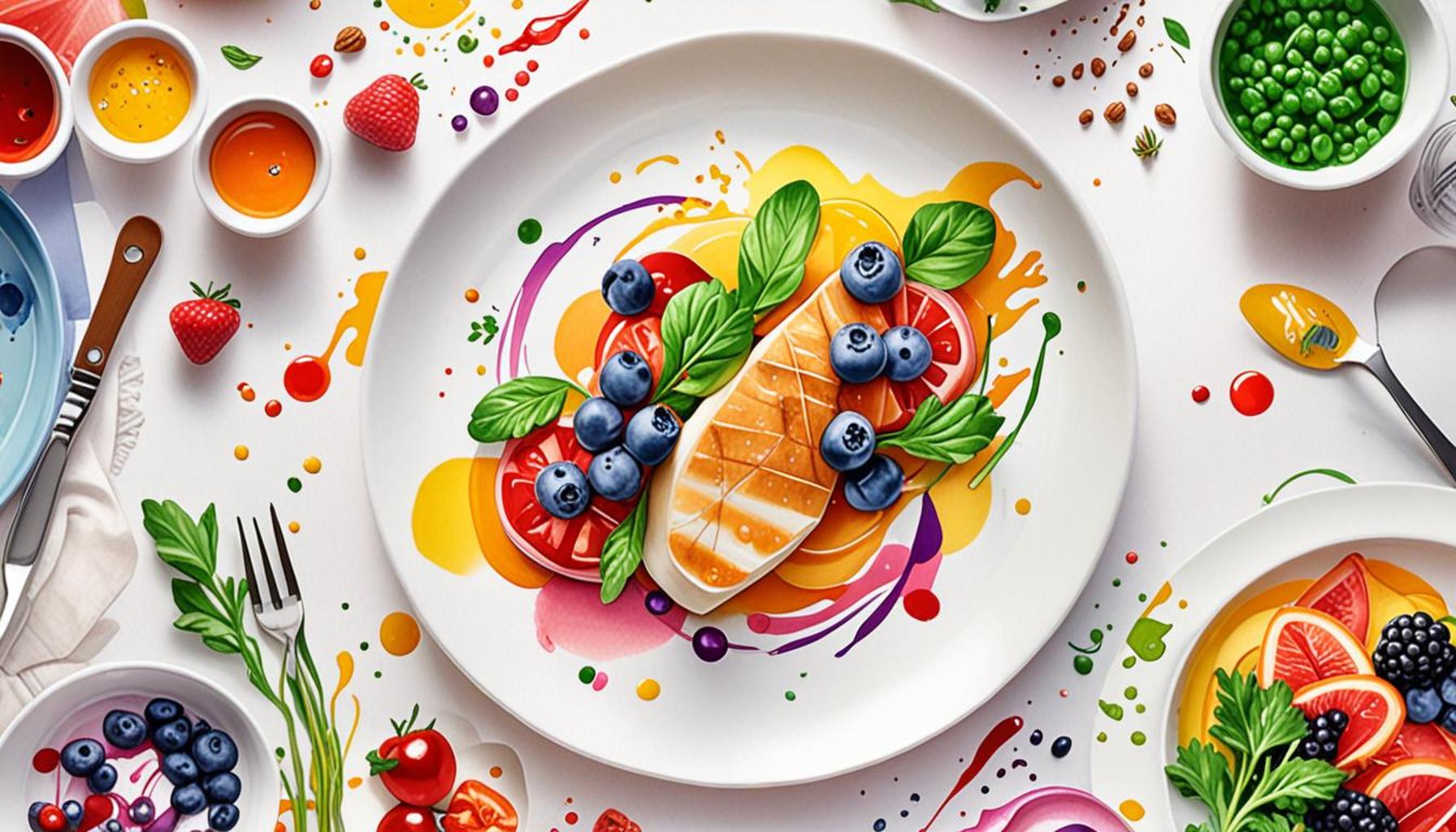
- Drizzling and Swooshing: Adding an artistic flair to your plate can be achieved by using sauces not just as a topping but as a part of the presentation itself. A carefully drizzled or swooshed sauce can create movement on the plate, drawing the eye toward the focal point of your dish. To perfect this, use squeeze bottles or spoons to control the amount and direction of the sauce, allowing for elegant lines and shapes that enhance the overall aesthetic.
- Utilizing Colored Purees: Purees made from vegetables, fruits, or herbs can add vibrant color and flavor without overwhelming other components. From a beetroot puree to contrast a creamy goat cheese to a bright carrot puree accompanying fish, these bases not only enhance taste but also create striking visuals. Aim for a smooth consistency that can be spread or spooned artistically across the plate.
- Sculptural Presentations: Go beyond traditional plating techniques by incorporating sculptural elements. This might involve stacking ingredients or creating vertical displays that capture attention. Think of a charcuterie tower or a light tower of vegetables that beckons guests to dig in. The 3D aspect creates excitement and encourages your guests to appreciate the dish from multiple angles.
- Playing with Textures: Texture can elevate the sensory experience of dining. Consider incorporating crunchy elements like toasted nuts or crispy chips atop a dish that is otherwise creamy or soft. This contrast can enhance your dish both visually and gastronomically, providing an engaging experience for your diners.
- Miniature Elements: In recent years, the trend of using smaller, individual servings has gained popularity. Smaller plates or bowls showcasing single portions allow for creativity and can convey a sense of portion control. Think of a single crab cake artfully placed alongside a dollop of sauce on a large plate. The uniqueness of each individual serving creates a personalized experience that guests will appreciate.
When using these modern techniques, it’s essential to maintain a sense of balance; busy plates can overwhelm the eye. Instead, focus on coherence between the flavors, colors, and shapes present on the plate. Each element you choose should enhance the others, creating a unified dish rather than a chaotic experience.
Moreover, innovative plating techniques also invite opportunities for storytelling. Each dish can share a narrative about the ingredients, the region they hail from, or the culinary techniques employed. For instance, a dish featuring locally sourced vegetables arranged in a manner reminiscent of a farmer’s market can invoke a sense of place and connection, enriching the dining experience for your guests.
As you continue to hone your plating skills, be sure to draw inspiration from both traditional and contemporary sources. Visiting top restaurants, exploring culinary blogs, or trying your hand at food photography can ignite ideas and fuel your passion for presentation. Remember, the goal is to captivate not just the taste buds but also the eyes, creating an unforgettable gastronomic experience that your guests will talk about long after the meal ends.
DIVE DEEPER: Click here to uncover more insights
Conclusion: The Impact of Stunning Plating
In mastering the art of presentation, you unlock a gateway to transforming ordinary meals into extraordinary experiences. As we’ve explored in this article, various plating techniques, from creative sauce applications to the integration of texture and miniature elements, play a pivotal role in captivating your guests’ attention. Each dish becomes more than mere sustenance; it evolves into a canvas that tells a story and invites conversation.
The beauty of plating lies in its subjectivity and adaptability. With each table setting, you have the opportunity to evoke emotions and stimulate the senses through thoughtful arrangements and vibrant colors. Imagine a dinner party where each dish isn’t just a meal but a visual masterpiece that compels your guests to share and savor every moment. By incorporating modern techniques and balancing flavors and aesthetics, you can create a memorable dining experience that resonates long after the last bite.
As you embark on this creative journey, keep in mind the principles of coherence and storytelling in your presentations. Drawing inspiration from diverse culinary cultures, personal experiences, and innovative chefs will enrich your approach to plating. Embrace experimentation, refine your skills, and allow your passion for food and art to flourish. The more effort you put into your presentations, the more you’ll inspire admiration and delight among your guests. So, elevate your culinary artistry, and let your plates do the talking; after all, an impressive plate is the first step to a remarkable meal.