The Art of Calligraphy: The Beauty of Writing as a Form of Personal Expression
Unveiling the Beauty of Calligraphy
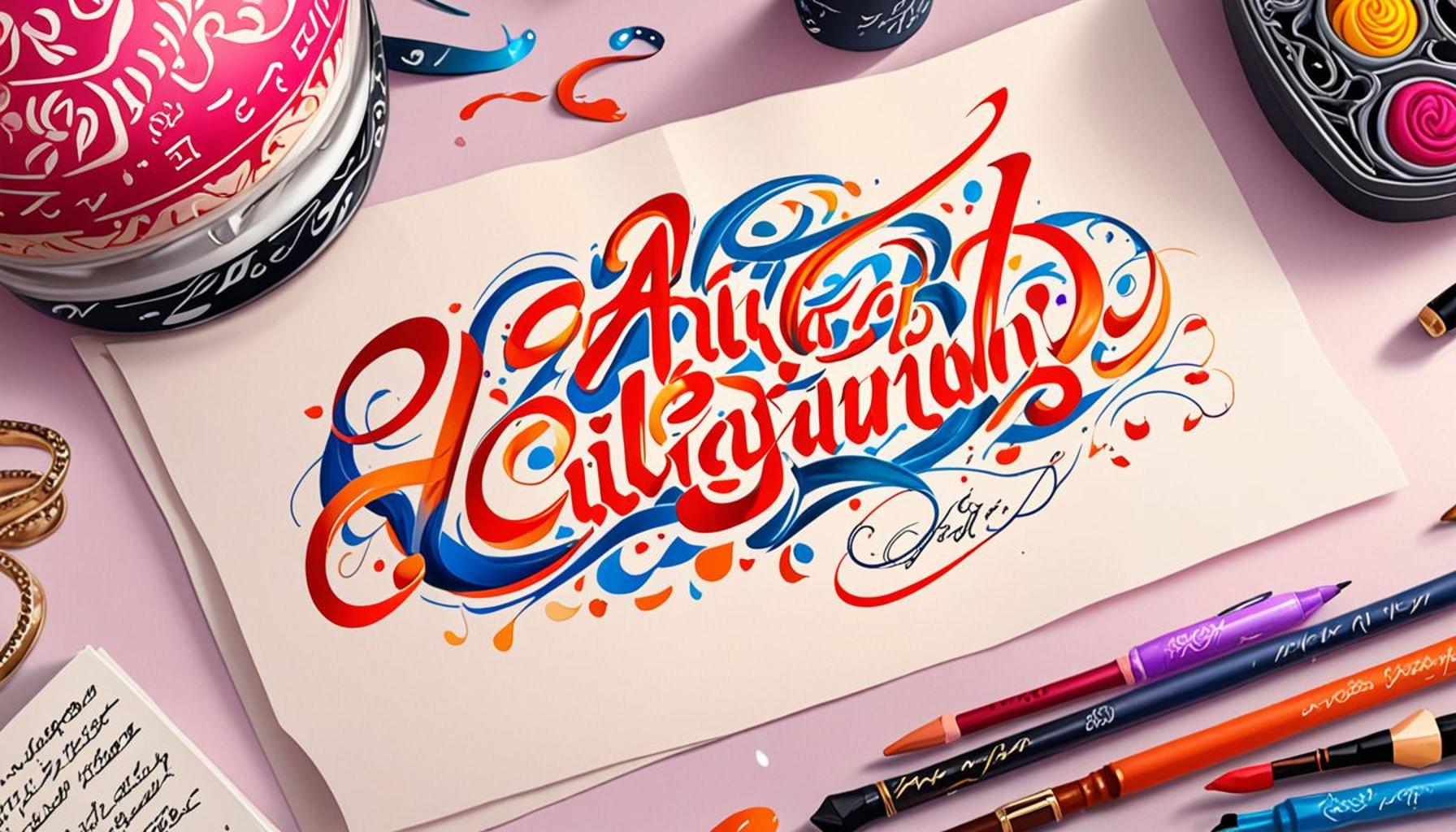
Calligraphy is an exquisite art form that transcends mere writing; it is a vehicle of expression where letters transform into art. Each stroke carries the weight of emotion, culture, and history, allowing individuals to convey their thoughts and feelings in visually captivating ways. Through careful control of the pen or brush, calligraphers bring life to their words, creating something that can be appreciated not just for its message, but for its beauty.
The history of calligraphy is as diverse as the cultures that have embraced it. It traces back to ancient civilizations, from the hieroglyphics of Egypt to the delicate brushwork of Chinese calligraphy originating over 2,500 years ago. In these traditions, the written word was considered sacred; skilled calligraphers were revered as artists and scholars. For example, in China, calligraphy is not simply about crafting letters; it is about instilling balance, harmony, and personal expression into each character.
- Historical Roots: As calligraphy spread, it developed unique styles in varying regions. The Arabic script evolved into stunning floral and geometric forms, exemplified in the exquisite works seen in Islamic art. Meanwhile, in Europe, the Gothic script emerged during the Middle Ages, characterized by its ornate and dramatic letters.
- Various Styles: Calligraphy encompasses a broad range of styles. In the United States, contemporary calligraphers might explore Italic, Copperplate, and modern brush lettering. Each style offers unique tools and techniques, such as the pointed pen used in Copperplate or the broad-tipped pen used in Gothic lettering.
- Modern Applications: Calligraphy has rediscovered its place in today’s society, enhancing everything from wedding invitations to art installations. Graphic designers frequently incorporate calligraphy into logos and branding to evoke a sense of elegance and authenticity, bridging the gap between contemporary and traditional aesthetics.
Golfing or knitting may seem like the go-to hobbies, but calligraphy’s growing popularity attracts those seeking mindfulness and creativity. Whether you’re an experienced artist or just beginning your journey, the process of confronting a blank page with a pen can be liberating. Engaging in calligraphy not only fosters creativity but also promotes focus and patience as each letter unfolds with intentionality.
As we explore the enchanting world of calligraphy, we invite you to delve deeper into this timeless craft. By appreciating its historical significance, experimenting with different styles, and recognizing its modern applications, you can elevate your own communication while discovering a rewarding form of personal expression. Allow the elegance of calligraphy to inspire you on your creative journey!
DIVE DEEPER: Click here to discover the fusion of words and visuals
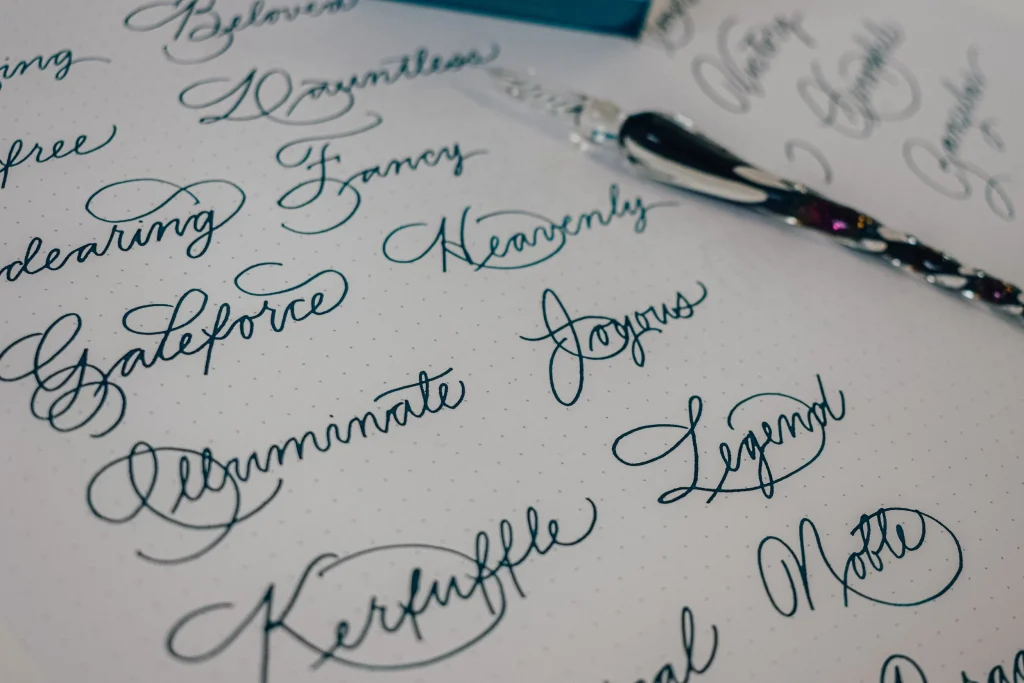
The Enduring Allure of Calligraphy Styles
In the realm of personal expression, calligraphy emerges as a dynamic art form that resonates with individuals across various cultures. Its ability to capture emotions in the elegance of letterforms draws hobbyists and professionals alike into its enchanting world. The beauty of calligraphy lies not only in its aesthetics but also in the immense variety of styles it encompasses. Each style carries its own history, techniques, and emotional depth, inviting enthusiasts to explore a spectrum of artistic expression.
Historical Influence on Calligraphy Styles
The art of calligraphy reflects the evolution of language and culture throughout history. Each cultural context born from the need for communication has influenced distinctive styles of writing that remain relevant today. The following highlights some prominent calligraphy styles that reflect the rich tapestry of historical significance:
- Chinese Calligraphy: Regarded as one of the highest forms of art in China, this style emphasizes the spiritual connection between the artist and the characters. Various styles such as Seal Script, Clerical Script, and Regular Script have developed over centuries, showcasing the poet’s intent through sweeping strokes and balance.
- Arabic Calligraphy: A visual representation of the beauty of the Arabic language, Arabic calligraphy thrives in its fluid lines and intricate patterns. It is often seen in religious texts and architecture, showcasing the art’s beauty intertwined with spirituality.
- Western Calligraphy: Emerging through medieval Europe, styles such as Carolingian and Gothic have made significant impacts on Western typography. The flourishing scripts of the Renaissance period introduced a sense of grace and embellishment, inspiring contemporary trends in calligraphy.
The Transition to Modern Calligraphy
As we progress through time, modern calligraphy has gained traction within creative circles in the United States and around the world. This contemporary approach celebrates individuality, often merging various styles and techniques to create personalized expressions. With the advent of social media platforms, aspiring calligraphers showcase their work, inspiring others to embark on their artistic journeys. Social media has provided a space where tutorials, techniques, and innovations can be easily shared, fostering a community around this traditional craft.
Furthermore, tools and materials have evolved, making calligraphy more accessible than ever. From pointed pens to brush pens, the supply of calligraphic instruments allows practitioners to explore different techniques and styles, whether they are creating a whimsical greeting card or a traditional piece of art. The renewed interest in handlettering and modern calligraphy gives people the opportunity to express themselves authentically, whether through personal journaling, custom invitations, or inspiring wall art.
Within this artistic exploration, calligraphy emerges as not just a skill, but a meaningful form of personal expression, binding creativity and personal significance together. As each letter unfolds, calligraphers create tangible representations of their thoughts, passions, and artistic identities, encouraging deeper connections with their craft.
The Art of Calligraphy: The Beauty of Writing as a Form of Personal Expression
Calligraphy is more than just a writing technique; it is a beautiful form of personal expression that intertwines art with the written word. This unique craft has been celebrated across cultures for centuries, as it transforms the simple act of writing into a mesmerizing visual experience. With every stroke of the pen, calligraphy not only conveys information but also encapsulates emotions, creativity, and individuality.
Engaging in calligraphy offers a multitude of benefits. It encourages mindfulness and focus, acting as a meditative practice that allows individuals to disconnect from the chaos of life and immerse themselves in the art form. By practicing calligraphy, enthusiasts enhance their fine motor skills and hand-eye coordination, fostering a deepened connection with their creative side.
Moreover, calligraphy is an excellent medium for preserving and sharing personal stories. Whether through letters, invitations, or decorative art pieces, each handwritten piece reflects the unique touch and personality of its creator. This intimate connection creates a lasting impact on recipients, as they receive something tangible and profoundly personal.
| Advantage | Description |
|---|---|
| Creativity Boost | Enhances creative expression through unique lettering styles. |
| Mindfulness | Promotes concentration, reducing stress by focusing on the flow of writing. |
Additionally, the resurgence of interest in traditional arts has emphasized the importance of calligraphy in today’s digital age. As we increasingly communicate through screens, the appreciation for handwritten artistry grows, making it a coveted skill in personal and professional realms. Calligraphy, therefore, stands as a testament to the enduring power of the written word in an ever-evolving world.
DISCOVER MORE: Click here to dive into exotic recipes
The Personal Connection: Calligraphy as a Therapeutic Outlet
As more people seek creative outlets to express their emotions and thoughts, calligraphy has emerged as a powerful tool for personal reflection and meditation. In today’s fast-paced world, the act of slowing down to create beautiful handwritten letters offers a sanctuary for the mind. Calligraphy allows individuals to focus on their breathing and rhythm, transforming the act of writing into a calming ritual that fosters mindfulness.
The Meditative Quality of Writing
Studies have demonstrated the therapeutic benefits of handwriting, with experts suggesting that the physical act can reduce stress and increase emotional well-being. Calligraphy invites practitioners to engage with the flow of their thoughts, providing a creative release from daily pressures. The tactile sensation of guiding a nib or brush across the paper enhances cognitive processing, allowing the calligrapher to connect more profoundly with the content of their writing. This unique process often acts as a form of self-expression, offering insights into inner thoughts that may otherwise remain unarticulated.
Connection Through Customization
Another fascinating aspect of calligraphy lies in its potential for personalization. Calligraphers have the ability to transform text into stunning visual art, enabling individuals to commemorate special moments or convey personalized messages in a way that resonates deeply. Whether through custom wedding invitations, thoughtful quotes handwritten on wedding signs, or beautifully penned love letters, calligraphy adds an intimate layer to communication.
- Unique Gifts: In a digitized world dominated by emails and text messages, a handcrafted calligraphy piece serves as a unique and heartfelt gift. From personalized quotes matted and framed to bespoke stationery sets, these artistic expressions evoke a sense of sincerity that mass-produced items cannot replicate.
- Memorial Pieces: Calligraphy can also play a role in commemorating cherished memories, such as creating tribute pieces featuring the names and dates of loved ones, or crafting artistic representations of significant events in one’s life, allowing individuals to hold their memories close in art form.
Community Building Through Calligraphy
Moreover, calligraphy has fostered a sense of community among enthusiasts, as local workshops, online classes, and social media groups bring together individuals who share a passion for this art form. These gatherings provide space for judgment-free exploration, where participants can learn from one another, share techniques, and celebrate their creative breakthroughs. Many calligraphers find that joining a community fosters friendships, allowing them to connect with others over their shared love for the craft, while also encouraging personal growth and improvement.
In this way, calligraphy transcends its traditional perception, evolving into a medium that connects individuals not only with their artistic selves but also with each other. The interplay of history, technique, and personal flair blends beautifully as calligraphers continue to redefine the language of expression, one stroke at a time.
DISCOVER MORE: Click here to uncover how social media shapes musical discovery
Conclusion: Embracing Calligraphy as a Lifelong Journey
In an era where digital communication often overshadows the handwritten word, calligraphy stands out as a powerful medium of personal expression. The age-old art of beautiful writing not only offers a chance to create visually stunning pieces but also serves as a profound therapeutic practice, encouraging individuals to slow down, breathe, and create. As explored, the meditative nature of calligraphy fosters mindfulness that can promote emotional well-being, turning an ordinary act into a personal sanctuary.
Beyond its therapeutic benefits, calligraphy enables a unique form of connection, allowing individuals to infuse personal stories and emotions into their written words. Through customization, calligraphy transforms mundane texts into cherished memories, be it a wedding invitation or a thoughtful love letter. Such creations not only resonate on a personal level but also evoke a sense of nostalgia in our fast-paced, digital-driven lives.
Moreover, the vibrant communities surrounding calligraphy—through workshops, online forums, and social media—further enrich the experience, providing a platform for collaboration, inspiration, and shared growth. This sense of belonging cultivates new friendships and nurtures a collective appreciation for the art form, proving that calligraphy is more than just a skill; it is a journey of continual learning and personal development.
As we continue to explore the depths of calligraphy as an art form, let us embrace its multifaceted beauty not only as a means of communication but as a true expression of our innermost selves. In a world clamoring for authenticity, calligraphy invites us to cherish the handwritten word, reminding us that there is power in our unique strokes and signatures.