
Techniques of Traditional Craftsmanship: Rediscovering Ancestral Methods for New Generations
The Resurgence of Traditional Craftsmanship
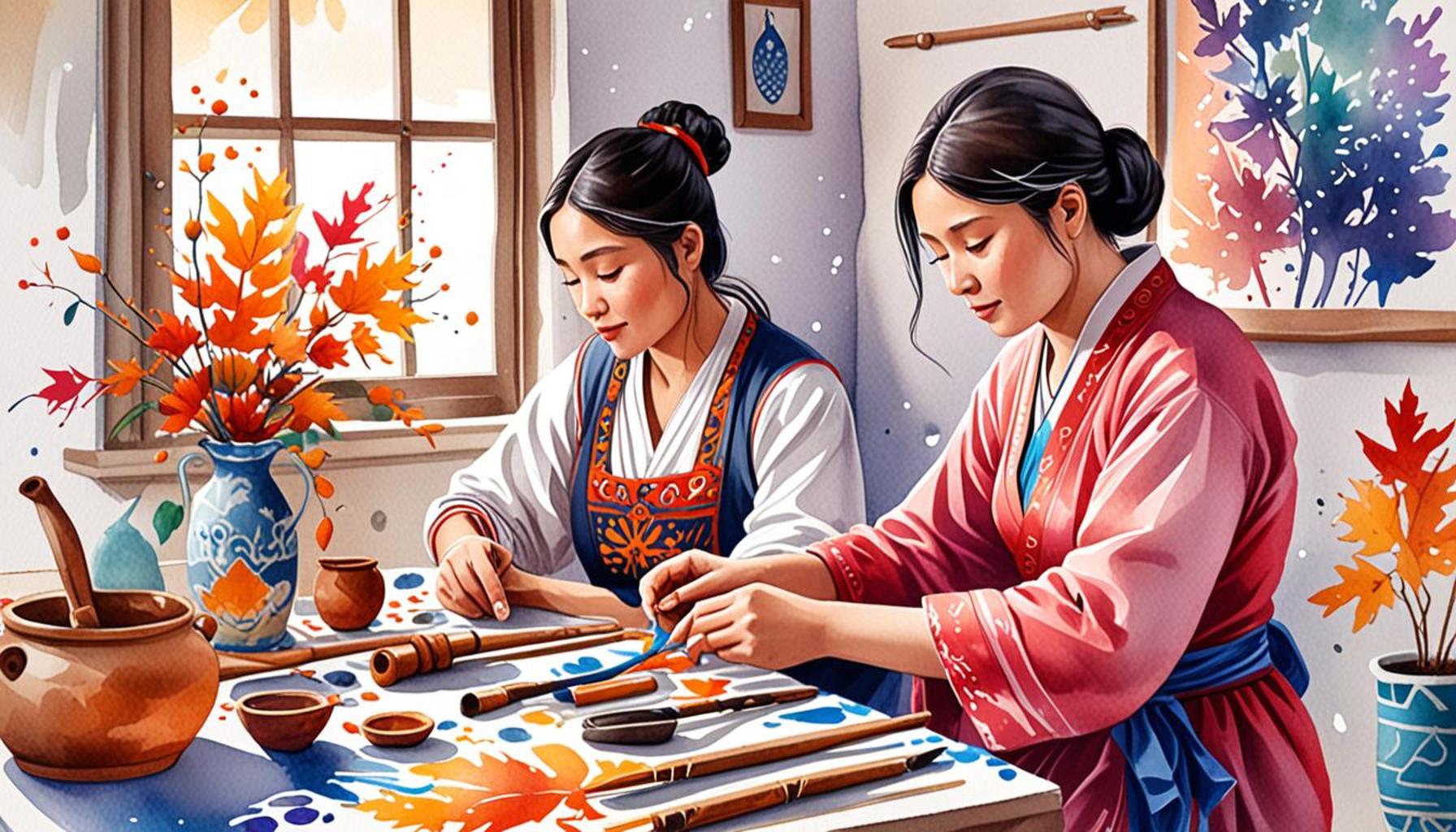
In an age dominated by rapid technological advancements, there is a burgeoning interest in the enduring allure of traditional craftsmanship. As modern society races forward, many are turning back to their roots, yearning to uncover the skills and techniques that shaped their cultures and communities. The rise of minimalist lifestyles and an intensified focus on sustainability have further accelerated this movement, revealing a deep-seated desire to connect with heritage.
These time-honored methods are not merely relics of the past; they hold significant value for today’s generations. The renewed passion for traditional crafts serves multiple purposes, as seen in various aspects of contemporary life:
- Skill Development: Engaging with traditional crafts fosters a sense of patience and precision. For instance, pottery requires meticulous handwork to create unique forms, and this attention to detail cultivates a meticulous mindset that can benefit personal and professional pursuits. Similarly, blacksmithing, a craft that dates back thousands of years, demands rigorous practice and a keen understanding of materials, enhancing focus and skill through repetitive mastery.
- Cultural Heritage: Each craft carries unique stories, histories, and identities. For example, quilting has a rich tradition in the Southern United States, where patterns often reflect the stories and struggles of past generations, imbuing each quilt with a sense of place and meaning. By learning these crafts, individuals not only acquire skills but also embody and transmit these narratives to the next generation, preserving cultural identities.
- Sustainable Practices: Traditional techniques often employ eco-friendly materials and methods. The resurgence of interest in natural dyeing for textiles, such as indigo or plant-based colors, signifies a shift toward environmentally responsible crafting that contrasts sharply with synthetic alternatives. This choice not only supports ecological balance but also promotes a mindful approach to consumption.
From woodworking in Appalachia to textile weaving in New Mexico, the United States boasts a rich tapestry of craftsmanship. Communities are coming together to:
- Revive Lost Arts: Workshops and courses are being established to teach these skills. Organizations like the Appalachian Craft Center are pivotal in fostering workshops on traditional techniques, offering hands-on experiences that reignite interest and expertise in forgotten crafts.
- Encourage Local Economies: Artisans are promoting their crafts through local markets. Farmers’ markets and art fairs provide venues where local artisans can showcase their work, thus stimulating economies while also creating platforms for cultural exchange. As buyers discover the stories behind each creation, they nurture a sense of community.
- Inspire Creativity: New artisans use traditional methods to reinterpret modern designs. Many craftspersons are blending ancestral techniques with contemporary aesthetics, such as using historic wood joinery in modern furniture, thereby appealing to a broader audience while preserving the craft’s integrity.
As younger generations embrace these skills, they not only preserve a legacy but also find new ways to apply them. Whether through the revival of traditional baking practices or the resurgence of handmade items in everyday life, these crafts enrich the cultural landscape. The movement toward traditional craftsmanship is reshaping our relationship with craft and culture, inviting everyone to explore the beauty of the past while paving the way for a sustainable future.
DIVE DEEPER: Click here to uncover more about music’s

The Techniques that Reshape Culture
The craftsmanship of yesteryear encompasses a wide array of techniques honed over centuries, each reflecting the culture and environment from which they emerged. Today, as individuals seek to reconnect with their heritage, these techniques are being rediscovered, offering new generations opportunities to learn and apply ancestral skills. This revival is not merely nostalgic; it is an exploration of creativity, sustainability, and community, allowing craftspeople to breathe new life into age-old practices.
As we delve deeper into these traditional craftsmanship techniques, we uncover various categories that exemplify this rich methodology. Each technique serves as a repository of knowledge, carrying whispers of the past into today’s context:
- Woodworking: This age-old technique combines precision with artistry. From the intricate joinery seen in Shaker furniture to the bold forms of contemporary wooden art, woodworking reflects a harmonious balance between function and aesthetics. The meticulous practice of hand-carving, for instance, allows artisans to create unique pieces that tell a story. Workshops in regions like the Pacific Northwest are reviving interest in traditional carving methods, giving participants a chance to create heirloom-quality items.
- Textile Crafts: Techniques like weaving, dyeing, and embroidery exemplify the cultural richness embedded in textile arts. The revival of methods like Navajo rug weaving not only supports economic development but también cultivates an appreciation for the fine craftsmanship that goes into each piece. Modern-day artisans are applying traditional dyeing techniques using natural substances sourced from local flora, creating sustainable textiles that resist the disposability of fast fashion.
- Pottery and Ceramics: Pottery offers a tactile connection to our ancestors, allowing individuals to mold clay into functional art. Techniques such as wheel throwing and hand-building are making a comeback, as people appreciate the beauty of handmade pottery over mass-produced items. Pottery classes are sprouting across urban studios, enabling enthusiasts to delve into the rich traditions of indigenous nations, where pottery often serves as a canvas for storytelling.
In addition to honing practical skills, the exploration of these techniques encourages new conversations. The act of creating with one’s hands promotes a mindful approach to consumption, resonating with the minimalist ethos many are adopting. Artisans often emphasize the journey over the final product, leading to a fulfilling creative process that stands in stark contrast to the fast-paced commodity culture.
Moreover, the environmental implications of traditional craftsmanship cannot be overstated. As artisans utilize locally sourced materials and traditional methods that are less harmful to the earth, they showcase a commitment to sustainable practices. The methods passed down through generations often prioritize ecological balance, highlighting a stark divergence from modern methods reliant on synthetic materials. This intentional approach not only nurtures the planet but also enriches the community by weaving a sense of collective responsibility into the craft.
As new generations immerse themselves in these traditional techniques, they cultivate a profound appreciation for their heritage, breathing life into age-old practices while simultaneously forging new pathways. With every piece created, artisans contribute to the rich narrative of craftsmanship, attracting more individuals eager to discover the stories, skills, and sustainable practices within their reach.
Understanding the Revival of Traditional Craftsmanship
The resurgence of traditional craftsmanship embodies a significant cultural revival, highlighting the importance of ancestral techniques in today’s rapidly evolving world. As new generations become increasingly disenchanted with mass production, they are seeking authenticity and sustainability in their choices. This quest drives interest in traditional craftsmanship, which offers not only a connection to the past but also an opportunity for innovation.
The Art of Skilled Hands
At the heart of traditional craftsmanship lies the mastery of manual skills. Craftspeople have honed their techniques over generations, producing unique and high-quality products often unmatched by machine-made items. From pottery and weaving to woodworking and metalworking, these skills are rich in history and narrative, adding depth to each handmade piece.
Sustainability and Ethical Production
With the rise of sustainable practices, there is a newfound appreciation for the eco-friendliness of traditional methods. By rediscovering ancestral techniques, today’s artisans often utilize local materials and time-honored practices that minimize environmental impact. This holistic approach appeals to consumers looking for products that tell a story and support ethical production.
Cultural Heritage and Education
Educational initiatives aimed at teaching traditional crafts are growing in importance. Workshops and programs are popping up around the globe, allowing both youth and adults to learn old techniques, thus ensuring the survival of these skills. The intergenerational transfer of knowledge enriches communities and reinforces cultural identity.
Featured Table on the Benefits of Traditional Craftsmanship
| Category | Characteristics |
|---|---|
| Artisanal Quality | Each piece is meticulously crafted, showcasing the unique style of the artisan. |
| Cultural Significance | Products reflect regional traditions and stories, bridging the gap between generations and cultures. |
This table outlines some of the compelling features of traditional craftsmanship, drawing attention to the importance of artisanal quality and cultural significance. These elements not only enhance the value of individual pieces but also strengthen community ties, inviting enthusiasts to explore the world of craftsmanship that surpasses mere consumerism.
DISCOVER MORE: Click here to dive deeper
Revitalizing Craftsmanship Through Community and Innovation
As the allure of traditional craftsmanship spreads, the landscape has shifted from isolated artisanal practices to vibrant community-focused initiatives. Local guilds, workshops, and makerspaces are emerging across the United States, serving as hubs for those eager to explore their creativity through traditional techniques. These communal spaces offer access to essential tools, mentors, and an environment for collaboration—a vital aspect in ensuring that ancient skills are absorbed and adapted by modern creators.
In cities like New York, organizations such as the Harlem Needle Club demonstrate the power of community in reviving textile arts. This initiative fosters skills in needlework while creating a support network that emphasizes creativity and collaboration among participants. Similar groups nationwide focus on specific materials and techniques, from natural dyeing to weaving and quilting, promoting not just craftsmanship but a sense of belonging. By encouraging participants to work together, traditional crafts evolve, merging innovative designs while retaining historical significance.
The Digital Age: Bridging Past and Future
The digital age offers a unique platform to amplify the reach of traditional craftsmanship. Online workshops and tutorials provide access to a broader audience than ever before. Artisans can now share their techniques and stories with learners worldwide, democratizing access to invaluable knowledge. Platforms like Instagram and YouTube have become essential resources for artisans, who showcase their processes, thus inspiring a new generation to engage with these traditions.
Moreover, social media allows artisans to cultivate their brands, creating an awareness of their cultural roots while also reformulating their crafts for contemporary tastes. For instance, traditional quilt-making practices have seen a resurgence, as quilters blend ancestral techniques with modern fabric choices and design aesthetics, resulting in pieces that honor the past while appealing to present-day sensibilities. This blend of tradition and innovation encourages not only the preservation of techniques but also their evolution.
Education’s Role in Craftsmanship Revitalization
Integrating traditional craftsmanship into educational curricula is essential for nurturing appreciation among younger generations. Art programs in schools increasingly integrate hands-on projects that emphasize traditional skills, ensuring that students not only learn historical contexts but also develop practical abilities. High schools and community colleges across the nation are adopting programs that focus on glassblowing, woodwork, and pottery, allowing students to engage with craftwork creatively and academically. Through these programs, students often find new passions that lead them to pursue careers in design or the arts.
Such educational endeavors give rise to organizations that expand past regular schooling, engaging different communities. Initiatives like Crafting the Future aim to offer scholarships and mentorship programs to underrepresented communities in the field of craft. This not only opens doors for aspiring artisans of various backgrounds but also enriches the artistic landscape with diverse perspectives and techniques, fostering a richer cultural tapestry.
As traditional craftsmanship techniques gain prominence, they serve as a vital link to our collective history. By intertwining community, innovation, and education, newer generations not only inherit these ancestral methods but also adapt them to reflect contemporary values and aesthetics. Reviving these arts in this manner plays an essential role in maintaining cultural diversity and ensuring the sustainability of craft traditions as living, evolving symbols of human creativity.
DISCOVER MORE: Click here to delve into the impact of technology on music
Embracing the Legacy of Traditional Craftsmanship
As we explore the fascinating world of traditional craftsmanship, it becomes abundantly clear that these time-honored techniques are more than mere artifacts of the past; they are vibrant and living traditions that can enrich contemporary life. By fostering a sense of community and promoting collaboration through initiatives, workshops, and online platforms, artisans and craft enthusiasts not only preserve these methods but also innovate upon them, creating a dynamic interplay between history and modernity.
The integration of traditional craftsmanship within educational systems ensures that younger generations are not just passive recipients of cultural knowledge but active participants in its evolution. Through programs that emphasize hands-on learning and accessibility, students can forge genuine connections with their heritage while developing valuable skills. This makes traditional techniques relevant and exciting for today’s youth, as they adapt these methods for new contexts and design aesthetics.
The revitalization of traditional crafts also underscores a collective responsibility to safeguard cultural diversity. By inviting diverse voices into the conversation, organizations like Crafting the Future emphasize inclusivity and pave the way for a richer narrative in craftsmanship. The resurgence of interest serves as a reminder that these ancestral practices are not static; they breathe, change, and flourish in the hands of those willing to learn and innovate.
In conclusion, the journey of rediscovering techniques of traditional craftsmanship is an invitation for everyone—whether seasoned artisans or curious novices—to engage with our shared human history. By harnessing the power of community, technology, and education, we not only breathe new life into these timeless methods but also ensure that they continue to inspire creativity and connection for generations to come.