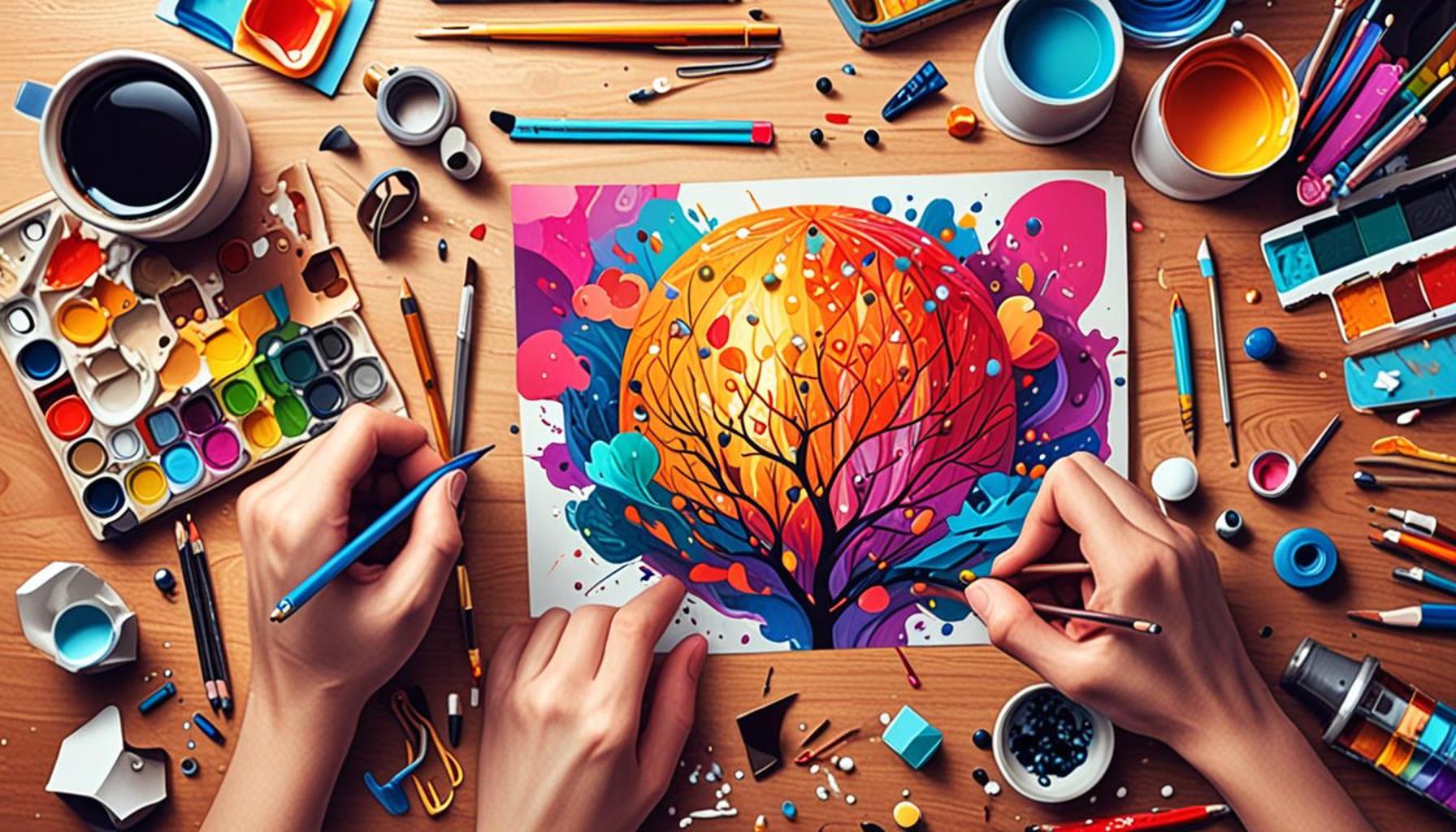
Sustainable Craft Techniques: Connecting Creativity and Environmental Awareness
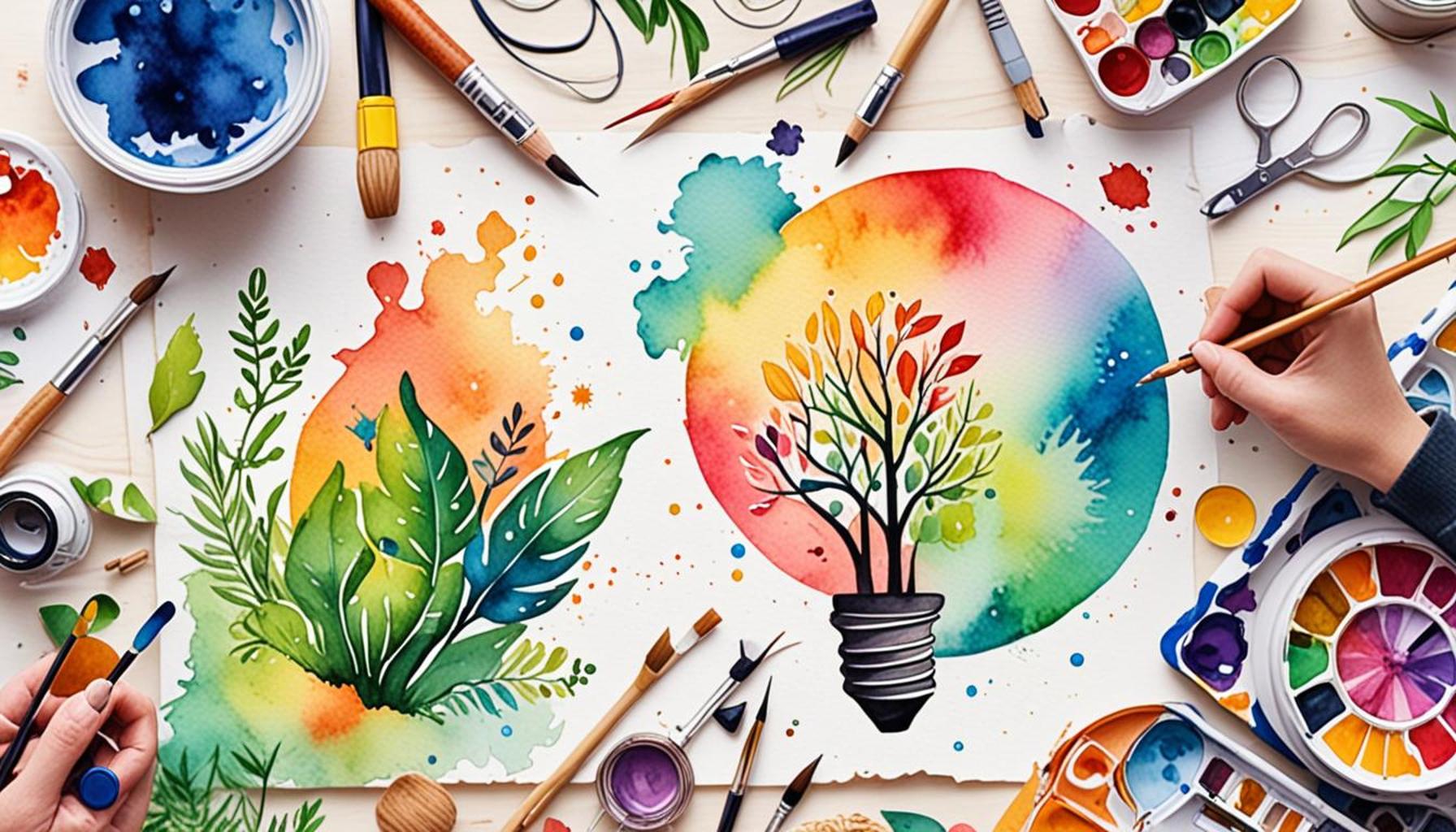
Embracing a Greener Artistic Journey
Crafting is not just a hobby; it is a profound way to express creativity while fostering environmental awareness. In today’s world, where sustainability is crucial, integrating sustainable craft techniques into your creative process can make a significant impact. By being intentional about the materials you use and the methods you employ, you can contribute to a more sustainable future while exploring your artistic side.
Many artisans are now prioritizing eco-friendly practices for a variety of reasons, including:
- Minimizing Waste: Utilizing leftover materials reduces landfill contributions. For instance, quilters often use fabric scraps to create patchwork items, transforming waste into beautiful functional art. Similarly, furniture makers may repurpose wood remnants into smaller items like coasters or picture frames.
- Natural Materials: Choosing organic or repurposed resources ensures a lower environmental footprint. Crafters can opt for paints made from natural ingredients or sustainable alternatives like bamboo yarn, which not only feels luxurious but is also biodegradable.
- Community Support: Sourcing from local suppliers encourages sustainable economies. Purchasing materials from local artisans or farms not only ensures that your materials are fresh and often more sustainable, but it also strengthens community ties and promotes local craftsmanship.
Moreover, sustainability in crafting can also inspire others, creating a ripple effect. When artists adopt and showcase these techniques, they demonstrate how creativity and environmental responsibility can coexist. By sharing their processes on platforms such as Instagram or YouTube, creators can motivate their peers to explore sustainable options, thereby amplifying the impact of their efforts.
Make a Difference Through Creativity
By adopting sustainable craft techniques, individuals can address pressing issues such as climate change and resource depletion. These practices empower crafters to be more mindful, ensuring a balance between their artistic pursuits and the health of our planet. For example, many makers now prioritize using water-based adhesives and non-toxic finishes that are better for both the environment and human health.
As we delve deeper into this topic, it is also essential to explore how specific methods can transform your craft experience. Techniques like upcycling—transforming old or discarded materials into new products—have gained momentum in various crafting circles. Events like community swap meets allow creatives to exchange materials, further promoting sustainability while fostering a sense of community.
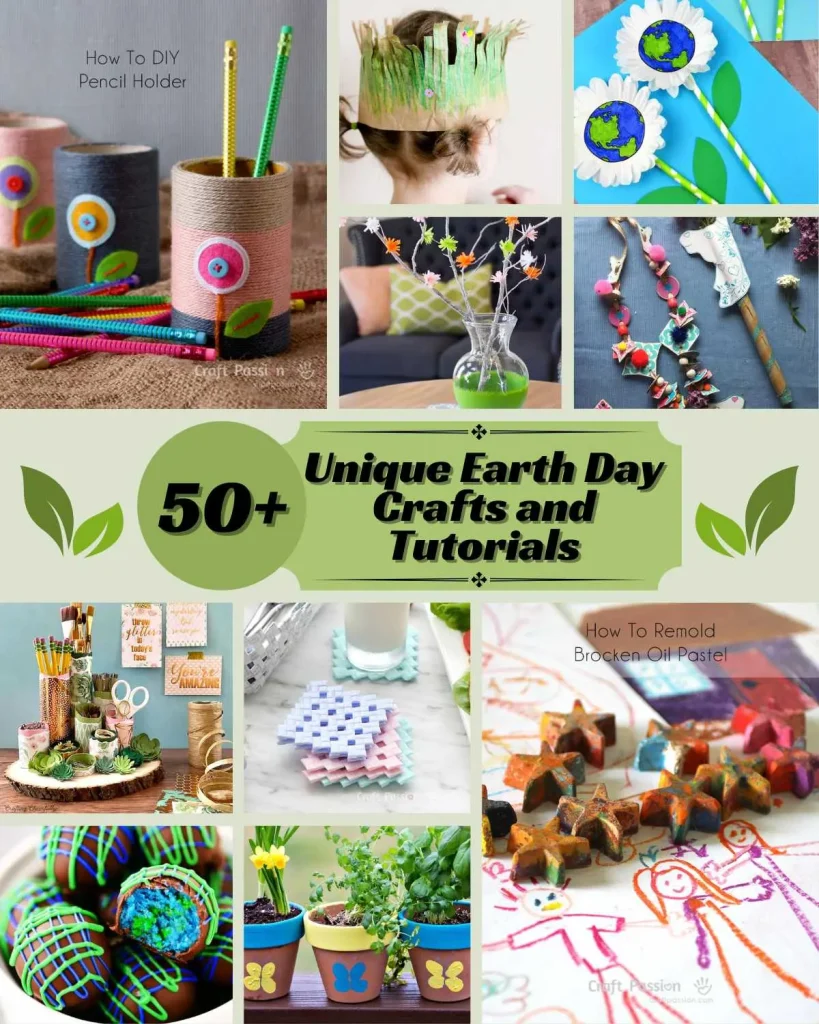
Ultimately, a greener artistic journey not only nurtures your creative spirit but also leads to a more mindful existence. As you incorporate these sustainable techniques into your craft, you participate in a movement that values the planet as much as it values creativity. Discovering new methods and sharing your journey can inspire a wider audience, ensuring that art becomes a force for good in our world.
DIVE DEEPER: Click here to uncover more insights
Innovative Approaches to Sustainable Crafting
As sustainability takes center stage in various industries, the world of crafting is also undergoing a transformative shift. Crafters are increasingly turning to sustainable craft techniques that not only enhance their artistic expression but also serve as a powerful statement about environmental responsibility. By integrating these practices, makers are finding new ways to infuse creativity into their work while promoting eco-conscious living.
One of the most exciting emerging trends is the concept of upcycling. This involves taking discarded materials and empowering them with new life. For instance, an old pair of jeans might be transformed into a stylish tote bag, while glass jars can be reimagined as unique candle holders. Upcycling not only keeps waste out of landfills but also encourages innovative thinking among crafters.
Techniques that Transform Waste
Several sustainable craft techniques stand out for their potential to revolutionize personal artistry:
- Natural Dyeing: Instead of synthetic dyes, many artists are exploring plant-based coloring options. Ingredients such as avocado pits, turmeric, or even onion skins can yield beautiful, earthy tones. This practice not only preserves the environment but also connects the maker to nature in a profound way.
- Embroidery with Purpose: Artists are now using embroidery not merely for decoration but as a means to communicate messages about sustainability and social issues. Pieces can feature themes like climate change or conservation, merging art with advocacy.
- Zero-Waste Patterns: In textiles, designers are introducing zero-waste patterns that eliminate leftover scraps. These carefully crafted designs prioritize efficiency, ensuring that every piece of fabric is utilized effectively, minimizing waste in the process.
By embracing these techniques, crafters are not just creating art; they are crafting a movement. For example, platforms like Etsy are filled with shops dedicated to selling upcycled goods, illustrating the growing demand for more sustainable products. This shift in consumer interest reflects a broader societal change towards valuing environmentally-responsible practices.
Furthermore, educational resources abound for those looking to adopt sustainable craft techniques. Workshops, online courses, and community groups offer a wealth of information, enabling creatives to learn about eco-friendly methods and materials. Organizations such as the Craft Industry Alliance provide support and networking opportunities for like-minded artisans, promoting sustainable practices and sharing industry insights.
As the crafting community continues to unite under the banner of sustainability, the profound impact of these efforts becomes evident. Each unique creation not only represents individual expression but also a collective commitment to nurturing our planet. Through the incorporation of sustainable techniques, artists can ensure that their passion for crafting contributes to a healthier, more sustainable future.
| Advantage | Details |
|---|---|
| Eco-friendly Materials | Incorporating recycled or natural fibers helps reduce waste and minimizes environmental impact. |
| Cultural Preservation | Utilizing traditional techniques supports local artisans and prevents the loss of valuable craft knowledge. |
| Awareness & Education | Engaging in sustainable practices cultivates a greater understanding of environmental issues and encourages responsible consumption. |
| Community Building | Crafting sustainably fosters collaboration within communities, connecting individuals through shared values. |
As sustainable crafting techniques evolve, their role in enhancing environmental awareness becomes increasingly vital. By embracing eco-friendly materials, crafters significantly reduce waste and reliance on harmful synthetic composites. This conscious choice cultivates a deeper understanding of environmental responsibility. Furthermore, many traditional crafting techniques are rooted in indigenous wisdom, ensuring that essential cultural practices remain alive. Engaging with these methods not only nourishes creativity but also empowers local communities. People come together to exchange ideas and techniques, transforming crafting into a collective journey toward sustainability. As individuals explore these practices, they uncover the potential of combining artistry with ecological consciousness, paving the way for a harmonious relationship with our planet. Discover how these connections shape a more sustainable future for the craft industry and beyond.
DISCOVER MORE: Click here to learn how networking can elevate your music career
Engaging Communities Through Eco-Conscious Crafting
The rise of sustainable craft techniques has not only reshaped individual artistry but has also sparked community-level initiatives aimed at promoting environmental awareness. Local crafting circles, maker fairs, and workshops are increasingly emphasizing sustainability, gathering seekers of creative expression who share a common goal of fostering a greener planet. This communal approach enhances the crafting experience, as it combines education with hands-on practice in environmentally friendly methods.
One inspiring example of community engagement is the increase in sustainable craft fairs across the United States. Events like the Handmade Arcade in Pittsburgh and the Sustainable Craft Fair in Minneapolis showcase artisans dedicated to eco-friendly practices. These platforms not only provide a space for artisans to sell their sustainable creations but also educate the public on sustainable materials, production methods, and the environmental impact of consumer choices. Workshops offered at these fairs can cover everything from basic upcycling techniques to advanced natural dyeing processes, further promoting sustainable living.
Educational Initiatives and Workshops
With the growth of interest in sustainable crafting, educational institutions and community centers are stepping up to provide courses that focus on eco-conscious crafting. Programs designed for both adults and children emphasize the importance of environmental stewardship through creativity. For example, art schools in the U.S. are now offering classes on sustainable methods, such as using reclaimed wood for furniture making or incorporating organic fibers in textile work, thereby ensuring the next generation of artists remains environmentally aware.
Additionally, social media platforms are also pivotal in spreading knowledge about sustainable craft techniques. Channels like Instagram and Pinterest serve as bustling hubs where crafters share tutorials, DIY projects, and sustainable crafting tips, broadening the reach of eco-friendly practices. These platforms can foster a sense of community, encouraging users to share their experiences and connect with like-minded individuals across the globe.
- Community Art Projects: Many neighborhoods are engaging in community art projects that involve repurposing discarded materials to create installations that tell a story or highlight a local issue. These collective efforts not only beautify the area but also raise awareness about waste and sustainability.
- Sustainable Supply Sources: More artisans are choosing to source materials from local, ethical suppliers that prioritize sustainability. In the U.S., this might include companies that offer recycled paper products or biodegradable glues, illustrating a commitment to reducing their environmental footprint.
- Crafting for Social Change: Crafters are increasingly collaborating with non-profits to create products that support social causes, such as craft kits made from sustainable materials that provide educational benefits to underserved communities.
The dialogue surrounding sustainable craft techniques is rich and ever-evolving, and as more individuals embrace this art form, the collective impact can lead to significant changes in consumer behavior and environmental awareness. As workshops and community initiatives continue to flourish, understanding the importance of sustainable crafting not only empowers creators but also encourages responsible consumerism within the broader community. The movement is more than just a trend; it represents a profound shift towards a future of creativity that honors our planet.
DIVE DEEPER: Click here to explore literary diversity
Conclusion: The Future of Crafting is Sustainable
As we explore the vibrant landscape of sustainable craft techniques, it becomes evident that the intersection of creativity and environmental consciousness holds remarkable potential for change. By embracing eco-friendly materials and production methods, artisans are not only enhancing their craft but are also engaging actively in the global movement toward sustainability. This shift empowers individuals and communities alike to reevaluate their consumption habits and take charge of their environmental impact.
Moreover, the integration of education in the context of sustainable crafting fosters a new generation that values environmental stewardship. The proliferation of workshops, community initiatives, and sustainable craft fairs illustrates a broader societal commitment to ecological responsibility. Each creative endeavor, from neighborhood art projects to workshops on upcycling, represents a step toward a more sustainable future that champions both innovative artistic expression and ecological mindfulness.
Looking forward, it is crucial that we continue to nurture this dialogue around sustainability in crafting, as it demands collaboration among artisans, educators, and consumers. The influence of social media in spreading awareness about these techniques further underscores the urgency of this movement. By sharing resources, experiences, and stories, we can collectively inspire a cultural shift towards responsible creativity, ensuring that our artistic expressions do not come at the expense of our planet.
In conclusion, the future of crafting is not just about creating beautiful things—it is about forging a deeper connection to our environment. By cultivating sustainable practices, we nurture our creativity while contributing positively to the world around us. Embracing sustainable craft techniques today can lead to a brighter, more harmonious tomorrow where creativity and environmental awareness thrive hand in hand.