Puzzles Mental Games Boosting Childrens Memory Effectively
The Fascinating Impact of Puzzles on Memory Development
In a rapidly advancing digital age, the importance of enhancing cognitive skills in children cannot be overstated. Engaging in mind games and puzzles is not only entertaining but also serves as a crucial tool for improving memory and overall brain function. Research indicates that interactive challenges can significantly aid in building neural connections, ultimately fostering better memory retention in young minds.
With various types of puzzles available, from jigsaw puzzles to logic games, the options are endless. Incorporating these activities into a child’s routine can lead to remarkable improvements in memory, attention span, and problem-solving abilities. Moreover, they promote critical thinking and creativity, essential skills for personal development.
What Lies Ahead?
This article will explore the top 5 puzzles and mental challenges particularly effective in enhancing children’s memory. Each selection will provide insight into how engaging with these games can lead to transformational benefits for cognitive growth. Let’s uncover these valuable resources that can make learning an exciting adventure!
DISCOVER MORE: Click here for fun party riddles
Top 5: How Puzzles and Mental Challenges Can Improve Memory in Children
Puzzles and mental challenges serve as excellent tools for cognitive development, offering children more than just entertainment. By fostering critical thinking and enhancing memory, these activities provide remarkable benefits to young minds. This article delves into the multifaceted advantages of incorporating puzzles and mental challenges into children’s daily lives, with a particular emphasis on improving memory capabilities. Here’s a ranked list, counting down from the least to the most impactful way in which these activities can shape memory development in children.
5. Boosting Problem-Solving Skills
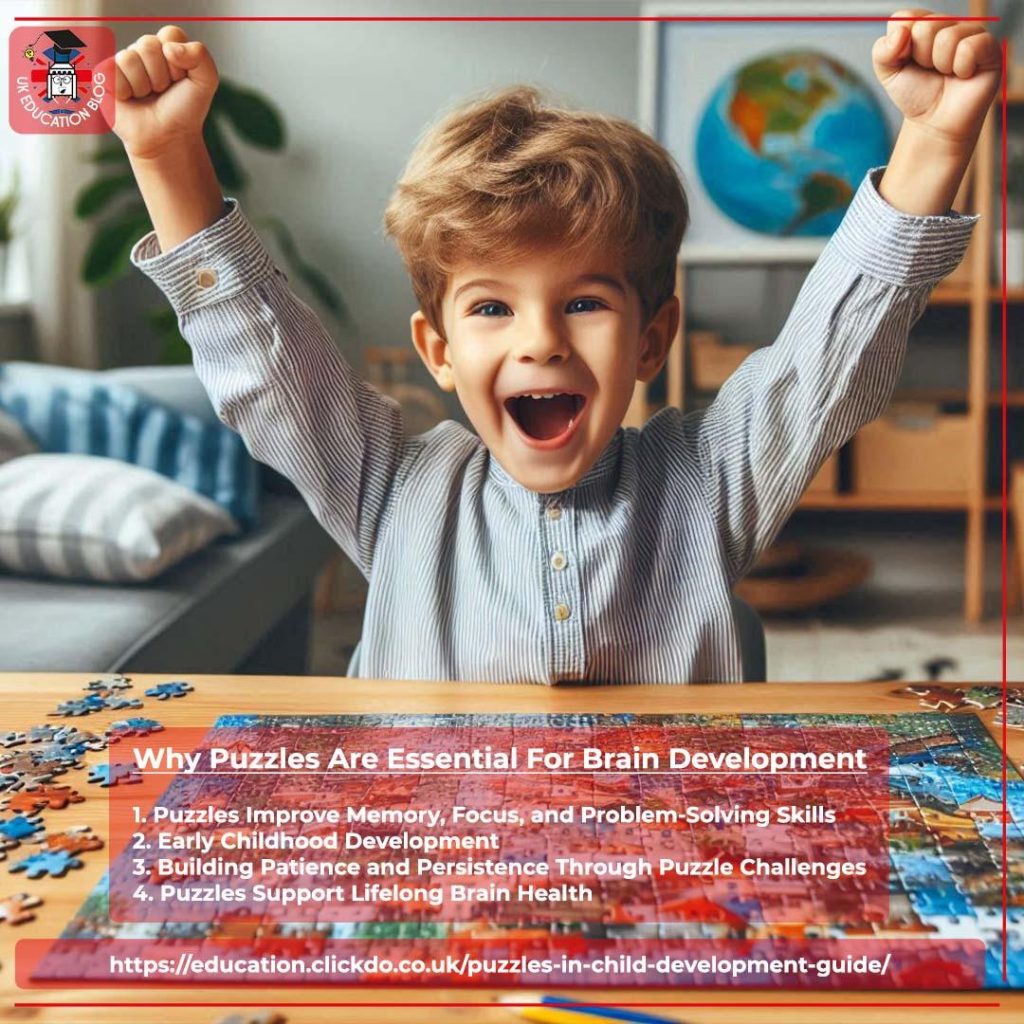
Puzzles are a quintessential way to cultivate problem-solving skills in children. When faced with a new puzzle, children must assess the situation, think creatively, and devise a series of steps to arrive at a solution. This analytical process exercises the brain, enhancing its ability to connect disparate pieces of information and apply them in real-time scenarios. For instance, completing a jigsaw puzzle requires recognizing patterns and shapes, which translates to an increased capacity for remembering visual information. Similarly, solving logical puzzles encourages children to hypothesize and conclude based on available data, mirroring the essential skills used in solving life’s various complexities.
Empirical research supports the idea that children who engage regularly with puzzles exhibit improved mental flexibility. This agility in thought promotes a versatile memory system, allowing them to adapt seamlessly across different subjects or activities. Such skills are indispensable in academic settings where they are often required to transition rapidly between different types of tasks.
4. Enhancing Concentration and Focus
Puzzles significantly enhance concentration and focus, qualities paramount to memory improvement. The inherent nature of puzzles—requiring sustained attention—trains children to concentrate on tasks at hand, shielding them from distractions. Whether they are aligning puzzle pieces in a jigsaw, filling in numbers in Sudoku, or maneuvering through a maze, children cultivate perseverance and discipline.
Longitudinal studies demonstrate that engaging in activities that bolster focus can lead to improved attention spans and memory retention. One notable example is the consistent practice of memory games, which has been shown to strengthen children’s recall abilities. As children grow accustomed to these cognitive exercises, they can better concentrate on their studies, memorizing and retaining a broad spectrum of academic material with greater efficiency.
3. Promoting Cognitive Development
The role of puzzles in promoting cognitive development cannot be overstated. By demanding engagement from various brain regions, puzzles bolster both short-term and long-term memory. As children navigate the intricacies of a puzzle, they actively recall and retain information, contributing to a robust intellectual development. Several key areas are impacted:
- Spatial Awareness: By tackling jigsaw puzzles, children improve their spatial reasoning skills, a crucial element for understanding and memorizing geometric and visual-spatial tasks.
- Logical Thinking: Solving logical puzzles necessitates pattern recognition and reasoning, which inherently strengthens memory.
- Verbal Skills: Engaging with word puzzles can expand vocabulary and improve comprehension skills, directly benefitting language-based memory functions.
Through these methods, puzzles lay the groundwork for a solid cognitive foundation, crucial for performing well in academics and navigating daily life challenges.
2. Encouraging Memory Retention Techniques
Memory games naturally initiate children into memory retention techniques. A classic example is the memory card game, which helps children develop skills to remember the location of cards, honing their spatial and recall abilities. Over time, these activities encourage children to create personal associations, such as mnemonics or visualization, which are powerful tools for enhancing memory.
By interacting with a variety of puzzles, children also gain insights into the nuances of memory operation. They experiment with different strategies, reinforcing personalized methods that assist in schoolwork and everyday functions. Developing such techniques gives them a lifelong advantage, equipping them with the skills necessary to efficiently manage and recall information.
1. Fostering a Love for Learning
The pinnacle of the benefits provided by puzzles and mental challenges is their ability to foster a love for learning. Puzzles present challenges that, once overcome, provide a sense of accomplishment and joy. This positive reinforcement instills curiosity and a continual desire for knowledge—a crucial factor in improving memory.
When learning is perceived as an enjoyable activity rather than a monotonous task, children invest more effort and interest in the process, leading to improved information retention. By associating fun with learning, they seamlessly absorb new concepts and partake in educational experiences with enthusiasm. Ultimately, this love for learning enriches not only the memory but the very foundation of a child’s educational journey and personal growth.
In conclusion, integrating puzzles and mental challenges into children’s daily routines can lead to marked improvements in memory development, cognitive skills, and an overall enthusiasm for learning. Each of the five outlined benefits contributes significantly to their holistic growth, making these activities not just enjoyable, but fundamentally essential for their developmental milestones.
Puzzles and mental challenges have long been recognized as valuable tools for enhancing cognitive abilities in children. These activities not only entertain but also stimulate intellectual growth, laying a robust foundation for memory development. By engaging children in such tasks, we can explore their multifaceted advantages and how they contribute to more effective learning.
| Cognitive Development | Memory Enhancement |
|---|---|
| Problem-Solving Skills | Short-Term Memory is improved as children remember shapes, colors, and patterns in puzzles. |
| Increased Focus | Long-Term Memory benefits from repetitive exposure to challenging tasks, solidifying knowledge retention. |
Engaging in challenging puzzles requires children to concentrate on intricate details and think critically. In turn, this boosts their problem-solving abilities, enhancing their cognitive development. Not only are they learning to deal with complex situations, but they also become adept at navigating through educational challenges as they grow. The more they practice, the sharper their reasoning skills become.
Moreover, as children work to solve puzzles, they develop an increased attention span. This skill is not only helpful in the realm of puzzle-solving but also provides them with enhanced focus that translates into their studies. With better concentration, children are more likely to digest and retain information, which is essential for academic success.
On the memory side, the immediate benefits of engaging with puzzles help in sharpening short-term memory. As kids tackle various pieces, they must recall previous actions, which trains their minds to hold onto crucial information. Beyond that, repetitive exposure to mental challenges aids in enhancing long-term memory, allowing children to reinforce the knowledge they obtain over time.
The interactive nature of puzzles and challenges is a fascinating aspect that keeps young minds engaged and motivated. Children thrive in environments where they can explore, learn, and apply new concepts. Thus, incorporating more brain teasers and mental challenges into their daily routines can yield fruitful results in their overall memory and cognitive development.
DISCOVER: Click here for insights on using jigsaw puzzles for relaxation
Frequently Asked Questions about the Impact of Puzzles and Brain Teasers on Children’s Memory
How do puzzles and brain teasers enhance memory in children?
Puzzles and brain teasers stimulate various parts of the brain, providing a workout that enhances cognitive functions. By engaging in these activities, children are required to remember patterns, strategies, and rules, which can lead to significant improvement in short-term and long-term memory. Regular practice can help strengthen neural connections, potentially leading to better memory retention and recall capabilities.
At what age should children start playing with puzzles to benefit their memory?
Puzzles can be introduced as early as toddler age with simple shapes and fitting games. As children grow, the complexity can be increased according to their developmental stage. Starting early in life can offer a foundation for cognitive growth, but even older children can benefit from incorporating such activities into their routines to sharpen their memory and problem-solving skills.
Are there specific types of puzzles that are more effective at boosting memory in children?
Different types of puzzles can have unique benefits. Jigsaw puzzles improve spatial perception and memory formation, while word puzzles, like crosswords and word searches, enhance vocabulary and concentration. Logic puzzles and brain teasers, such as Sudoku or riddles, can help develop critical thinking and logic skills. A varied approach might provide the most comprehensive cognitive benefits.
How often should children engage in puzzles to see memory improvement?
Consistency is key when it comes to cognitive improvement. Engaging in puzzles and brain teasers a few times a week can result in noticeable benefits over time. The sessions don’t have to be extensive — even short, regular acts of mental challenges can lead to enhancements in memory and learning abilities.
Is there scientific evidence supporting the memory benefits of puzzles for children?
Yes, multiple studies have shown that engaging in challenging mental activities can boost brain function in children. These activities improve memory and cognitive flexibility. Neuroscientific research suggests that regularly completing puzzles correlates with better overall cognitive performance and may potentially delay cognitive decline later in life. Exploring these findings further can provide deeper insights into the brain’s remarkable adaptability.
DISCOVER MORE: Click here to learn how to start your own puzzle club!
Conclusion
The exploration of mind games and puzzles has unveiled significant insights into how these activities can play a crucial role in enhancing memory among children. By engaging in activities that challenge their cognitive skills, children are not only entertained but also exposed to strong mental workouts that can foster their growth in numerous capacities. This article has scrutinized various aspects of how puzzling activities are intricately linked to memory improvement, underscoring their invaluable influence on young minds.
Firstly, we observed that puzzles stimulate neural connections and encourage the development of problem-solving skills and critical thinking, both of which are critical to cognitive development. Additionally, these challenges increase children’s ability to focus and concentrate, fostering greater attention spans and enhancing their memory retention capabilities. Furthermore, participating in such activities boosts confidence and self-esteem, as children experience the satisfaction of solving a puzzle, positively reinforcing their learning process.
Secondly, social interaction was highlighted as a key benefit, as puzzles often involve encouragement and teamwork, fostering collaborative skills in children. These interactions pave the way for better communication and interpersonal skills, essential elements for their overall development.
Lastly, the article illuminated the adaptability of mind games, showcasing their ability to be tailored to various ages and skill levels, making them accessible and beneficial for every child.
In conclusion, the integration of puzzles and mind games into the education and recreational routine of children can be immensely beneficial. They represent not just a form of play, but a strategic way to bolster cognitive skills. Given these benefits, educators and parents should consider incorporating these activities into children’s lives to nurture their memory and overall cognitive growth. As our understanding of the brain evolves, further investigation into these tools could unlock even more potential in nurturing young minds.