
Problem-Solving Strategies in Strategy Games and Their Impact on Critical Thinking

Unlocking the Secrets of Strategy Games
In the digital age, strategy games have evolved beyond mere entertainment. They serve as complex platforms for enhancing problem-solving skills and fostering critical thinking. Players engage in intricate challenges that require swift decisions, resource management, and innovative planning.
The Importance of Problem-Solving Strategies
Within these games, players encounter a variety of scenarios that demand creative solutions. Not only do these experiences engage users, but they also impact cognitive development in significant ways. Players of games such as “Civilization” or “StarCraft” must navigate through multifaceted situations that challenge their intellect and strategic acumen. Consider the following elements:
- Analytical Skills: Players evaluate options and outcomes, sharpening their ability to assess situations critically. For instance, in “Civilization VI,” players must analyze the relative strengths and weaknesses of various civilizations, the geography of the map, and decide the optimal time to form alliances or initiate conflicts. This process hones analytical skills that can be applied in real-world decision-making.
- Adaptability: Changing game conditions force players to modify their strategies, enhancing flexibility in thinking. In a constantly changing dynamic, such as in “Fortnite,” players must adapt their plans on the fly based on the actions of opponents and resource availability. This agility in thought and action can be invaluable in today’s fast-paced environment.
- Collaboration: Many strategy games involve teamwork, where communication and negotiation skills come into play. Titles like “League of Legends” and “Dota 2” not only demand individual skill but also rely heavily on team dynamics. Players must articulate their strategies effectively and negotiate roles within the team, fostering essential collaborative skills that are critical in both professional and personal contexts.
As strategy games gain popularity, understanding their role in cognitive enhancement is vital. Educational institutions and hobbyists alike are beginning to recognize the potential of these games as important tools for developing problem-solving abilities. Various studies have revealed that students who engage in strategy games exhibit an improvement in test scores, critical thinking, and even social skills. For example, a study from the University of Toronto found that students who played strategy-based video games developed higher academic performance compared to non-gamers.
The implications of this trend stretch beyond gaming, leading to interesting discussions about its impact on critical thinking skills in the real world. As we navigate an increasingly complex society, the ability to think strategically is becoming more essential. This emerging evidence prompts educators, parents, and policymakers to reconsider the role of video games in learning environments. As we unlock the secrets of strategy games, we may uncover powerful new methods for enhancing cognitive skills that extend far beyond the screen.
DIVE DEEPER: Click here to discover more about mind games and critical thinking
Understanding the Role of Strategy Games in Problem Solving
In a world that demands quick thinking and agile problem-solving skills, strategy games have emerged as captivating arenas for mental development. These games provide a platform where players face multifaceted challenges that mimic real-life scenarios, compelling them to engage in critical thinking, strategizing, and decision-making under pressure. Just like a chess match unfolding on a board, strategic gameplay requires players to navigate complex landscapes, predict adversarial moves, and understand the broader implications of their choices. The immersive nature of these games cultivates cognitive abilities that are not only relevant in gaming but also invaluable in personal and professional contexts.
Key Problem-Solving Strategies in Gameplay
Each genre of strategy game fosters unique approaches to problem-solving. Delving into these games reveals key methodologies that can be applied both on-screen and in daily life. Here are some prominent strategies:
- Resource Allocation: Managing resources is at the heart of many strategy games. In “Age of Empires,” for example, players must gather food, wood, and gold to develop their civilization. The need to prioritize resources directly reflects real-life skills such as budgeting for a household or managing a team’s workload efficiently. As players decide when to build infrastructure, invest in military units, or trade with allies, they enhance their ability to make informed decisions about resource distribution.
- Scenario Planning: Engaging in scenario planning is vital in games like “Total War.” Players constantly weigh the outcomes of military encounters, alliances, and economic policies. This requires a deep understanding of cause-and-effect relationships, much like anticipating market changes in business or evaluating risks during project development. By forcing players to predict various potential outcomes, such scenarios develop a more nuanced perspective that can significantly aid in real-world decision-making.
- Trial and Error: The concept of trial and error is fundamental in games such as “XCOM,” where players often modify their tactics based on prior experiences. Facing unexpected challenges pushes players to adapt quickly, enhancing their resilience. This iterative learning process is mirrored in professional environments where experimentation and adaptation are crucial. For instance, businesses rely on similar approaches when adapting marketing strategies based on consumer feedback.
Furthermore, players often engage in reflective thinking by analyzing the effectiveness of their actions after a game. This introspective practice not only improves future gameplay but also sharpens their decision-making abilities in everyday life situations. Research supports the notion that individuals who regularly engage in strategy games develop enhanced critical thinking skills. A report by the American Psychological Association indicates that consistent players exhibit greater cognitive flexibility, allowing them to transition between various tasks or ideas effectively.
The interplay between problem-solving strategies in strategy games presents a compelling argument for their educational value. They offer rich, immersive experiences that foster critical thinking and analytical skills, making them valuable tools for parents and educators alike. As the popularity of gaming continues to rise, the discussions around its benefits, particularly in enhancing cognitive abilities, are becoming increasingly relevant. In an era dominated by technology and innovation, the skills cultivated through strategy games could very well shape the leaders of tomorrow.
Innovative Problem-Solving Strategies in Strategy Games
Strategy games serve as a dynamic platform for enhancing critical thinking and problem-solving skills. These interactive environments challenge players to think strategically about their choices, fostering an atmosphere rich in cognitive engagement. One vital aspect to consider is the multi-dimensional thinking required in gameplay. Players learn to assess various potential outcomes concurrently, considering both immediate consequences and long-term effects. This ability to foresee and analyze different scenarios can significantly enhance decision-making skills in real-world situations.Another compelling strategy is the resource management element found in many strategy games. Balancing limited resources while aiming to achieve specific goals mirrors real-life challenges encountered in business and personal finance. Players cultivate not only their analytical skills but also their ability to adapt and prioritize tasks efficiently. Furthermore, understanding the importance of collaboration and teamwork in multiplayer strategy games encourages social interaction, leading to the development of communication skills essential for discussing and exchanging ideas effectively.These strategic components form a complex web of learning that not only promotes cognitive skills but also provides players with tools to approach problems more creatively. From developing innovative tactics to overcoming obstacles, players engage in an enriching experience that can influence their real-world decision-making processes. With the advent of digital platforms, the accessibility and diversity of strategy games continue to rise, inviting more players to explore their cognitive benefits. In the vibrant realm of strategy games, enthusiasts can discover a captivating synergy between fun and constructive learning, propelling them to deeper insights regarding problem-solving methodologies and their enduring impact on critical thinking skills. Whether one is an avid gamer or a casual participant, the lessons learned from engaging with these games have the potential to transcend the screen and practical applications in daily life.
| Strategy | Impact on Critical Thinking |
|---|---|
| Multi-Dimensional Thinking | Enhances decision-making by evaluating multiple outcomes. |
| Resource Management | Promotes adaptability and prioritization of tasks. |
The thoughtful interplay of these strategies within games not only enriches the gaming experience but also equips players with invaluable skills that are increasingly relevant in today’s fast-paced decision-making environments.
DISCOVER MORE: Click here to learn about the impact of logic games on children’s cognitive development
Engaging Cognitive Skills through Interactive Challenges
The dynamic nature of strategy games goes beyond mere entertainment, acting as intricate puzzles that challenge players’ intelligence and adaptability. For instance, games like “Civilization” compel players to devise long-term plans that can unfold over several in-game epochs. This long-term strategic thinking is an invaluable skill that reflects how vision and planning can lead to success in various life endeavors, from career advancement to personal goals. Engaging with the intricate mechanics of these games fosters a mindset that prioritizes foresight and detailed analysis, critical elements in navigating complex real-world issues.
Enhanced Collaboration and Social Learning
Another significant aspect of strategy games is their potential for enhancing collaborative problem-solving. Multiplayer formats in titles such as “StarCraft” or “League of Legends” necessitate teamwork, where players must coordinate their efforts to achieve a common objective. This collective problem-solving scenario accentuates not only individual cognitive strategies but also the importance of communication and leadership. In an era where group dynamics play a pivotal role in workplaces, these games lay the groundwork for understanding interpersonal relationships and team-based strategies.
Research indicates that individuals engaged in collaborative gaming experiences foster greater empathy and social awareness. The need to recognize others’ strengths and weaknesses directly translates to improved team dynamics in professional settings. As players participate in joint strategies and learn to appreciate diverse viewpoints, they cultivate a broad analytical lens that is essential in both personal and professional negotiations.
Time Management and Prioritization
Moreover, strategy games inherently urge players to consume their time wisely. Many titles enforce time constraints—whether completing a mission within a short time frame or responding to an enemy’s attack swiftly. This effectively nurtures skills in time management and prioritization, which are crucial in the fast-paced work environments commonly found in the United States. Research from the University of California indicates that individuals who engage in time-sensitive decision-making improve their ability to assess urgency and deploy resources strategically, reducing stress when faced with deadlines.
Opportunities for Strategic Innovation
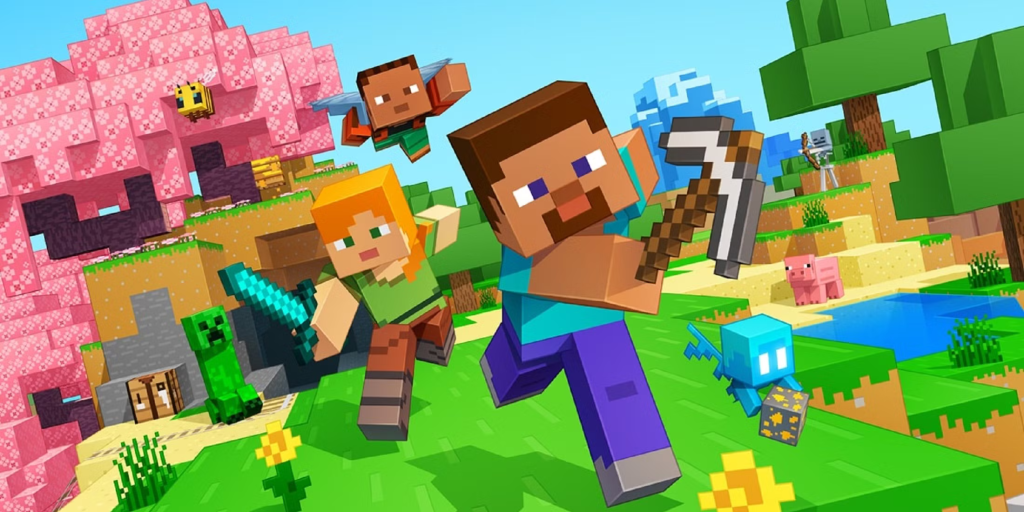
The innovative elements of strategy games, such as “sandbox” modes, allow players to experiment with unconventional tactics without the fear of immediate repercussions. This freedom promotes creativity and encourages players to think outside the box. For example, in “Minecraft,” players can devise unique construction and survival strategies, pushing their creative thinking boundaries. Such experimentation can breed innovative solutions that are applicable in various fields, from technology and art to business strategies. According to a report from the International Journal of Gaming and Computer-Mediated Simulations, players who regularly engage in these creative aspects tend to exhibit enhanced risk-taking capabilities and entrepreneurial spirit.
In summary, the multifaceted approaches to problem-solving nurtured through strategy games not only bolster critical thinking but simultaneously enhance essential life skills. By engaging in these complex scenarios, players prepare themselves for the challenges of everyday life, shaping a generation that approaches obstacles with creativity, collaboration, and informed decision-making. The implications of this are profound, extending well beyond the realm of gaming and into professional and personal contexts. As strategy games continue to rise in popularity, their influence on nurturing competent and adaptable problem solvers within society remains a topic worth exploring further.
DISCOVER MORE: Click here to learn how reasoning games can boost your problem-solving skills
Conclusion: The Transformative Potential of Strategy Games
In a world where rapid problem-solving and critical analysis are paramount, strategy games emerge as unexpected yet powerful tools for enhancing these essential skills. By immersing players in complex scenarios that require both individual intelligence and collaborative effort, these games equip players with a versatile skill set that extends far beyond the screen. The combination of long-term planning, effective communication, time management, and creative experimentation fosters an environment that challenges individuals to think critically and adaptively.
Moreover, the social learning aspects of multiplayer formats cultivate an understanding of diverse perspectives, fostering empathy and enhancing teamwork—qualities that are increasingly critical in today’s diverse workplaces. The ability to navigate group dynamics and prioritize effectively amid time constraints prepares players for real-life challenges, promoting resilience and innovative thinking.
As educators and professionals seek methods to develop critical thinking in younger generations, the lessons derived from strategy games present a compelling solution. Investment in this form of learning can bridge the gap between gaming and skill development, demonstrating how play can be a serious pedagogical tool. Future research should focus on quantifying the effects of these games in educational settings and their applicability to various career fields. In conclusion, strategy games not only entertain but also enrich minds, providing a foundation that can empower individuals in both their personal and professional journeys.