Presentation Techniques for Dishes: Elevating the Culinary Experience at Home
The Art of Culinary Presentation
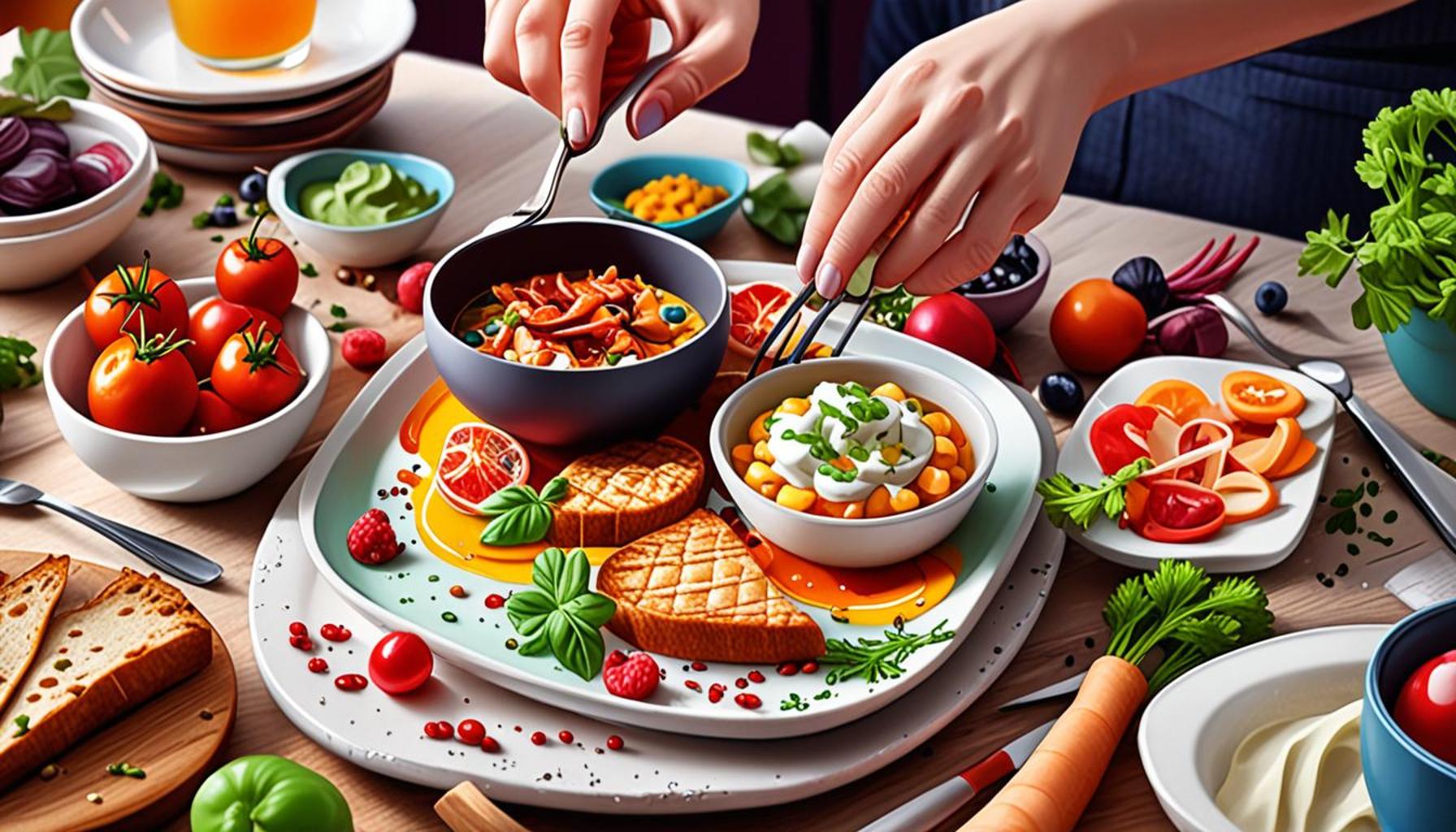
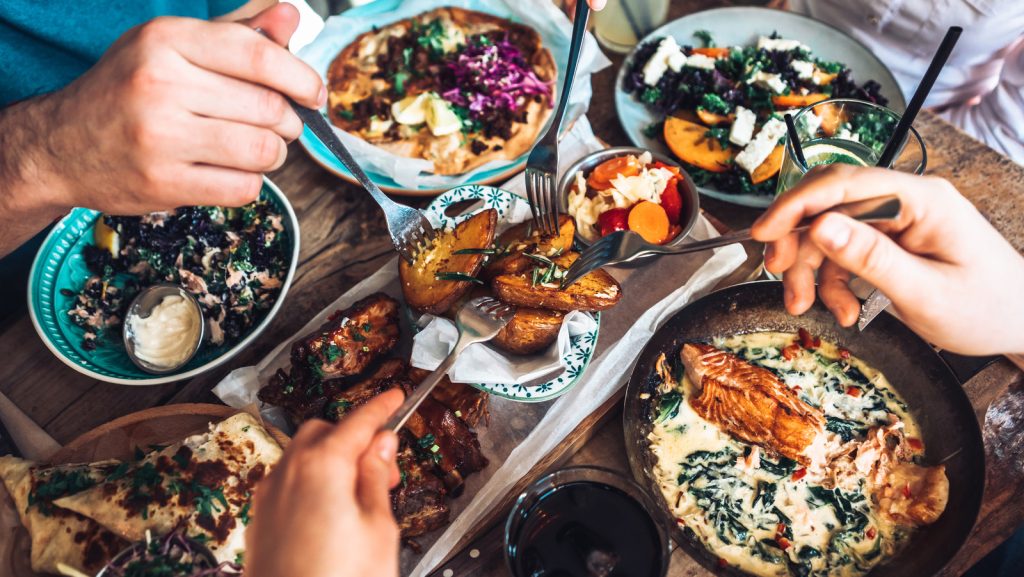
Creating visually stunning dishes extends beyond simply preparing a meal; it is an art form that transforms ingredients into an enticing experience. For every home cook, whether novice or seasoned, the opportunity to impress diners lies within the plate’s aesthetic appeal. Presentation techniques can elevate a basic dish into something extraordinary, ensuring that each meal is not just eaten but enjoyed and admired.
Consider the essential elements of dish presentation:
- Color: Utilizing vibrant ingredients can greatly enhance visual appeal. For instance, pairing roasted carrots with a rich emerald pesto will create a breathtaking contrast, capturing attention at first glance.
- Texture: Mixing various textures adds depth and interest to your dish. Imagine a creamy risotto served with crispy pancetta; the combination of creamy and crunchy elevates the entire dining experience.
- Arrangement: The strategic placement of components can dramatically alter the perception of a meal. Think of symmetry and balance—layering a towering burger artfully can make it much more inviting compared to a flat, unappealing mound.
- Garnishes: Attentive garnishing, such as fresh herbs or edible flowers, can infuse your plates with freshness and a pop of color. When plating a beef tartare, a delicate sprinkle of microgreens or edible flowers can add sophistication and flair.
Imagine serving a simple pasta dish. With a sprinkle of parmesan cheese and a sprig of basil, it transforms from ordinary to extraordinary. A drizzling of high-quality olive oil and a dusting of red pepper flakes can turn an everyday meal into a work of art. Each element plays a crucial role, contributing to the overall visual narrative you create on the plate.
Whether you’re whipping up a weeknight dinner or hosting a lavish gathering, mastering the art of plating can transform the experience, making it memorable for everyone at the table. Soon, guests will not only remember the imbibed flavors but will also be enchanted by the artful presentation of your dishes.
Join us as we explore innovative presentation techniques that will take your culinary endeavors to the next level. From learning how to use negative space effectively to understanding the psychology of color in food, it’s time to move beyond basic plating. With a little creativity and attention to detail, you can take your dishes from good to stunning—every meal deserves to be a feast for the eyes!
DISCOVER MORE: Click here to learn how culinary arts can express your story</p
Mastering the Fundamentals of Plate Presentation
To elevate your culinary creations, understanding and employing key presentation techniques is essential. While taste is always paramount, the visual impact of a dish can significantly influence diners’ perceptions and their overall dining experience. Here are fundamental principles that can guide your journey towards creating plates that not only look beautiful but also make an unforgettable impression.
Understanding Plate Composition
The arrangement of food on a plate, often referred to as plate composition, is where the magic begins. When plating your dish, consider the following factors:
- Focal Point: Every plate should have a visual focal point where the eye is naturally drawn. Whether it’s a beautifully seared piece of fish or a vibrant scoop of purée, placing this component centrally can create an immediate impact.
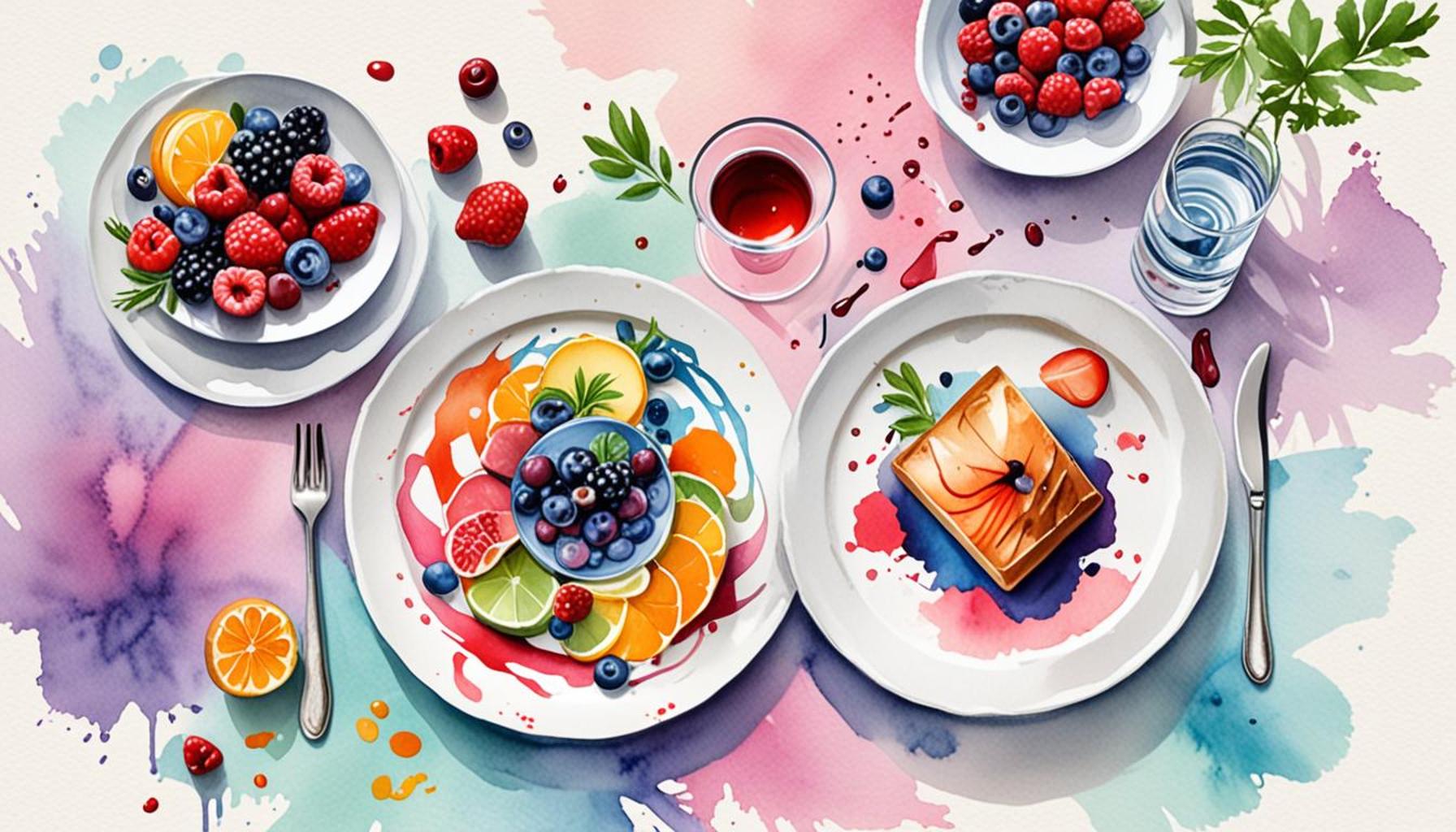
- Negative Space: This technique involves leaving empty space on the plate. It helps to emphasize the food and gives the dish a clean, sophisticated look. Think of a bed of greens with a single, bright tomato just waiting to be savored.
- Height Variation: Adding height to your presentations can create drama and intrigue. Stacking elements, such as a grilled chicken breast atop a nest of sautéed vegetables, not only provides visual interest but also engages diners in culinary exploration.
- Layering Colors: A well-balanced color palette can bring your dish to life. Incorporate a variety of hues by combining contrasting elements, for example, a deep purple beet puree paired with golden roasted onions. This visual harmony can excite the palate before the first bite.
Consider the journey of a simple dessert. By layering a chocolate mousse with bright raspberry coulis and garnishing with a mint leaf, the plate comes alive—a feast for both the eyes and the stomach. This transformation from a basic dish to a carefully designed spectacle exemplifies how attention to detail can enhance the dining experience.
Utilizing Creative Serving Dishes
The choice of serving dishes plays an equally significant role in elevating dish presentation. Consider how different types of plates, bowls, and platters can influence the overall aesthetic. For instance, a rustic wooden board may complement a cheese platter beautifully, while a sleek, modern white plate can highlight the vibrancy of a fresh salad. The right vessel can enhance the theme of your meal and engage diners further.
As you delve deeper into the world of culinary presentation, remember that practice makes perfect. Consistently experimenting with various plating styles and techniques can sharpen your skills and inspire creativity. The excitement of presenting an extraordinary dish lies not just in the food itself, but in the visual storytelling that accompanies it. With every meal you prepare, an opportunity awaits to captivate your guests and turn an ordinary dining experience into a memorable celebration of taste and beauty.
Exploring Various Presentation Techniques
To elevate your culinary experience at home, mastering presentation techniques is essential. These techniques not only enhance the visual appeal of your dishes but also set the stage for a memorable dining experience for you and your guests. Below, we delve into some effective presentation techniques that can transform your home-cooked meals into culinary masterpieces.
Plating
Plating is the art of arranging food on the plate in an appealing manner. This can include techniques such as stacking, fanning, or even using negative space for emphasis. Utilizing various height levels can add depth to your plates and create visual interest. Consider using the rule of thirds when arranging your elements, which helps in achieving a balanced and sophisticated look.
Color Coordination
Using color coordination can greatly influence the presentation. Vibrant colors stimulate appetite and create a feast for the eyes. When choosing garnishes, think about contrasting colors and textures. For instance, pairing bright green herbs with a creamy white sauce not only enhances the dish’s visual appeal but also accentuates flavors.
Garnishing Techniques
Garnishing is a critical aspect of presentation. Fresh herbs, edible flowers, or microgreens can add a pop of color and freshness to your dishes. Don’t shy away from experimenting with different garnishing techniques, such as spiralizing vegetables or creating natural sauces with artistic drizzles, to accentuate your work.
Using the Right Dishware
The choice of dishware significantly impacts the presentation. Elegant plates, bowls, and serving dishes can elevate your meal’s overall aesthetic. Consider contrasting the color of the dishware with the food to make it stand out. White plates are a classic choice for allowing colorful foods to shine, while darker plates can add drama and sophistication to your presentation.
Benefits of Smart Presentation Techniques
| Presentation Technique | Benefits |
|---|---|
| Plating | Enhances the beauty and appeal of food |
| Color Coordination | Stimulates appetite and captures interest |
| Garnishing | Adds freshness and a touch of elegance |
| Dishware Choice | Complements the meal and elevates the dining experience |
Mastering these presentation techniques empowers you to not only create visually stunning dishes but also enhances the overall dining experience at home. With practice, anyone can elevate their culinary skills and make every meal a special occasion.
DISCOVER MORE: Click here to dive deeper
Innovative Garnishing Techniques
When it comes to elevating your dishes, the right garnish can transform an ordinary plate into a stunning visual masterpiece. Garnishes not only add a pop of color and texture but can also heighten the dish’s flavors and engage the senses in new ways. Here are some innovative garnishing techniques that can be easily integrated into your home cooking routine:
Edible Flowers and Microgreens
Utilizing edible flowers and microgreens is a growing trend in modern culinary presentation. Flowers such as nasturtiums, violets, and pansies bring vibrant colors and unique flavors that can enhance the visual appeal of your dishes. Paired with a fresh salad or atop an appetizer, these blooms not only add beauty but also a hint of sophistication.
Microgreens, with their bold colors and concentrated flavors, can elevate dishes as well. A sprinkle of micro basil or particularly vibrant radish shoots atop a soup or main course instantly gives your meal a restaurant-quality look. They offer a fresh contrast of textures and provide an aromatic touch that intrigues the diner.
Textures and Contrasts
Beyond flavor, texture plays a pivotal role in dining experiences. Combining crunchy elements with creamy sauces or smooth purées creates a delightful interplay that excites the senses. Consider sprinkling toasted nuts or crispy shallots over a velvety risotto or using a crunchy salad to accompany a tender protein. This textural variance not only adds depth to the dish but also invites diners to explore the layers of flavors and sensations on their plates.
Drizzles, Dots, and Swirls
Another captivating way to elevate your plating game is through the use of sauces and purees. Instead of merely pooling sauce under your proteins, consider innovative drizzles, dots, or swirls on the plate. A vibrant béarnaise can be artfully applied in a zigzag pattern, or an herbed oil can be dotted around the edges of the plate for a modern touch. These stylish techniques force the eye to explore the entire presentation, inviting guests to appreciate every careful placement.
Additionally, utilizing a squeeze bottle can make sauce application cleaner and more precise, allowing for artistry that resembles professional plating. This small investment in your kitchen toolkit can pay off immensely when it comes to showcasing your culinary creations.
Seasonal and Local Ingredients
Incorporating seasonal and local ingredients not only enhances the freshness of your dishes but also serves as a visual narrative about the origins of your meal. When crafting a plate, think of utilizing produce that is in season, which often comes with vivid colors and is at peak flavor. For instance, vibrant spring asparagus or summer tomatoes can serve as both a base and garnish, providing a dynamic focal point that reflects the time of year and locality.
By highlighting local fare, your dish will resonate with a sense of place and community, imbuing the dining experience with meaningful connections that can delight guests even beyond the flavors.
Ultimately, the art of garnishing and thoughtful presentation emerges as a vital element in the culinary landscape. Using a combination of thoughtful design, seasonal awareness, and textural contrasts not only transforms your meals into visual feasts but ensures that every aspect of dining, from the flavors to the aesthetics, contributes to an enriching, memorable experience at home.
DISCOVER MORE: Click here to learn about the digital revolution in literature
Conclusion: Enhancing Your Culinary Journey
In the realm of home cooking, presentation techniques serve as the unsung heroes that elevate dining experiences from mere meals to delightful culinary journeys. By integrating innovative garnishing techniques such as edible flowers, microgreens, and thoughtful texture contrasts, cooks can create plates that tantalize both the eyes and the palate. Utilizing sauces and purees in visually appealing ways not only showcases skill but also invites guests to engage more intimately with the dish.
Moreover, the emphasis on seasonal and local ingredients adds a layer of storytelling, connecting diners with the freshness of the food while highlighting the cultural context behind each dish. This conscious approach deepens the dining experience by instilling a sense of place and community—a narrative as rich as the flavors themselves.
As we continue to explore the art of plating and presentation, it becomes clear that these techniques are not merely for aesthetics; they substantially enhance flavor perception and enjoyment. A well-presented dish sparks conversation and fosters appreciation, turning meals into memorable occasions.
So, venture into your kitchen armed with these presentation strategies and watch as an ordinary meal transforms into an extraordinary feast for the senses. By focusing on the visual and taste dimensions of dining, you not only celebrate your culinary skills but also create a lasting impression on those you share your table with. Discover the alignment of artistry and flavor, and ignite passion in your home cooking endeavors!