
Nutritional Supplements: When and How to Use Them in Pet Diets

Understanding Nutritional Supplements for Pets
In recent years, pet owners have increasingly turned to nutritional supplements to enhance their furry companions’ diets. The rising interest in holistic health and wellness has sparked curiosity about how supplements can support optimal health in pets, especially as they age or face various health challenges. But when should these supplements be introduced, and how can they truly benefit your pet? Understanding the importance of proper nutrition is critical for ensuring your pet’s overall health and well-being.
When considering whether to introduce supplements into your pet’s diet, several key factors come into play:
- Life Stage: Puppies and kittens have unique nutritional needs that differ significantly from those of adult or senior pets. For example, young animals require higher levels of protein and calories to support their rapid growth and energy levels. Supplements tailored for these life stages, such as DHA for brain development in puppies, can play a crucial role in their early development.
- Dietary Gaps: Even with high-quality commercial pet food, there may be essential vitamins or minerals that are lacking. If your pet’s diet is primarily homemade or lacks variety, supplements such as omega-3 fatty acids for skin and coat health or probiotics for digestive support can help bridge these gaps and ensure your pet receives balanced nutrition.
- Health Issues: Pets diagnosed with specific health conditions, such as arthritis or diabetes, could greatly benefit from targeted dietary supplements. For instance, glucosamine and chondroitin are commonly recommended for joint health and mobility in older dogs, while antioxidants may support immune function for those under stress or recovering from illness.
However, the market is flooded with a plethora of options, making the selection process daunting. To navigate this landscape effectively, it’s essential to know what to look for in a quality supplement:
- Ingredients: Investigate the primary components of any supplement you consider, as some ingredients may be more beneficial than others. Look for natural, high-quality sources that are known for their health benefits, such as fish oil for omega-3 fatty acids or pumpkin for digestive health.
- Certification: Opt for products that meet safety and quality standards, such as those certified by the National Animal Supplement Council (NASC). This certification ensures that the product has undergone rigorous testing for safety and quality.
- Veterinary Recommendations: Consulting your veterinarian is crucial for tailored advice that aligns with your pet’s specific needs. Veterinarians can help identify any deficiencies and recommend appropriate supplements that would be beneficial.
Ultimately, informed decisions about nutritional supplements can greatly enhance your pet’s quality of life. With the right approach, you can incorporate these products into your pet’s diet effectively, ensuring they thrive in an ever-changing world. Regular monitoring of your pet’s health and periodic reevaluation of their nutritional needs can further ensure that they remain energetic and vibrant at every stage of life.
Identifying the Right Time for Nutritional Supplements
Understanding when to use nutritional supplements in your pet’s diet is crucial for addressing their specific needs. The decision to incorporate supplements should be backed by thoughtful considerations that reflect your pet’s individual requirements. Various circumstances may prompt the introduction of supplements to a pet’s regimen, and recognizing these moments can enhance their overall well-being.
Life Stage Considerations
Pets have distinct dietary requirements depending on their life stage. For instance, puppies and kittens experience rapid growth and development, necessitating higher levels of certain nutrients. Supplements that are rich in DHA (docosahexaenoic acid), for example, are essential for cognitive development and brain health in young pets. As pets transition into adulthood and then into their senior years, their nutritional needs evolve. Senior pets, for instance, may benefit from joint health supplements like glucosamine and chondroitin, which can help combat age-related mobility issues.
Dietary Deficiencies and Gaps
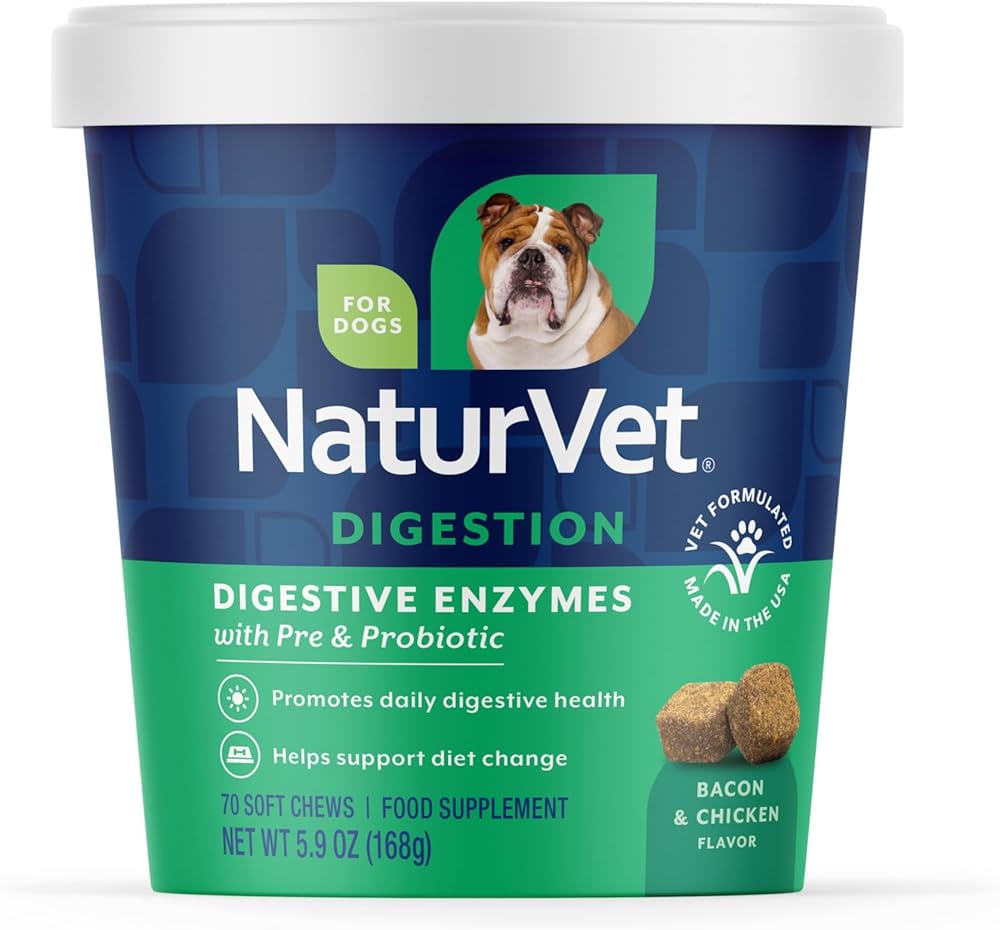
Even with a seemingly balanced diet, pets may miss out on vital nutrients. This is particularly true for pets being fed homemade diets or those stuck in a routine with the same food day in and day out. Dietary gaps are common, and supplements can play a pivotal role in ensuring your pet receives the nutrients they need. For instance, incorporating omega-3 fatty acids into your pet’s diet can dramatically improve their skin health, promote a shiny coat, and benefit overall heart health. Similarly, probiotics are excellent for boosting your pet’s digestive health, particularly if they experience gastrointestinal issues.
Targeting Specific Health Issues
It is essential to consider whether your pet is dealing with specific health challenges that necessitate targeted nutritional support. Common conditions like arthritis, allergies, or digestive disturbances can often be alleviated with appropriate supplements. For example, the use of antioxidants may boost immune function in pets under stress or those recovering from illness. Likewise, pets with allergies may benefit from supplements that enhance skin and coat health, such as fish oil or specific vitamins that reduce inflammation.
Key Factors for Supplement Selection
As you navigate the world of pet supplements, consider the following key factors to ensure you are making informed choices:
- Quality Ingredients: Look for supplements that feature high-quality, natural ingredients. Consider the source of nutrients, as some may have proven efficacy over others.
- Product Transparency: Transparency in labeling is imperative. Opt for brands that provide clear information about ingredient sources and dosages.
- Veterinary Guidance: Finally, engaging your veterinarian in the decision-making process is crucial. They can assess your pet’s individual health needs and recommend trusted products that suit your pet’s specific conditions.
Incorporating nutritional supplements into your pet’s diet can lead to significant enhancements in their health and quality of life. By being mindful of their unique needs at different life stages, addressing dietary gaps, and targeting specific health issues, you position your pet to thrive in their everyday life.
| Category | Details |
|---|---|
| Types of Nutritional Supplements | Vitamins, minerals, amino acids, fatty acids |
| Usage Guidelines | Consult a veterinarian for personalized suggestions. |
| Benefits for Health | Supports immune function, promotes healthy skin and coat. |
| When to Use | During recovery from illness, old age, or dietary restrictions. |
Nutritional supplements play a fundamental role in enhancing the overall well-being of pets, especially when dietary gaps exist. Pet owners should be informed about the various types of supplements, including essential vitamins and minerals, which can help improve vital functions. The importance of consulting a veterinarian cannot be overstated, as they can provide tailored recommendations based on individual pet needs.Moreover, understanding when to use these supplements can be critical; for instance, older pets or those recovering from surgeries may require additional support to maintain their vitality. Benefits also include the enhancement of skin and coat health, as well as bolstering the immune system to fend off common diseases.In an ever-evolving pet health landscape, it’s crucial for pet owners to stay informed about how to effectively incorporate nutritional supplements into their pets’ diets.
Implementing Nutritional Supplements in Pet Diets
Once you’ve identified the right time to introduce nutritional supplements to your pet’s diet, how to incorporate them effectively becomes the next step. The method of administration, timing, and dosage all play pivotal roles in how beneficial these supplements can be.
Choosing the Right Format
Nutritional supplements for pets are available in various formats, including powders, liquids, gels, and chewable tablets. Each format has its advantages, and selecting one that aligns with your pet’s preferences and habits is critical. For example, liquid supplements may be easily mixed into food, making them ideal for pets that are picky eaters or resistant to swallowing pills. On the other hand, soft chews are often appealing to dogs, making it easier to integrate them into their routine.
Establishing a Routine
Consistency is key when introducing supplements to your pet’s diet. Pets thrive on routine, so establishing a regular schedule for supplement administration can enhance their effectiveness and create a sense of normalcy. For pets that respond positively to a treat-based reward system, using supplements as a part of their training or reward rituals can lead to better compliance. Pets learn quickly, and associating the supplement with a positive experience can make them more receptive to it over time.
Understanding Dosage Guidelines
Each nutritional supplement comes with specific dosage recommendations, which should be followed closely to avoid potential over-supplementation. Consultation with a veterinarian can help tailor these guidelines to your pet’s size, health status, and specific needs. It’s important to avoid assumptions based on general recommendations; not all pets will require the same dosage, and some may need slight adjustments based on personal health factors. Monitoring your pet’s response to supplements over time is also vital, as this feedback can help adjust dosages accordingly.
Introduction Period
When introducing a new supplement, consider starting with a gradual approach. Begin with a lower dose and monitor your pet for any potential adverse reactions before increasing to the recommended amount. This practice is particularly important when introducing supplements targeting specific health issues. For instance, when adding a joint supplement, observe your pet’s mobility closely to assess whether there is a noticeable improvement, indicating that the dosage may be appropriate, or a decrease in mobility, which might suggest a need for reevaluation.
Monitoring Effects and Adjustments
Keeping a detailed record of your pet’s behavior and health changes can be immensely beneficial in understanding the effects of nutritional supplements. Documenting any improvements or side effects over time allows for informed discussions with your veterinarian, should adjustments be necessary. Pets may react differently to supplements—some might show immediate improvements, while others may take longer to respond. Being patient and proactive in your observations can lead to a tailored approach that maximizes the benefit of the supplements.
Incorporating nutritional supplements into your pet’s diet is not just an afterthought; it’s a strategic decision that requires careful consideration and implementation. Understanding how to effectively integrate supplements, monitoring their impact, and adjusting protocols as needed can open the doorway to optimal health and longevity for your beloved pets.
Conclusion
As pet owners, ensuring the well-being of our furry companions is paramount. Understanding when and how to use nutritional supplements in your pet’s diet can make a significant difference in their health and quality of life. While these supplements can provide essential nutrients and support for various health conditions, their implementation should be approached thoughtfully and strategically.
Consultation with a veterinarian is crucial in this process, as they can guide you in identifying specific health needs and appropriate supplements tailored to your pet’s unique circumstances. This collaboration not only facilitates informed choices but also helps in navigating the extensive range of supplement formats—be it powders, liquids, or chews—that are available in the market.
Regular monitoring of your pet’s reaction to new supplements, coupled with a consistent routine, fosters a smoother integration into their diet. By maintaining detailed records of their behavior and health, you will be better equipped to make necessary adjustments and optimize the benefits of the supplements.
In essence, incorporating nutritional supplements isn’t merely about addressing deficiencies; it’s about enhancing your pet’s overall welfare and longevity. As you embark on this journey of supplementation, remain proactive, informed, and responsive to your pet’s needs. After all, a well-nourished pet is a happy pet, and with the right knowledge and tools, you can provide them the vibrant, healthy life they deserve.